✈️ Americans Travel for Medical and Cosmetic Care: The Guide to Overseas Treatments
✅ Executive Summary: Why Americans Travel for Medical and Cosmetic Care
The movement of patients overseas, a phenomenon known as medical tourism, has seen explosive growth among U.S. residents. The decision by Americans travel for medical and cosmetic care is a direct response to prohibitive domestic healthcare costs, extended waiting times, and the exclusion of essential elective treatments like dentistry and cosmetic surgery from most insurance policies. Consequently, an estimated 1.5 million Americans sought healthcare abroad in a single recent year, a figure driven overwhelmingly by the pursuit of affordability without sacrificing clinical quality.
This comprehensive guide details the key motivations, popular procedures, and top international destinations. The financial incentive is staggering: patients often save between 50% and 85% on major procedures. For instance, a dental implant procedure costing $\$30,000$ in the U.S. can cost less than $\$8,000$ in accredited overseas clinics. For this reason, Americans travel for medical and cosmetic care in fields where domestic coverage is minimal, ensuring they receive necessary and desired treatments without crippling debt.
💰 The Cost Differential: Why Americans Travel for Medical and Cosmetic Care
The single most influential factor driving Americans travel for medical and cosmetic care is the astronomical expense of the U.S. healthcare system. Even with insurance, high deductibles and co-insurance for major surgeries can amount to tens of thousands of dollars. Crucially, the absence of comprehensive dental and aesthetic coverage shifts the financial risk entirely onto the patient.
The Financial Burden in the U.S. 🇺🇸
For many Americans, medical debt is the number one cause of personal bankruptcy. Insurance plans often exclude entire categories of elective or preventative care, which is particularly relevant when Americans travel for medical and cosmetic care. For instance, a patient needing a Total Hip Replacement might face $\$40,000$ or more out-of-pocket, a sum that secures the procedure, flights, and accommodation in destinations like Turkey or Iran.
In fact, the lower operational, administrative, and malpractice costs abroad allow international providers to offer identical or superior services using the same global brands of equipment and materials, but at a fraction of the U.S. price. Consequently, patients prioritize finding value outside their domestic borders.
A Breakdown of Cost Savings by Sector
| Sector | Example Procedure | US Average Cost (USD) | International Average Cost (USD) | Estimated Savings |
|---|---|---|---|---|
| Treatments | Hip Replacement (Affordable Hip Replacement Surgery) | $40,000 – $75,000 | $8,000 – $18,000 | 60% – 85% |
| Dentistry | Full Set of Veneers (Cost of Veneers 2025 Global Guide) | $15,000 – $30,000 | $3,500 – $8,000 | 70% – 80% |
| Cosmetics | Rhinoplasty (Rhinoplasty Iran Price) | $8,000 – $15,000 | $2,000 – $5,000 | 67% – 87% |
| Fertility | IVF Cycle (Fertility Treatments Abroad) | $12,000 – $25,000 | $3,000 – $6,000 | 60% – 88% |
Indeed, for many middle-class citizens, this cost disparity makes it possible to afford life-changing procedures that would otherwise be out of reach.
🦷 Dental & Oral Health: A Major Reason Americans Travel for Medical and Cosmetic Care
Dental tourism is one of the largest segments of the medical travel market for the U.S. population. The limited annual caps and exclusions in U.S. dental insurance mean that complex work—such as multiple implants, crowns, or full mouth restorations—results in massive, uninsured out-of-pocket costs. This financial reality compels many to seek specialized dental care elsewhere.
Seeking Specialized Dental Expertise
A full set of dental implants in the U.S. can easily exceed $\$40,000$. This expense is completely avoidable by utilizing international dental hubs. Often, Americans travel for medical and cosmetic care because they find clinics abroad that specialize in high-volume, complex procedures. For example, a patient can secure world-class oral surgery, using top-tier materials, for a fraction of the domestic price. The demand for affordable, high-quality Oral Surgery is a primary driver of this outbound migration. Furthermore, the consolidated trip format allows patients to complete extensive work in a single, two-week stay, which may be more efficient than multiple trips to a U.S. specialist.
Consequently, the combination of superior value, high expertise, and time efficiency is a powerful lure for the dental patient.
Pros and Cons of Dental Tourism
- Pros: Access to high-end cosmetic dentistry (veneers, implants) at steeply discounted rates. Procedures like full dental implant placement can be completed in a consolidated trip. Access to internationally accredited dental specialists and modern technology.
- Cons: Potential difficulties with follow-up care or warranty issues once back home. Time constraints may rush complex, multi-stage procedures. Risk of language barriers or inadequate communication regarding long-term care plans.
✨ Aesthetic Procedures: Where Americans Travel for Medical and Cosmetic Care for Expertise
Cosmetic surgery is almost entirely elective and therefore paid for out-of-pocket in the U.S. This lack of insurance safety net makes cosmetic procedures the second major driver for Americans travel for medical and cosmetic care. Beyond the cost, many patients seek out international centers that have become globally renowned for niche aesthetic expertise.
 Global Hotspots for Aesthetic Excellence
 Global Hotspots for Aesthetic Excellence
Specific countries have cultivated global reputations in certain procedures. Iran, for example, is widely considered the rhinoplasty capital of the world, offering unparalleled surgeon experience due to the sheer volume of procedures performed. This level of specialization draws in Americans seeking the highest aesthetic standards for Rhinoplasty in Iranian Cities. Similarly, Turkey is a dominant player in hair restoration and body contouring, such as Aesthetic Surgeries in Turkey, driven by competitive pricing and volume.
Case Study: Sarah’s Dental Journey
Sarah, a 55-year-old American marketing professional, needed 12 veneers and two dental implants. Her U.S. dental insurance capped out at $\$1,500$ annually. Quotes for the total procedure in her city ranged from $\$28,000$ to $\$35,000$. Seeking a better option, she explored medical tourism. She chose a highly accredited clinic in Iran, where the all-inclusive quote for the same materials and procedures was $\$7,500$. She spent an additional $\$1,500$ on airfare and lodging for the two-week trip. Therefore, Sarah saved over $\$19,000$, combining her necessary dental work with a cultural experience. Her savings were the primary driver of her decision.
Addressing Body and Face Procedures
For more extensive work like a Mommy Makeover (Tummy Tuck, Body Lift, and Liposuction), the cost difference becomes monumental. An all-inclusive package abroad often costs less than the facility fee alone in the U.S. This makes it viable for individuals to pursue comprehensive body transformations, including New Methods in Fat Removal Treatment, which are otherwise financially unattainable. Patients return home after the initial recovery phase, enjoying both the medical outcome and the significant financial relief. This illustrates why so many Americans travel for medical and cosmetic care when planning major personal investments.
🏥 Critical Care: Why Some Americans Travel for Medical and Cosmetic Care Beyond Electives
While cosmetic and dental procedures dominate, a sizable group of Americans travel for medical and cosmetic care because of serious gaps in the U.S. system regarding critical and specialized medical treatments. These reasons primarily revolve around timely access and access to specialized protocols.
Expedited Access and Specialized Protocols ⏱️
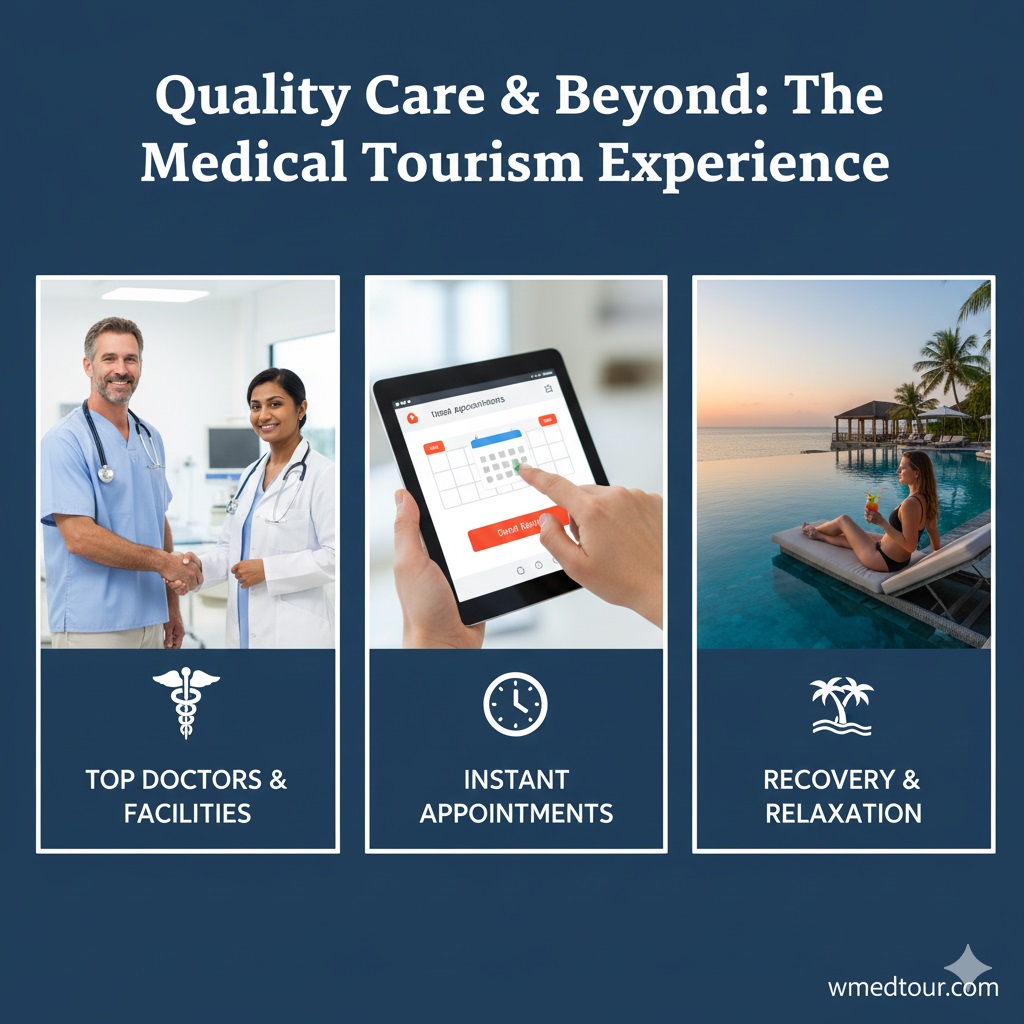
Long wait times for specialist consultations, advanced diagnostics, or elective but necessary surgeries can significantly impact a patient’s health and prognosis. Patients dealing with chronic pain or a progressing condition find the immediate scheduling available in medical tourism destinations highly attractive. The speed of service becomes a critical quality factor. Moreover, some may seek access to specialized or novel therapies, such as specific protocols for Lung Cancer Treatment in Iran, which are available faster abroad. However, patients must exercise caution and ensure these therapies meet international safety standards.
Pros and Cons of Complex Medical Tourism
- Pros: Massive savings on major surgeries and chronic disease management. Immediate scheduling for procedures that have long waiting lists in the U.S. High level of privacy and confidentiality. Access to specialized procedures like complex Brain Tumor Surgery.
- Cons: Travel during complex post-operative recovery can be risky. Navigating complex international medical regulations and insurance reimbursement is difficult. Potential legal liability issues if an unexpected complication arises post-return.
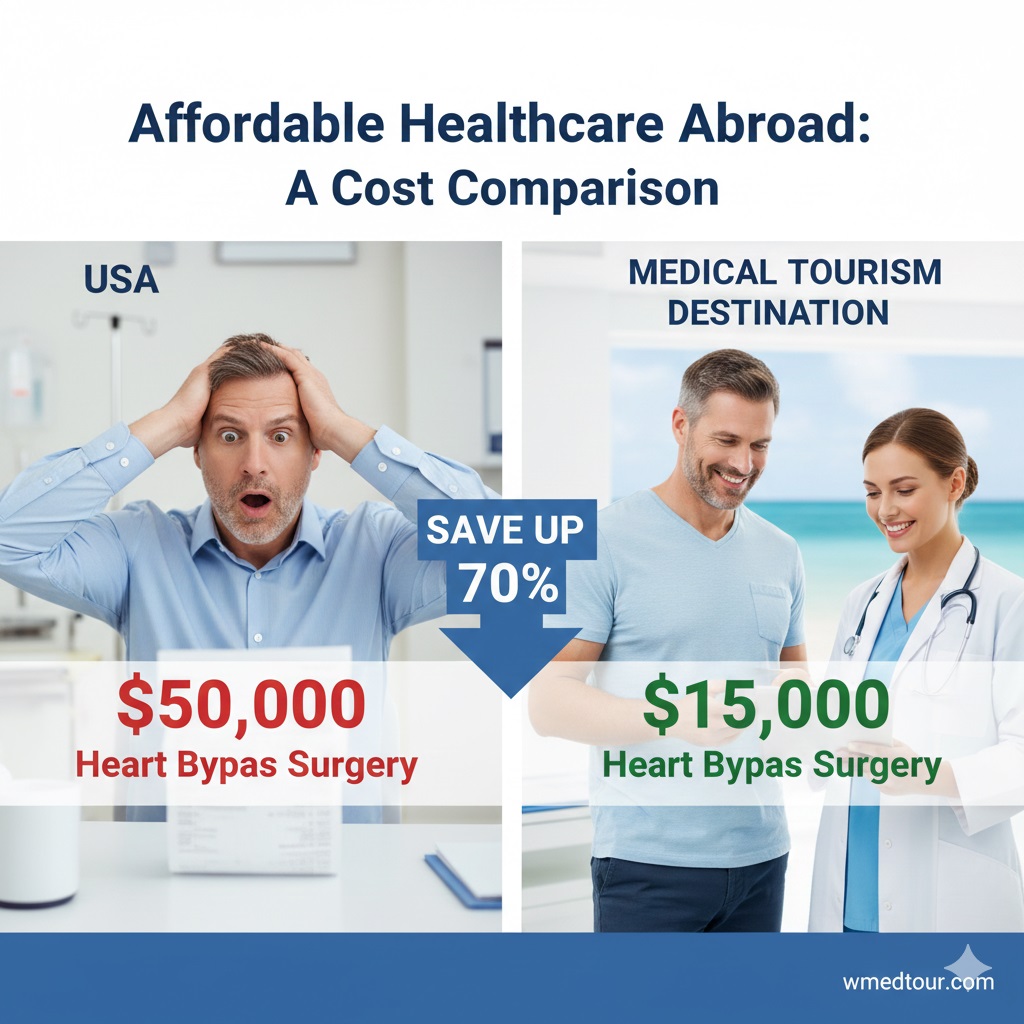
The calculation of risk vs. benefit is intense for medical treatments, but the financial difference for a major surgery, such as a Coronary Artery Bypass Graft (CABG), can be life-altering.
🇮🇷 Iran: A Premier Destination Where Americans Travel for Medical and Cosmetic Care
Among the global destinations attracting medical tourists, Iran is highly recognized for its specialized aesthetic and surgical expertise, offering exceptional value. Despite political complexities, many foreign citizens, including those with U.S. ties, are drawn to Iran because the national expertise in certain procedures is world-class, particularly in aesthetic surgeries. The country boasts highly trained physicians and surgeons, many of whom have European or U.S. training, working in modern, well-equipped hospitals.
Key Advantages for American Patients
- Aesthetic Mastery: Iran is globally competitive for Rhinoplasty, drawing patients from all over the world due to the unparalleled surgeon experience. Rhinoplasty in Iran 2025 Guide.
- Cost Efficiency: Procedures like dental implants, full-mouth restorations, and cosmetic work such as Breast Augmentation are offered at prices that are often 70%-85% lower than in the U.S.
- Specialized Care: Iran maintains high standards in specialized fields such as oncology (Hemato-Oncology in Iran) and neurosurgery, utilizing modern techniques.
Consequently, the robust healthcare infrastructure combined with low operating costs provides a compelling reason why many Americans travel for medical and cosmetic care to this region. The process is often facilitated by experienced agencies who handle visas and logistics (Medical Tourism Iran 2025 Ultimate Guide).
👤 Who is the Typical Patient Who Travels for Care?
The patient profile for Americans travel for medical and cosmetic care is evolving but consistently includes individuals facing significant financial barriers or long wait times domestically. The massive savings, high expertise, and expedited service make it a powerful choice for those facing significant healthcare hurdles domestically:
- The Under-Insured or Uninsured: Individuals lacking comprehensive dental or cosmetic coverage, or those facing high deductibles for essential medical procedures.
- The Cost-Conscious Patient: Anyone seeking to maximize their savings on elective surgeries, such as cosmetic, hair transplant, or dental veneers.
- The Patient with Time Pressure: Individuals needing immediate access to a specialist or a procedure with long waiting lists in the U.S., which is crucial for conditions like certain pediatric cancer treatments.
- The Privacy Seeker: Those who prefer to undergo significant aesthetic or medical changes discreetly, often choosing to combine recovery with international travel. This is popular for procedures like feminization surgeries.
- The Specialist Seeker: Patients requiring world-class expertise in a highly specialized niche, such as complex Advanced Brain Tumor Treatment or specific fertility procedures (IVF Abroad).
In short, the decision to seek international treatment is a rational economic and healthcare choice when the domestic system fails to deliver timely, affordable options.
📊 Comparison Table: Global Affordability vs. Quality for Medical Travelers
The decision for Americans travel for medical and cosmetic care requires balancing price, quality, and logistics. This table compares leading destinations based on typical patient priorities.
| Factor | United States 🇺🇸 | Turkey 🇹🇷 | Iran 🇮🇷 | Mexico 🇲🇽 |
|---|---|---|---|---|
| Average Cost Savings (vs. US) | 0% | 50% – 75% | 60% – 85% | 40% – 70% |
| Core Specialty | Complex Trauma, Cutting-edge Tech | Hair Transplants, Aesthetics, Bariatrics | Rhinoplasty, Dentistry, Oncology (Thyroid Cancer Treatment in Iran) | Dentistry, Weight Loss Surgery, Breast Implants |
| Wait Times | Often Long for Elective/Specialists | Minimal | Minimal | Minimal |
| Quality/Accreditation | Highest Regulatory Standards | High (JCI Accredited Centers) | High (Intl. Patient Departments) | High (Near-border facilities) |
| Visa/Travel Ease | N/A | Easy | Requires Medical Visa | Very Easy |
❓ Frequently Asked Questions (FAQ) About Why Americans Travel for Medical and Cosmetic Care
1. Is medical tourism for Americans safe?
Safety largely depends on the patient’s diligence in selecting an accredited facility and a qualified surgeon. Look for international accreditations (like JCI) and choose reputable medical tourism facilitators. Thorough preparation, including pre-travel resources (Pre-Travel Resources Checklist), is essential.
2. Will my U.S. insurance cover treatment received abroad?
Generally, no. U.S. health insurance rarely covers planned treatments or elective procedures outside the U.S. You should confirm coverage for emergency complications abroad, but expect to pay for the primary procedure out-of-pocket.
3. How does the quality of care abroad compare to the U.S.?
Many international hospitals catering to medical tourists, particularly those in countries like Iran, Turkey, and Germany, operate under similar or identical quality standards and often use the same brands of medical equipment and materials as U.S. hospitals. The cost difference is primarily due to lower administrative, labor, and malpractice costs.
4. What should I look for when choosing a country for dental implants?
Look for countries that have a specialization in cosmetic dentistry, offer transparent pricing for high-quality components, and have a clear follow-up plan for maintenance and potential adjustments. Understanding Oral Surgery options abroad is key.
5. Are there risks related to post-operative complications after returning home?
Yes. The primary risk is needing immediate follow-up care for complications after returning home. Therefore, choosing a country with high standards and a strong post-op care program is vital, and selecting a doctor familiar with procedures like Hair Transplant Revision is important if things go wrong.
6. How long must I stay abroad for cosmetic surgery?
The length of stay depends entirely on the procedure. For non-invasive dentistry (veneers), a few days may suffice. For major surgery (Tummy Tuck, Body Lift), a minimum of 7 to 14 days is recommended for initial healing and safety before flying. Consult our guide on Body Procedures for specific timelines.
7. Why do Americans travel for medical and cosmetic care for hair transplants?
In specialized countries like Turkey, clinics perform hair transplants at a very high volume. Consequently, the specialized surgeons have unparalleled experience, which often translates into superior aesthetic results and success rates (Global Hair Transplant 2025 FAQ Guide).
8. What kind of medical treatments are most commonly sought?
The most sought-after medical treatments are those with high costs and long wait times in the US, including orthopedic surgery (Total Knee Replacement) and cardiac procedures (Heart Surgery Cost 2025).
9. How do I ensure I’m receiving legal and ethical care abroad?
Confirm that the destination country has clear legal frameworks governing medical tourism. For example, check the Global Medical Treatment Regulations Guide and ensure the clinic adheres to international standards and informed consent protocols. Furthermore, always check if the hospital has international accreditation.
10. Are there specific risks for travelers seeking gender confirmation surgery abroad?
For sensitive procedures like gender confirmation surgery (Transition Surgery Guide), ensure the chosen country has clear legal support and that the surgical team has extensive experience (Transgender Surgery Legal Countries Guide). The comprehensive care package, including post-op mental health support, is critical.
11. Why is Iran so popular when Americans travel for medical and cosmetic care for nose jobs?
The high volume of procedures performed in Iran has led to exceptional national expertise and specialization in Rhinoplasty. Consequently, the combination of highly skilled surgeons and low operating costs makes it highly appealing for Americans seeking this specific aesthetic procedure.
12. Can I combine a dental trip with a full body check-up?
Yes, combining procedures is a popular trend. Many medical tourism packages now integrate check-ups (Check-Up Package Price Turkey 2025) or wellness components into the trip, allowing patients to maximize their time and travel investment.
🌟 Conclusion: A Rational Choice for Healthcare
The decision for Americans travel for medical and cosmetic care is no longer a fringe choice but a rational economic decision driven by necessity and financial prudence. The global healthcare market offers a high-quality, specialized, and dramatically more affordable alternative to the costly U.S. system. By prioritizing internationally accredited providers and utilizing experienced medical tourism facilitators, Americans can effectively manage their healthcare needs, from complex orthopedic surgeries to major aesthetic transformations, securing both their health and their financial future. The trend of Americans travel for medical and cosmetic care will only continue to grow as global standards rise and U.S. costs remain prohibitive.