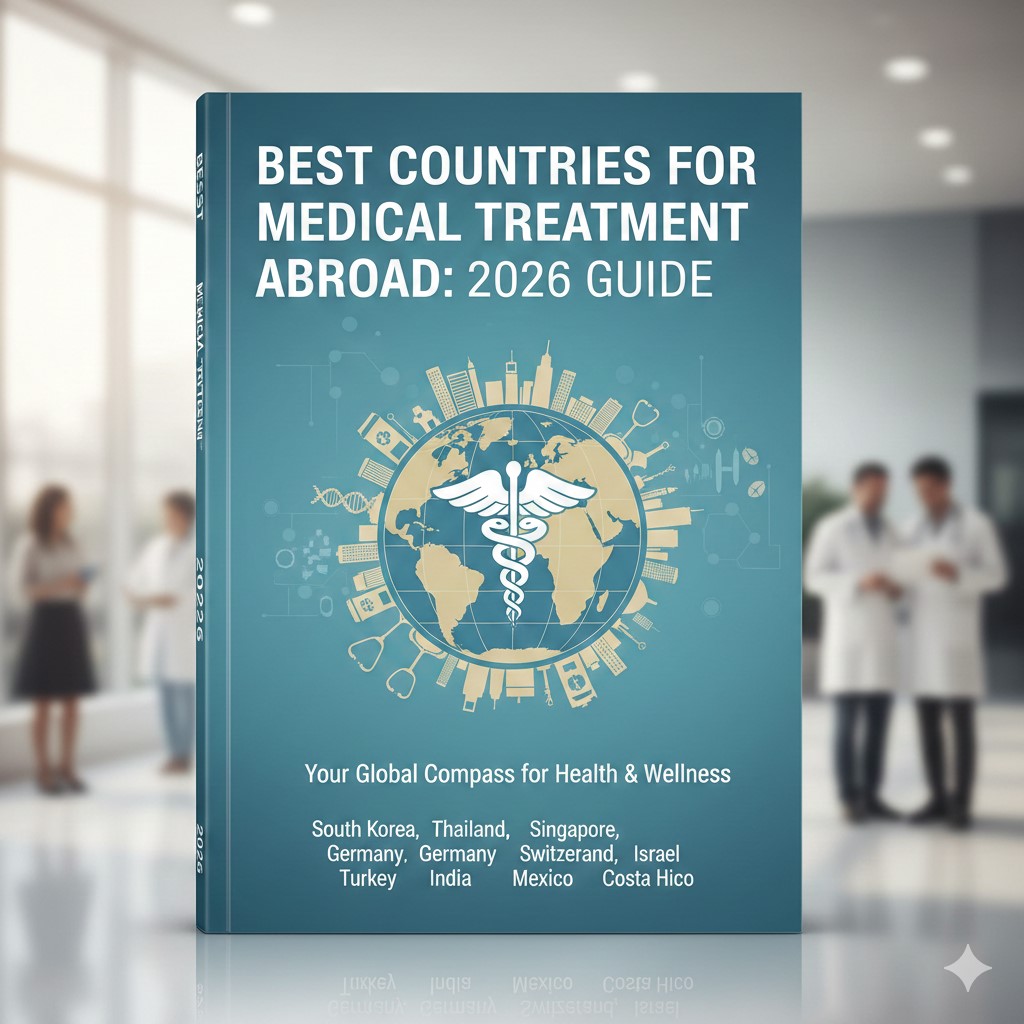
How to Choose the Best Country for Medical Treatment Abroad (Complete 2026 Guide)
Seeking medical treatment abroad has become an increasingly common choice for patients who want access to high-quality healthcare, advanced medical technologies, and more affordable treatment options. In 2026, medical tourism is no longer limited to cost-saving procedures; it now includes complex surgeries, specialized therapies, and long-term care solutions. However, choosing the right country for overseas medical treatment is a serious decision that requires careful evaluation.
This complete guide explains how to select the best country for medical treatment abroad by examining the most important medical, practical, and personal factors involved.
Understanding Your Reason for Medical Treatment Abroad
Before comparing destinations, it is essential to understand why you are considering treatment outside your home country. Some patients travel to access advanced healthcare systems, while others are motivated by shorter waiting times or specialized expertise unavailable locally. For many international patients, affordability plays a role, but it should never outweigh safety and treatment quality.
Clarifying your primary goal helps narrow down countries that align with your medical needs, expectations, and budget.
Healthcare Quality and International Medical Standards
The quality of healthcare is the foundation of any successful medical journey. Countries known for strong healthcare systems usually invest heavily in hospital infrastructure, staff training, and patient safety protocols.
When researching a destination, pay close attention to hospital accreditation, particularly international certifications such as Joint Commission International (JCI). Accredited medical centers typically follow globally accepted healthcare standards, ensuring consistent quality of care. Equally important is the country’s reputation for ethical medical practices and transparent healthcare regulations.
Medical Specialization and Treatment Expertise
Different countries have developed expertise in different medical fields. Some are internationally recognized for complex surgical procedures, while others are popular for cosmetic treatments, dental care, fertility services, or orthopedic surgery.
Choosing a country that specializes in your required medical procedure increases the likelihood of better outcomes. Specialized healthcare systems often have more experienced surgeons, advanced treatment protocols, and well-established recovery programs designed specifically for international patients.
Matching the Country to Your Medical Needs
A destination that excels in heart surgery may not be ideal for cosmetic procedures, and vice versa. Aligning your treatment type with the country’s medical strengths is one of the smartest decisions a patient can make.
Cost Transparency and Overall Medical Expenses
Affordability remains a major advantage of medical tourism, but cost should be evaluated carefully and realistically. The price of treatment abroad often includes more than just the procedure itself. Hospital stays, medications, diagnostic tests, follow-up care, accommodation, and travel expenses all contribute to the total cost.
Countries that offer transparent pricing and detailed treatment packages are generally more reliable. Hidden fees or unclear cost structures can create stress and financial uncertainty during recovery.
Doctor Qualifications and Clinical Experience
Even the most advanced hospital cannot compensate for a lack of medical expertise. The experience and qualifications of doctors play a critical role in treatment success.
Look for physicians who are board-certified, internationally trained, and experienced in treating international patients. Many reputable hospitals provide detailed doctor profiles, including education history and years of clinical practice. Reviewing real case outcomes can also help build confidence in your choice.
Communication, Language, and Patient Support
Effective communication between patients and healthcare providers is essential, especially when dealing with complex medical information. Countries that actively support medical tourism usually provide English-speaking doctors, multilingual staff, and professional medical interpreters.
Clear communication reduces misunderstandings, improves patient comfort, and ensures that treatment plans are fully understood. It also makes post-treatment instructions and follow-up care significantly easier to manage.

Travel Accessibility and Medical Visa Policies
Travel convenience can greatly affect the overall medical tourism experience. Long travel times, complicated visa processes, or limited flight availability may increase stress before and after treatment.
Many popular medical tourism destinations now offer medical visas or simplified entry procedures for international patients. These policies reflect a country’s commitment to supporting overseas healthcare travelers and can make the entire process smoother and more predictable.
Legal Framework and Patient Rights
Legal protection is an often-overlooked aspect of medical treatment abroad. Healthcare laws, malpractice regulations, and patient rights vary significantly across countries.
Before committing to treatment, research how patient complaints are handled, what legal protections exist, and whether international insurance coverage is accepted. Countries with strong healthcare governance provide an additional layer of security for foreign patients.
Recovery Conditions and Aftercare Services
Recovery is just as important as the treatment itself. A supportive environment, proper aftercare, and access to follow-up appointments can significantly influence healing and long-term results.
Many patients prefer countries that combine high-quality healthcare with comfortable recovery settings. Professional aftercare services, rehabilitation programs, and post-treatment monitoring are key indicators of a patient-focused healthcare system.
Long-Term Follow-Up Considerations
Reliable medical destinations often maintain communication with patients after they return home, offering remote consultations or guidance when needed. This continuity of care reflects a mature and responsible healthcare approach.
Patient Reviews and Real-Life Experiences
Marketing materials can be persuasive, but real patient experiences often reveal the full picture. Independent reviews, testimonials, and personal stories from previous international patients provide valuable insight into both medical quality and overall service standards.
Consistent positive feedback across multiple platforms usually indicates a trustworthy medical tourism destination.
Cultural Comfort and Personal Well-Being
Finally, personal comfort should not be underestimated. Cultural familiarity, dietary preferences, religious considerations, and general lifestyle compatibility can all affect emotional well-being during treatment and recovery.
Feeling comfortable in a foreign country contributes to reduced stress levels, which can positively impact healing and overall satisfaction with the medical experience.
Conclusion: Making a Confident Medical Tourism Decision in 2026
Choosing the best country for medical treatment abroad requires more than comparing prices or popularity rankings. It involves a careful balance of healthcare quality, medical expertise, communication, legal protection, and personal comfort.
In 2026, international medical care offers unprecedented opportunities for patients worldwide. By conducting thorough research and evaluating each factor thoughtfully, you can select a destination that provides safe, effective, and patient-centered healthcare—while ensuring peace of mind throughout your medical journey.
Frequently Asked Questions (FAQ)
1. How do I verify if a hospital’s JCI accreditation is current?
You can verify a facility’s status directly on the Joint Commission International (JCI) official website under their “Find Accredited Organizations” database. Always check the expiration date, as accreditations must be renewed every three years to ensure the hospital still meets rigorous safety and quality standards.
2. Should I book my treatment through a medical tourism agency or directly with the hospital?
Medical tourism agencies (facilitators) can simplify logistics like flights, visas, and translation. However, booking directly with a hospital’s International Patient Department often provides more transparency regarding costs and direct access to your surgical team. If using an agency, ensure they are certified and transparent about their commission structure.
3. Will my domestic health insurance cover treatment in another country?
Most standard domestic plans do not cover elective procedures abroad. However, some premium international plans or employer-provided policies have “Global Care” extensions. Always contact your provider first. Even if they don’t cover the surgery, you should purchase specialized medical travel insurance to cover complications or travel-related medical emergencies.
4. How long should I plan to stay in the country after my procedure?
This depends entirely on the surgery type. For dental implants, 3–5 days might suffice; for major orthopedic or cardiac surgery, you may need 2–4 weeks. You must be cleared for “Fit to Fly” by your surgeon to avoid risks like Deep Vein Thrombosis (DVT).
5. What happens if I experience complications after returning home?
This is a critical consideration. Before leaving, establish a Continuity of Care plan. Ask your foreign surgeon if they can coordinate with your local GP. Some top-tier international hospitals offer “Complication Insurance” packages that cover the costs of returning for corrective treatment if necessary.
6. Are medical records easily transferable across borders in 2026?
Most modern hospitals now use digital health portals. Ensure you receive a full digital copy of your Operative Report, Discharge Summary, and Diagnostic Images (DICOM files) in English. Having these on a secure cloud drive or USB is essential for your local doctors to provide accurate follow-up care.
7. Which countries are currently leading in specific medical fields for 2026?
While rankings shift, current trends show:
Thailand & South Korea: Leaders in advanced plastic surgery and health screenings.
India & Turkey: High-volume centers for cardiovascular surgery and hair transplants.
Mexico & Costa Rica: Top destinations for high-quality dental work and bariatric surgery.
Germany & Spain: Preferred for advanced oncology (cancer) treatments and complex orthopedics.