Best Country for Open Heart Surgery in 2026: A Comprehensive Patient Guide
Deciding where to have open heart surgery is a major choice for anyone facing a complex cardiac condition. People often choose to travel abroad, also known as medical tourism, to find a balance between high-quality care and affordable costs. This detailed guide explores the best countries for open heart surgery in 2026, providing insights into costs, hospital standards, and what you should expect as a patient.
Why Medical Tourism for Cardiac Surgery?
Patients increasingly turn to medical tourism for a variety of compelling reasons. Firstly, the cost of open heart surgery in developed nations like the United States or Western Europe can be exorbitant, sometimes exceeding $100,000. For many, this price is simply out of reach. In contrast, many countries offer the same procedures at a fraction of the cost, making life-saving treatments accessible. Furthermore, a number of these nations have invested heavily in their healthcare infrastructure, consequently boasting state-of-the-art facilities and highly skilled surgeons. Finally, some patients seek out specialized care or specific types of procedures that may not be readily available in their home country, which further drives the decision to travel for treatment.
Key Factors to Consider Before You Travel
Before you commit to traveling for a medical procedure, it’s absolutely essential to do your research. You should carefully consider several factors to ensure a safe and successful experience. For instance, the reputation of the hospital and the surgeon’s experience are paramount. You must also check that the hospital holds international accreditations like JCI (Joint Commission International). Additionally, understanding the full cost of the procedure—including pre-operative tests, post-operative care, and accommodation—is crucial for financial planning. Furthermore, you should assess the country’s visa requirements and the language barrier, as these can impact your stay. Ultimately, a little bit of planning goes a long way in ensuring a smooth and stress-free medical journey. Medical Tourism Association offers valuable resources to help you with this process.
Leading Destinations for Open Heart Surgery in 2026
The medical tourism landscape is constantly evolving, with new countries emerging as top contenders each year. In 2026, several nations stand out for their combination of quality, affordability, and patient support. India, for example, remains a global leader, recognized for its advanced cardiac centers and competitive pricing. Similarly, Turkey has gained prominence thanks to its cutting-edge hospitals and highly trained surgeons. Mexico and Thailand also continue to be popular choices, offering excellent care in well-regarded facilities. Patients considering these options will find that each country presents a unique set of benefits, making it possible to find a destination that perfectly suits their needs.
Iran: A Rising Star in Cardiac Care
Iran has quietly emerged as a significant player in the medical tourism sector, particularly for cardiac surgeries. Its reputation is growing because of its highly experienced surgeons, many of whom have been trained internationally. The country’s private hospitals are equipped with modern technology and offer a high standard of care comparable to Western facilities. Critically, the cost of procedures in Iran is exceptionally low when compared to other major medical tourism hubs. This affordability, combined with the quality of care, makes Iran an attractive option for many patients. The country’s infrastructure for medical tourists is also improving, with services like Wmedtour dedicated to facilitating patient journeys from beginning to end. Ariamedtour, for instance, provides extensive services for international patients. [cite_start]Patients can find a variety of heart surgery procedures, including Coronary Artery Bypass Grafting (CABG) [cite: 213] [cite_start]and Valve Repair or Replacement [cite: 243] with top doctors in Iran.
Comparison of Costs: Open Heart Surgery Abroad
Cost is often the most significant factor in a patient’s decision-making process. The table below provides a general overview of the estimated costs for open heart surgery in some of the most popular medical tourism destinations. Please note that these figures are approximate and can vary based on the specific hospital, surgeon’s fees, and the complexity of the procedure.
| Country | Average Cost (USD) | Key Advantages | Drawbacks |
|---|---|---|---|
| Iran | $5,000 – $15,000 | Highly affordable, expert surgeons, modern hospitals, Wmedtour support | Visa process can be complex |
| India | $7,000 – $18,000 | Established hub, JCI-accredited hospitals, vast doctor network | Language and cultural differences, travel logistics |
| Turkey | $10,000 – $25,000 | Advanced technology, experienced doctors, convenient travel | Higher cost than some Asian destinations |
| Mexico | $15,000 – $30,000 | Proximity to the US, quality care, language accessibility | Variable costs and quality, safety concerns |
| Thailand | $20,000 – $40,000 | Luxurious facilities, excellent patient experience, strong tourism industry | Higher cost, travel time for Western patients |
Patient Guide: Your Journey from Consultation to Recovery
Planning for a major surgery abroad requires a structured approach. First, the initial consultation process is vital. This often involves sending your medical records and diagnostic images to an international hospital for review. Next, the hospital team will provide a treatment plan and a cost estimate. Once everything is confirmed, you can proceed with booking your travel and accommodation. Remember, the journey doesn’t end after surgery; a successful recovery is essential. Most international hospitals offer post-operative care and rehabilitation services to ensure a smooth transition back to your home country. This entire process is made much simpler when you have a reliable medical tourism facilitator on your side.
The Importance of a Medical Tourism Facilitator
Navigating the complexities of international medical travel can be challenging. A medical tourism facilitator, like Wmedtour, acts as your guide, simplifying the entire process. They assist with everything from finding the right hospital and surgeon to arranging travel, visas, and accommodation. Furthermore, they can help with communication between you and the medical staff, ensuring no detail is lost in translation. Their services often include airport transfers and a dedicated local contact to support you during your stay. Therefore, working with a professional facilitator can significantly reduce stress and help you focus on what truly matters: your health. [cite_start]Wmedtour offers a range of services for specialized treatments, including Aortic Surgery [cite: 198] [cite_start]and Pediatric Cardiac [cite: 238] [cite_start]care, ensuring you receive the best care possible[cite: 149].
How to Prepare for Your Medical Trip
Simple Steps for a Successful Medical Journey
Step 1: Research and Selection
Begin by researching potential countries and hospitals. Read patient reviews and check for international accreditations. Compare costs and success rates. Utilize a resource like the World Health Organization for global health standards. This initial step is critical for making an informed decision.
Step 2: Medical Consultation and Planning
Contact a medical tourism company like Wmedtour. Share your medical records for a remote consultation. You will receive a personalized treatment plan and a clear cost estimate. This stage finalizes the medical aspect of your trip. Consider getting a second opinion from a source like Mayo Clinic to feel confident in your decision.
Step 3: Logistics and Travel Arrangements
Once your treatment is confirmed, organize your passport, visa, and flight tickets. Arrange for accommodation, keeping in mind that you may need an extended stay for post-operative recovery. Wmedtour can assist with all of these travel arrangements, ensuring a seamless experience.
Step 4: The Surgical Procedure and Recovery
Upon arrival, you will undergo pre-operative tests and meet your medical team. The surgery will be performed, followed by a period of in-hospital and outpatient recovery. Follow all instructions carefully, and use the on-site support provided by your facilitator. For more information on recovery, visit a site like American Heart Association.
Visit wmedtour.com for a Free Consultation and Personalized Plan
Frequently Asked Questions about Open Heart Surgery Abroad
What is the cost of open heart surgery in India?
The cost of open heart surgery in India typically ranges from $7,000 to $18,000. This is significantly more affordable than in countries like the United States, where the same procedure can cost over $100,000. These costs are a major reason why India is a popular medical tourism destination.
How do I choose the right hospital for cardiac surgery?
To choose the right hospital, you should look for international accreditations such as JCI, and research the hospital’s specialization in cardiac care. Also, read patient testimonials and check the surgeon’s credentials. Furthermore, you can consult with a medical tourism facilitator for expert guidance and recommendations tailored to your specific needs.
What are the benefits of having surgery in Iran?
Iran offers several benefits for medical tourists, including highly affordable costs for advanced procedures. The country has modern, well-equipped hospitals and highly experienced surgeons. Patients also benefit from comprehensive support services from medical tourism companies like Wmedtour, which simplifies the entire process.
Is it safe to travel for open heart surgery?
Traveling for surgery is generally considered safe, provided you choose a reputable and accredited hospital. It’s important to research the hospital’s track record and the surgeon’s experience. Engaging a professional medical tourism facilitator also adds an extra layer of safety and ensures all logistical aspects are handled professionally.
What types of cardiac surgeries are available abroad?
A wide range of cardiac surgeries are available abroad, from common procedures to highly specialized ones. This includes procedures like Coronary Artery Bypass Grafting (CABG), valve repair or replacement, arrhythmia surgery, and even complex procedures like heart transplants. Many hospitals also offer minimally invasive options to reduce recovery time.
How long is the recovery period for open heart surgery?
The recovery period for open heart surgery varies from person to person. Typically, patients stay in the hospital for about a week after surgery. Full recovery, including the ability to resume normal activities, can take anywhere from six weeks to three months. A proper rehabilitation program is crucial for a successful and timely recovery.
Do I need a visa to travel for medical treatment?
Yes, in most cases, you will need a specific medical visa to travel for treatment. The requirements vary by country and your nationality. A medical tourism facilitator can help you navigate the visa application process, ensuring you have all the necessary documents and meet the specific criteria for your chosen destination.
Are the surgeons certified and experienced?
Yes, reputable hospitals in medical tourism hubs employ highly qualified surgeons who are often internationally trained and certified. They have extensive experience in performing a wide range of cardiac procedures. A medical tourism facilitator can provide you with detailed profiles of the surgeons and their qualifications.
What is included in the package cost?
Package costs usually include the surgeon’s fees, hospital stay, and basic pre-operative and post-operative care. However, they may not cover all expenses. You should always clarify what is included, such as flights, accommodation, and extra days of hospitalization. A clear breakdown helps avoid any unexpected costs.
How do I communicate with the medical staff?
Many major medical tourism hospitals have dedicated international patient departments with English-speaking staff. Furthermore, medical tourism facilitators provide interpreters to ensure seamless communication between you and your medical team, from the initial consultation to your final check-up.
What is JCI accreditation?
JCI stands for Joint Commission International. It is a globally recognized non-profit organization that certifies healthcare providers for meeting rigorous standards of quality and patient safety. Hospitals with JCI accreditation are considered to be on par with the world’s leading medical facilities.
Will my insurance cover surgery abroad?
Most domestic insurance policies do not cover medical procedures performed abroad. However, some insurance companies offer specific medical tourism plans. It’s crucial to check with your insurance provider directly before making any arrangements to understand your coverage options.
How long should I plan to stay in the country?
It is generally recommended to plan for an extended stay of two to three weeks. This duration allows for pre-operative tests, the surgery itself, and adequate post-operative recovery before you are cleared to fly home. Always consult your surgeon for their specific recommendation.
What is the cost of a heart transplant abroad?
Heart transplant costs vary significantly by country. In medical tourism destinations, they can be much lower than in Western nations. For instance, a heart transplant in a country like India or Turkey could be a fraction of the cost in the US. However, this is a highly complex procedure, and a detailed consultation is necessary for an accurate quote. is a type of specialized care we can help you with.
How do I find a reputable medical tourism facilitator?
Look for facilitators with a strong track record, positive patient reviews, and affiliations with accredited hospitals. Check if they offer a comprehensive service that includes logistical support, language services, and a dedicated patient coordinator. A good facilitator will be transparent about costs and have a clear communication process.
What about the quality of care in destinations like India?
India has a well-established reputation for high-quality healthcare. Many of its top hospitals are equipped with the latest medical technology and have JCI accreditation. The country’s surgeons are often highly skilled and have extensive experience, attracting patients from around the globe for complex procedures.
Can I bring a family member with me?
Yes, bringing a family member or companion is highly recommended. Not only does it provide emotional support, but it also helps with daily tasks and logistics. Many hospitals and facilitators offer services to accommodate your companion, including arranging their accommodation and travel documents.
What post-operative care is provided?
Post-operative care is a crucial part of your treatment. After surgery, you will be closely monitored in the hospital. The medical team will provide instructions for wound care, medication, and a rehabilitation plan. Many facilitators also offer remote follow-up consultations once you return home to ensure a smooth recovery. [cite_start]Our rehabilitation services are designed to help you regain function and independence[cite: 15].
How do I get my medical records to the hospital abroad?
Getting your medical records to a hospital abroad involves a few careful steps to ensure your documents are complete, accurate, and accepted internationally. Here’s a thorough guide:
1. Gather All Relevant Medical Records
You’ll typically need:
- Medical history: Diagnoses, past surgeries, allergies, chronic conditions.
- Lab results and imaging: Blood tests, X-rays, MRIs, CT scans, ultrasound reports.
- Medications: Current prescriptions and dosages.
- Doctor’s notes: Consultation reports, progress notes, discharge summaries.
Tip: Make sure your records are recent (usually within the last 6–12 months).
2. Request Official Copies from Your Providers
- Contact your hospital or clinic’s medical records department.
- Ask for “complete copies for international use”. Some hospitals have specific forms for this.
- Specify digital (PDF) or paper copies, depending on the hospital abroad’s requirements.
- Some countries may require sealed and signed records or authenticated copies for formal submission.
3. Translate Your Records (if needed)
- Most international hospitals accept records in English.
- Use a certified medical translator to translate lab results, imaging reports, and doctor notes.
- Keep both original and translated copies.
4. Get Records Certified or Notarized (if required)
Some hospitals, especially for surgery approvals or insurance purposes, may ask for:
- Notarized copies: A notary confirms that the copy is authentic.
- Apostille: For certain countries under the Hague Apostille Convention, this legally authenticates documents for international use.
5. Send Records Securely
Depending on the hospital’s preference, you can send records by:
Digital methods:
- Secure email: Many hospitals have encrypted portals.
- Hospital patient portals: Some hospitals allow you to upload documents directly.
- File-sharing services: Only if approved (Dropbox, Google Drive, etc.) and ensure encryption.
Physical methods:
- Courier or postal service: Send original or notarized copies via DHL, FedEx, or UPS.
- Track delivery and keep receipts.
6. Confirm Receipt
- Always confirm with the hospital that your documents were received and are complete.
- Ask if additional documents or forms are needed.
7. Keep Backup Copies
- Retain digital and physical copies for your records.
- Consider keeping USB drives or secure cloud backups.
💡 Pro tip: Some international medical tourism platforms (like wmedtour.com) can handle sending and verifying records for you. This can simplify the process and ensure your documents meet hospital standards abroad.
If you want, I can make a step-by-step checklist specifically for sending records to hospitals abroad, including what documents, translations, and certifications are usually required for surgery approvals. It’ll save you a lot of back-and-forth.
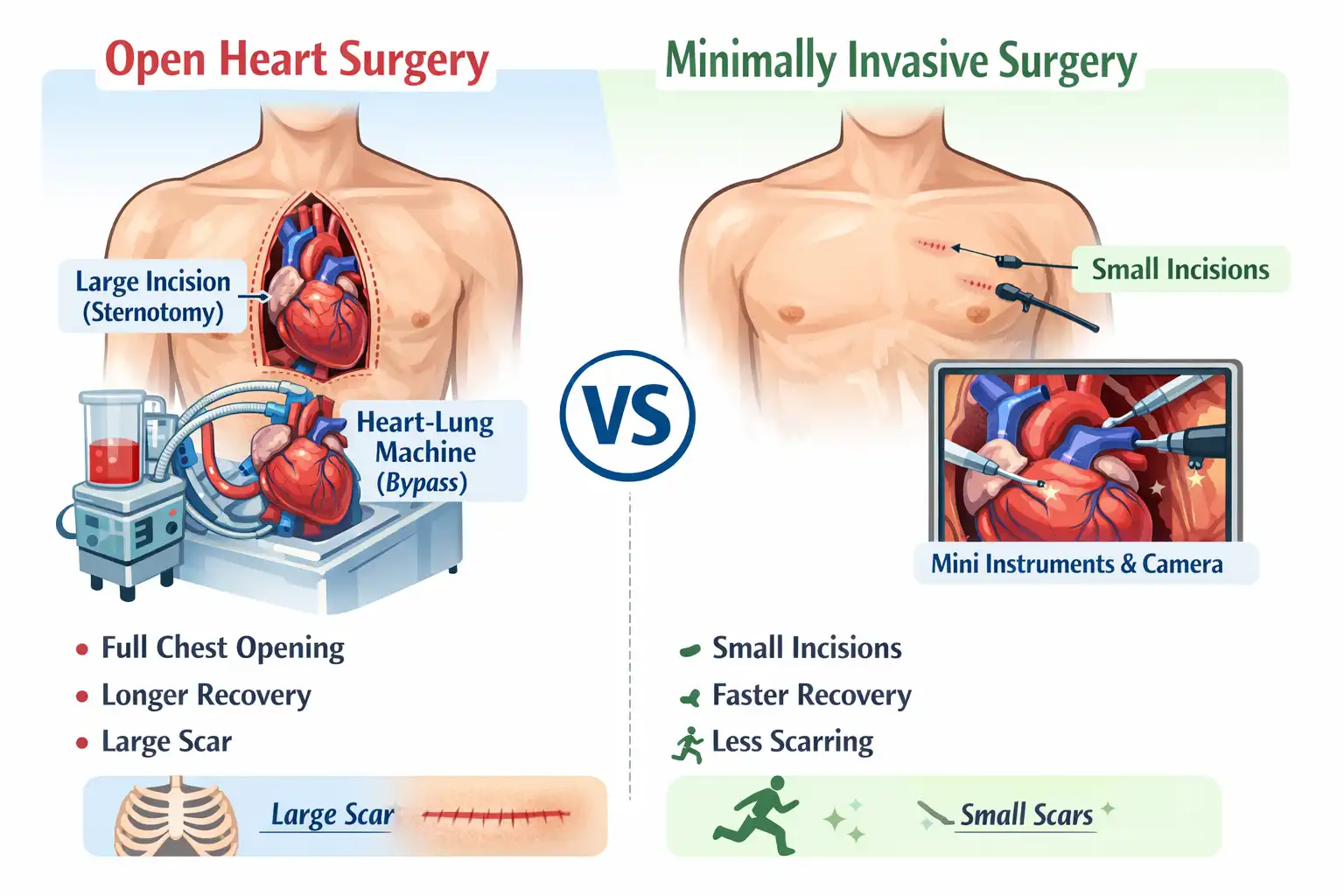
What is the difference between open heart and minimally invasive surgery?
Let’s break this down carefully, because the difference is more than just “size of incision.” I’ll explain step by step, including why a patient or surgeon might choose one over the other.
1️⃣ Open Heart Surgery
Definition:
A traditional surgical approach where the chest is opened to access the heart directly. Usually involves a median sternotomy — the surgeon cuts through the breastbone to fully expose the heart.
Key Features:
- Incision: Large, typically 6–10 inches across the chest.
- Heart access: Full direct view, often the heart is stopped and a heart-lung bypass machine is used.
- Recovery: Longer — hospital stay ~7–10 days, full recovery can take 2–3 months.
- Examples:
- Coronary artery bypass grafting (CABG)
- Valve replacement or repair
- Complex congenital heart repairs
Pros:
- Complete access allows complex procedures
- Easier for surgeons to handle emergencies during surgery
- Gold standard for high-risk or multiple simultaneous procedures
Cons:
- Large scar
- More pain and longer recovery
- Higher risk of infections, bleeding, and complications compared to minimally invasive approaches
2️⃣ Minimally Invasive Heart Surgery
Definition:
A surgical approach where the heart is accessed through smaller incisions (3–6 inches or less), often between the ribs, without fully opening the breastbone.
Key Features:
- Incision: Small, often on the right side of the chest, sometimes robotic-assisted.
- Heart access: Heart may be stopped or beating depending on procedure; sometimes bypass machine is still used.
- Recovery: Faster — hospital stay ~3–5 days, full recovery can take 4–6 weeks.
- Examples:
- Mitral valve repair
- Some coronary bypasses (single or double vessel)
- Atrial septal defect closure
Pros:
- Smaller scar → better cosmetic outcome
- Less pain, quicker recovery
- Lower risk of infection and blood loss
Cons:
- Not suitable for very complex or multiple procedures
- Longer surgery time in some cases
- Requires surgeons with specialized training and equipment
3️⃣ Summary Table
| Feature | Open Heart Surgery | Minimally Invasive Surgery |
|---|---|---|
| Incision | Large, chest open | Small, often side chest or robotic |
| Recovery | 2–3 months | 4–6 weeks |
| Pain | More | Less |
| Scar | Large | Small |
| Complexity Allowed | Very high | Moderate (some complex cases possible) |
| Bypass Machine | Usually required | Sometimes required |
| Suitability | High-risk, multiple procedures | Selected patients, single procedures |
4️⃣ Bottom line
- Open heart: full exposure, safer for very complex problems, longer recovery.
- Minimally invasive: less trauma, smaller scar, faster recovery, but limited to less complex cases and highly skilled surgeons.
✅ Many patients now ask about minimally invasive options for valve repair or bypass if eligible — it’s often marketed as “quicker recovery with less pain.”
If you want, I can also make a simple diagram comparing open vs minimally invasive surgery, perfect for your wmedtour.com blog. It helps international patients visualize the difference instantly.