

Neuro Oncology deals with some of the most complex and challenging cancers affecting the brain and nervous system. For patients seeking advanced, compassionate, and affordable
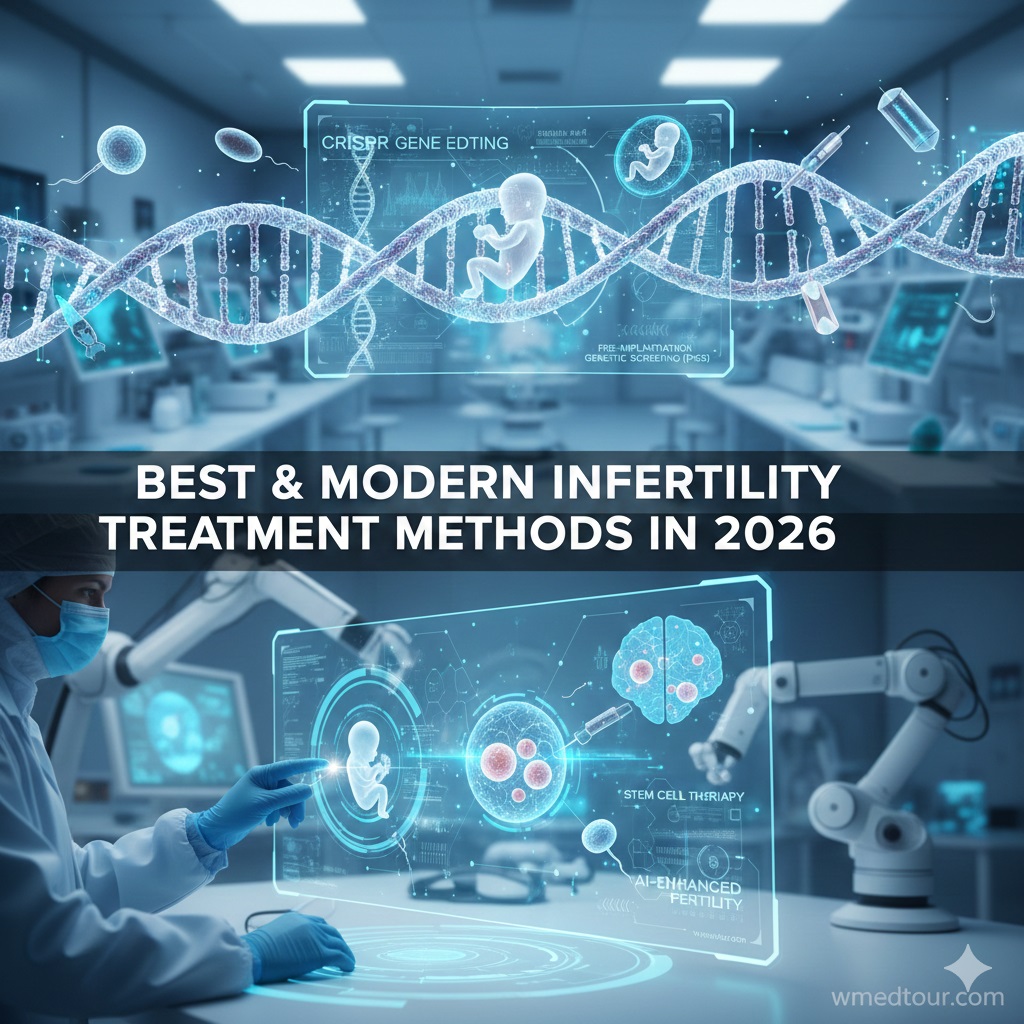
The landscape of reproductive medicine is undergoing a profound transformation. In 2026, the convergence of Artificial Intelligence (AI) and advanced Preimplantation Genetic Testing (PGT) is defining the best and modern infertility treatment methods in 2026. Treatment is shifting away from a one-size-fits-all model toward hyper-personalized, data-driven pathways.
Specifically, this guide explores the groundbreaking integration of AI for embryo selection and cycle management, the rise of Non-Invasive PGT (niPGT), and the continued evolution of cryopreservation. IVF Success Rates by Age are being significantly influenced by these technological leaps. Consequently, patients today have access to safer, more efficient, and more successful treatments than ever before. We will detail the mechanics, benefits, and global accessibility of these cutting-edge techniques.
Artificial Intelligence (AI) is arguably the most transformative technology shaping the best and modern infertility treatment methods in 2026. Previously, AI was limited to laboratory tasks, but today, it is an integral part of the entire fertility journey, creating what experts call “Precision Fertility.”
In addition, the traditional method of embryo selection relied heavily on the manual, subjective assessment of morphology by embryologists. However, AI algorithms, such as the new BELA system, analyze vast datasets from time-lapse imaging and clinical records, identifying subtle, non-visual biomarkers that are imperceptible to the human eye. Consequently, this allows for a far more objective and accurate prediction of implantation potential. Studies indicate that AI-based tools are achieving prediction accuracy rates of up to 75% in some centers, providing unprecedented objectivity in the lab. A systematic review and diagnostic meta-analysis confirms the potential of AI in enhancing clinical outcomes and improving decision-making.
The application of AI extends far beyond the embryo. Furthermore, AI is now used to analyze patient-specific data—including genetics, hormone levels, and medical history—to design truly customized treatment protocols. This means a more tailored approach to ovarian stimulation and medication dosing. For example, AI predicts patient-specific responses, optimizing the follicular development phase and reducing the risk of ovarian hyperstimulation syndrome (OHSS). Moreover, it assists in the precise timing of frozen embryo transfers, using predictive analytics to ensure the uterine lining (endometrial receptivity) is perfectly synchronized with the embryo’s developmental stage. This innovation directly supports improved clinical outcomes, tackling Recurrent Implantation Failure with data-driven precision.
While the benefits of AI are vast, the integration of these tools into reproductive medicine raises several critical ethical debates that are a central part of the discussion around the best and modern infertility treatment methods in 2026. The issue of the “black box” is paramount, referring to the lack of transparency in how complex algorithms arrive at their decisions. This lack of explainability raises serious concerns regarding accountability when errors occur. Moreover, algorithmic bias is a risk; if the historical data used to train the AI over-represents one demographic, the resulting predictions may discriminate against other patient groups, exacerbating existing health inequities. Therefore, regulators are pushing for greater transparency and robust ethical frameworks to ensure patient autonomy is protected and that clinical responsibility remains with the human specialist.
| Advantage | Disadvantage/Challenge |
|---|---|
| Objective Embryo Selection: Reduces human subjectivity, leading to a higher likelihood of selecting the most viable embryo for transfer. | Data Dependency: The system’s accuracy is wholly dependent on the quality and diversity of the data used to train the algorithm. |
| Personalized Protocols: Optimizes medication and cycle timing, which can minimize side effects and improve efficiency. | Black Box/Transparency: Opaque decision-making processes complicate accountability and informed consent. |
| Improved Predictive Power: Can analyze thousands of morphokinetic data points from time-lapse incubators simultaneously. | Cost and Access: High-end AI tools require significant capital investment, potentially limiting initial access. |
Preimplantation Genetic Testing (PGT) remains a cornerstone of the best and modern infertility treatment methods in 2026, allowing couples to screen embryos for chromosomal abnormalities (PGT-A) or specific inherited diseases (PGT-M) prior to transfer. The latest research strongly reinforces its utility, particularly for women of advanced maternal age, suggesting PGT-A can nearly double the odds of a live birth compared to conventional IVF.
The most significant leap in PGT is the refinement of Non-Invasive PGT (niPGT). Traditionally, PGT required a trophectoderm (TE) biopsy—a micro-surgical procedure where a few cells are removed from the blastocyst, raising Ethical Considerations in PGT and carrying a minimal risk of harm to the embryo. In contrast, niPGT analyzes the cell-free DNA (cfDNA) that the embryo naturally releases into its surrounding culture medium (Spent Culture Medium, or SCM).
Certainly, the non-invasive nature of this technique is highly appealing. Furthermore, optimized niPGT workflows are now demonstrating impressive results. One recent study showed a specific protocol achieving an accuracy of 91.3% and a positive predictive value (PPV) of 92.1% in aneuploidy detection, outperforming conventional PGT-A in optimized workflows. Consequently, this high level of accuracy, achieved without embryo manipulation, positions niPGT as a game-changer. Nonetheless, it is important to exercise caution. Some experts, while optimistic about niPGT’s promise, still regard it as an investigational tool, not yet a complete replacement for the gold-standard biopsy for all high-risk patients (like those with recurrent implantation failure). The key for 2026 is the ongoing, multi-center validation of these promising protocols. Patients interested in this gentler method should specifically seek out clinics employing the most rigorously validated, state-of-the-art niPGT techniques.
Note on PGT-M: Screening for monogenic disorders (PGT-M) has also benefited from enhanced sequencing technologies. Moreover, the combination of next-generation sequencing and AI-powered bioinformatics is making the detection of rare single-gene disorders faster and more robust, offering crucial family planning options for couples at risk.
Beyond AI and PGT, several other treatment methods have evolved significantly to improve patient outcomes in 2026. These approaches are often used in conjunction with IVF to address specific causes of infertility.
Cryopreservation is vital for modern fertility care, enabling elective fertility preservation options and Frozen Embryo Transfer (FET) cycles. Indeed, the technique of vitrification—ultra-rapid freezing—is now highly standardized, offering extremely high survival rates for eggs and embryos. Significantly, modern protocols are focusing on enhanced cryoprotectants and ultra-sensitive thawing procedures that virtually eliminate ice crystal formation, preserving the cellular integrity of the eggs and embryos like never before. This technical excellence not only supports high success rates for IVF but also underpins the growing field of social egg freezing, detailed further in our Oocyte Cryopreservation Guide.
In addition to technical advancements, simplifying the patient experience is a hallmark of personalized care in 2026. New protocols, such as the Medroxyprogesterone Acetate (MPA) protocol, utilize oral medications instead of injections for preventing premature ovulation during stimulation. This leads to fewer injections, fewer monitoring appointments, and lower medication costs, often saving patients thousands of dollars per cycle. Consequently, these simplified approaches align directly with patient preferences for reduced stress and complexity, particularly in freeze-all cycles where immediate fresh transfer is not planned.
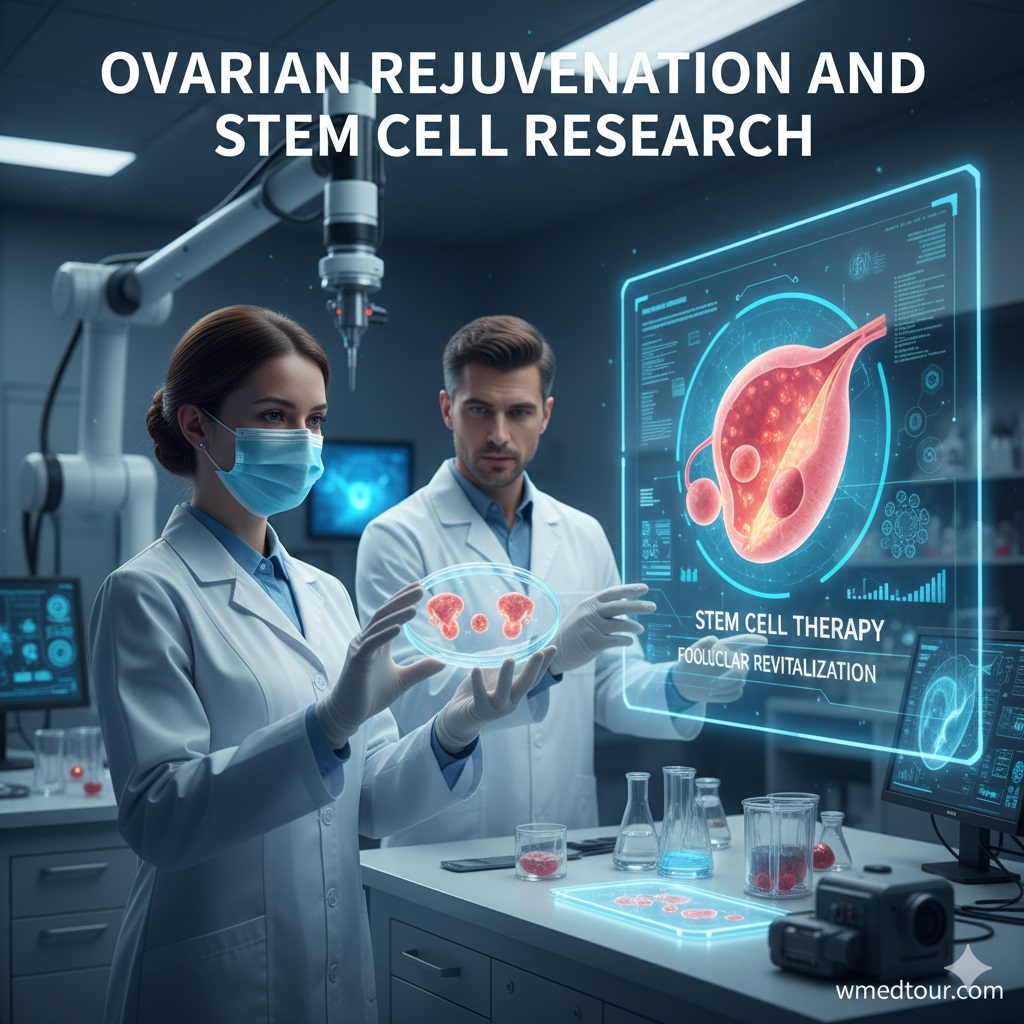
For women with diminished ovarian reserve (DOR), traditional IVF success rates are historically low. Consequently, Ovarian Rejuvenation techniques, often involving the injection of autologous platelet-rich plasma (PRP) into the ovaries, are gaining traction. Specifically, this method aims to stimulate dormant ovarian stem cells and follicular development. While still considered experimental in many regions, the preliminary data is promising for select patient groups, offering renewed hope for those tackling low ovarian reserve without the immediate need for donor eggs. Stem cell research, similarly to sperm freezing for men, continues to open possibilities for generating healthy gametes (eggs and sperm) in the lab, though this is a long-term prospect for 2026.
| Treatment Method | Primary Mechanism | Key 2026 Advancement | Suitable For (Core Use) |
|---|---|---|---|
| AI-IVF | Personalized hormonal protocols & objective data-driven embryo selection. | Integration across the entire cycle (medication, timing, and selection). | Most IVF patients seeking to maximize success and personalization. |
| PGT-A (Invasive) | Biopsy of trophectoderm cells to screen for aneuploidy (chromosome count). | Rapid sequencing and highly accurate mosaicism detection algorithms. | Advanced maternal age, recurrent miscarriage, prior IVF failure. |
| niPGT (Non-Invasive) | Analysis of cell-free DNA (cfDNA) in the culture medium. | Validated workflows demonstrating over 90% accuracy in specific protocols. | Patients seeking minimal embryo handling/lower invasiveness (investigational in some centres). |
| Simplified Protocols (e.g., MPA) | Uses oral medication to simplify ovarian stimulation and reduce monitoring. | Significantly reduced patient cost, complexity, and number of injections. | Patients undergoing egg freezing or IVF with planned freeze-all cycles. |
While the technology for the best and modern infertility treatment methods in 2026 is becoming more sophisticated, access remains a significant challenge globally. The high cost of adopting AI platforms, time-lapse incubators, and advanced genetic sequencing adds substantially to the total treatment price. Therefore, many couples still turn to international fertility tourism to find high-quality, cost-effective care. This shift highlights a major ethical consideration: how to ensure equitable access to these life-changing technologies.
Countries like the USA and parts of Western Europe offer the highest penetration of the very latest AI and PGT methods, but often at the highest prices. In contrast, certain emerging fertility hubs have successfully merged advanced technology with comparatively lower costs. The Cost of IVF Globally is highly variable.
Specifically, Iran has solidified its position as one of the best countries in the Middle East and Asia for fertility treatment, offering a remarkable blend of highly skilled specialists, modern technology, and affordability. Iran’s fertility clinics provide cutting-edge IVF, ICSI, and sophisticated genetic screening techniques (PGT-A/M) at a fraction of the cost found in Western nations. Furthermore, the national investment in medical infrastructure has ensured that Iranian fertility centers are often equipped with modern laboratory equipment necessary to carry out the complex procedures associated with the best and modern infertility treatment methods in 2026, including the integration of time-lapse imaging and advanced cryopreservation (Advanced Cryopreservation Techniques). Their commitment to evidence-based practice and high ethical standards makes them a destination of choice for international patients. To learn more about this destination, see our Iran Fertility Travel Guide.
The best and modern infertility treatment methods in 2026 are designed to help a broad spectrum of patients. In essence, these technologies are most beneficial for two main groups:
Specifically, the AI system analyzes thousands of data points from the embryo’s development in the incubator, using time-lapse videos and images. It looks at complex morphokinetic parameters (e.g., precise timing of cell divisions, cell fragmentation) and correlates them with known successful pregnancy outcomes from vast datasets. Therefore, it provides an objective, highly accurate score of viability, assisting the embryologist’s final decision.
In contrast to previous years, niPGT has significantly improved, with some validated protocols showing accuracy over 90%. However, for all high-risk patients, it is currently considered an excellent, non-invasive screening tool. Clinicians often still rely on the more established, invasive PGT-A (Genetic Counseling for IVF is advised here) as the gold standard, especially for cases of recurrent failure, due to the need for more large-scale, randomized clinical trials to fully prove niPGT’s equivalence.
Certainly, the biggest breakthrough is personalized medicine, driven by AI. Instead of using standard dosages, AI models predict an individual patient’s response to different Hormonal Stimulation Protocols and adjust medication doses in real-time, significantly minimizing side effects and improving egg yield quality.
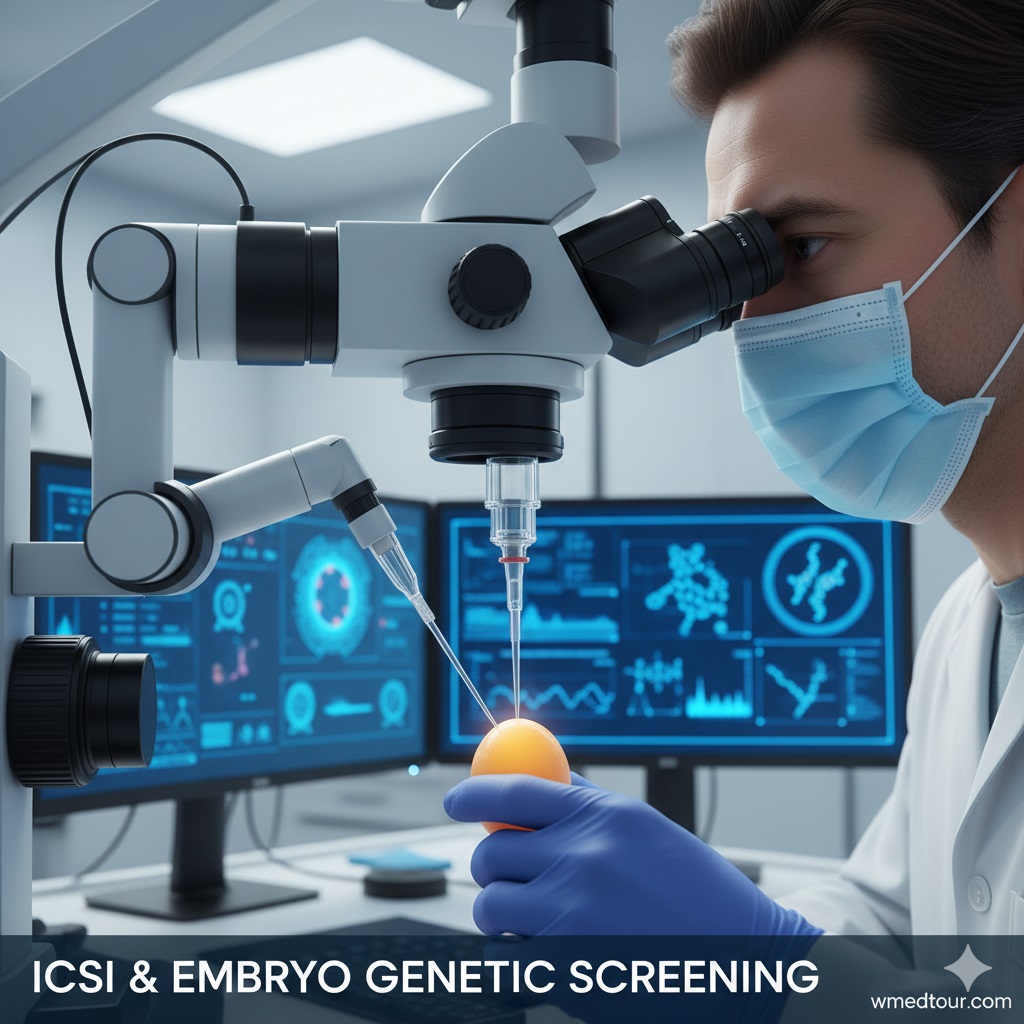
Importantly, the latest methods heavily utilize ICSI (Intracytoplasmic Sperm Injection) paired with high-magnification sperm selection (IMSI), often using AI to help select the most morphologically normal sperm. This is a crucial advancement for Understanding Male Infertility with severe factors.
In addition, while surgical and medical treatments for endometriosis remain key, AI is helping to identify optimal timing for IVF cycles in patients with endometriosis, maximizing the window of implantation success after initial treatment.
Furthermore, the AI-guided personalized dosing mentioned above is the primary method for reducing side effects, as it minimizes the unnecessary administration of high drug quantities, particularly reducing the risk of OHSS.
No, unfortunately. While the best and modern infertility treatment methods in 2026 significantly boost success rates—especially for specific patient groups—human reproduction remains complex. The advanced technology maximizes the odds, but it cannot guarantee a live birth.
Looking ahead, while research is progressing rapidly, it is unlikely that fully approved, clinically available stem cell-derived gametes will be widespread in 2026. This technology remains in the experimental and research stages.
To begin, look for clinics that actively publish research, mention AI and niPGT in their services, and are transparent about their technology adoption. You should also check for certifications from reputable international bodies. The American Society for Reproductive Medicine (ASRM) or European Society of Human Reproduction and Embryology (ESHRE) directories are good starting points.
Indeed, donor egg IVF remains a highly successful and important option for women with ovarian failure or genetic concerns, and the success rates are consistently high due to the quality of young donor oocytes preserved using Advanced Cryopreservation Techniques.
Consequently, comprehensive initial testing, including ovarian reserve assessments and male factor analysis, is essential. AI-driven protocols rely on this initial data to create the personalized treatment plan, making it a critical first step.
Moreover, in 2026, advances in sequencing and bioinformatics have led to clearer guidelines on which mosaic embryos have a high chance of resulting in a healthy live birth. This allows for a more informed discussion during genetic counseling, reducing the number of potentially viable embryos that are discarded.
Absolutely not. While AI is a powerful assistant, it serves as a clinical decision support tool. Human embryologists and physicians remain essential for oversight, complex decision-making, and all physical procedures. The human element of care, including emotional support, remains paramount.
Neuro Oncology deals with some of the most complex and challenging cancers affecting the brain and nervous system. For patients seeking advanced, compassionate, and affordable

Gynecological Oncology in Turkey Gynecological cancers such as ovarian, uterine, and cervical cancer affect millions of women worldwide every year. Choosing the right place for
Seeking effective, affordable treatment for Gastrointestinal Cancer in Turkey? Look no further! Turkey, a global leader in medical tourism, offers state-of-the-art hospitals and internationally trained

Why Choose Turkey for Breast Cancer Treatment? A breast cancer diagnosis can be overwhelming, but you don’t have to face it alone. Turkey has become