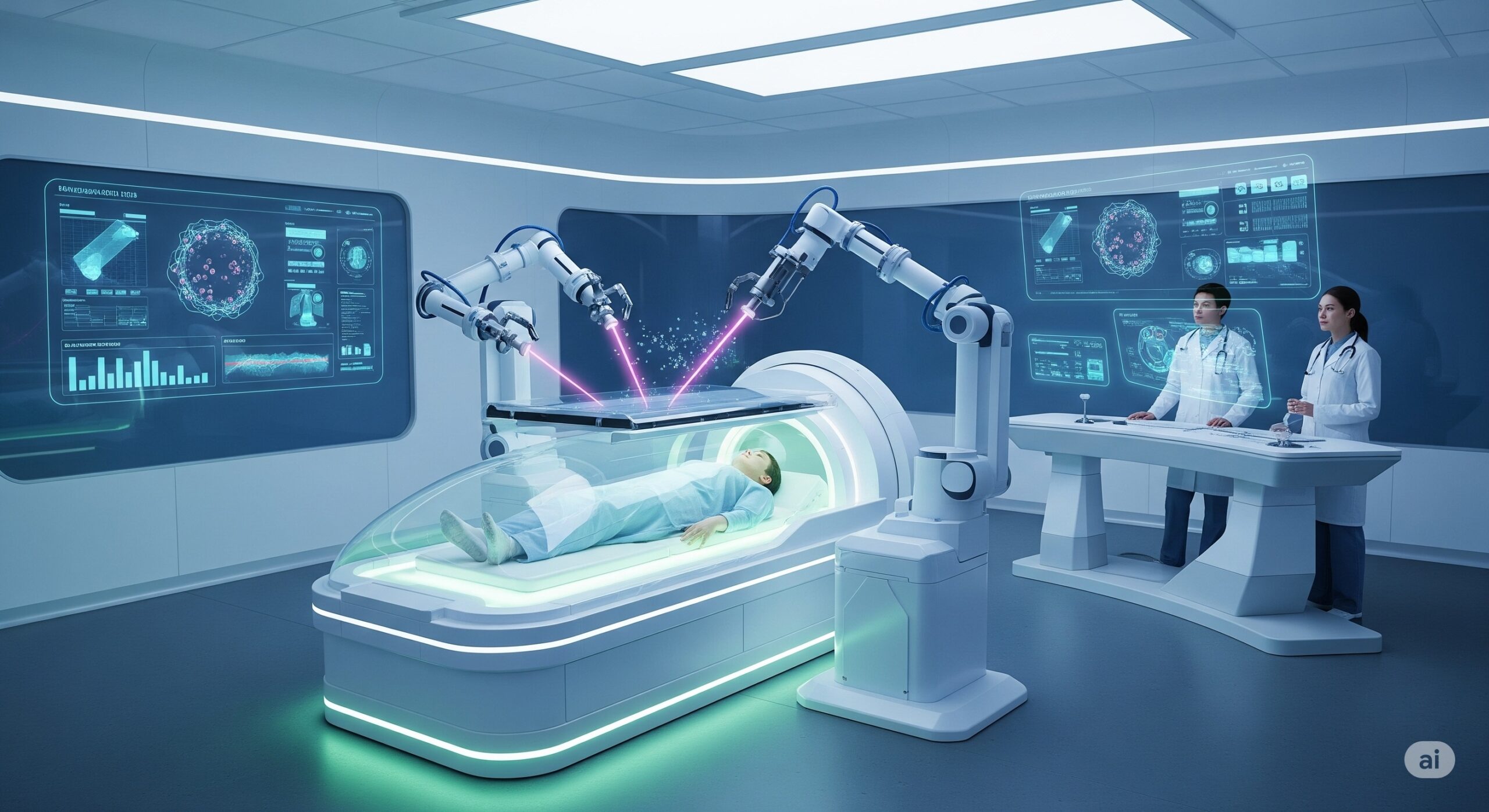
📋 Executive Summary: The 2026 Oncology Revolution
The fight against cancer has evolved from a battle of attrition to a war of precision. New methods in cancer Therapies 2026 prioritize targeting malignant cells while sparing healthy tissue, significantly reducing the physical toll on patients. This comprehensive guide details the most effective treatments available globally this year.
- ✅ Biological Missiles: Antibody-Drug Conjugates (ADCs) are delivering chemotherapy directly into tumor cells.
- ✅ Living Drugs: Tumor-Infiltrating Lymphocyte (TIL) therapy is now a viable option for solid tumors like melanoma.
- ✅ Smart Nanotechnology: Magnetic nanoparticles are treating bone cancer while simultaneously regenerating tissue.
- ✅ Global Accessibility: Countries like Turkey and India offer these advanced therapies at 60-90% less than US prices.
New Methods in Cancer Therapies 2026: A Comprehensive Guide to Future Healing 🧬
Receiving a cancer diagnosis is undoubtedly one of life’s most challenging moments. However, hope is stronger than ever. As we navigate through 2026, the medical community is witnessing a golden age of innovation. The new methods in cancer Therapies 2026 are not just about survival; they are about maintaining quality of life during and after treatment. From “vaccines” that treat existing cancers to robotic surgeries that allow you to go home the next day, the landscape has shifted.
For patients traveling abroad, accessing these advanced treatments is no longer a financial impossibility. Whether you are looking for advanced oncology department services or specialized surgical interventions, understanding your options is the first step toward recovery. This guide explores eight breakthrough treatments available today and how WMedTour connects you to them.
1. Precision Oncology and AI Integration 🤖
In the past, oncologists often relied on statistical averages to prescribe chemotherapy. Today, Artificial Intelligence (AI) has revolutionized this approach. AI algorithms can now analyze medical images and genetic data with superhuman accuracy to predict exactly how a tumor will respond to a specific drug before administering it.
This “digital twin” technology creates a virtual model of the patient’s tumor. Doctors test thousands of drug combinations on the digital model to find the perfect match. Consequently, patients in advanced neuro-oncology treatment programs often avoid ineffective drugs entirely.
Pros & Cons of AI Oncology
- Pros: Drastically reduces unnecessary toxicity, minimizes side effects, and increases survival rates by selecting the “right drug first.”
- Cons: Requires high-quality data input and availability of specialized computing infrastructure.
2. Antibody-Drug Conjugates (ADCs): The “Biological Missiles” 🎯
One of the most rapidly advancing new methods in cancer Therapies 2026 is the use of Antibody-Drug Conjugates (ADCs). Often described as “biological missiles,” ADCs are complex molecules composed of an antibody linked to a potent chemotherapy drug.
Unlike traditional chemotherapy that circulates freely in the blood, killing both healthy and cancer cells, ADCs are designed to be stable in the bloodstream. They only release their toxic payload once they bind to a specific target on the cancer cell’s surface. In 2026, new ADCs like ARB1002 are showing immense promise for difficult-to-treat cancers like pancreatic cancer.
This therapy is a game-changer for patients with breast oncology needs, particularly those with HER2-low expression who previously had few options.
3. Tumor-Infiltrating Lymphocyte (TIL) Therapy 🛡️
While CAR-T therapy has been successful for blood cancers, solid tumors have been harder to crack. Enter TIL Therapy. This method uses the T-cells that have already successfully invaded the patient’s tumor. These cells are harvested, multiplied into the billions in a lab, and then re-infused into the patient.
Because these cells have already recognized the cancer, they are naturally primed to attack it. This year, TIL therapy has become a beacon of hope for patients with advanced melanoma and is expanding to head and neck cancers. It is a one-time treatment that can offer durable remission where other immunotherapies have failed.
Pros & Cons of TIL Therapy
- Pros: A “one-and-done” treatment; uses the patient’s own natural defense mechanism; high efficacy in resistant melanoma.
- Cons: High cost and toxicity; requires a hospital stay for monitoring during the infusion process.
4. mRNA Cancer Vaccines 💉
Building on the technology used during the global pandemic, therapeutic mRNA cancer vaccines are now a reality in clinical settings. Unlike traditional vaccines that prevent disease, these are therapeutic. They teach the body to identify and attack cancer cells that have already formed.
Recent trials in 2026 have shown that these vaccines can induce sustained immune activity against pancreatic cancer for years. By delivering a digital “wanted poster” of the cancer’s unique proteins to the immune system, the body launches a highly specific attack. This is currently being explored in gastrointestinal oncology and melanoma cases.
5. Nanotechnology & Smart Drug Delivery 🔬
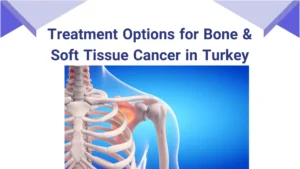
The field of nanomedicine has moved from theory to practice. In 2026, we are seeing the deployment of “smart” nanoparticles that can sense their environment. For example, researchers have developed magnetic nanocomposites that can heat up to destroy bone cancer cells while simultaneously releasing bioactive glass to help the bone regenerate.
This dual-action approach is revolutionary for bone and soft tissue oncology, where removing the tumor often leaves large defects that are difficult to repair. Furthermore, nanotechnology is being used to overcome drug resistance in breast cancer by delivering therapeutics directly into the cell nucleus.
6. Proton Beam Therapy ⚡
Radiation therapy can damage healthy organs near the tumor. Proton Beam Therapy solves this by using protons that stop precisely at the tumor site, releasing no energy beyond it. This is critical for tumors near the eyes, brain, or spinal cord.
While extremely expensive in the West (often exceeding $125,000), medical tourism destinations like India and Turkey have invested heavily in this tech. In 2026, patients can access this life-saving treatment in India for approximately $12,000 to $21,000. This makes ocular oncology and pediatric cases much safer and more affordable.
7. HIPEC: The “Shake and Bake” Surgery 🔥
Hyperthermic Intraperitoneal Chemotherapy (HIPEC) involves circulating heated chemotherapy drugs inside the abdomen immediately after surgery. The heat helps the drugs penetrate tissues deeper, and the direct application spares the rest of the body from systemic toxicity.
Used for cancers that have spread to the lining of the abdomen (peritoneum), such as advanced ovarian or gastric cancers, HIPEC is now a standard offering in our partner hospitals for ovarian cancer surgery. It offers hope for stage 4 patients who previously had only palliative options.
8. Advanced Robotic Surgery 🦾
Surgery remains a primary treatment, but the methods have changed. New methods in cancer Therapies 2026 prioritize minimally invasive robotic systems like the Da Vinci 5. These robots allow surgeons to operate with microscopic precision, resulting in smaller incisions and faster recovery.
For example, in robotic-assisted urological surgery, patients often return home days earlier than they would with open surgery. Similarly, gynecological cancer surgeries are now performed with greater preservation of fertility.
Unsure Which Treatment is Right? 🩺
Our multidisciplinary tumor board can review your medical reports and suggest the best new therapy for your specific case.
Who is This For? 🎯
Navigating these advanced options can be overwhelming. Generally, these new methods in cancer Therapies 2026 are ideal for:
- Patients with Drug Resistance: Individuals whose cancer has not responded to traditional chemotherapy or has returned.
- Early Detection Cases: Those identified through comprehensive cancer screening oncology checkups who qualify for less invasive cures.
- International Travelers: Patients seeking high-quality care at a fraction of the cost found in the US or UK.
- Complex Cases: Patients requiring multi-disciplinary approaches, such as combined thoracic oncology surgery and immunotherapy.
Comparison: Traditional vs. New Therapies ⚖️
To help you understand the evolution of treatment, we have compared traditional methods with the modern approaches available in 2026.
| Feature | Traditional Chemotherapy | New Therapies 2026 (ADCs, CAR-T, mRNA) |
|---|---|---|
| Targeting Mechanism | Attacks all rapidly dividing cells (including hair & gut). | Targets specific genetic mutations or surface proteins. |
| Side Effects | Systemic: Hair loss, severe nausea, immunity drop. | Targeted: Managed immune responses, less physical fatigue. |
| Hospital Stay | Frequent visits, longer stays for monitoring. | Often outpatient (Proton) or one-time infusion (TILs). |
| Effectiveness | Lower in late stages; resistance develops often. | Significantly higher in specific profiles; durable remission. |
The Patient Roadmap 🗺️
At WMedTour, we simplify the complex journey of medical travel. Here is your roadmap to accessing new methods in cancer Therapies 2026:
- Step 1: Digital Consultation – Submit your pathology reports. Our board-certified doctors review your case to see if you qualify for advanced treatments like breast oncology targeted therapy.
- Step 2: Personalized Plan – We provide a treatment plan including estimated costs and duration. This avoids hidden fees.
- Step 3: Visa & Logistics – We assist with medical visas for destinations like Iran, Turkey, or India. If you need medical transport, our air ambulance services are available.
- Step 4: Treatment & Healing – You arrive and undergo treatment. This might involve robotic mastectomy or lobectomy, followed by new adjuvant therapies.
- Step 5: Recovery & Follow-up – Enjoy a comfortable recovery in a wellness resort before returning home with a comprehensive follow-up schedule via telemedicine.
Case Study: A Journey to Remission 🌟
Consider the story of “Maria” (hypothetical patient), a 45-year-old teacher diagnosed with Stage 3 ovarian cancer. Traditional options in her home country were limited and prohibitively expensive.
She contacted WMedTour and traveled to Turkey for ovarian cancer surgery combined with the new HIPEC protocol. The precision of the robotic surgery combined with the heated chemotherapy delivered directly to the abdomen saved her healthy tissues. Six months later, Maria is in remission. Her total cost was $25,000, compared to the $110,000 quote she received in Europe.
Cost Analysis: Global Affordability 💰
One of the biggest advantages of seeking new methods in cancer Therapies 2026 abroad is the cost efficiency. Below is an estimated cost comparison for comprehensive cancer care.
| Treatment Type | USA / UK (Avg Cost) | Turkey / India / Iran (Avg Cost) |
|---|---|---|
| CAR-T Cell Therapy | $375,000 – $500,000 | $45,000 – $105,000 |
| Proton Beam Therapy | $125,000+ | $12,000 – $70,000 |
| Robotic Surgery | $40,000 – $80,000 | $8,000 – $15,000 |
| CyberKnife Radiosurgery | $50,000+ | $6,000 – $10,000 |
For exact pricing on specific procedures, such as cancer treatment cost in Turkey, please contact our team directly.
Recovery & Tourism: Healing in Peace 🌴
Recovery is as important as the treatment itself. The stress of a hospital environment can hinder the immune system. Therefore, combining treatment with tourism is beneficial. Destinations like Iran and Turkey offer serene environments, from historical gardens to coastal resorts.
Imagine recovering from a prostatectomy while looking out at the calm Mediterranean sea, or resting after treatment in a luxury hotel in Shiraz. This holistic approach supports mental health, which is vital for fighting cancer.
Frequently Asked Questions (FAQ) ❓
1. What are the most promising new methods in cancer Therapies 2026?
Here’s a clear overview of some of the most promising new cancer therapies in 2026, focusing on treatments that are either emerging, gaining wider approval, or showing strong clinical results:
1. Targeted Therapies
These therapies attack specific genetic or molecular changes in cancer cells, sparing healthy tissue.
- Next-Generation Targeted Drugs: More precise inhibitors for mutations in EGFR, ALK, KRAS, and BRAF.
- Combination Targeted Therapy: Using multiple drugs to prevent resistance and improve outcomes.
2. Immunotherapy
Harnessing the patient’s immune system to fight cancer is rapidly advancing.
- CAR-T Cell Therapy (Next-Gen): Improved safety and broader use for solid tumors.
- TCR-T Therapy: Targets specific tumor antigens beyond traditional CAR-T scope.
- Immune Checkpoint Modulators: New checkpoint inhibitors beyond PD-1/PD-L1 and CTLA-4.
3. Gene Editing & Epigenetic Therapy
- CRISPR-based Therapies: Editing immune cells or tumor cells directly for better immune recognition.
- Epigenetic Drugs: Reprogramming cancer cell genes to stop growth or sensitize them to other treatments.
4. Advanced Radiation Techniques
- Proton Beam Therapy: More precise than conventional radiotherapy, increasingly available globally.
- Carbon Ion Therapy: Even higher precision and effectiveness for resistant tumors.
- FLASH Radiation Therapy: Ultra-high-dose radiation delivered in milliseconds, reducing damage to healthy tissue.
5. Liquid Biopsy & Precision Monitoring
- Liquid Biopsies: Detect cancer DNA in blood, enabling early detection, monitoring treatment response, and identifying mutations in real-time.
- Minimal Residual Disease (MRD) Tracking: Allows adjustments to therapy before tumors become detectable by imaging.
6. Advanced Chemotherapy Delivery
- HIPEC (Hyperthermic Intraperitoneal Chemotherapy): For abdominal cancers, combining heat with chemo during surgery.
- Nano-Drug Delivery Systems: Targeted nanoparticles deliver chemotherapy directly to tumors, reducing side effects.
7. Combination & Personalized Therapies
- Therapy Matching Platforms: AI-driven systems recommend personalized combinations of immunotherapy, targeted therapy, and chemotherapy.
- Adaptive Therapy: Adjusting drug dosing in real time based on tumor response to prevent resistance.
8. Stem Cell & Regenerative Approaches
- Hematopoietic Stem Cell Transplant Improvements: Safer conditioning regimens and better donor matching.
- Regenerative Immunotherapy: Using engineered stem cells to rebuild immune function in cancer patients.
Key Takeaways:
✅ 2026 is seeing a shift toward precision, personalization, and reduced toxicity.
✅ Immunotherapy and targeted therapy remain front-runners for effectiveness in hard-to-treat cancers.
✅ Liquid biopsy and AI-driven treatment plans are transforming monitoring and therapy adjustment.
✅ Cutting-edge radiation and gene-editing therapies are expanding options for resistant cancers.
2. Is Proton Beam Therapy available for international patients?
Yes — proton beam therapy (PBT) is available to international patients, and many major proton therapy centers around the world actively treat people who travel from other countries for care.
International Availability
- United States: Leading centers treat patients from across the world and have programs to help international patients plan and stay for treatment.
- United Kingdom: Facilities offer proton therapy to insured and self‑pay patients from abroad, with support for travel, visas, and accommodation.
- Europe: Clinics in countries like the Czech Republic treat patients from dozens of countries and can assist with logistics.
- Spain and other countries: Centers accept international patients, either through private payment or international insurance.
- Japan: Proton therapy centers also treat international patients on a case‑by‑case basis.
How It Works for International Patients
- Referral or Consultation: Most centers require medical records and imaging so oncologists can assess whether proton therapy is appropriate.
- Travel Assistance: Many facilities provide support with visas, travel, accommodation, interpreters, and local transport to make it manageable for overseas patients.
- Insurance or Self‑Pay: Patients can often use international health insurance if it covers proton therapy, or pay privately if not.
Where It’s Often Sought
Proton therapy is most common for conditions where precision matters most, such as:
- Pediatric cancers
- Tumors near critical structures (brain, spine, eye)
- Recurrent cancers
- Certain sarcomas or rare tumors
Because not all countries have proton centers, many patients travel abroad specifically for this therapy.
In summary:
✔ Proton beam therapy is available to international patients in multiple countries.
✔ Leading centers provide referral, travel, and logistical support.
✔ You can access it through insurance, self‑pay, or referral programs.
✔ It’s especially common for cancers requiring high‑precision radiation.
3. How does HIPEC differ from regular chemotherapy?
HIPEC (Hyperthermic Intraperitoneal Chemotherapy) is very different from regular (systemic) chemotherapy in how it’s delivered, when it’s used, and its effects. Here’s a clear breakdown:
1. Delivery Method
- HIPEC:
- Chemotherapy drugs are heated and delivered directly into the abdominal cavity during surgery, after the tumor has been surgically removed.
- The drugs circulate inside the abdomen for a short period (usually 60–120 minutes).
- Regular chemotherapy:
- Drugs are usually given intravenously and travel through the whole bloodstream, affecting the entire body.
2. Purpose
- HIPEC:
- Targets residual microscopic cancer cells in the abdomen after tumor removal.
- Often used for cancers like ovarian, colorectal, or peritoneal mesothelioma.
- Regular chemotherapy:
- Aims to treat cancer throughout the body, including metastases outside the abdomen.
3. Advantages
- HIPEC:
- High local drug concentration directly at the tumor site.
- Heat increases effectiveness: heat can make cancer cells more sensitive to the drugs.
- Reduced systemic side effects compared to traditional chemo because less drug enters the bloodstream.
- Regular chemotherapy:
- Effective for widespread or metastatic cancer beyond a single organ or cavity.
- Can be repeated multiple times over weeks or months.
4. Side Effects
- HIPEC:
- Risks mainly related to surgery (infection, bleeding, organ injury).
- Some systemic chemo side effects, but generally less severe.
- Regular chemotherapy:
- More widespread side effects like nausea, hair loss, low blood counts, fatigue, and immune suppression.
✅ In short: HIPEC is a surgical + localized chemo approach for abdominal cancers, while regular chemotherapy is systemic treatment for cancer throughout the body.
4. Is robotic surgery better than traditional open surgery?
In many cases, yes. Robotic surgery allows for greater precision, smaller incisions, less blood loss, and faster recovery times. It is particularly effective for complex surgeries like gastrectomy or prostate surgery.
5. Can I combine tourism with my cancer treatment?
Yes, provided your doctor clears it. Many patients choose to spend their recovery period in a relaxing hotel or resort nearby. We can arrange tours in Iran or other destinations that are gentle and suitable for patients in recovery.
6. How much can I save by traveling for cancer treatment?
Patients can typically save between 50% to 90% compared to costs in the US or Western Europe. These savings apply to surgery, medication, and hospital stays. For detailed comparisons, view our cancer treatment in India vs Turkey guide.
7. What is Liquid Biopsy and is it available?
Liquid biopsy is an advanced, minimally invasive diagnostic test that detects cancer-related material—like circulating tumor DNA (ctDNA), RNA, or tumor-derived cells—in blood, urine, or other body fluids instead of requiring a tissue sample.
How It Works
- Cancer cells shed DNA or cells into the bloodstream.
- A blood sample is taken and analyzed for these tumor-specific markers.
- Results can reveal:
- Presence of cancer
- Genetic mutations driving the cancer
- Resistance to treatments
- Early recurrence after therapy
Advantages
- Non-invasive: No surgery or tissue biopsy needed.
- Early detection: Can sometimes detect cancer before symptoms appear.
- Treatment monitoring: Tracks how well therapy is working in real time.
- Guides targeted therapy: Helps select precision medicines based on mutations.
Availability
- Currently available in many advanced hospitals and cancer centers worldwide.
- More commonly used in:
- Lung cancer (EGFR mutation monitoring)
- Colorectal and breast cancer (tracking mutations and resistance)
- For bone and soft tissue cancers, it’s mostly available in specialized centers or clinical trials, as its use is still emerging.
8. Which new treatments are for bone and soft tissue cancer?
In 2026, treatments for bone and soft tissue cancers (like osteosarcoma, Ewing sarcoma, and soft tissue sarcomas) have expanded beyond conventional surgery, chemotherapy, and radiation. Here’s a detailed overview of the new and emerging treatments that have shown growth or promise recently:
1. Targeted Therapy
- Mechanism: Drugs that specifically target cancer cell mutations or signaling pathways.
- Examples & Growth Areas:
- Tyrosine kinase inhibitors (TKIs): Used for certain sarcomas with specific gene mutations (e.g., pazopanib for soft tissue sarcoma).
- IGF-1R inhibitors: Target growth factor receptors overexpressed in some bone sarcomas.
- Benefit: Can slow tumor growth with fewer systemic side effects than traditional chemo.
2. Immunotherapy
- Mechanism: Harnesses the body’s immune system to attack cancer cells.
- New Approaches:
- Checkpoint inhibitors (PD-1/PD-L1 or CTLA-4 inhibitors) are being tested in soft tissue sarcomas with promising early results.
- CAR-T cell therapy: Genetically engineered T-cells targeting specific tumor antigens (still mostly in clinical trials for sarcomas).
- Impact: Especially helpful in metastatic or recurrent tumors that are resistant to chemo.
3. Advanced Radiation Techniques
- Proton beam therapy: More precise than traditional radiation, sparing healthy tissue.
- Stereotactic body radiotherapy (SBRT): Delivers high-dose radiation in fewer sessions, increasingly used for bone metastases or unresectable soft tissue tumors.
4. Minimally Invasive & Limb-Sparing Surgery
- Growth Areas: Improved imaging, robotic-assisted surgery, and 3D-printed implants allow:
- Better tumor removal with fewer amputations
- Custom bone replacements after tumor resection
- Impact: Maintains function and quality of life while controlling disease.
5. Novel Drug Delivery Systems
- Nanoparticle-based chemotherapy: Targets tumor cells directly, reducing systemic toxicity.
- Localized drug-eluting implants: Placed during surgery to release chemo at the tumor site over time.
6. Bone and Soft Tissue Regeneration Approaches
- Growth: Using stem cells, tissue scaffolds, and bioengineered implants to reconstruct bone after tumor resection.
- Impact: Improves mobility and long-term functionality post-surgery.
7. Precision Medicine & Genomic Profiling
- Trend: Tumor genetic testing guides therapy selection.
- Examples:
- Certain mutations (e.g., NTRK fusions) can be treated with targeted inhibitors like larotrectinib.
- Benefit: Avoids trial-and-error chemo, improving outcomes.
8. Combination Approaches
- Many centers now combine:
- Surgery + targeted therapy
- Radiation + immunotherapy
- Chemo + novel delivery systems
- This integrated strategy is gaining traction, especially for high-risk or metastatic cases.
✅ Summary:
New treatments for bone and soft tissue cancers in 2026 focus on targeted, immune-based, and precision strategies, along with advanced surgery and radiation techniques. The goal is better survival, fewer side effects, and improved function, particularly in young patients or those with challenging tumor locations.
You can learn more about specific options in our bone soft tissue oncology section.
9. How do I get a second opinion through WMedTour?
Getting a second opinion is easy. You can book a telemedicine consultation with one of our expert oncologists. They will review your reports and suggest if the new methods in cancer Therapies 2026 are suitable for you.
10. Does insurance cover these treatments abroad?
It depends on your provider. However, many patients find that the out-of-pocket cost in our partner countries is lower than their deductible or co-pay at home. We can assist with the necessary documentation for reimbursement.
11. What is the role of nutrition in new cancer therapies?
Nutrition plays a crucial supportive role in modern cancer therapies, though it is not a replacement for medical treatment. Its impact is seen in several ways:
1. Supporting Treatment Tolerance
- Proper nutrition helps patients tolerate chemotherapy, radiation, immunotherapy, and targeted therapies
- Adequate protein, calories, and micronutrients prevent severe weight loss, muscle wasting, and fatigue, which can compromise treatment schedules.
2. Enhancing Immune Function
- Diets rich in antioxidants, vitamins (A, C, D, E), zinc, and selenium may help maintain immune system strength.
- For immunotherapies, a healthy immune system can contribute to better therapy effectiveness.
3. Reducing Side Effects
- Nutrition can help manage side effects of therapy, such as:
- Nausea and vomiting
- Mouth sores
- Diarrhea or constipation
- Loss of appetite
- Strategies include small, frequent meals, hydration, and nutrient-dense foods tailored to the patient’s tolerance.
4. Supporting Recovery
- After surgery or intensive therapy, proper nutrition helps wound healing, tissue repair, and muscle rebuilding.
- Protein, healthy fats, and micronutrients like vitamin C, zinc, and iron are essential for recovery.
5. Potential Synergy with Emerging Therapies
- Some research suggests diet can influence cancer cell metabolism and potentially improve outcomes with targeted or precision therapies.
- Examples:
- Ketogenic or low-carb diets are being studied alongside certain therapies to stress cancer cells.
- Caloric restriction or intermittent fasting in some studies may enhance chemotherapy sensitivity.
Key Points to Remember
- Personalization is critical: Nutritional needs vary by cancer type, therapy, and patient condition.
- Avoid unverified “anti-cancer diets” that promise cures—they can be harmful.
- Work with a registered dietitian specializing in oncology for a safe, effective plan.
12. Is it safe to travel for cancer treatment in 2026?
Yes. Medical tourism protocols are strict, and hospitals prioritize patient safety. Additionally, for patients who need medical support during travel, we offer air ambulance services to ensure a safe journey to and from the treatment center.
Start Your Healing Journey Today 🌍
Medical Disclaimer
The information provided in this blog post regarding new methods in cancer Therapies 2026 is for educational purposes only. It does not constitute medical advice, diagnosis, or treatment. Always seek the advice of your physician or other qualified health provider with any questions you may have regarding a medical condition.
External Resources
For more scientific background on these advancements, you can visit the National Cancer Institute or research global health initiatives at the World Health Organization.