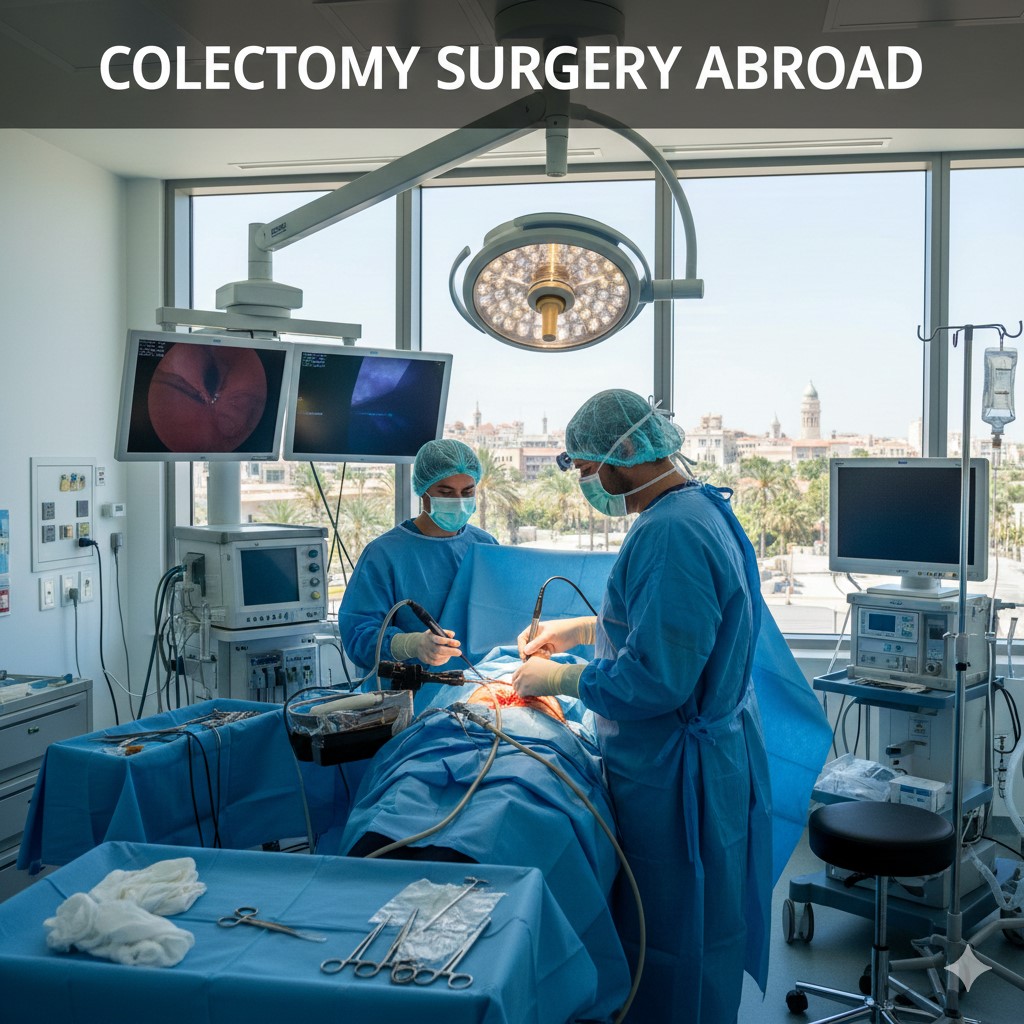
Colectomy Surgery Abroad: Best Hospitals, Costs & How to Book 🏥 2026 Guide
⚡ Quick Executive Summary
- ✅ What is it? Colectomy is the surgical removal of all or part of the colon.
- 🌍 Top Destinations: Iran, Turkey, India, and Germany lead in quality and value.
- 💰 Cost Savings: Patients save up to 70% in countries like Iran compared to the USA/UK.
- 🛠️ Methods: Laparoscopic and Robotic-assisted surgeries are now the standard for faster recovery.
- 📅 2026 Outlook: Enhanced recovery protocols (ERAS) are making international travel safer than ever.
Choosing to undergo a colectomy surgery is a life-changing decision. Whether you are dealing with colon cancer, Crohn’s disease, or severe diverticulitis, the quality of your surgeon matters most. Consequently, thousands of patients now look beyond their borders to find shorter wait times and world-class expertise. In this comprehensive 2026 guide, we explore the best global destinations for bowel resection, focusing on cost-efficiency and clinical excellence.
🤔 Who is This For?
This guide is specifically designed for individuals who require surgical intervention for colorectal issues. Specifically, you may be an ideal candidate for traveling abroad if you fall into these categories:
- Cancer Patients: Those diagnosed with gastrointestinal cancer seeking immediate treatment.
- Chronic Condition Sufferers: Individuals with Ulcerative Colitis or Crohn’s who have not responded to medication.
- Cost-Conscious Patients: People from the US, Canada, or UK facing massive out-of-pocket costs or long NHS waiting lists.
- Advanced Technology Seekers: Patients looking for Robotic-Assisted surgery not available at their local community hospital.
Ready to Consult with a Specialist? 🩺
Get a free medical opinion and cost estimate from top-tier international surgeons today.
💸 Cost Analysis: Colectomy Surgery Prices 2026
Price transparency is vital for medical travelers. While the quality remains high in the destinations listed below, the labor and facility costs vary significantly. Below is a comparison of average costs for a Laparoscopic Colectomy (including a 3-5 day hospital stay).
| Country | Avg. Cost (USD) | Wait Time | Technology Level |
|---|---|---|---|
| 🇺🇸 USA | $35,000 – $55,000 | Low (High Cost) | Elite |
| 🇬🇧 UK (Private) | $18,000 – $25,000 | Moderate | High |
| 🇮🇷 Iran | $3,500 – $5,500 | Instant | High/Robotic |
| 🇹🇷 Turkey | $7,000 – $11,000 | Low | High |
| 🇮🇳 India | $5,000 – $8,000 | Low | High |
| 🇩🇪 Germany | $15,000 – $22,000 | Moderate | Elite |
| 🇹🇭 Thailand | $9,000 – $14,000 | Low | High |
| 🇦🇪 UAE (Dubai) | $14,000 – $20,000 | Low | Elite |
| 🇴🇲 Oman | $8,000 – $12,000 | Low | High |
🌟 Why Iran Stands Out for Colectomy in 2026
Although many countries offer medical services, Iran has emerged as a powerhouse in general surgery. Because of the high volume of complex cases handled by Iranian surgeons, their manual dexterity and clinical intuition are world-renowned. Furthermore, the currency exchange rate makes it the most cost-efficient destination globally without compromising on sterility or technology.
In cities like Tehran and Mashhad, hospitals are equipped with the latest Da Vinci robotic systems and HD laparoscopic towers. Therefore, you receive the same level of care as in a top London hospital but at a fraction of the price. Additionally, WMedTour provides dedicated translators and VIP nursing to ensure your comfort.
📍 Top Destinations at a Glance
- Turkey: Excellent for patients from Europe due to proximity and JCI-accredited facilities.
- India: Great for complex oncology cases involving the bowel.
- Germany: The best choice for those who prioritize European regulatory standards above cost.
🗺️ The Patient Roadmap: Your Journey with WMedTour
Traveling for surgery can feel overwhelming. However, our streamlined process ensures you never feel alone. Here is your step-by-step timeline:
1. Digital Consultation 💻: You send us your medical records (CT scans, colonoscopy reports). Our doctors review them and provide a free treatment plan.
2. Logistics & Visa ✈️: We handle your medical visa and book your accommodation. We also provide a personal coordinator who speaks your language.
3. Hospital Admission 🏥: Upon arrival, you undergo final pre-op checks at the surgical department. You meet your surgeon to discuss the specifics of the colectomy.
4. The Procedure ✂️: The surgery is performed using minimally invasive techniques to minimize scarring and pain.
5. Recovery & Healing 🌿: You stay in the hospital for 3-5 days, followed by a week in a luxury hotel for monitoring. You can enjoy local tourism if your energy allows.
6. Homebound & Follow-up 🏠: Once cleared for flight, you return home. We maintain contact for 12 months to monitor your recovery.
📖 Case Study: Mark’s Success Story
“I was diagnosed with Stage II colon cancer in Canada, but the wait for surgery was over four months. I couldn’t wait that long. WMedTour organized my colectomy surgery in Iran within 10 days of my first email. The hospital in Tehran was more modern than my local one. The surgeon, Dr. Malekidelarestaghi, was exceptional. I saved $30,000 and, more importantly, I am now cancer-free.”
— Mark T., Vancouver
⚖️ Pros and Cons of Colectomy Abroad
It is important to weigh the benefits against the challenges before booking your trip.
✅ The Pros
- Significant financial savings.
- Access to world-class robotic surgeons.
- No waiting lists for urgent cancer care.
- Privacy and luxury recovery options.
❌ The Cons
- Long-haul flights can be tiring.
- Distance from your primary local doctor.
- Potential language barriers (mitigated by WMedTour).
Looking for a Specific Surgeon? 👨⚕️
Browse our verified list of colorectal specialists and view their success rates.
🏥 Advanced Techniques in 2026
Surgery has evolved. Gone are the days of massive incisions. Today, most colectomies are performed through “keyhole” surgery. Because this method uses small ports, patients experience less blood loss and leave the hospital sooner. Specifically, in Iran and Turkey, many hospitals now use 3D visualization systems, giving surgeons a better view than the human eye could ever achieve.
Furthermore, the ERAS (Enhanced Recovery After Surgery) protocol is now standard. This protocol involves specific nutrition and mobility plans that get you walking within 24 hours of surgery. Consequently, the risk of blood clots and pneumonia is dramatically reduced.
🌿 Recovery & Medical Tourism
Why just recover when you can rejuvenate? Countries like Iran offer beautiful climates and historic sites that aid in mental healing. For instance, after your colectomy, you might spend a few days in the temperate northern forests of Iran or the peaceful gardens of Shiraz. This “holistic” approach to recovery is a major reason why medical tourism is booming in 2026.
❓ Frequently Asked Questions (FAQ)
1. Is colectomy surgery abroad safe?
Yes, provided you choose JCI-accredited hospitals. WMedTour only partners with facilities that meet international safety standards. Our surgeons often have training from prestigious Western institutions and perform hundreds of bowel resections annually, which actually lowers the risk of complications compared to low-volume local hospitals.
2. How long must I stay in the destination country?
The length of stay in the destination country for a partial colectomy usually depends on the surgery type, recovery speed, and follow-up needs:
Typical Timeline
- Minimally invasive surgery (laparoscopic or robotic):
- Hospital stay: 2–5 days
- Recovery & follow-up before travel: 7–10 days
- Total stay: ~10–14 days
- Open surgery:
- Hospital stay: 5–8 days
- Recovery & follow-up before travel: 10–14 days
- Total stay: ~2–3 weeks
Factors That May Extend Stay
- Age or overall health
- Complications (infection, bleeding, or anastomotic leak)
- Distance to home country (long flights may require extra observation)
- Surgeon’s recommendation for post-operative monitoring
Patients usually travel home once the surgeon confirms the incision is healing well, bowel function is normal, and medications are managed safely.
3. Will I need a permanent colostomy bag?
In most colectomy surgeries, a permanent colostomy bag is not needed.
- Partial colectomy: Usually allows the surgeon to reconnect the healthy ends of the colon, so normal bowel function is preserved. Any colostomy, if used, is often temporary.
- Total colectomy: A permanent colostomy may be required in some cases, depending on how the intestines are reconstructed and the underlying condition.
Your surgeon will determine the need based on factors like:
- Location and extent of disease
- Overall bowel health
- Risk of complications, such as leakage at the reconnection site
Most patients can avoid a permanent colostomy, especially with minimally invasive techniques and specialized surgical care.
4. Why is Iran so much cheaper than Europe?
The lower cost is primarily due to the exchange rate and lower administrative/labor costs in Iran. It does not reflect a lower quality of medical care. In fact, medical education in Iran is extremely rigorous, and the surgical facilities in Tehran are equivalent to those in Berlin or New York.
5. Can I travel alone for surgery?
Traveling alone for a colectomy surgery abroad is possible but not generally recommended due to the nature of the procedure and recovery needs.
Considerations:
- Pre-Surgery Preparation:
You may need help navigating hospitals, completing paperwork, and attending pre-operative consultations. - Immediate Post-Surgery:
After surgery, you may experience pain, dizziness, or limited mobility. Assistance is usually needed for:- Walking and moving safely
- Going to the bathroom
- Taking medications and following post-op care instructions
- Hospital Discharge & Recovery:
Most surgeons recommend having a caregiver or companion for at least the first few days after discharge to monitor for complications, help with meals, and ensure safe movement. - Travel Considerations:
Air travel soon after surgery can increase the risk of blood clots (DVT). Airlines may require medical clearance.
Tips if Traveling Alone:
- Arrange local support, such as a trusted friend, hotel staff, or professional caregiver.
- Use medical tourism agencies (like WMedTour) to coordinate assistance.
- Plan for extra rest days before flying home.
Bottom line: You can travel alone, but having someone to assist is much safer and strongly recommended for recovery and emergencies.
6. What is the success rate of colectomy surgery abroad?
The success rate of colectomy surgery abroad — whether partial or total — is generally very high, especially when performed in reputable, accredited hospitals by experienced surgical teams.
Here’s what patients can typically expect:
✅ Expected Success Rates
- Overall surgical success (procedure completion without major complications): Often above 95–98%
- Low mortality for elective cases: Usually well under 1–2%
- Good long-term outcomes: Most patients return to normal function within weeks to months
🚑 What “Success” Means
A high success rate usually reflects:
- Safe surgery without life‑threatening complications
- Effective removal of the diseased colon segment
- Healing without severe infection or leaks
- Return to regular bowel function over time
📌 Important Factors Affecting Success
Success can vary based on:
- Reason for surgery (e.g., cancer vs. diverticulitis)
- Patient health status (age, other medical conditions)
- Surgical technique (laparoscopic/robotic tends to have fewer issues)
- Hospital quality and surgeon experience
- Pre‑ and postoperative care
🌍 Abroad Does Not Equal Lower Quality
Many international centers in countries like Turkey, India, Iran, Thailand, and others use:
- World‑standard protocols
- Accredited facilities
- Highly trained colorectal surgeons
- Advanced minimally invasive techniques
When you choose a certified hospital with experienced surgeons, outcomes are comparable to those in the U.S., UK, or Europe, often with much lower cost and shorter wait times.
7. How do I handle follow-up care when I return home?
Before you leave, we provide a detailed surgical report and a digital copy of all your scans. You can share these with your local GP. Additionally, our surgeons are available for telemedicine consultations if you or your local doctor have any questions during your long-term recovery.
8. Does insurance cover surgery in Iran or Turkey?
Some international health insurance plans do cover procedures abroad. However, many of our patients choose to pay out-of-pocket because our total package price (flight + surgery + hotel) is often less than their insurance deductible in their home country.
9. What happens if there is a complication?
If a complication occurs during or after colectomy surgery, the outcome and treatment depend on the type and severity of the complication. Common complications include infection, bleeding, anastomotic leak, or bowel obstruction. Here’s what can happen and how it’s typically managed:
1. Infection
- Signs: Fever, redness or pus at incision, abdominal pain
- Management: Antibiotics, wound care, or drainage procedures; severe infections may require reoperation
2. Anastomotic Leak (leak at the reconnected bowel)
- Signs: Fever, severe abdominal pain, rapid heart rate, drainage of stool-like fluid
- Management: Hospitalization, IV antibiotics, sometimes surgery to repair the leak or create a temporary colostomy
3. Bleeding
- Signs: Drop in blood pressure, rapid heart rate, abdominal swelling, blood in stool or drains
- Management: Blood transfusion, monitoring, or surgical intervention if bleeding is severe
4. Deep Vein Thrombosis (DVT) or Pulmonary Embolism
- Signs: Swelling or pain in the legs, shortness of breath
- Management: Blood thinners, compression devices, or hospitalization for severe cases
5. Bowel Obstruction or Ileus
- Signs: Abdominal bloating, vomiting, inability to pass gas or stool
- Management: Nasogastric tube, IV fluids, sometimes surgery
Key Points:
- Early detection is critical. Most complications are treatable if addressed promptly.
- Choosing a high-volume, experienced hospital and surgeon reduces risk.
- Close monitoring after surgery, following discharge instructions, and reporting unusual symptoms immediately are essential for safety.
10. Are the surgeons English-speaking?
Yes, the vast majority of our lead surgeons speak fluent English. For those who don’t, WMedTour provides a professional medical translator who will be by your side during every consultation and hospital round.
11. What is the difference between partial and total colectomy?
The main difference between a partial colectomy and a total colectomy is how much of the colon is removed and how bowel function is affected afterward.
Partial Colectomy
- What is removed: Only the diseased or damaged section of the colon
- Purpose: Treat localized problems such as colon cancer, diverticulitis, polyps, or injury
- Bowel function: Most normal bowel function is preserved
- Colostomy: Usually not required
- Recovery: Generally faster with fewer long-term changes
Total Colectomy
- What is removed: The entire colon
- Purpose: Used for widespread disease such as severe inflammatory bowel disease, genetic cancer risk, or multiple tumors
- Bowel function: Stool becomes more frequent and looser
- Colostomy: More likely, sometimes permanent depending on reconstruction
- Recovery: Longer and may involve lifestyle adjustments
Summary
A partial colectomy is preferred whenever possible because it removes only the affected area and maintains more natural bowel function. A total colectomy is reserved for conditions that involve the entire colon or cannot be treated with limited surgery.
12. How do I start the booking process?
Simply click the “Request a Quote” button on our website. You will be assigned a case manager who will guide you through the document submission and scheduling process. There is no obligation to book until you are 100% comfortable with the plan.
Take the First Step Toward Health 🌟
Don’t let waiting lists or high costs dictate your health. Join 5,000+ satisfied patients who chose WMedTour.
Learn more about our commitment to excellence or visit our frequently asked questions page.