🦷 Dental Veneers Abroad: The Cost, Quality, and Safety Guide for Tourists 2026
ℹ Executive Summary: Key Takeaways for Dental Tourists
Seeking Dental Veneers Abroad offers significant cost savings, frequently reaching 50% to 70% compared to Western nations. Furthermore, countries like Iran and Turkey provide exceptional quality, boasting highly trained cosmetic dentists and modern clinics. However, thorough research is absolutely essential. Therefore, tourists must prioritize safety by verifying credentials, understanding the materials used, and establishing clear communication with the chosen clinic. Finally, a careful balancing of cost, quality, and safety ensures a successful and satisfying dental journey. Our guide provides the necessary tools for this evaluation.
🌍 The Allure of Dental Tourism for Dental Veneers Abroad
The global phenomenon of dental tourism is booming, fueled primarily by the high cost of cosmetic procedures in many home countries. Among these procedures, getting dental veneers stands out as one of the most popular reasons for travel. Patients are consciously choosing to combine their vacation with a life-changing smile transformation. This trend means that finding **Dental Veneers Abroad** is more accessible than ever before. Patients are actively seeking both affordability and excellent results.
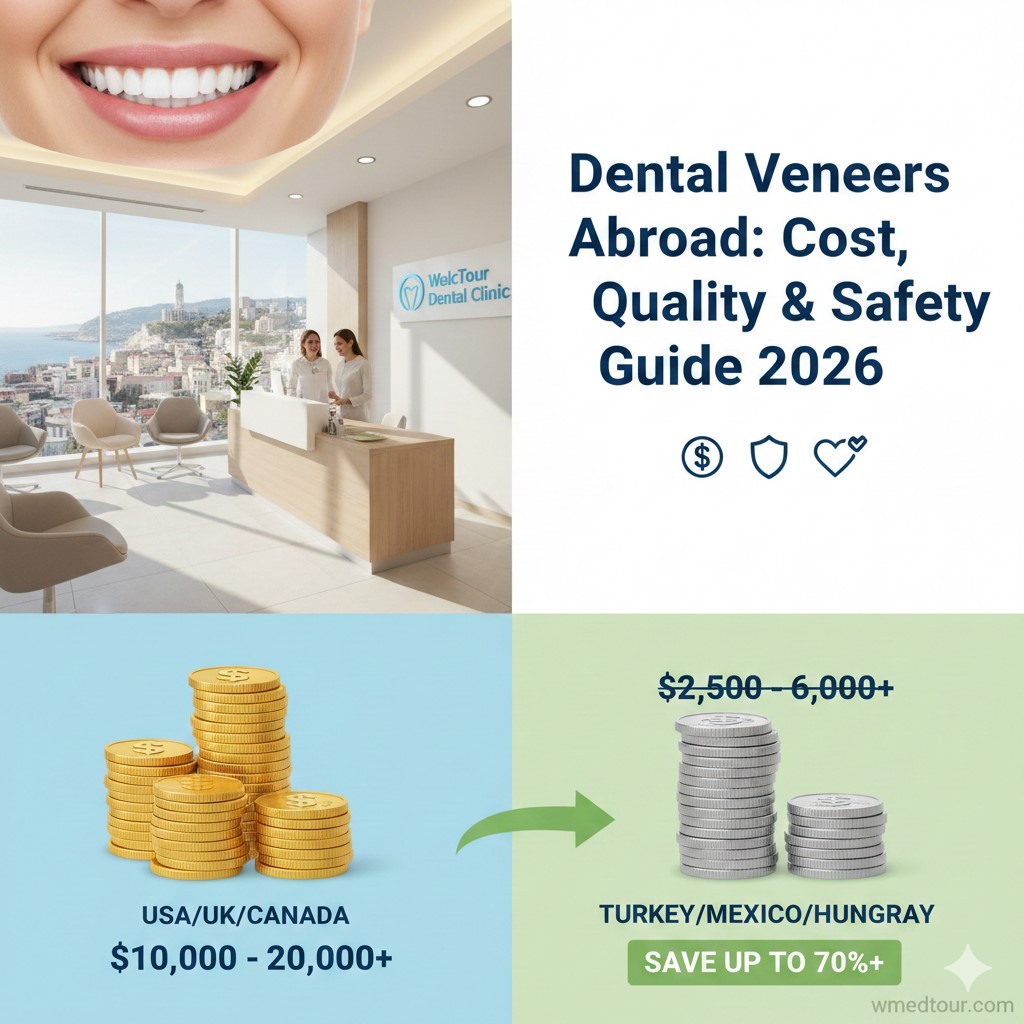
Moreover, the prospect of substantial savings makes the decision very appealing. For instance, a full set of porcelain veneers can easily cost tens of thousands in the US, Canada, or Europe. By contrast, the same high-quality work in destinations known for medical tourism is remarkably more affordable. Dental care quality has, in fact, reached world-class standards in these emerging destinations. Therefore, the combination of lower prices and high quality is a powerful incentive for the modern medical tourist.
💰 Cost Breakdown: Why Dental Veneers Abroad are Cheaper
Understanding the economics behind the price difference is crucial for any discerning tourist. The fundamental reason for the lower cost of **Dental Veneers Abroad** is not a compromise on quality, but rather lower operating expenses. For example, general overheads, including rent, utility costs, and labor wages for support staff, are significantly lower in many popular dental tourism destinations. Consequently, clinics can maintain profitability while charging much less for the same procedure. Patients should not assume that a lower price automatically translates to a lower standard of care.
Lower Labor and Overhead Costs
The cost of living and, therefore, the salary structure for dental professionals and support staff, is a primary driver of cost savings. Additionally, the operational costs for a dental lab—which is vital for manufacturing high-quality ceramic or porcelain veneers—are also reduced. Therefore, the cost of manufacturing the veneer itself is lower without sacrificing the quality of the material or the skill of the lab technician. Many international clinics pass these savings directly on to the patient. They recognize the competitive nature of the global medical tourism market, especially for cosmetic procedures. Furthermore, competition among clinics also drives down prices.
Country Spotlight: Comparing Top Destinations
When comparing costs and quality, certain countries consistently emerge as top contenders. For example, Iran is recognized globally as an outstanding country for cosmetic dentistry, including veneers. Dentists in cities like Tehran are highly skilled, often trained internationally, and work with state-of-the-art technology. Similarly, Turkey offers competitive pricing and a well-established medical tourism infrastructure. Patients find that the all-inclusive packages often offered in these regions represent even greater value. Moreover, these packages frequently include accommodations and transportation, thus simplifying the travel logistics. Conversely, while countries like Mexico also offer low prices, tourists often find that the level of specialized expertise in cosmetic procedures like veneers is particularly high in countries such as Iran.
The table below provides a quick, comparative overview of the average price per single porcelain veneer across different regions. This clearly illustrates the financial advantage of seeking cosmetic dentistry procedures overseas.
Explore the process of obtaining a medical visa for Iran on our dedicated guide.
| 📍 Destination | Average Cost Per Porcelain Veneer (USD) | Average Percentage Savings | Key Quality Indicator |
|---|---|---|---|
| USA/UK/Western Europe | $1,000 – $2,500 | 0% (Baseline) | High, but high cost of living drives prices up. |
| Iran | $300 – $650 | 60% – 75% | Highly specialized cosmetic dentists, modern clinics. |
| Turkey | $350 – $700 | 60% – 70% | Strong infrastructure, high volume of patients, excellent service. |
| Thailand | $400 – $800 | 50% – 60% | Good standards, established tourism industry. |
✅ Assessing Quality Standards and Materials for Dental Veneers Abroad
The concern about quality is undoubtedly the most critical factor for patients considering **Dental Veneers Abroad**. Many mistakenly assume that lower prices mean inferior materials or outdated technology. In reality, the top international clinics use the same high-quality materials and adhere to global standards. For instance, reputable clinics utilize materials like E.max (lithium disilicate) or high-grade Zirconia, which are considered industry benchmarks globally. Thus, quality is a matter of the specific clinic, not the country.
Choosing High-Quality Materials
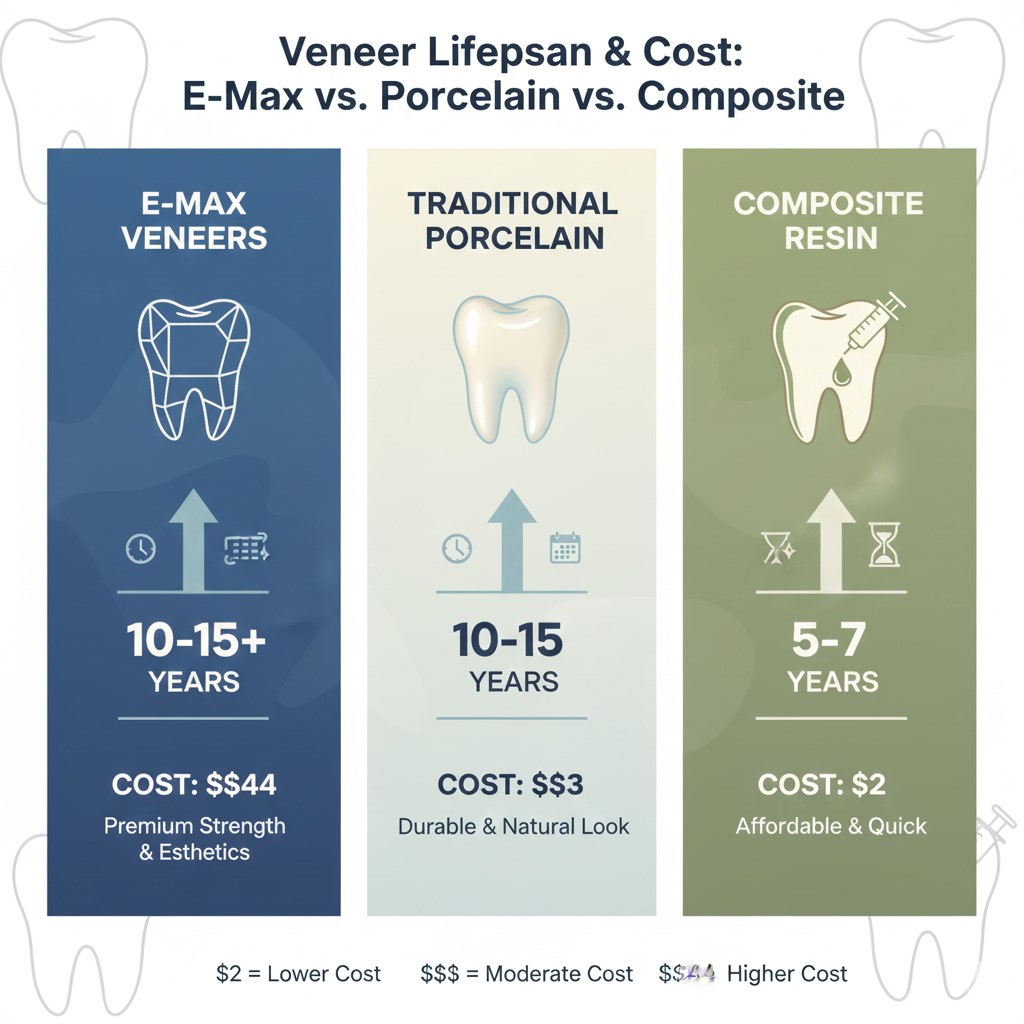
The type of veneer material directly impacts the longevity and aesthetics of the final result. Porcelain veneers (such as E.max) offer superior light reflection, which closely mimics natural tooth enamel. Alternatively, Zirconia veneers are extremely durable, making them an excellent choice for patients with bruxism or other durability concerns. When selecting a clinic, prospective patients must ask specific questions about the materials and the manufacturing process. In fact, insist on documentation proving the authenticity and brand of the materials used. Furthermore, world-class dental laboratories are often accredited internationally, which further guarantees the quality of the final product. Therefore, due diligence is key.
Use our checklist to choose the safest clinic abroad.
Clinic Accreditation and Dentist Credentials
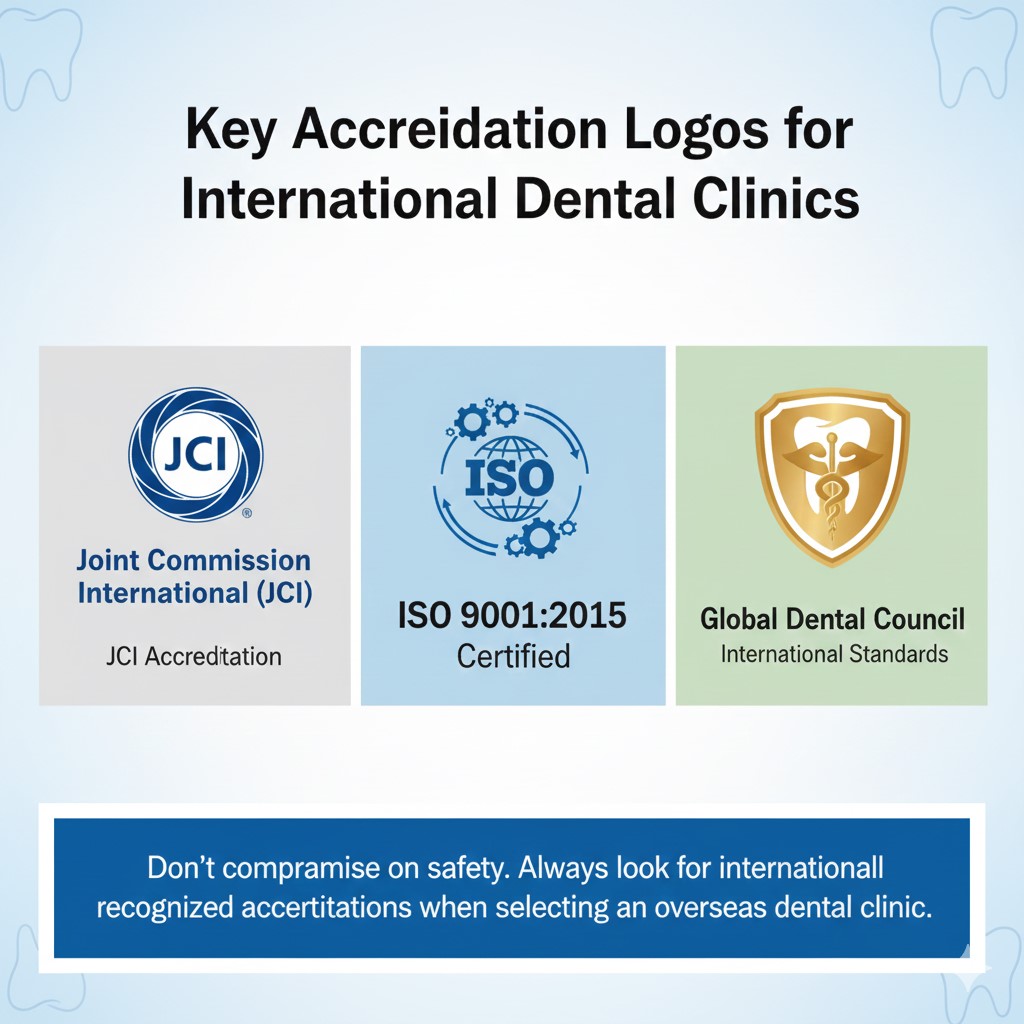
Authentic quality is traceable through verifiable credentials. Patients should look for two main types of assurances. First, clinic accreditation from international bodies like the Joint Commission International (JCI) indicates adherence to rigorous quality standards. While not all top clinics hold JCI accreditation, it is a significant positive indicator. Secondly, the dentist’s credentials are vital. Specifically, verify the dentist’s education, specialization in cosmetic dentistry, and membership in international professional organizations. Many dentists in top medical tourism countries like Iran and Turkey have received advanced training in Europe or the US. This ensures their expertise meets global expectations. Consequently, patients can feel confident in the care they receive. Always search for patient reviews and before-and-after portfolios for concrete evidence of their skill.
🚧 Safety First: A Tourist’s Guide to Dental Safety with Dental Veneers Abroad
Safety must always be the paramount concern for anyone traveling for a medical procedure. The risks associated with medical travel, while generally low in reputable clinics, are nonetheless real. Therefore, you must take proactive steps to mitigate potential issues. Consequently, this detailed guide focuses on minimizing risks and maximizing the chance of a successful outcome when getting **Dental Veneers Abroad**.
Due Diligence and Vetting
Before booking any travel, you must invest time in comprehensive clinic vetting. First, schedule an online consultation with the dentist who will actually perform the procedure, not just a patient coordinator. Secondly, discuss your dental goals, medical history, and specific veneer type. Thirdly, inquire about the clinic’s sterilization protocols and infection control practices. Reputable clinics will gladly share information regarding their autoclaving equipment and cleanliness standards. Finally, always verify their emergency protocols in case complications arise. Therefore, open communication is essential for a safe journey.
Understanding the Procedure and Aftercare
You need to fully understand the veneer process before you commit. This includes knowing whether the procedure involves minimal tooth reduction (“no-prep”) or more significant preparation. A full understanding of the expected recovery timeline is also important. The dentist must clearly explain the potential risks, such as tooth sensitivity or the need for future replacement. Furthermore, you must obtain a detailed, written aftercare plan before leaving the country. This plan should cover oral hygiene, diet restrictions, and what to do in case of pain or complication once you return home. Therefore, comprehensive preparation is a must for long-term satisfaction. The veneer lifespan generally ranges from 10 to 15 years, requiring excellent oral hygiene and regular checkups.
Learn about global medical treatment regulations to ensure compliance.
Managing Language and Communication Barriers
Effective communication is a crucial component of patient safety. Misunderstandings about your aesthetic goals, medical history, or aftercare instructions can lead to poor outcomes. Consequently, you must ensure the clinic provides a professional translator or that the dentist is fluent in English. Many leading clinics in countries like Iran and Turkey specifically cater to international patients, ensuring English-speaking staff are readily available. However, never rely solely on a language app for complex medical discussions. Therefore, always confirm the availability of clear, professional translation services.
👤 The Patient Journey: A Case Study in Getting Dental Veneers Abroad
Case Study: Sarah’s Smile Transformation in Tehran, Iran
Sarah, a 35-year-old marketing executive from Canada, disliked the severe staining and minor gaps in her upper front teeth. She received a quote of $24,000 for 10 porcelain veneers in Toronto. Seeking a more affordable option, she researched clinics offering **Dental Veneers Abroad**. She discovered WMEDTOUR’s resources highlighting the excellent standards in Iran.
Initial Consultation and Planning
Sarah initiated contact with a highly-rated dentist in Tehran via WMEDTOUR. She provided digital scans and photos. After a thorough video consultation, the dentist recommended 8 E.max veneers for her upper arch. The total cost, including the procedure, laboratory fees, and a five-day luxury hotel stay, was $6,500. This represented an impressive savings of over 70%.
The Procedure and Results
Upon arrival, a patient coordinator met Sarah and handled all transportation. On the first day, the dentist performed the necessary tooth preparation and took digital impressions. Sarah received temporary veneers, which allowed her to provide feedback on the shape and size. The clinic’s lab fabricated the custom E.max veneers within 48 hours. During the final appointment, the dentist meticulously bonded the veneers. Sarah was ecstatic with the natural, flawless result. She found the clinic to be impeccably clean and the staff exceptionally professional. She also spent a couple of days sightseeing, which enhanced her overall trip experience.
Post-Procedure and Reflection
Sarah returned home with a detailed aftercare package, including specialized hygiene products. She experienced minimal sensitivity for the first few days, exactly as the dentist predicted. Six months later, her veneers still looked perfect. Sarah often tells others that the key to a successful journey for **Dental Veneers Abroad** is diligent research and choosing a transparent, high-quality provider like the one she found in Iran. She realized the quality was equivalent to, if not better than, what she would have received locally, but at a fraction of the cost.
👪 Who is This For?
The journey to get **Dental Veneers Abroad** is ideally suited for a few key groups of individuals. First, it is perfect for those with significant budget constraints. However, they are still unwilling to compromise on the quality of their smile transformation. Secondly, it appeals to individuals who value the convenience of combining a cosmetic procedure with a memorable cultural experience. This includes individuals who are already planning a vacation to a destination known for dental tourism, such as Turkey or Iran. Thirdly, the process is best for patients who are generally in good health and have relatively simple to moderate cosmetic needs. Furthermore, they must have the flexibility to travel for two visits, or for one extended visit, to complete the procedure. Additionally, they must be willing to perform the necessary, thorough research. Conversely, this path is less suitable for individuals with complex underlying periodontal disease or deep-seated anxiety about foreign travel. Proper planning is essential for everyone.
Learn more about the smile design process before getting veneers.
⚖ Pros and Cons of Getting Dental Veneers Abroad
🔺 The Advantages (Pros)
- Massive Cost Savings: You can save up to 75% on the overall cost, making a beautiful smile accessible to a wider population. This is the main driver for seeking **Dental Veneers Abroad**.
- World-Class Quality: Many international clinics use high-grade materials (E.max, Zirconia) and employ highly-trained, specialist cosmetic dentists. Moreover, they often utilize cutting-edge digital technology, such as CAD/CAM.
- Cultural Experience: Combining your procedure with travel offers a unique opportunity to explore a new country, such as the historical wonders of Iran or the vibrant culture of Turkey.
- Speed and Efficiency: Clinics abroad often operate with greater efficiency, minimizing waiting times. For example, some offer a “Smile in a Week” service due to on-site labs.
🔻 The Disadvantages (Cons) and Risks
- Follow-up Challenges: If a complication arises upon returning home, getting a quick follow-up or adjustment can require another international trip, which is inconvenient.
- Vetting Difficulty: Separating truly high-quality clinics from low-quality operators requires extensive research and careful judgment. Therefore, tourists must exercise great caution.
- Travel and Logistics Stress: The process involves coordinating flights, accommodation, and appointments in a foreign country, which adds complexity to the process. Pre-travel checklists are highly recommended.
- No Local Recourse: While uncommon in reputable clinics, if a significant issue occurs, pursuing legal recourse or obtaining arbitration from a local body can be incredibly challenging.
📃 Practical Tips for Dental Tourists in 2026
🔎 Researching Your Dentist and Clinic
You must prioritize researching your chosen provider. Therefore, look for evidence of specialization. A general dentist is not the same as a cosmetic specialist when it comes to veneers. Similarly, seek out clinics that have a strong, verifiable presence online, showing numerous high-quality, unedited before-and-after photos. Furthermore, always cross-reference online reviews from multiple, independent sources. Finally, ensure the clinic provides a comprehensive, itemized quote that covers all fees, materials, and necessary X-rays or diagnostic procedures. This upfront clarity helps prevent unexpected costs once you are on-site.
🧩 Understanding Dental Technology
Modern cosmetic dentistry relies heavily on technology. Specifically, look for clinics that use Digital Smile Design (DSD) software. This technology allows you to visualize your final smile before the work even begins, thus ensuring your expectations align with the outcome. Furthermore, clinics using CAD/CAM technology often offer quicker, more precise veneer production with less reliance on external labs. These technological indicators are a great proxy for quality and modernity. Therefore, embracing clinics with advanced technology ensures a superior result for your **Dental Veneers Abroad** procedure.
Explore other restorative dentistry options if veneers aren’t suitable.
📝 Insurance and Warranty Considerations
Confirm the warranty or guarantee offered by the clinic on your new veneers. Reputable clinics typically provide a warranty against material failure for a set period, often between 2 and 5 years. Understand the terms, particularly what voids the warranty (e.g., severe grinding or trauma). Additionally, you should consider purchasing medical travel insurance. This specialized insurance covers unexpected complications or medical emergencies that may arise during your trip, providing an important layer of financial protection. This step is particularly vital when seeking procedures like fertility treatments abroad or cosmetic surgery.
❓ Frequently Asked Questions (FAQ) About Dental Veneers Abroad
Yes, absolutely. Most reputable clinics specializing in **Dental Veneers Abroad** structure the treatment into a single, extended trip, often lasting 5 to 10 days. This duration allows for the initial consultation, preparation, veneer fabrication, and the final bonding and fitting session. Sometimes, a short follow-up check is also included before your departure.
The lifespan of high-quality porcelain or ceramic dental veneers is generally 10 to 15 years, regardless of where they are placed. However, with excellent oral hygiene, proper care, and avoiding chewing on hard objects, many patients find their veneers last even longer. This longevity depends more on the material and patient care than the geographical location.
Yes, you definitely should. Regular check-ups and professional cleaning are essential for maintaining the health of your gums and the longevity of your veneers. Therefore, continue to see your home dentist or hygienist at least twice a year after your procedure abroad.
The preparation process for traditional veneers involves removing a very small amount of enamel. Generally, this procedure is performed under local anesthesia, meaning you will feel no pain during the actual treatment. Subsequently, you might experience mild sensitivity or discomfort once the anesthetic wears off, which is usually managed effectively with over-the-counter pain relievers.
This is where a clear warranty is critical. If a veneer chips or breaks due to a manufacturing fault and it is still under warranty, the clinic abroad should offer a replacement. For minor chips, your local cosmetic dentist may often be able to perform a small, simple repair using composite bonding. Always contact your clinic abroad first.
Neither is definitively “better”; they serve different needs. Zirconia is exceptionally strong and often used for full-coverage restorations or for patients who grind their teeth. Conversely, E.max (a type of porcelain) offers superior translucency and a more natural, aesthetic look, making it the preferred choice for front-facing cosmetic veneers. Your cosmetic dentist will recommend the best option.
Reputable clinics should provide you with a certificate of authenticity or a lab card that specifies the brand and type of material used for your veneers (e.g., Ivoclar E.max, high-grade Zirconia). You should request this documentation before the procedure begins. This transparency confirms that you receive the promised material.
No, generally not. Standard travel insurance typically covers emergency medical issues or trip interruptions, but it explicitly excludes elective cosmetic procedures like dental bonding or veneers. You need to purchase specialized medical tourism insurance, which offers coverage specifically for complications arising from the cosmetic surgery abroad.
Digital Smile Design (DSD) is a planning tool that uses photos, videos, and digital scans to create a virtual mock-up of your desired new smile. The dentist can then show you what the final result will look like. Most advanced clinics specializing in **Dental Veneers Abroad**, especially in major dental tourism hubs, incorporate DSD into their consultation process to ensure high patient satisfaction.
“No-prep” or minimal-prep veneers, like Lumineers, require little to no removal of the natural tooth enamel. They are often thinner than traditional veneers. Yes, many high-quality clinics abroad offer these options. However, they are only suitable for patients with specific cosmetic needs, such as correcting minor gaps or discoloration, and the dentist must confirm eligibility.
For a full set (e.g., 16-20 veneers), the process requires meticulous planning and a few long appointments, but it is routinely and safely performed. Ensure your chosen clinic has extensive experience with full-mouth restorations. The advantage is that all veneers match perfectly in color and contour, thus giving a cohesive and beautiful smile.
Iran has gained a strong reputation for high-quality cosmetic dentistry, rivaling Western standards. Specifically, Iranian dentists often excel in intricate cosmetic work. They use advanced materials and have access to excellent dental labs. Consequently, the quality of **Dental Veneers Abroad** in Iran is generally very high, especially when selecting accredited clinics and experienced specialists.