👁️ Eye Surgery in Turkey: LASIK, Cataract & Keratoconus Costs 2026
📋 Executive Summary
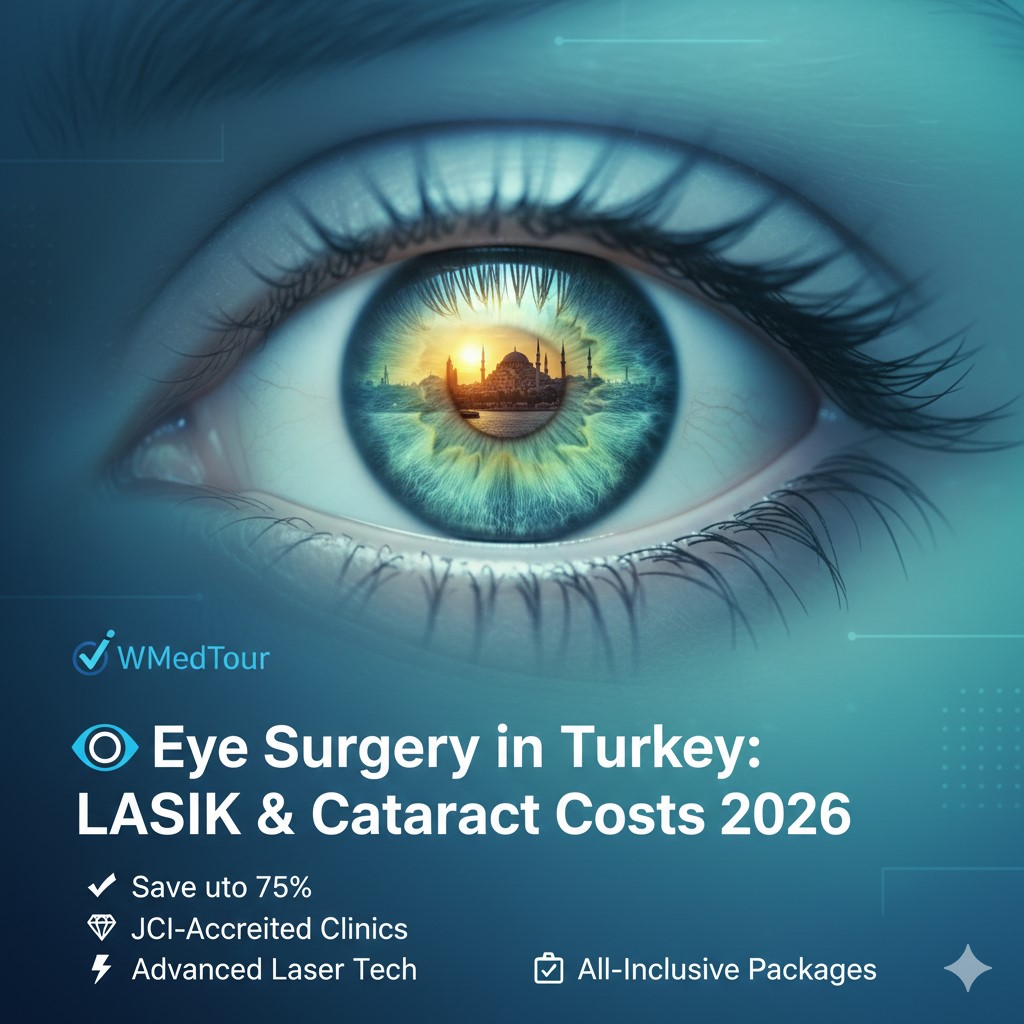
Choosing Eye Surgery in Turkey: LASIK, Cataract & Keratoconus Costs in 2026 offers a unique blend of financial savings and high-tier medical expertise. Most patients find that costs remain 60% to 75% lower than in the United States or United Kingdom. Furthermore, Turkish ophthalmology clinics utilize state-of-the-art technology such as SMILE and Trifocal lenses. Safety is a primary focus, with many centers holding JCI accreditation. Consequently, thousands of international patients visit Istanbul and Ankara annually. This guide provides a deep dive into procedure details, pricing, and logistical planning for your vision restoration journey.
🌍 Why Vision Correction in Turkey is the Leading Choice for 2026
To begin with, the landscape of global healthcare is shifting toward efficiency. Turkey has positioned itself at the forefront of this movement. Specifically, the country invests heavily in advanced optical research and surgical infrastructure. Because of this, patients receive care that rivals top Western institutions. Additionally, the strategic location of Turkey makes it a convenient hub for travelers from Europe, Asia, and Africa. As a result, the medical tourism sector is booming.
Technological Advancements in Turkish Clinics
Moreover, Turkish clinics are early adopters of 2026 optical innovations. They use topography-guided lasers for custom treatments. These machines map the eye with incredible precision. Furthermore, many hospitals offer specialized departments for complex cases. For instance, the ophthalmology department at leading centers provides comprehensive diagnostic screening before any surgical intervention. This ensures every patient receives a personalized plan. Thus, success rates are exceptionally high.
Comprehensive Care and Safety
In addition to technology, the human element is vital. Turkish surgeons often complete fellowships in Europe or the US. Therefore, they are familiar with international standards. Also, the government strictly regulates medical facilities. This creates a safe environment for foreign visitors. If you are researching medical travel in Turkey, you will notice a strong emphasis on patient rights and recovery. Because of these factors, Turkey remains the top choice for vision correction.
💎 LASIK Eye Surgery: The Gold Standard for Freedom
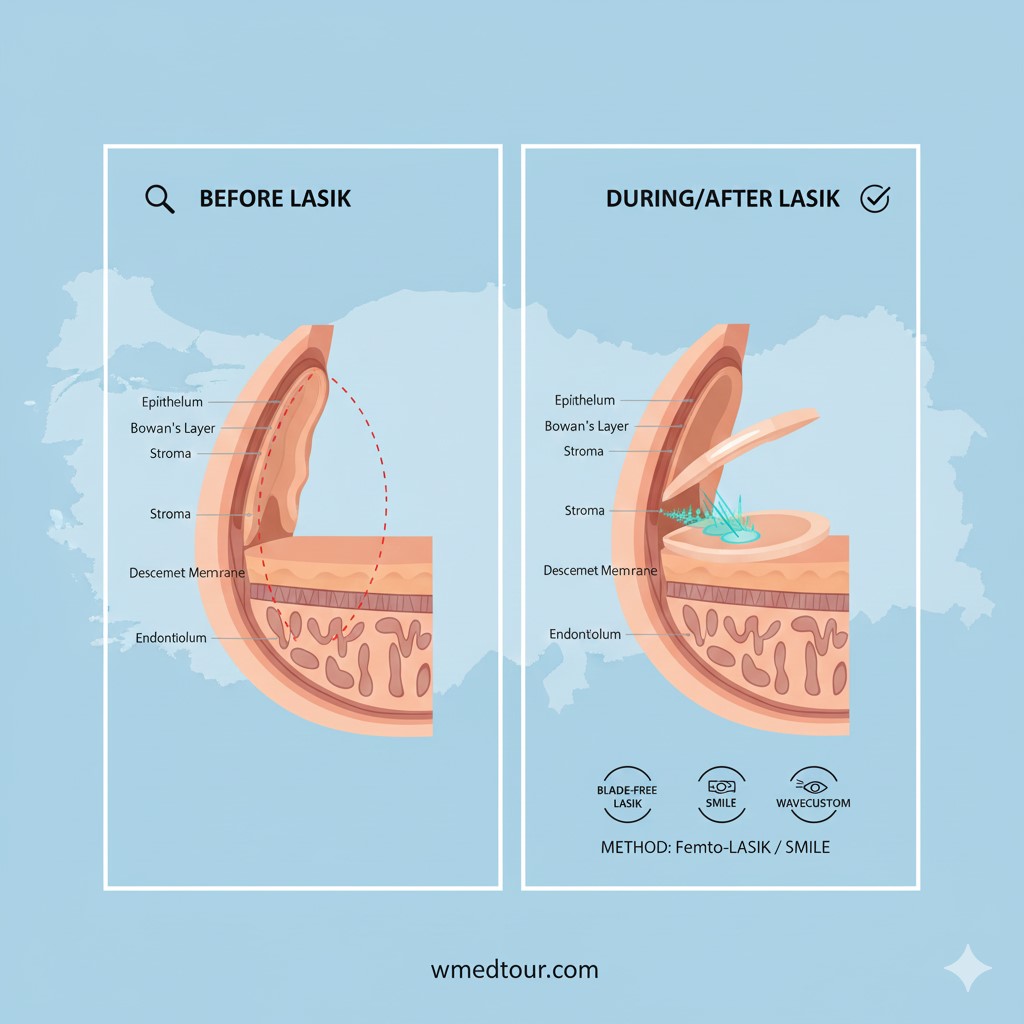
Currently, LASIK is the most requested procedure for correcting refractive errors. It treats nearsightedness, farsightedness, and astigmatism effectively. In Turkey, the 2026 standards prioritize Femto-LASIK, which is entirely blade-free. This method uses two different lasers to ensure safety. Consequently, the healing process is much faster. Most patients return to work within 48 hours. Furthermore, the accuracy of modern lasers reduces the risk of night glare.
Pros of LASIK in Turkey
- First, it provides immediate visual improvement.
- Second, it eliminates the need for expensive daily contacts.
- Third, the cost is significantly lower than in London or New York.
- Finally, the procedure is painless due to numbing drops.
Cons and Eligibility
However, not everyone is a perfect candidate. For example, individuals with very thin corneas may need alternative treatments. Also, those with severe dry eye syndrome should proceed with caution. Nevertheless, doctors in Turkey offer a variety of options like PRK or SMILE for these cases. If you want to understand the full scope of your options, check our ultimate guide to medical tourism surgery for more insights.
☁️ Cataract Surgery: Modern Solutions with Premium Lenses
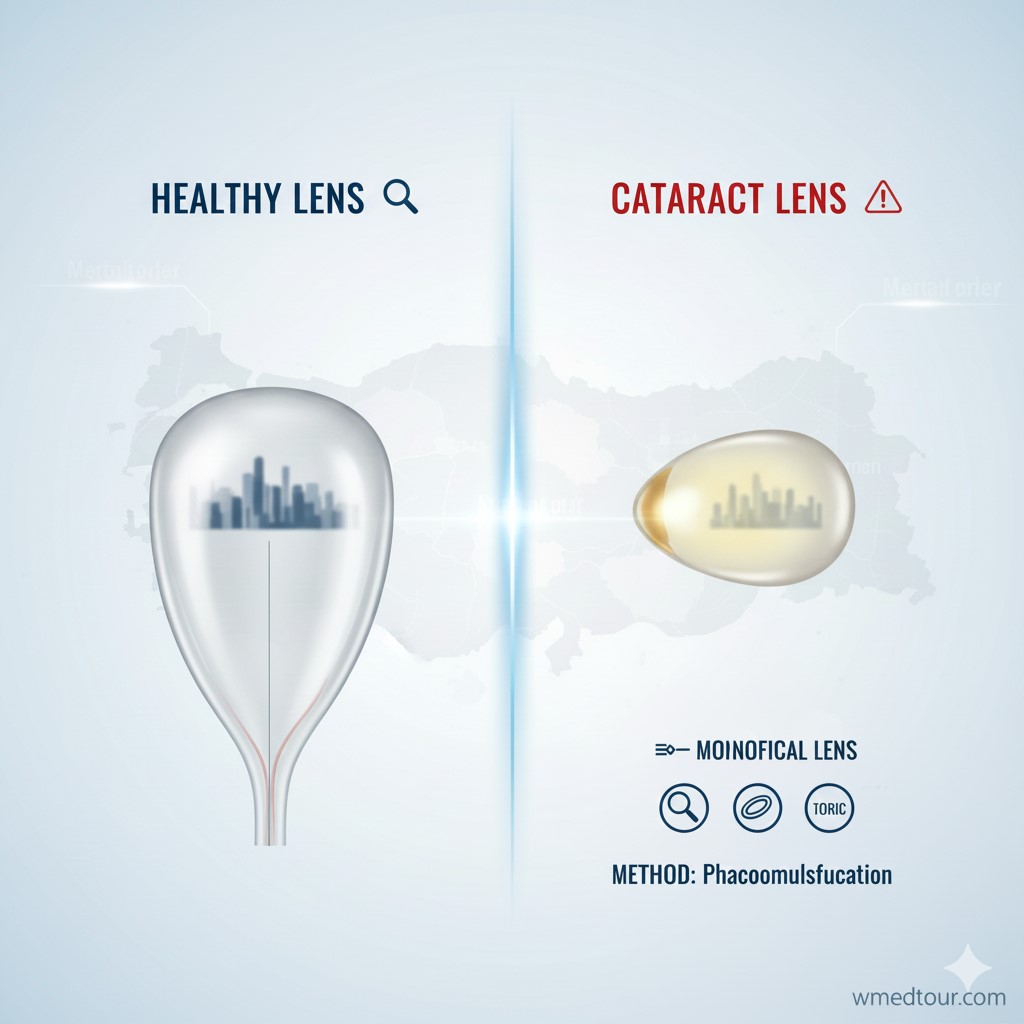
Moving on, cataracts remain a leading cause of vision loss in older adults. Fortunately, modern surgery is highly effective. In 2026, Turkey specializes in “Smart Lenses” or Trifocal IOLs. These lenses allow patients to see clearly at near, intermediate, and far distances. Therefore, many patients no longer need reading glasses after surgery. This is a life-changing benefit for many professionals. In addition, the surgical technique of phacoemulsification is used to minimize trauma to the eye.
Surgical Process and Safety
The surgery itself is quick, usually taking about 15 minutes per eye. Surgeons replace the cloudy natural lens with a clear artificial one. Because Turkey uses high-quality lenses from global brands, the results are durable. Furthermore, some patients choose this time to address other issues. For instance, those interested in ECCE ophthalmology can find specialized experts in major Turkish cities. Safety protocols are rigorous to prevent post-operative infections. Thus, patients feel secure throughout the process.
Lens Options and Customization
Moreover, the variety of lenses available is impressive. Patients can choose between monofocal, multifocal, or toric lenses for astigmatism. Your surgeon will recommend the best fit based on your lifestyle. For example, if you drive frequently at night, specific coatings can be applied. Also, if you are planning a trip, reviewing a checklist for choosing a clinic abroad is highly recommended. This preparation ensures you find the right specialist for your specific lens needs.
🌀 Keratoconus Treatment: Halting Vision Loss
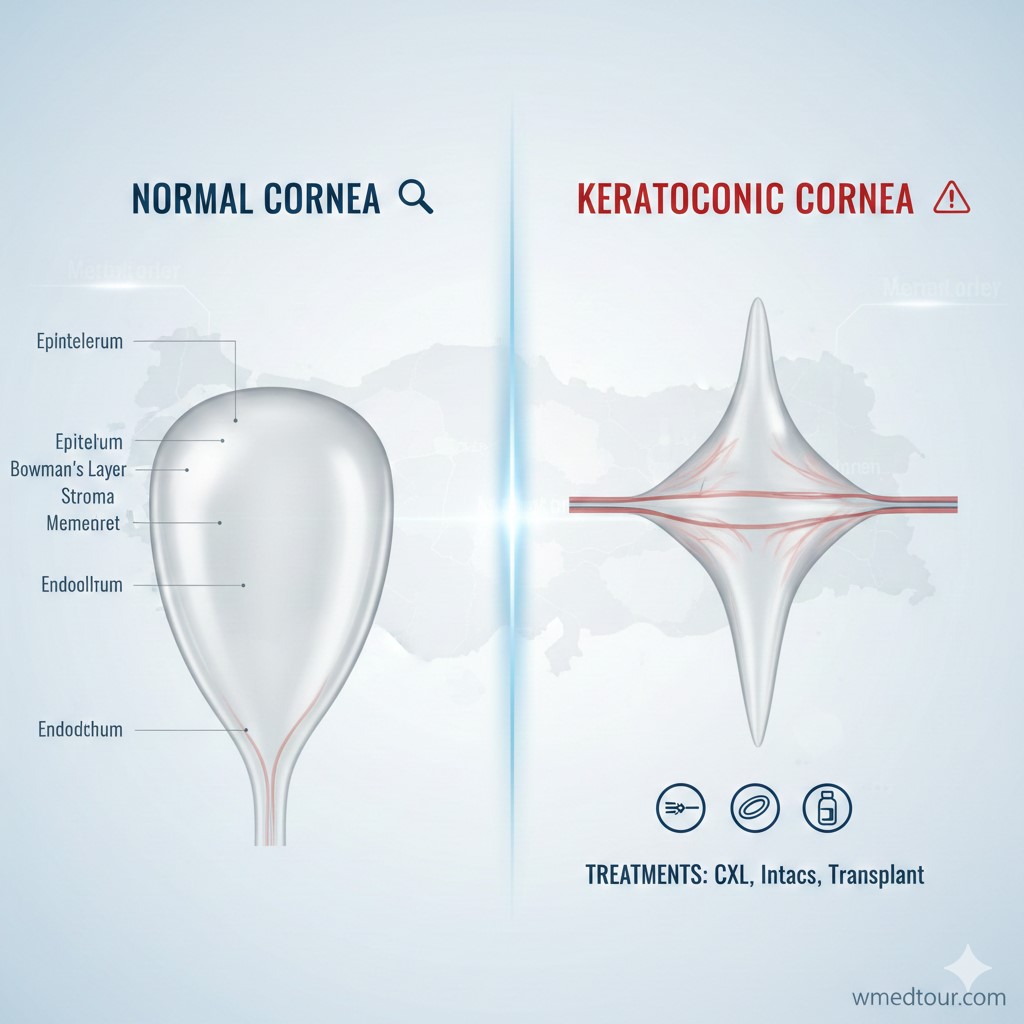
Keratoconus is a progressive disease that thins the cornea. This leads to a cone-like bulge and distorted vision. In the past, the only option was a transplant. However, in 2026, Turkish clinics lead in “Corneal Cross-linking” (CXL). This procedure uses UV light and riboflavin drops to strengthen the corneal fibers. Consequently, it stops the disease from getting worse. Furthermore, some patients receive Intacs, which are tiny rings that flatten the cornea for better vision.
Advantages of Early Treatment
- First, it prevents the need for invasive corneal transplants.
- Second, it stabilizes the eye for better contact lens fitting.
- Third, it preserves your natural vision for the long term.
- Finally, the recovery period is relatively short and manageable.
Advanced Surgical Options
In advanced cases, a transplant might still be necessary. Turkey has excellent eye banks and highly skilled surgeons for this. For example, the corneal transplant surgery package often includes the donor tissue. Also, innovative products like keratoprosthesis are available for complex rejections. Because Eye Surgery in Turkey: LASIK, Cataract & Keratoconus Costs are low, these high-end treatments become accessible. Therefore, patients with rare conditions find hope in Turkish medical centers.
💰 2026 Cost Comparison: Turkey vs. The World
To understand the value, we must look at the numbers. Specifically, Eye Surgery in Turkey: LASIK, Cataract & Keratoconus Costs are designed to be competitive. Unlike Western hospitals where every bandage is billed separately, Turkey offers “all-inclusive” packages. These usually cover the surgery, meds, hotel, and transfers. Therefore, the total price is transparent and predictable. This allows for better financial planning. Most clinics accept multiple currencies and offer flexible payment options.
Average Pricing Table 2026
| Procedure Type | Cost in Turkey (USD) | Cost in USA/UK (USD) | Savings % |
|---|---|---|---|
| Femto-LASIK (Both Eyes) | $1,500 – $2,200 | $4,500 – $6,000 | ~70% |
| Trifocal Lens Replacement | $2,000 – $3,500 | $6,000 – $9,000 | ~65% |
| Cross-linking (Keratoconus) | $1,200 – $1,800 | $3,500 – $5,000 | ~68% |
| Corneal Ring (Intacs) | $2,500 – $3,800 | $7,000 – $10,000 | ~64% |
Notably, these prices can vary based on the specific surgeon’s experience. Also, the choice of hospital plays a role. For instance, Acibadem Altunizade is known for luxury and high-end tech. Furthermore, the time of year might affect hotel rates. Because of this, it is wise to book your travel early. You can check the legal medical travel guide for Turkey to ensure you follow all protocols. This ensures a smooth and budget-friendly experience.
👤 Who is This For?
This guide is for individuals who value their sight but are frustrated by long wait times. Specifically, it targets those living in countries with high healthcare costs. It is also for professionals who need a quick recovery to return to their busy lives. Furthermore, it is for parents seeking specialized care for their children. For example, those looking for cataract surgery information will find this extremely helpful. Additionally, it serves those who enjoy traveling and want to combine health with leisure. Thus, it is a versatile solution for a global audience.
Business Professionals and Travelers
Moreover, business travelers often choose Turkey for its efficiency. You can have your surgery on a Thursday and be back in your home country by Monday. Also, the luxury recovery suites allow you to stay connected to work if needed. If you are also considering other health checks, many choose a full body check-up during the same trip. This maximizes the value of your medical visit. Therefore, it is an efficient choice for the modern worker.
🏥 The Patient Journey: A Case Study
Consider the story of Mark, a 55-year-old teacher from Australia. Mark had developed cataracts that were affecting his ability to drive at night. In Australia, the wait for public surgery was over a year. Consequently, he looked into Eye Surgery in Turkey: LASIK, Cataract & Keratoconus Costs. He found WMedTour and was assigned a personal coordinator. After submitting his medical records, he received a quote for Trifocal lenses in Istanbul.
The Arrival and Preparation
Upon arriving in Istanbul, a VIP van met Mark at the airport. He was taken to a 5-star hotel near the clinic. The next day, he had his final consultation. The surgeon used advanced imaging to ensure the lens was perfectly sized. Mark felt empathetic toward the staff, who spoke clear English and answered all his questions. Because he was well-prepared, his anxiety was low. He even reviewed the medical visa handbook to ensure his paperwork was correct.
Successful Surgery and Recovery
The surgery was a success. Within 24 hours, Mark noticed he could read street signs without blurring. He spent two extra days enjoying the historical sites of Istanbul. Furthermore, he used this trip to consult on other minor issues. He looked into aesthetic procedures for his wife while there. Ultimately, Mark returned home with 20/20 vision and saved over $5,000. This example shows why so many choose this path.
🛡️ Quality Control and Credibility
It is important to note that lower cost does not mean lower quality. Turkish hospitals are often newer than those in Europe. Therefore, they have the latest ventilation and sterilization systems. Also, the surgeons must maintain strict licenses. You can verify their credentials on the WMedTour doctor directory. Furthermore, clinical outcomes are tracked and reported. This transparency builds trust with international patients. Because of this, the reputation of Turkish eye care continues to grow.
Research and Recognition
Additionally, Turkish universities are active in ophthalmic research. Many findings are published in reputable journals. For instance, studies on corneal health can be found through Johns Hopkins University resources, which often collaborate with global partners. Also, information on diabetes-related eye issues is available via Mayo Clinic research. This alignment with global science ensures that the treatments you receive in Turkey are based on the latest evidence. Thus, your eyes are in safe hands.
❓ FAQ: Your Questions Answered
1. Is eye surgery in Turkey safe for international patients in 2026?
Yes, Turkey follows strict international medical protocols. Most hospitals are JCI accredited, ensuring high standards of safety and hygiene. Furthermore, the specialized eye surgeons have extensive experience with foreign patients.
2. How long should I stay in Turkey after LASIK?
Most doctors recommend staying for 3 to 5 days. This allows for a pre-op exam, the surgery itself, and a follow-up check the next day. This ensures the eye is healing correctly before you fly back.
3. Will I be able to communicate with the medical staff?
Absolutely. Major clinics in Istanbul and Ankara employ English-speaking staff. Furthermore, medical tourism companies often provide translators for various languages to ensure clear communication throughout your stay.
4. What happens if I have complications after returning home?
Reputable clinics provide detailed post-operative care plans. Many also offer remote consultations via telemedicine. If a physical follow-up is needed, they often have partner clinics in other countries or provide a guarantee for their work.
5. Are the costs of medications included in the package?
In most all-inclusive packages, initial eye drops and pain medications are included. However, you should always verify the details of your specific quote to be certain of what is covered.
6. Can I get surgery on both eyes at the same time?
For LASIK, both eyes are almost always treated in the same session. For cataracts, surgeons usually prefer to wait 1 or 2 days between eyes. This allows for monitoring of the first eye before proceeding.
7. Is there an age limit for LASIK in Turkey?
Generally, you must be at least 18 years old. There is no strict upper limit, but after age 45, lens replacement often becomes a better option than LASIK due to age-related vision changes.
8. Does health insurance cover eye surgery in Turkey?
Some private international insurance plans may cover elective surgeries abroad. However, you must check with your provider first. Most patients pay out-of-pocket due to the significant cost savings available.
9. What brand of lenses are used for cataract surgery?
Turkish clinics use top-tier global brands like Alcon, Zeiss, and Johnson & Johnson. You can discuss specific brand preferences with your surgeon during the initial consultation to match your goals.
10. How do I choose the best clinic for Keratoconus?
Look for clinics that specialize in corneal diseases and offer Cross-linking (CXL) and Intacs. Check for surgeon credentials and patient reviews. Websites like WMedTour can help you filter for top-rated specialists.
11. Can I fly immediately after cataract surgery?
It is best to wait at least 3 to 7 days before flying. This avoids issues with cabin pressure and allows the doctor to perform a final check to ensure the lens is stable and there is no inflammation.
12. What are the common side effects of eye surgery?
Common temporary side effects include dry eyes, light sensitivity, and minor irritation. These usually resolve within a few days or weeks with the use of prescribed eye drops and proper rest.
🚀 Conclusion
In summary, Eye Surgery in Turkey: LASIK, Cataract & Keratoconus Costs in 2026 offers an unparalleled opportunity for those seeking better vision. By combining low costs with high-end technology and experienced surgeons, Turkey has solidified its place as a global leader. Whether you are correcting a refractive error or treating a progressive disease, the options are safe and effective. Don’t let vision problems limit your life any longer. Start your journey today and see the world through clear eyes. At WMedTour, we are here to guide you every step of the way.
Would you like us to help you find the best eye surgeon in Turkey for a free initial consultation?
For more information on the science of vision, visit Stanford University or the University College London ophthalmology resources.
—
### Yoast-Compatible Suggestions
* **SEO Short Title:** Eye Surgery Turkey: 2026 LASIK & Cataract Costs
* **Focus Keyphrase:** Eye Surgery in Turkey: LASIK, Cataract & Keratoconus Costs
* **Slug:** eye-surgery-turkey-lasik-cataract-keratoconus-costs-2026
* **Meta Description:** Compare Eye Surgery in Turkey: LASIK, Cataract & Keratoconus Costs for 2026. Save up to 75% on vision correction with top clinics and JCI surgeons.
* **Synonyms:** Turkey eye surgery prices 2026, LASIK Istanbul cost, cataract surgery Turkey savings, keratoconus treatment Turkey, vision correction Turkey fees.
* **Tags:** Eye Surgery, Turkey, 2026, LASIK, Cataract, Keratoconus, Medical Tourism, Health Travel, Istanbul, Costs.
* **Category:** Ophthalmology Department.