👍 Facial Masculinization Surgery (FMS) Guide: Costs and Procedures Abroad 2026
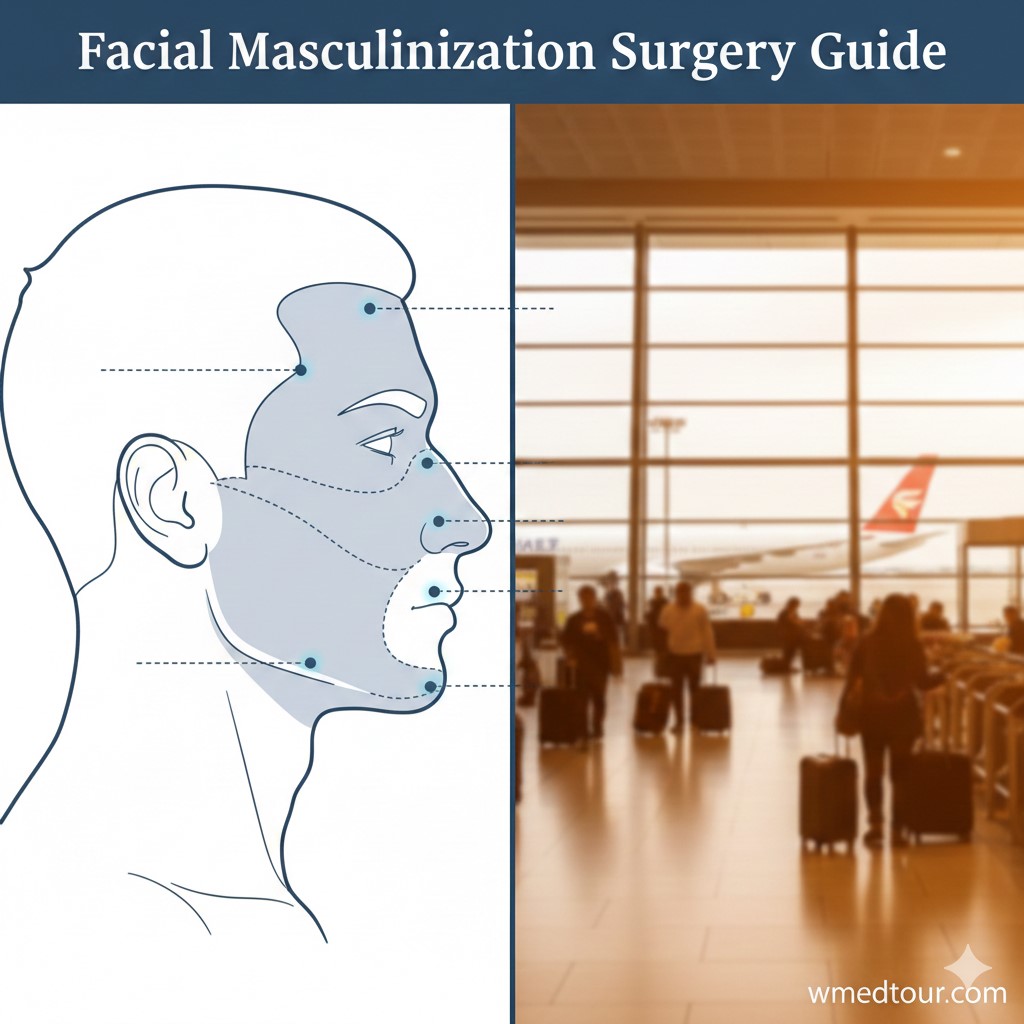
Your definitive resource for planning Facial Masculinization Surgery (FMS) overseas in 2026.
Executive Summary
Planning Facial Masculinization Surgery (FMS) abroad requires careful consideration of procedure types, costs, and destination quality. Consequently, this comprehensive guide provides a critical overview of the core FMS procedures and their typical costs in major medical tourism destinations for 2026. Importantly, countries like Iran consistently offer exceptional surgical expertise coupled with significantly lower prices compared to Western nations. We therefore detail specific surgical components, financial comparisons, and offer a practical patient journey example. Ultimately, this information helps you make an informed decision for your transition journey. Explore our plastic surgery department for more details.
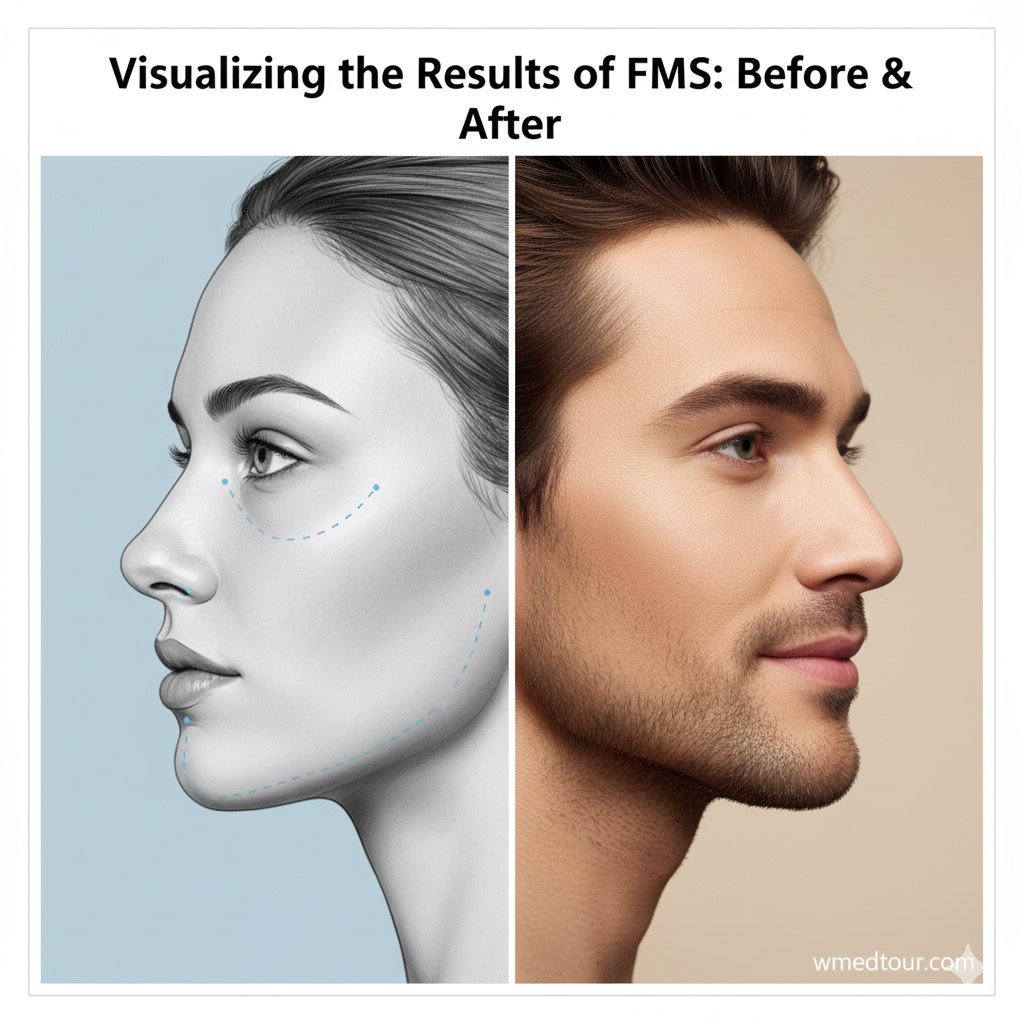
Suggested Caption: Illustrating the transformation achieved through Facial Masculinization Surgery (FMS), highlighting the shift from a more feminine to a masculine profile, specifically focusing on the forehead, jaw, and chin structure.
🔧 Understanding Facial Masculinization Surgery (FMS)
Facial Masculinization Surgery (FMS) involves a collection of surgical procedures. These procedures essentially alter facial features to create a more typically masculine appearance. Clearly, the goal is to enhance features like the jawline, chin, nose, and forehead, which consequently align the face with the patient’s gender identity. Consequently, FMS is a crucial step for many transgender men and non-binary individuals seeking a more congruent self-presentation. Therefore, understanding each component is key to planning. You can also explore our guide on gender confirmation surgery for broader context.
Core FMS Procedures: A Detailed Breakdown
Typically, a complete Facial Masculinization Surgery (FMS) plan involves multiple stages. However, specific needs dictate the exact combination of procedures. Furthermore, combining procedures often streamlines recovery and overall cost. Indeed, each surgery plays a unique role in achieving a masculine aesthetic.
Jaw and Chin Reshaping (Genioplasty and Mandibuloplasty)
This procedure significantly enhances the lower face. Consequently, surgeons reshape the jaw and chin to appear broader, squarer, and more angular. Specifically, Genioplasty and Mandibuloplasty often involve implants or bone contouring. The goal is to project a stronger, more defined lower third of the face. Evidently, a strong jawline is a hallmark of masculine features.
- Pros: Dramatically improves facial contouring; permanent, high-impact results.
- Cons: Requires significant recovery time; potential for nerve damage or implant complications (less than 1% reported in major studies – Source: Aesthetic Surgery Journal).
Rhinoplasty (Nose Reshaping)
Masculine noses are generally characterized by a straighter profile, a wider bridge, and a more prominent, less upturned tip. Therefore, FMS rhinoplasty focuses on these specific changes. Comparatively, this differs considerably from feminizing rhinoplasty. Therefore, meticulous planning ensures the nose harmonizes with the newly masculinized features.
- Pros: Creates facial balance; refines a central feature of the face.
- Cons: Swelling can take many months to resolve completely; surgical risks include breathing changes.
Forehead Lengthening and Brow Bossing
The male forehead is typically taller and flatter, featuring a bony ridge just above the eyebrows known as the brow bossing or supraorbital rim. Consequently, surgeons use bone cement or repositioning techniques to accentuate this ridge. Furthermore, this procedure helps to create a more prominent brow. Importantly, this technique often results in a profound change in facial perception.
- Pros: Highly effective for masculinizing the upper face; permanently alters bone structure.
- Cons: Technically demanding procedure; incision is often near the hairline (concealable).
Adam’s Apple Augmentation (Tracheal Shave Inversion is not FMS)
While often confused with tracheal shave (a feminizing procedure), Adam’s Apple augmentation increases the prominence of the laryngeal prominence. Although a minor procedure, it contributes significantly to the perception of a male neck and throat. Thus, patients often combine this with other FMS procedures for a comprehensive result. Conversely, minimizing the Adam’s Apple is a key component of facial feminization surgery.
- Pros: Minimal downtime compared to bone work; visible change in the neck profile.
- Cons: Implant risk or movement; general surgical risks.
💰 Global Costs of Facial Masculinization Surgery (FMS) 2026
The cost of Facial Masculinization Surgery (FMS) varies dramatically worldwide. Indeed, factors like the surgeon’s expertise, the facility’s accreditation, the specific combination of procedures, and the country’s cost of living all impact the final price. Consequently, medical tourism offers a viable, high-quality, and cost-effective alternative. Furthermore, many overseas destinations maintain high clinical standards, offering compelling value. Hence, patients frequently save 50-70% by choosing international options. Explore our ultimate guide to global medical tourism for more insights.
Comparing International FMS Price Points
For comparison, we examine estimated full FMS package costs for 2026 (including surgeon’s fees, hospital fees, and anesthesia, but excluding travel/accommodation). Therefore, patients should budget for additional costs like airfare and extended stays. Planning medical travel to Iran requires specific visa consideration.
| Country | Estimated FMS Package Cost (USD) | Key Advantages |
|---|---|---|
| United States | $40,000 – $80,000+ | Proximity for US residents; established regulatory environment. |
| Iran | $8,000 – $18,000 | Highly experienced surgeons; exceptional affordability; strong medical infrastructure for cosmetic and reconstructive surgery. |
| Thailand | $15,000 – $30,000 | Long-standing medical tourism industry; high-end private hospitals. |
| Turkey | $12,000 – $25,000 | Geographic accessibility for Europe; competitive pricing; modern facilities. |
| Western Europe (e.g., UK/Germany) | $30,000 – $55,000+ | Strict regulations; high-quality, albeit high-cost, care. |
The Value Proposition of Iranian FMS
The cost disparity is often explained by the local economy, not by a compromise on surgical quality or material standards. For example, a complex FMS procedure that costs over $50,000 in North America might cost under $15,000 in Iran. Moreover, this price typically includes comprehensive care packages, encompassing hospital stay, translator services, and local transportation. This full-service approach simplifies the medical travel experience considerably. Thus, patients receive significant value without sacrificing outcomes. Importantly, when vetting a clinic abroad, review their patient pathways, as detailed in our guide on choosing a surgeon and clinic abroad.
📝 Who is This For?
Facial Masculinization Surgery (FMS) is specifically designed for individuals seeking to enhance the masculine features of their face. Principally, this includes transgender men and non-binary individuals who desire a more defined, angular, and typically male facial structure. Furthermore, candidates must meet specific criteria, including a comprehensive understanding of the procedures and realistic expectations. Generally, patients should be in good overall health and have completed or be stable on hormone replacement therapy (HRT), if applicable. Similarly, a crucial component involves psychological readiness and informed consent. Consequently, thorough pre-surgical consultation, including mental health evaluation, remains essential for optimal outcomes. Informed consent processes are vital for all complex surgeries.
👨⚕️ Patient Journey: An FMS Case Study
Consider ‘Alex’, a 32-year-old trans man from Canada. Alex had been on Testosterone for five years. However, he felt his face still lacked the robust definition he desired. After extensive research, he chose to pursue his Facial Masculinization Surgery (FMS) in Iran due to the highly competitive pricing and the reputation of a specific facial plastic surgeon. Therefore, Alex’s journey provides an excellent illustration of medical tourism for FMS.
The Medical Tourism Timeline
- Initial Consultation (January 2026): Alex contacted Wmedtour and, subsequently, shared his photos and medical history. The coordinating surgeon proposed a combined procedure: forehead lengthening/brow bossing, rhinoplasty, and jaw/chin implant placement. The quoted price was $14,500, including pre-op, surgery, and a 4-night hospital stay, representing a saving of over $35,000 compared to his local options.
- Preparation and Travel (March 2026): Accordingly, Alex secured his medical visa with assistance from the tour coordinator. He then arranged flights and accommodation for a total 14-day stay. Preparing for international surgery also means reviewing comprehensive checklists, as outlined in our pre-travel patient resources.
- Surgery and Hospital Stay (April 2026): Upon arrival, Alex met his surgeon, underwent final consultations, and then had the 8-hour combined surgery. His recovery in the hospital was monitored closely, with dedicated nursing and a private room.
- Post-operative Recovery (April – May 2026): After discharge, Alex stayed in a nearby apartment. He had follow-up visits with his surgeon for suture removal and swelling checks. He successfully returned home two weeks after his operation.
- Long-term Results: Furthermore, over the next six months, the final swelling subsided. Alex reports a much-defined, masculine facial structure that aligns perfectly with his identity. He successfully achieved his FMS goals through international medical travel.
This case exemplifies the financial and surgical success achievable through informed medical tourism for Facial Masculinization Surgery (FMS).
✅ Pros and Cons of FMS Abroad
Deciding to pursue Facial Masculinization Surgery (FMS) abroad presents a unique set of benefits and challenges. Therefore, prospective patients must weigh these carefully. Consequently, understanding the complete picture ensures a well-planned and safe experience. Always ensure you are working with clinics that follow global medical travel regulations.
Advantages of International FMS
- Significant Cost Savings: The most obvious benefit is the massive reduction in price, often 50-70% less than in Western countries. This makes FMS accessible to a wider population.
- Access to Specialized Surgeons: Many countries, notably Iran, possess highly skilled surgeons who perform these specific procedures frequently. This volume of practice enhances their expertise.
- Shorter Wait Times: Unlike public healthcare systems with long waiting lists, private international clinics often offer immediate scheduling.
- Privacy and Discretion: Traveling abroad offers a high degree of privacy, allowing patients to recover away from their immediate social circles.
Potential Challenges and How to Mitigate Them
- Logistical Complexity: Planning travel, accommodation, and post-operative recovery requires significant coordination. Mitigation: Use reputable medical tourism facilitators like Wmedtour to manage logistics.
- Aftercare and Complications: Returning home too soon risks complications far from the surgical team. Mitigation: Plan for an adequate recovery period (at least two weeks) and establish a clear aftercare plan with the surgeon.
- Language Barrier: Communication with medical staff can be challenging. Mitigation: Ensure your package includes a professional medical translator at all key stages.
- Vetting the Clinic: Identifying genuinely high-quality providers requires effort. Mitigation: Rely on official accreditation, patient reviews, and thorough surgeon credentials, avoiding red flags in problematic clinics.
Ensuring Quality: An Academic Perspective
The success of FMS procedures depends heavily on the surgeon’s three-dimensional aesthetic sense and technical skill. For instance, a recent study from the University of California, San Francisco (UCSF), highlighted that predictable surgical outcomes in facial gender-affirming surgery are highly correlated with the surgeon’s experience volume. Therefore, focusing on destinations where these procedures are frequently performed, like specialized centers in Iran, can directly improve the likelihood of a positive result. Always research the surgeon’s specific experience with Facial Masculinization Surgery (FMS) and not just general plastic surgery. (Source: Plastic and Reconstructive Surgery – Global Open).
❓ Frequently Asked Questions (FAQ) about FMS
What is the typical recovery time for a full Facial Masculinization Surgery (FMS) package?
Typically, initial recovery for a full FMS takes two to four weeks. During this time, the majority of swelling and bruising subsides. However, you should know that the final aesthetic results, particularly for bone work like jaw and chin surgery, can take six months to one year to fully materialize. Consequently, planning for a full two weeks of downtime abroad before returning home is advisable for safety and comfort.
Does insurance cover Facial Masculinization Surgery (FMS) abroad?
Generally, most domestic insurance plans do not cover elective surgery performed outside the country. Although some international policies or specific transgender health riders might offer partial reimbursement, you should expect to pay for the procedure and travel costs out-of-pocket. Therefore, consulting with your insurance provider is mandatory before making any arrangements.
Is FMS performed in a single stage, or does it require multiple surgeries?
Surgeons typically perform a comprehensive Facial Masculinization Surgery (FMS) as a single, combined operation. Because this minimizes anesthesia exposure and overall recovery time, it is generally preferred. Conversely, staging the surgery—performing different procedures weeks or months apart—is an option if the operation would be too lengthy or complex for the patient’s health.
How long do I need to stay in the destination country after FMS?
An average stay of 10 to 14 days is essential. This period allows for the initial critical recovery phase, in-hospital monitoring, suture removal, and initial post-operative checks. It is highly important to follow this timeline to ensure immediate complications can be managed by the surgical team. Therefore, do not rush your return home.
Are the results of FMS permanent?
Yes, the results from the bony procedures, such as forehead lengthening and jaw/chin contouring, are permanent. Soft tissue procedures, like fat grafting (if included), may experience some reabsorption but provide long-lasting results. Since the underlying bone structure is permanently altered, Facial Masculinization Surgery (FMS) offers an enduring transformation. Moreover, you can learn about other plastic surgery trends in UAE, Turkey, and Iran.
What are the potential risks of having FMS overseas?
General surgical risks include infection, bleeding, and adverse reactions to anesthesia. Specific risks for FMS include nerve injury (temporary or permanent), unsatisfactory aesthetic outcomes, and hardware complications (for implants). Choosing a reputable, experienced surgeon and accredited facility, especially in countries like Iran, significantly mitigates these risks. Furthermore, a thorough pre-op screening is essential.
What kind of scarring can I expect from Facial Masculinization Surgery (FMS)?
Surgeons place incisions strategically to minimize visibility. For forehead procedures, the incision often runs along the hairline. Chin and jaw work may involve incisions inside the mouth or discreetly under the chin. Consequently, any external scars are typically faint and hidden by hair or natural facial contours. Therefore, most scarring is virtually undetectable once fully healed.
Can I have FMS before starting hormone replacement therapy (HRT)?
While possible, most surgeons recommend having achieved stable hormone levels before FMS. HRT can slightly alter fat distribution and skin texture, which can subtly influence the final surgical planning. Consequently, a stable hormonal baseline allows the surgeon to better predict the long-term aesthetic outcome. However, this is not a strict requirement; a detailed discussion with your surgeon is vital.
Are non-surgical FMS options available?
Yes, non-surgical options exist. For example, dermal fillers or fat grafting can enhance the jawline and chin temporarily. However, non-surgical methods cannot replicate the dramatic, permanent structural changes achieved through bone surgery. Therefore, they are better suited for minor enhancements or touch-ups than for a full Facial Masculinization Surgery (FMS) transformation. For other aesthetic procedures, review our ultimate guide to aesthetic procedures in Dubai.
How do I choose the right surgeon for FMS abroad?
Focus on surgeons with specific fellowship training and high-volume experience in FMS. Request before-and-after photos, especially of patients with similar pre-operative features. Confirm the surgeon’s board certification and the hospital’s international accreditation status. Collaborating with a trusted medical tourism agency further simplifies the vetting process, as detailed in our guide on choosing a surgeon.
How does Facial Masculinization Surgery (FMS) differ from standard cosmetic surgery?
FMS is a subspecialty of gender-affirming surgery. While it uses many of the same techniques as cosmetic surgery (e.g., rhinoplasty), its *goal* is different. Specifically, FMS aims to align the patient’s physical appearance with their internal gender identity, which often involves much more aggressive and specific bone structure changes than standard aesthetic enhancement. Moreover, it requires a deep understanding of male facial anatomy and gender identity issues.
What are the necessary travel and documentation requirements for FMS in a country like Iran?
For Iran, a specific medical visa is typically required for extended stays involving surgery. You need a valid passport, medical reports, and usually a letter of acceptance from the hospital or medical facilitator. Furthermore, you must adhere to the specific cultural and legal guidelines of the destination country. Review the complete legal medical travel guide for Iran for the most accurate and up-to-date information.