


Neuro Oncology deals with some of the most complex and challenging cancers affecting the brain and nervous system. For patients seeking advanced, compassionate, and affordable
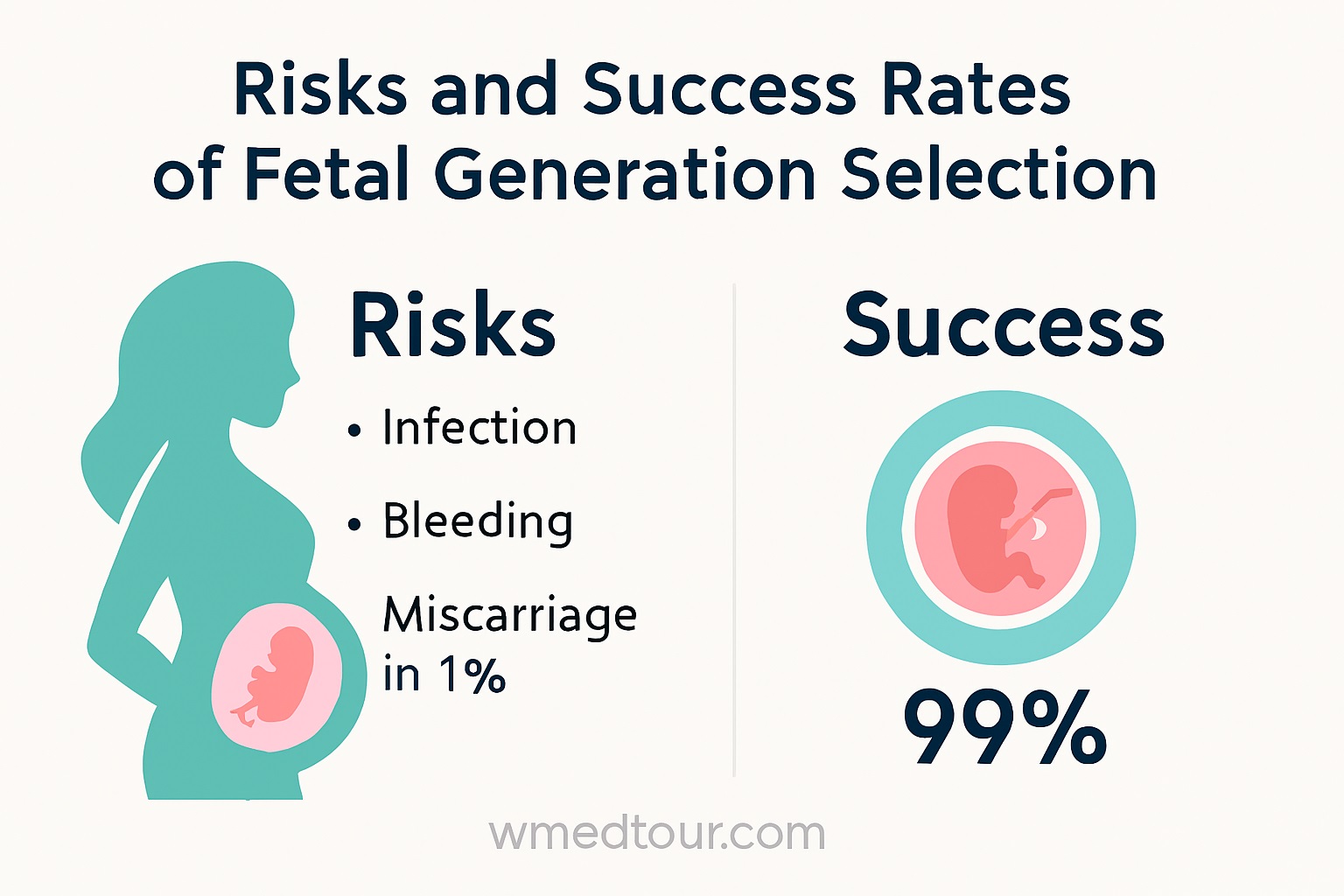
In 2026, fetal gender selection has transitioned from a futuristic concept to a highly precise medical reality. This guide provides a detailed look at the clinical pathways available for parents. While technical accuracy is nearly 100% with modern methods like PGT-A, the journey involves significant emotional and financial investments. We analyze the primary methods including IVF with genetic screening. We also highlight the importance of choosing accredited international centers. This article emphasizes that while the science is robust, understanding the ethical landscape and medical risks is vital for any prospective parent.
This guide addresses a diverse audience seeking clarity on reproductive technologies. It is specifically designed for:
Fetal gender selection refers to the medical process of choosing the sex of a baby before a pregnancy is established. In 2026, the gold standard remains Preimplantation Genetic Testing for Aneuploidy (PGT-A). This process occurs during an In Vitro Fertilization (IVF) cycle. However, the decision to pursue this path is complex. Science has advanced significantly, making the process safer and more accessible. Despite this, patients must navigate varying international laws and clinical protocols.
Modern laboratories now use Next-Generation Sequencing (NGS) to examine embryos. This technology allows doctors at the oncology department and fertility centers to see chromosomal health. They can identify the presence of XX or XY chromosomes with near-perfect accuracy. Consequently, the term “gender selection” is often a byproduct of a broader health screening. This ensures that only the healthiest embryos are transferred to the uterus.
Entering the world of assisted reproduction requires a steady mindset. Many parents feel a mix of excitement and anxiety. Transitioning into this phase often requires support from specialists found in our about us section. Ethics play a massive role as many countries restrict selection for non-medical reasons. Therefore, many families seek care in regions where family balancing is legally protected and clinically supported.
This is the most effective method available today. The process begins with standard IVF protocols. After egg retrieval and fertilization, the resulting embryos grow for five days. At the blastocyst stage, a few cells are biopsied. These cells reveal the genetic makeup without harming the embryo. This method is highly recommended for those visiting a checkup department for fertility assessments.
While less common than PGT-A, sperm sorting technologies like MicroSort attempt to separate X and Y-bearing sperm. This happens before insemination. However, the success rates are lower than genetic testing. It is often used in conjunction with Intrauterine Insemination (IUI). Many patients explore this at Iran medical centers due to the advanced technology available there.
| Method | Accuracy | Complexity | Primary Use |
|---|---|---|---|
| PGT-A (IVF) | >99% | High (Invasive) | Medical & Balancing |
| Sperm Sorting | 70-85% | Moderate | Pre-conception |
| Natural Methods | 50% (Random) | Low | Non-medical |
Your journey begins with a telemedicine consultation. During this call, fertility specialists review your medical history. They discuss your goals for fetal gender selection. This stage is crucial for managing expectations and understanding the legalities involved.
Before traveling to Mashhad or other hubs, you undergo blood work. This includes hormone testing and ultrasound. If you have concerns about other health areas, you might visit the cardiac surgery or ophthalmology department for a full pre-op clearance.
The mother undergoes ovarian stimulation for about 10-12 days. This is followed by a minor surgical procedure for egg retrieval. These eggs are then fertilized in the lab. If there are any unrelated issues, such as a need for plastic surgery after pregnancy, those are noted for future planning.
Once embryos reach day five, the biopsy occurs. Samples are sent to a genetics lab. Within a week, a report identifies the gender and health of each embryo. You then choose which embryo to transfer back to the uterus.
Safety is the cornerstone of modern reproductive medicine. However, no medical procedure is without risk. Ovarian Hyperstimulation Syndrome (OHSS) is a potential complication of IVF. Furthermore, the biopsy process carries a less than 1% risk of damaging the embryo. Transitioning to a high-volume clinic significantly reduces these risks. According to research from Cambridge University, the expertise of the embryologist is the most critical factor in success.
Studies continue to show that children born via IVF and PGT-A are as healthy as naturally conceived children. Nevertheless, follow-up care is essential. Patients are encouraged to utilize our contact us page to coordinate post-transfer monitoring. This ensures the pregnancy progresses safely under expert guidance.
Sarah and Mark had three wonderful boys but always dreamt of a daughter. They decided to pursue fetal gender selection through an international program. Initially, they were hesitant about the IVF process. However, after a thorough consultation with a fertility expert from our departments list, they felt confident. They traveled for treatment, combined with one of our tours in Iran. They successfully produced two healthy female embryos. Today, they are the proud parents of a baby girl. Their story highlights how modern technology can fulfill personal family goals when combined with expert medical care.
| Service Component | Estimated Cost (USD) | Note |
|---|---|---|
| Full IVF Cycle | $4,500 – $8,000 | Includes medications |
| PGT-A (up to 8 embryos) | $2,000 – $3,500 | Essential for gender |
| Embryo Transfer | $1,000 – $2,000 | Per attempt |
Recovery after egg retrieval is generally quick. Most patients return to light activities within 24 hours. While waiting for genetic results, many families take the opportunity to explore. Enjoying tours in India or Oman can turn a clinical trip into a memorable vacation. Transitioning from the stress of treatment to a relaxing environment promotes better outcomes. Our coordinators assist with all logistics, from dental checkups to specialized surgical appointments, ensuring a seamless experience.
The information provided in this article is for educational purposes only. It does not constitute medical advice, diagnosis, or treatment. Always seek the advice of a qualified healthcare provider. Furthermore, fetal gender selection is subject to local laws. Ensure your chosen path complies with the regulations of both your home country and the treatment destination. For more information, visit our faq section or consult with a legal professional.
1. Is fetal gender selection 100% accurate in 2026?
With PGT-A, the accuracy of identifying the embryo’s sex is over 99.9%. Errors are extremely rare and usually related to laboratory anomalies rather than technology failure.
2. Can I choose the gender without doing IVF?
No, medical gender selection requires embryos to be created outside the body to be tested. Natural methods or “diets” have no scientific basis for choosing sex.
3. How long does the whole process take?
From the first consultation to embryo transfer, the process usually takes 2 to 3 months, depending on your biological cycle and lab timelines.
4. Are there any health risks for the baby?
Extensive research indicates that children born via IVF and PGT-A have health profiles identical to those conceived naturally. The screening actually reduces the risk of many genetic conditions.
5. Which country is best for family balancing?
Countries like the USA, UAE, and Iran are popular because they offer advanced PGT-A technology and favorable legal frameworks for non-medical gender selection.
6. What happens if no embryos of the desired gender are found?
This is a possibility. In such cases, patients can choose to transfer a healthy embryo of the other gender or start a new IVF cycle.
7. Does insurance cover gender selection?
Most insurance plans do not cover gender selection unless it is medically necessary to prevent a sex-linked genetic disorder.
8. Is there an age limit for this procedure?
While there is no strict legal age limit, success rates decline as maternal age increases due to egg quality. Most clinics recommend treatment before age 45.
9. Can I do this if I already have children?
Yes, many patients seek this technology specifically for family balancing after having one or more children of the same sex.
10. How many embryos are usually tested?
On average, clinics test between 4 and 10 embryos per cycle, depending on how many eggs are successfully retrieved and fertilized.
11. Is sperm sorting as good as embryo testing?
No, sperm sorting only increases the probability, whereas embryo testing (PGT-A) provides a definitive genetic confirmation before pregnancy.
12. Where can I find reputable clinics for this?
You can browse our list of doctors and accredited hospitals on the WMedTour portal for verified options worldwide.
By understanding the Fetal Gender Selection: Risks, Success Rates & Your Options in 2026, you empower your family to make the best reproductive choices. Contact us today to start your journey toward a balanced family future.
Neuro Oncology deals with some of the most complex and challenging cancers affecting the brain and nervous system. For patients seeking advanced, compassionate, and affordable

Gynecological Oncology in Turkey Gynecological cancers such as ovarian, uterine, and cervical cancer affect millions of women worldwide every year. Choosing the right place for

Seeking effective, affordable treatment for Gastrointestinal Cancer in Turkey? Look no further! Turkey, a global leader in medical tourism, offers state-of-the-art hospitals and internationally trained

Why Choose Turkey for Breast Cancer Treatment? A breast cancer diagnosis can be overwhelming, but you don’t have to face it alone. Turkey has become