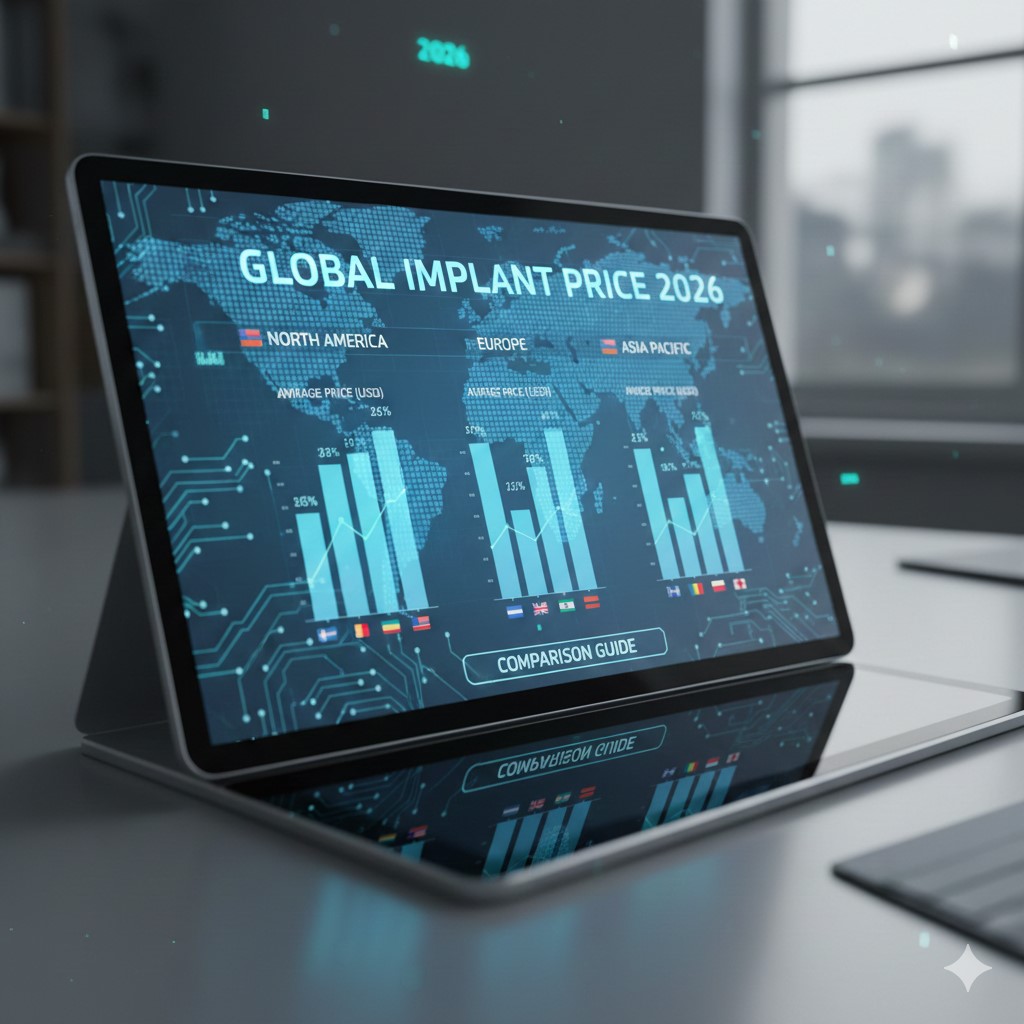
🌍 Global Implant Price Comparison 2026: The Ultimate Medical Tourism Guide
Executive Summary: Key Takeaways on Global Implant Price 💰
Seeking an affordable yet high-quality implant procedure abroad? This comprehensive guide provides a critical **global implant price** comparison for 2026, focusing on dental, orthopedic, and cosmetic implants. We reveal that countries like Iran and Turkey offer significant cost savings—often 50% to 80% less than Western nations—without compromising on clinical excellence. Furthermore, factors such as implant type, brand, and the surgeon’s experience heavily influence the final price. Therefore, proper research is absolutely essential for safe and economical medical travel.
- Cost Savings: Destinations like Iran, Turkey, and India present the most compelling value for the **global implant price**.
- Procedure Focus: Dental implants generally show the widest price variation globally.
- Quality Assurance: Always prioritize certified clinics and experienced specialists, even when seeking lower costs.
- Hidden Costs: Remember to budget for travel, accommodation, and post-operative care.
1. Introduction: Why Global Implant Price Matters in 2026 🔍
The pursuit of better health and aesthetics increasingly drives patients across international borders. Consequently, comparing the **global implant price** has become a crucial step in modern healthcare planning. In 2026, the cost of medical procedures, especially those involving implants, varies dramatically worldwide. This disparity is primarily due to differences in labor costs, national economic structures, and medical insurance landscapes. Consequently, many individuals can access premium medical care, such as dental or orthopedic implants, by simply considering medical travel. Indeed, this article provides an authoritative and empathetic breakdown of costs to empower your decision-making.
Understanding the Different Types of Implants and Their Cost Drivers
Implants span a broad range of medical fields. For instance, dental implants replace missing teeth. Similarly, orthopedic implants reconstruct joints, such as hip or knee replacements. Orthopedic medical tourism remains a major sector. Moreover, cosmetic implants, like breast or gluteal implants, enhance physical appearance. Importantly, the type of implant significantly impacts the **global implant price**.
- ✅ Dental Implants: These include the abutment, crown, and the implant itself. Their price relies heavily on the implant brand (e.g., Nobel Biocare, Straumann).
- ✅ Orthopedic Implants: These involve highly specialized materials like titanium and polyethylene. Furthermore, the complexity of the joint replacement (e.g., Total Hip Replacement or affordable hip replacement surgery) dictates the final price.
- ✅ Cosmetic Implants: The cost is influenced by the material (e.g., silicone vs. saline) and the surgical technique used.
In addition to material costs, the procedure’s complexity and the surgeon’s fee substantially contribute to the total expenditure. Therefore, a successful comparison of the **global implant price** must account for these variables.
2. Deep Dive: Global Implant Price Comparison Table 2026 📈
Consequently, the following table offers a detailed comparison of the approximate all-inclusive prices for common implant procedures across selected top medical tourism destinations and Western nations. These prices are estimates for 2026, encompassing the surgical fee, implant material cost (standard quality brand), hospital stay, and basic medication. Note that these figures serve as a guide; actual costs may fluctuate based on specific patient needs and chosen implant brands. Dental implants are a primary area of interest for many patients.
| 🌏 Country | 🦷 Dental Implant (Single Tooth) | 🦴 Total Knee Replacement (TKR) | 👱 Breast Augmentation (Implants) | 💰 Cost Saving vs. USA (Approx.) |
|---|---|---|---|---|
| USA/Canada | $3,500 – $6,000 | $35,000 – $55,000 | $8,000 – $15,000 | N/A |
| United Kingdom | $2,800 – $4,500 | $18,000 – $25,000 | $6,500 – $12,000 | 40% – 60% |
| Germany | $3,000 – $5,000 | $20,000 – $30,000 | $7,000 – $13,000 | 30% – 50% |
| Turkey (Excellent Option) | $700 – $1,500 | $8,000 – $14,000 | $3,500 – $6,000 | 65% – 85% |
| 🇮🇷 Iran (Excellent Option) | $450 – $1,200 | $6,500 – $10,000 | $2,500 – $5,000 | 70% – 88% |
| India | $600 – $1,400 | $7,000 – $11,000 | $3,000 – $5,500 | 70% – 85% |
| South Korea | $1,800 – $3,500 | $15,000 – $22,000 | $5,000 – $9,000 | 40% – 60% |
Furthermore, this data clearly illustrates the massive savings possible through medical travel. Specifically, destinations like Turkey and **Iran** offer the most competitive **global implant price**. Therefore, they represent exceptional value for money when you factor in their high standards of care and modern medical facilities. For those interested in dental procedures, you can explore the dental implant placement process.
3. Country Spotlights: Quality and Cost Synergy 🏥
When assessing the **global implant price**, it is imperative to look beyond the dollar figure. Instead, one must weigh cost against the quality of care, surgeon expertise, and the overall patient experience. Consequently, we highlight key destinations that successfully balance affordability and excellence, ensuring you receive world-class treatment.
Iran: The Unmatched Value Proposition 🇮🇷
Iran consistently provides one of the lowest global implant price points. However, low cost does not imply low quality. On the contrary, Iran boasts highly skilled, internationally trained surgeons, especially in fields like orthopedic, dental, and cosmetic surgery. The Iranian government’s investment in healthcare infrastructure and low operational costs enable these exceptional prices. Medical travel to Iran offers unparalleled affordability. Furthermore, many clinics utilize internationally recognized implant brands, ensuring material quality. Therefore, for patients seeking significant savings without compromising safety, Iran stands out as an outstanding choice. You can find more information on local regulations in the complete legal medical travel guide Iran regulations.
- ✔ Pros: Lowest cost for the **global implant price**, high surgeon expertise, use of reputable implant brands.
- ✖ Cons: Requires a medical visa, cultural differences require preparation.
Turkey: The Medical Tourism Hub 🇹🇷
Turkey is firmly established as a global leader in medical tourism. It offers a highly competitive **global implant price**, significantly below Western Europe or the US. Specifically, in cities like Istanbul, patients find state-of-the-art hospitals and surgeons specializing in various implant procedures, including dental and hair restoration. Hair transplant costs in Turkey, for example, are famously low. Consequently, Turkey’s strong emphasis on patient experience, coupled with its geographical accessibility, makes it a consistently attractive option. Moreover, Turkish clinics frequently achieve international accreditations.
- ✔ Pros: Modern facilities, high volume of procedures, easy travel access, comprehensive package deals.
- ✖ Cons: Pricing can vary widely between providers; requires careful vetting of clinics.
India: Quality and Scale 🇮🇳
India is another powerhouse in the medical tourism sector. It offers a low **global implant price** due to massive healthcare infrastructure and a highly competitive market. Specifically, India excels in complex procedures like Total Knee Replacement and heart surgery. Their surgeons are renowned globally. However, patients must diligently research and select accredited hospitals to ensure Western standards of hygiene and care. The sheer scale of India’s medical system ensures experienced specialists are readily available.
- ✔ Pros: Very low costs, globally recognized surgeons, high-tech hospital networks.
- ✖ Cons: Quality variation can be high; travel logistics can be complex.
4. Factors Influencing Global Implant Price Beyond Location ⚙️
While geography plays a huge role in the **global implant price**, several other critical factors determine your final bill. Understanding these elements enables you to budget accurately and make informed decisions, ensuring no unexpected costs arise during your medical journey. This comprehensive view is essential for effective global medical tourism guide 2025 planning.
Implant Brand and Material
The brand of the implant is often the single most significant factor in its cost. Premium brands, such as those made in Switzerland or the USA, naturally command a higher price. Consequently, they offer extensive research and lifetime warranties. Conversely, good quality, locally produced implants or recognized Korean/European brands can reduce the **global implant price** significantly. For instance, in dental surgery, premium titanium implants are more expensive than ceramic or lower-grade metal options. Therefore, discussing implant options with your surgeon, specifically regarding brand and material, is crucial for cost management. A clear understanding of implant longevity and material composition is key to making a sound investment in your health.
Surgeon’s Experience and Reputation
A highly experienced, world-renowned surgeon will inevitably charge a higher fee. This surcharge reflects their skill, lower complication rates, and years of specialized practice. Consequently, Western countries’ high cost is often linked to elevated surgeon fees. In medical tourism hubs, however, excellent surgeons offer lower fees due to the local economy, even maintaining high standards. Importantly, always vet your surgeon’s credentials thoroughly, as outlined in our guide on choosing a surgeon clinic abroad checklist, before committing to a procedure, regardless of the **global implant price**.
The All-Inclusive Package Phenomenon
Many clinics, especially in Turkey and **Iran**, offer attractive “all-inclusive” packages. These typically bundle the surgery, implant cost, hospital stay, medication, airport transfers, and sometimes even accommodation and translator services. While seemingly higher upfront, these packages often prove to be the most cost-effective way to secure the best **global implant price**. Therefore, meticulously review what the package covers to avoid unexpected fees. For example, some packages might exclude pre-operative blood tests or post-operative physical therapy.
5. Patient Journey and Hypothetical Case Study 👨⚕️
To truly understand the implications of the **global implant price** comparison, let’s explore a hypothetical patient journey. This example illustrates the potential savings and process involved in seeking a procedure abroad.
Case Study: David’s Knee Replacement Journey
David, a 62-year-old retired engineer from the United States, required a Total Knee Replacement (TKR). His local quotes in Florida ranged from $45,000 to $60,000, which his insurance did not fully cover, leaving a substantial out-of-pocket expense.
The Decision: David researched destinations with a competitive **global implant price**. He chose a reputable, internationally accredited hospital in **Iran** known for its specialized orthopedic department. He consulted with an international medical tourism facilitator.
The Cost Breakdown:
- TKR All-Inclusive Package (Surgery, Implant, 5-day hospital stay, physical therapy, transfers): $9,000
- Round-trip Flights to Tehran: $1,500
- Accommodation (10 extra recovery days): $800
- Miscellaneous (Visa, Food, local travel): $700
Total Expenditure: $12,000
The Outcome: David underwent a successful surgery with a top Iranian orthopedic surgeon, Dr. Alavi. He received excellent post-operative care and was highly satisfied with the result. **He saved over $33,000** compared to the lowest US quote. His journey demonstrates that a lower **global implant price** can indeed be achieved with high-quality outcomes. Furthermore, David utilized resources on orthopedic surgery department procedures.
6. Who is This For? 🧑⚕️
This detailed comparison of the **global implant price** is highly relevant for several specific groups. These individuals and professionals can benefit most from understanding the international medical landscape in 2026. Therefore, recognizing if you fall into one of these categories will clarify your next steps.
- 👉 Uninsured or Underinsured Patients: Individuals facing exorbitant out-of-pocket costs in their home country for essential procedures like dental or joint implants. The massive savings offered by countries like **Iran** and Turkey make treatment accessible.
- 👉 Patients Seeking Cosmetic Enhancements: People looking for more affordable cosmetic implants (e.g., breast, gluteal, facial) where insurance coverage is non-existent. The low **global implant price** in destinations like Turkey makes these procedures more attainable.
- 👉 Medical Tourism Professionals and Researchers: Industry analysts, insurance brokers, and healthcare administrators needing up-to-date 2026 data on international pricing trends. This data helps in developing competitive healthcare plans.
- 👉 Retirees and Expats: Individuals living on a fixed income or residing abroad who require cost-effective, high-quality healthcare solutions. Global medical treatment regulations are essential reading for this group.
7. The Future of Global Implant Pricing: Trends for 2026 and Beyond 📉
The landscape of the **global implant price** is dynamic, influenced by technological advancements and geopolitical shifts. Consequently, understanding these emerging trends is vital for future medical planning.
The Impact of 3D Printing and Advanced Manufacturing
The increasing use of 3D printing in personalized implant manufacturing is set to disrupt the cost structure. As this technology becomes more mainstream, the production cost of custom implants (especially dental and orthopedic) may drop. This innovation will put downward pressure on the global implant price in countries that adopt it early, potentially including medical tourism leaders. Moreover, this allows for better patient-specific outcomes. The integration of technology in diagnostics, such as in Preimplantation Genetic Testing (PGT), also impacts related medical costs.
Economic Inflation and Currency Fluctuations
Global inflation rates, particularly in 2026, will continue to affect the pricing of medical materials and labor. Furthermore, the local currency value in medical tourism destinations significantly impacts the final price for international patients. A weaker local currency often translates to a more attractive global implant price for those paying in USD, EUR, or GBP. This is one major factor contributing to the affordability in countries like **Iran** and Turkey. You should monitor currency trends closely when planning your trip.
In conclusion, the trend toward affordable, high-quality care abroad is only accelerating. However, patients must conduct thorough research, use reputable services like WMEDTOUR, and prioritize safety and accreditation over sheer cost reduction. Consequently, an informed decision on the global implant price leads to a successful medical journey.
Suggestion: Considering a dental tourism trip for implants? Weigh the potential cost savings and access to specialized care against the risks of complications and fragmented post-operative care.
8. Pros and Cons of Seeking a Lower Global Implant Price Abroad ♻️
Choosing to pursue a lower **global implant price** through medical travel involves weighing significant benefits against certain risks. Therefore, a balanced view is essential before booking your travel.
📉 Pros: The Advantages of International Implant Procedures
- Massive Cost Savings: As demonstrated, savings can range from 50% to 88%, making life-changing procedures accessible.
- Immediate Access to Care: Avoid long waiting lists often found in public healthcare systems in the West.
- High-Quality Infrastructure: Many medical tourism hospitals, especially in Turkey and **Iran**, boast modern, world-class technology and facilities.
- Travel and Recovery: Combine necessary medical treatment with a recuperative holiday experience.
🚨 Cons: The Potential Risks
- Travel and Logistics Complexity: Requires planning for visas, accommodation, and post-operative recovery periods. Consult our pre-travel resources checklists for patients.
- Aftercare Continuity: Follow-up care once you return home may present challenges, requiring coordination with your local doctor.
- Quality Control Variability: While top clinics are excellent, the risk of unaccredited or low-standard providers is present. Always check for international accreditations.
- Communication Barriers: Language can be an issue if the clinic does not provide a professional translator.
9. Frequently Asked Questions (FAQ) About Global Implant Price ❓
We address the most important and common questions related to comparing the **global implant price** and making the best choice for medical travel.
What is the most significant variable affecting the global implant price?
The single largest variable is the country’s economic structure, specifically the difference in labor and overhead costs. This explains the vast cost difference between the US and countries like **Iran** or Turkey.
Do cheaper implants, like those in Iran, use low-quality materials?
Not necessarily. While very cheap, unaccredited clinics might use lower-grade materials, top-tier hospitals in Iran and Turkey frequently use the same high-quality, internationally recognized implant brands (e.g., FDA-approved or CE-marked) as Western facilities. The low cost stems from operational savings, not material skimping. You must verify the brand and certification of the implant before your procedure.
Is the cost of travel and accommodation included in the global implant price comparison?
The primary comparison focuses on the procedure’s all-inclusive cost. However, the travel table (Section 2) provides an estimated total cost, including flights and lodging, demonstrating the overall savings remain substantial, even with travel expenses factored in. Review our fertility treatments pre-travel checklist for broader planning.
How can I verify the quality and credibility of a surgeon abroad?
Check for international accreditations such as Joint Commission International (JCI), verify their education at a university website (e.g., Johns Hopkins Medicine), and ask to see patient testimonials and before/after photos. Furthermore, only work with reputable medical tourism facilitators like WMEDTOUR.
Which implant type shows the biggest variation in the global implant price?
Dental implants, specifically single-tooth replacements, show the most significant price variation globally, ranging from $450 in Iran to over $6,000 in the USA.
Are the warranties for implants the same when procedures are done abroad?
The warranty on the *implant itself* (e.g., a dental implant screw) is typically provided by the manufacturer and is global, regardless of where it was placed. However, the warranty on the *surgical work* is provided by the clinic, and this duration varies. Always clarify the surgical warranty before proceeding.
Does the cost of a complex procedure like a cochlear implant also follow this cost trend?
Yes. Even with highly specialized, expensive devices like cochlear implants (see cochlear implant surgery), the surgical and hospital fees are significantly lower in countries like India and **Iran**, making the total global implant price much more affordable.
Why is the price for a Total Knee Replacement so much cheaper in Iran than in Germany?
The primary reason is the difference in the cost of living and the resulting lower operational overhead, including surgeon and nurse salaries, hospital operating costs, and administrative fees. Additionally, the exchange rate often favors the medical tourist.
Should I expect to pay any taxes or extra fees upon arrival?
If you choose a truly all-inclusive package, the price should cover everything mentioned in the contract. However, ensure the quoted **global implant price** specifically includes local taxes or hospital fees. Ask for a written, itemized quotation to prevent any surprises.
How do I arrange post-operative follow-up after returning home?
You should secure a local doctor willing to perform the necessary follow-up checks (e.g., suture removal, physical therapy) before your trip. The hospital abroad should provide a complete medical report and discharge summary to facilitate this transition.
Does the lower cost impact the quality of the hospital’s general services?
In accredited, top-tier medical tourism hospitals, you will often find services comparable to—or exceeding—Western standards, including private rooms, excellent nursing care, and modern technology. The lower **global implant price** reflects systemic economic differences, not necessarily lower service quality.
What is the recommended average length of stay for an implant procedure abroad?
For a dental implant, expect a minimum of two trips, or one extended trip of 10-14 days. For major orthopedic implants like a Total Knee Replacement, plan for 10-14 days for the procedure and initial supervised recovery. This also relates to planning for global hair transplant procedures.
Are the orthopedic implant devices (like those for Total Knee Replacement) in Iran and Turkey also internationally certified?
Yes, leading hospitals in Iran and Turkey, like the one in our case study, commonly use internationally certified and FDA-approved orthopedic implants from manufacturers in the USA, Germany, or Switzerland. Always ask for the implant’s certification details.
How does the global implant price for cosmetic procedures compare?
Cosmetic implant procedures, such as breast augmentation in Iran, follow the same trend. Prices in Turkey and Iran are dramatically lower than those in the US or UAE, making them prime destinations for plastic surgery in 2025.
What role do medical tourism agencies like WMEDTOUR play in securing a good global implant price?
Agencies negotiate group rates with hospitals, provide transparent all-inclusive package pricing, handle all logistics (visas, transfers), and offer an extra layer of quality assurance by vetting surgeons and facilities. This ensures you get the best global implant price safely.
Are there non-surgical implant procedures, and how is their cost affected?
While most implants require surgery, some non-surgical treatments affect the overall health of implants, such as bone density treatments. These secondary costs also tend to be lower in medical tourism destinations.