Global Medical Tourism 2026: Your Ultimate Guide to Health and Wellness Travel
Discover world-class care, cost savings, and seamless travel.
Table of Contents
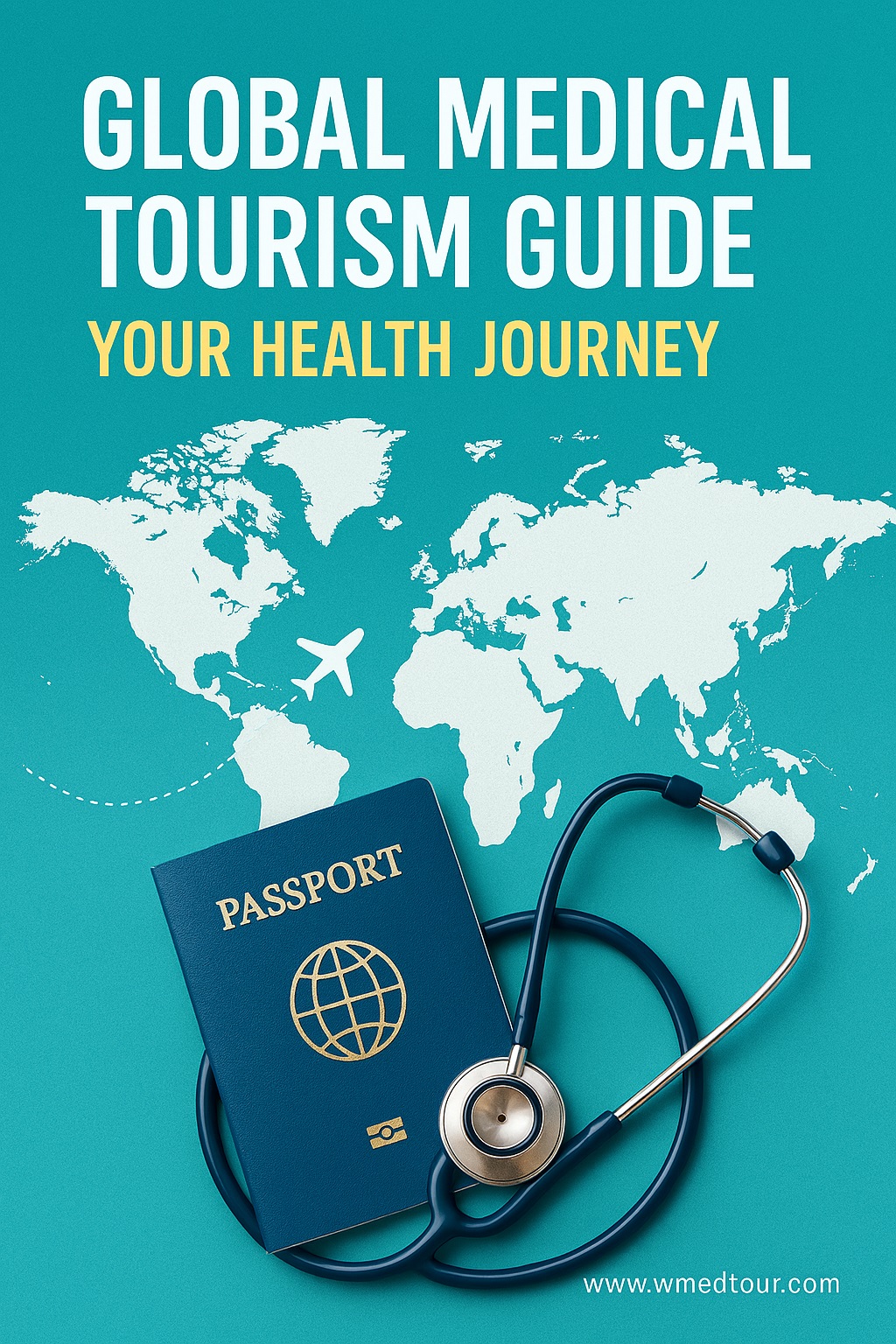
In 2026, the landscape of global healthcare is undergoing a dramatic transformation, and **global medical tourism** is leading the charge. Millions of people are now choosing to travel abroad for medical procedures, seeking not only significant cost savings but also access to cutting-edge treatments and shorter waiting times. This comprehensive guide will show you why **global medical tourism** is a powerful choice for your health journey, highlighting the latest trends and best destinations. As you explore this world of possibilities, remember to visit wmedtour.com for the best results and a smooth, supported experience.
Why Global Medical Tourism Is Booming in 2026
The rise of **medical tourism** is no accident; it is a direct response to a number of pressing needs. For example, many people face prohibitively high healthcare costs in their home countries. In contrast, destinations like Iran, India, and Turkey offer the same high-quality care at a fraction of the price. The **global medical tourism** market is projected to reach approximately $43.51 billion in 2026, showing immense growth. Furthermore, patients from countries with long public healthcare waiting lists can get immediate, life-changing treatment abroad. Simply put, **medical tourism** offers a pathway to health that is both affordable and accessible. Our team of experts provides top-tier cosmetic and dental services. Learn more about our dental services here.
Key Trends Shaping Medical Tourism This Year
First and foremost, technology is a game-changer. The integration of AI in diagnostics and robotic surgeries is becoming more commonplace in leading **medical tourism** hubs, ensuring greater precision and faster recovery times. Additionally, the rise of telehealth has made pre-trip consultations and post-operative follow-ups easier than ever before. This also means you can get expert advice before you even book your flight. As a result, the entire patient journey is becoming more seamless and connected. Furthermore, there is a growing trend towards **specialized, all-inclusive packages**. These bundles often include everything from flights and accommodation to airport transfers and post-operative rehabilitation. This makes the entire process incredibly straightforward for international patients. Consequently, you can focus entirely on your recovery, not on complex logistics.
How to Choose the Right Medical Tourism Destination
Finding Your Ideal Medical Destination: A Step-by-Step Guide to Global Medical Tourism
Step 1: Research Quality and Accreditation
Your health should always be the top priority. Therefore, before you consider any destination, research the accreditation of its hospitals and clinics. Look for internationally recognized certifications like the Joint Commission International (JCI). JCI accreditation ensures that a facility meets strict global standards for patient safety and quality of care. This due diligence is critical for your peace of mind.
Step 2: Compare Costs and Value
While cost is a major driver, it is important to look at the total value. This means comparing not just the procedure price, but also the costs of travel, accommodation, and any necessary post-operative care. Countries like Iran, India, and Turkey are particularly well-known for providing exceptional value without compromising on quality. In fact, you can save **50-80%** compared to prices in the U.S. and Europe. This is a crucial factor in making an informed decision about your medical journey abroad.
Step 3: Consider the Recovery Environment
A successful medical journey extends beyond the operating room. Consequently, the recovery environment plays a vital role in your healing process. Many **medical tourism** hubs offer not just top-tier medical facilities but also serene and beautiful locations for recuperation. You might find a quiet coastal town, a lush mountain retreat, or a historic city to help you relax and recover. This allows you to blend your medical trip with a restorative holiday. Our Rehabilitation Services are designed to help you regain function and independence.
Medical Tourism Destinations: A Comparison
When selecting a destination, a side-by-side comparison of leading countries can be incredibly helpful. Here is a table showcasing why Iran, India, and Turkey are top choices for medical travelers in **2026**.
| Feature | Iran | India | Turkey |
|---|---|---|---|
| Main Specialties | Cosmetic surgery, nose reshaping (rhinoplasty), fertility treatments, dentistry, and ophthalmology. | Cardiac surgery, orthopedics, transplants, fertility treatment, and advanced cancer care. | Hair transplants, cosmetic surgery, dental care, and eye surgery. |
| Cost Savings | Often the most cost-effective option, with procedures being slightly cheaper than in India and Turkey. | Offers some of the lowest prices globally, especially for complex surgeries. Savings can be up to 90% compared to Western countries. | Highly competitive pricing, especially for elective and cosmetic procedures. All-inclusive packages are very common. |
| Key Advantages | World-class quality at incredibly competitive prices. The country has highly skilled, board-certified surgeons and modern facilities. The recent launch of a digital platform further streamlines the process for foreign patients. | JCI-accredited hospitals with a large pool of English-speaking staff. It is a leader in complex surgeries due to its advanced infrastructure and experienced specialists. | A blend of advanced medical technology and a luxurious patient experience. The strategic location between Europe and Asia makes it a convenient travel hub. |
While this table gives you a clear overview, the best destination depends on your specific needs. However, it is evident that Iran, India, and Turkey consistently rank as top choices for **global medical tourism** due to their unbeatable combination of quality and affordability. For instance, a rhinoplasty in Iran can cost as low as **$1,200**, while in Turkey, it averages around **$2,500** and in India, **$1,800**—all significantly lower than in many Western countries. Our cardiac surgery department is ready to provide world-class care.
What to Expect from Your Global Medical Tourism Experience
The **medical tourism** journey is designed to be seamless, with professional facilitators guiding you every step of the way. Therefore, once you choose a destination and procedure, your journey usually involves an initial online consultation, followed by travel arrangements and a stay in the host country for treatment and recovery. It is a truly integrated experience that takes the stress out of seeking healthcare abroad. The World Tourism Organization emphasizes the importance of a holistic approach, where a person’s well-being is considered throughout their journey. This is where a trusted partner like Wmedtour comes in. We offer a network of top hospitals and specialists in destinations like Iran, India and Turkey. Our goal is to make sure your **global medical tourism** journey is safe, effective, and stress-free. It is highly recommended to seek the assistance of a medical tourism facilitator, as the process can be complex.
In addition, to ensure a smooth trip, it is wise to be aware of the World Health Organization’s (WHO) guidelines regarding international travel and health. Furthermore, staying informed about travel policies and legal rights is crucial. The World Health Tourism Congress also provides valuable resources and insights into patient safety. To learn more, check out the World Health Tourism Congress website. For a deeper understanding of the patient experience, consider looking at academic resources, such as this scoping review on ResearchGate, which sheds light on the motivations and challenges faced by medical tourists. With the right planning, your **global medical tourism** experience can be life-changing and a testament to the power of global healthcare. Explore our cosmetic surgery options to start your transformation.
Ready to Start Your Medical Journey?
Don’t wait to get the care you need. Explore your options and connect with world-class specialists today.
Frequently Asked Questions (FAQ)
What is medical tourism?
Medical tourism is the practice of traveling to another country to receive medical, dental, or surgical care. The primary reasons for this travel are usually to seek lower costs, shorter waiting times, or access to treatments and technologies not available in one’s home country. It is a rapidly growing global industry that offers patients a viable alternative to domestic healthcare.
What are the top medical tourism destinations in 2026?
In 2026, the leading destinations are Iran, India, Turkey, Thailand, South Korea, and Mexico. These countries are popular due to their high-quality medical facilities, skilled professionals, and competitive prices. Each destination has its own specialties, such as Iran for cosmetic surgery, India for complex cardiac procedures, and Turkey for hair transplants.
How much can I save on medical procedures with global medical tourism?
Cost savings are a major motivator for **medical tourism**. Patients can typically save between 40% and 80% on medical procedures compared to the costs in countries like the United States, the UK, or Canada. For instance, a heart bypass surgery in India can cost as little as $7,000, while the same procedure might exceed $80,000 in the U.S.
Is medical tourism safe?
Medical tourism can be very safe, provided you do thorough research. It’s crucial to choose hospitals that have international accreditation, like JCI, and work with reputable facilitators. A successful outcome depends on the quality of the medical team and the facility, so always verify credentials and read patient testimonials.
What types of treatments are popular in medical tourism?
A wide range of treatments are sought by medical tourists. The most popular procedures include cosmetic surgery, dental work, orthopedic surgery (like hip and knee replacements), cardiovascular surgery, fertility treatments, and cancer care. Many people also travel for more specialized treatments or alternative therapies.
How do I arrange a medical trip?
The easiest way to arrange a medical trip is to work with a **medical tourism** facilitator. They can handle all the logistics, including initial consultations, booking appointments, visa assistance, travel arrangements, and accommodation. This service simplifies the process and ensures a seamless experience from start to finish. Organizations like Wmedtour offer this comprehensive support.
What about post-operative care and follow-up?
Post-operative care is a critical part of the **medical tourism** journey. Many hospitals and facilitators offer a full package that includes a stay in a recovery facility or hotel with nursing support. Additionally, you will often receive instructions for follow-up care with your local doctor, and some clinics offer remote consultations via telehealth after you return home.
What are the potential risks of global medical tourism?
While generally safe, risks can include complications from surgery, language barriers, and legal or ethical concerns if you choose an unaccredited facility. Choosing a reputable **medical tourism** provider minimizes these risks. Always verify a clinic’s credentials and ensure they have a clear communication plan.
How do visa and travel requirements work?
Many countries popular for **medical tourism**, such as Thailand and Iran, have special medical visas or streamlined visa processes for international patients. A **medical tourism** facilitator can guide you through the specific requirements for your chosen destination, making sure all your travel documents are in order.
How do I check the quality of doctors and hospitals?
You can verify a hospital’s quality by checking for accreditations from international bodies like JCI. For doctors, look for board certifications from their respective countries and check if they have memberships in international medical associations. Patient reviews and testimonials are also excellent sources of information. A credible facilitator should provide this information readily.
What is a medical tourism facilitator?
A **medical tourism** facilitator, like Wmedtour, is a professional organization that assists patients in arranging their medical care abroad. They act as a bridge between the patient and the healthcare provider, providing services that include finding the right doctor, booking flights and accommodation, and providing on-the-ground support.
What is the typical duration of a medical trip?
The duration of a medical trip varies significantly depending on the procedure. For minor procedures like dental work, a trip might last only a few days. For more complex surgeries like a hip replacement, you might need to stay for several weeks to ensure proper post-operative care and rehabilitation. Your doctor and facilitator will give you an estimated timeframe.
Can I use my health insurance for medical tourism?
Most standard health insurance policies do not cover medical procedures received outside your home country. However, some insurance companies now offer specific riders or special plans for **medical tourism**. It’s crucial to contact your insurance provider to understand your coverage options before traveling abroad for treatment.
How can I prepare for my medical trip?
Start by gathering all of your medical records and reports. Discuss your plans with your local doctor to get their opinion. Research your chosen destination and the medical facility. Pack a copy of your passport, visa, and all medical documents. A good facilitator will provide a detailed checklist to help you prepare.
What are the benefits of choosing Iran for medical tourism?
Choosing Iran for medical tourism offers several unique advantages, especially for high-quality treatment combined with affordability and comprehensive services. Here’s a detailed overview:
1. High-Quality Medical Care
- Iran has modern hospitals and clinics equipped with advanced technology.
- Many physicians are board-certified, internationally trained, or experienced in specialized procedures, including cancer treatment, cardiac surgery, and cosmetic surgery.
- Hospitals in major cities like Tehran, Shiraz, and Isfahan often meet international accreditation standards.
2. Cost-Effective Treatment
- Treatments in Iran are significantly more affordable than in Europe, the US, or the Gulf countries.
- Patients can often save 50–70% on procedures such as surgeries, dental care, cosmetic procedures, and cancer treatments.
3. Shorter Waiting Times
- Unlike some countries with long hospital queues, Iran’s private hospitals often offer fast access to consultations, diagnostics, and treatment.
- Patients can typically start treatment within days, which is crucial for time-sensitive conditions like cancer.
4. Wide Range of Specialized Services
- Iran is renowned for oncology, cardiac surgery, fertility treatments, dental care, and cosmetic surgery.
- Advanced therapies such as PRP for hair loss, IVF, robotic surgeries, and minimally invasive procedures are widely available.
5. Experienced Medical Tourism Providers
- Many certified medical tourism agencies in Iran offer end-to-end coordination, including visas, travel, accommodation, and hospital appointments.
- Patients receive multilingual support, ensuring comfort and clarity throughout the process.
6. Integration with Wellness and Recovery
- Iran has a rich tradition of wellness, natural therapies, and spa services, which can complement recovery and post-treatment care.
- Hospitals and providers often offer packages combining medical treatment with comfortable accommodation and nutrition guidance.
7. Cultural Comfort and Accessibility
- Iran is geographically and culturally accessible for patients from the Middle East, Central Asia, and Europe.
- Many medical tourism providers speak Arabic, English, and other regional languages, making communication easier.
8. Safe Travel and Strong Infrastructure
- Major cities have international airports, modern hotels, and good transport networks, ensuring a smooth journey for international patients.
- High standards of hygiene and safety are maintained in accredited hospitals and clinics.
Summary
Choosing Iran for medical tourism offers:
✔ High-quality, internationally recognized care
✔ Significant cost savings
✔ Quick access to treatment
✔ Specialized procedures and advanced therapies
✔ Full-service patient support with wellness integration
✔ Cultural comfort and multilingual assistance
What about the language barrier?
Many hospitals and clinics that cater to international patients have English-speaking staff, translators, and patient coordinators to assist you. Facilitators like Wmedtour also provide multilingual support to ensure you can communicate clearly with your medical team and feel comfortable throughout your stay.
What is the role of technology in global medical tourism?
Technology plays a huge role in modern **medical tourism**. Telemedicine platforms allow for virtual consultations before you travel. Robotic surgery enhances precision and reduces recovery time. The use of digital patient portals streamlines the sharing of medical records and test results, making the entire process more efficient and secure.
Can I bring a companion with me?
Yes, many medical tourists choose to travel with a companion, such as a family member or friend. Hospitals and facilitators often provide accommodation and support for companions, recognizing that emotional support is an important part of the healing process. Be sure to discuss this with your facilitator during the planning stage.
What are the benefits of working with a certified medical tourism professional?
Working with a certified medical tourism professional can make a huge difference in both the safety and success of your treatment abroad. Here’s a detailed breakdown of the benefits:
- Expert Guidance and Planning
- They help you navigate complex medical options, hospital choices, and treatment plans.
- Provide personalized recommendations based on your diagnosis, budget, and location preferences.
- Avoid costly mistakes like choosing an underqualified hospital or unsuitable procedure.
- Access to Accredited Hospitals and Top Doctors
- Certified professionals partner only with accredited hospitals and experienced physicians.
- They verify credentials, accreditations, and specialties, reducing risks associated with inexperienced providers.
- Streamlined Logistics
- Handle all travel-related arrangements: visas, flights, accommodation, airport transfers.
- Schedule hospital appointments, diagnostics, and surgeries efficiently.
- Reduce stress and waiting times so you can focus on recovery.
- Cost Transparency
- Provide detailed cost breakdowns, including treatment, hospital fees, medications, and travel.
- Prevent unexpected bills or hidden costs.
- Help you compare costs across hospitals or countries safely.
- Safety and Risk Management
- Monitor for potential complications during treatment and coordinate emergency care if needed.
- Ensure compliance with local regulations and international safety standards.
- Advise on safe complementary therapies, diet, or wellness programs during treatment.
- Multilingual Support and Cultural Guidance
- Assist with language barriers and cultural differences in medical settings.
- Help you understand consent forms, medication instructions, and post-treatment care in your native language.
- Continuity of Care
- Provide follow-up support after treatment abroad.
- Coordinate with your local doctor for ongoing care.
- Ensure treatment records, lab results, and imaging are correctly transferred.
- Stress Reduction and Peace of Mind
- Dealing with serious illness abroad is stressful; certified professionals manage the logistics and coordination, so you can focus on recovery.
- They act as a reliable point of contact in case of changes, delays, or emergencies.
Summary
Working with a certified medical tourism professional gives you:
- Safety, efficiency, and expert guidance
- Access to top hospitals and doctors
- Transparent costs and logistics support
- Peace of mind and continuity of care
In short, they turn a complex, high-stakes medical journey into a safer and more manageable experience.
How can I find a reputable medical tourism provider?
Finding a reputable medical tourism provider—especially for something as important as cancer treatment—takes careful research and verification. Here’s a clear, step‑by‑step guide to help you choose with confidence:
✅ 1. Start With Clear Goals
Before you search, be specific about what you need:
- Type of treatment: e.g., breast cancer surgery, chemo, radiation
- Location preferences: Turkey only or other countries too
- Hospital level: public vs. private
- Budget and insurance coverage
Knowing this makes evaluation easier.
✅ 2. Look for Established Providers
A reputable medical tourism provider should have:
✔ Years of experience arranging treatment abroad
✔ Transparent pricing and what’s included
✔ Dedicated case managers or patient coordinators
✔ Verified partnerships with accredited hospitals
Avoid companies that make unrealistic promises (e.g., guaranteed outcomes, “miracle cures”).
✅ 3. Check Credentials and Accreditation
Good providers should be able to share:
🔹 Hospital accreditations (e.g., JCI — Joint Commission International)
🔹 Physician qualifications and specialties
🔹 Clinic affiliations and team credentials
Accreditation means the facility meets international safety and quality standards.
✅ 4. Read Reviews and Patient Stories
Look for independent reviews on:
- Trustpilot
- Facebook or LinkedIn
- Healthcare review sites
Positive patient testimonials and success stories are important—but also pay attention to how the company handles complaints.
✅ 5. Ask Specific Questions
A trustworthy provider will answer clearly. Ask about:
📌 What’s included in the cost (treatment, hospital fees, accommodation, transport)
📌 Who manages care (do you deal with an actual nurse/doctor or just a salesperson?)
📌 How emergencies are handled
📌 Visa and travel support
📌 Post‑treatment follow‑up plans
Their answers tell you a lot about professionalism and transparency.
✅ 6. Look for Multidisciplinary Support
Because cancer treatment is complex, good providers will offer:
- Medical coordination teams
- Second‑opinion services
- Language interpretation
- Rehabilitation or wellness support
- Follow‑up care plans
This is especially important for treatment continuity once you return home.
✅ 7. Compare Multiple Options
Don’t choose the first company you find. Compare at least 3 providers on:
✔ Price breakdown
✔ Hospital partners
✔ Support services
✔ Communication responsiveness
Reputable companies are patient and thorough—not rushed in their replies.
✅ 8. Verify Local Regulations and Insurance
Check:
- Whether your health insurance covers part of the treatment abroad
- Local rules for foreign patients in the destination country
Good providers will help you with paperwork and claims, not leave you to figure it out alone.
✅ 9. Look for Transparency
A reputable provider should give you:
📍 Formal treatment plans
📍 Written cost estimates
📍 Consent forms in your language
📍 Clear travel and accommodation arrangements
Major red flag if they refuse to put details in writing.
⭐ Bonus Tip: Use Specialized Medical Tourism Platforms
Platforms focused on international treatment (not just travel) tend to be better because they:
✔ Work directly with oncology centers
✔ Provide clinical reviews and outcome data
✔ Offer case managers with medical knowledge
These are far more reliable than generic “health travel” agencies.
In Summary
To find a reputable medical tourism provider:
✔ Define your needs clearly
✔ Check accreditations and partnerships
✔ Read independent reviews
✔ Ask detailed questions
✔ Compare multiple companies
✔ Ensure transparency and support