
🎗️ Gynaecological Cancer: Comprehensive Treatment, Recovery, and Global Care Pathways
📋 Executive Summary
Gynaecological cancer encompasses various malignancies affecting the female reproductive system. This guide provides an in-depth look at diagnosis, modern treatment protocols, and the patient journey. Key takeaways include:
- Early detection through regular Pap smears and HPV tests significantly improves survival rates.
- Treatment often involves a multidisciplinary approach combining surgery, chemotherapy, and advanced radiation.
- Medical tourism offers high-quality, affordable options for gynaecological oncology in leading global hubs.
- Recovery focuses on both physical healing and psychological support to ensure a high quality of life.
🤔 Who is This For?
This comprehensive resource is designed for several groups. First, it serves patients recently diagnosed with a gynaecological malignancy. Second, it provides vital information for family members and caregivers. Third, medical professionals can use this as a reference for patient education. Finally, individuals seeking advanced surgical options in our gynecological surgery department will find detailed insights here.
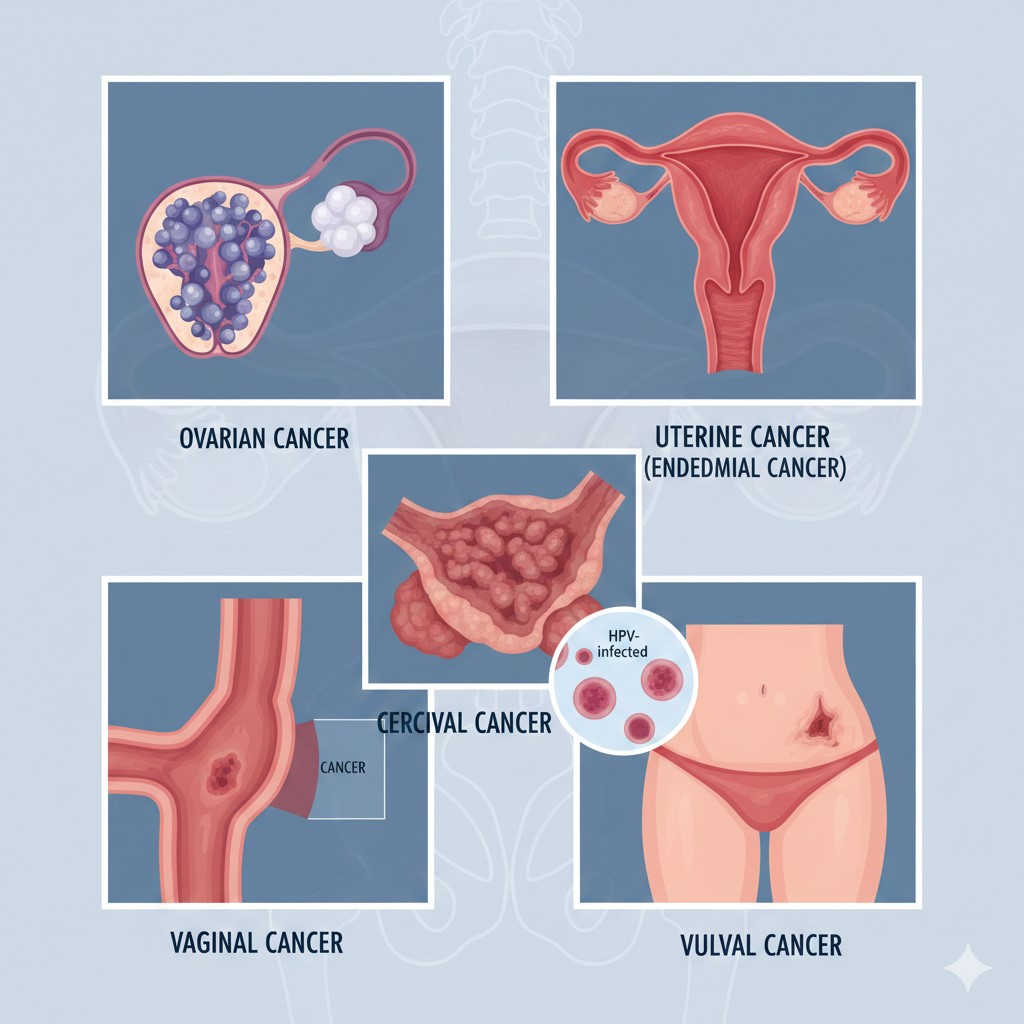
🔬 Understanding Types of Gynaecological Cancer
Gynaecological cancer is not a single disease. It is a group of cancers. These include cervical, ovarian, uterine (endometrial), vaginal, and vulvar cancers. Each type has distinct risk factors and symptoms. Consequently, the clinical approach varies significantly between them. For instance, ovarian cancer surgery often requires extensive debulking. Meanwhile, cervical cancer surgery might focus on localized excision in early stages.
⚠️ Early Warning Signs and Screening
Early intervention is crucial. You should monitor for abnormal vaginal bleeding or pelvic pain. Persistent bloating is another common sign. Because symptoms can be subtle, regular screenings are mandatory. Our womens health checkup packages include the necessary tests to identify issues before they progress. Furthermore, understanding your genetic risk can lead to proactive measures.
⚡ Modern Treatment Modalities
Today, oncology has moved toward personalized medicine. Doctors now tailor treatments to the specific genetic makeup of the tumor. Common strategies include surgery, systemic therapy, and targeted radiation. Many patients choose cancer treatment in turkey due to the availability of robotic-assisted technologies. These methods often lead to faster recovery times and less post-operative pain.
🔪 Surgical Interventions
Surgery remains a cornerstone of treatment. Procedures range from minimally invasive laparoscopy to radical hysterectomy. Surgeons aim to remove as much cancerous tissue as possible. This process is often followed by lymph node mapping. If you are exploring options, our oncology department provides access to world-renowned surgeons. They specialize in fertility-sparing techniques whenever feasible.
💊 Systemic Therapies: Chemo and Beyond
Chemotherapy uses powerful drugs to kill cancer cells. In recent years, immunotherapy has joined the arsenal. This treatment helps your own immune system recognize and attack the cancer. While effective, these therapies require careful monitoring. Patients often undergo regular clinical chemistry tests to ensure their organs are functioning well during treatment. This balance is vital for long-term health.
📊 Comparison of Treatment Approaches
| Treatment Type | Pros | Cons |
|---|---|---|
| Surgery | Direct removal of tumor; immediate results. | Invasive; requires recovery time. |
| Chemotherapy | Treats cancer that has spread. | Significant side effects like fatigue. |
| Radiation | Targeted; preserves organ structure. | Potential damage to nearby healthy tissue. |
🗺️ The Patient Roadmap
Navigating cancer care requires a clear plan. We have outlined a standard journey for international patients. First, the process begins with a telemedicine consultation to review your records. Second, once you arrive, you will undergo advanced pathology and cytology tests to confirm the diagnosis. Third, the multidisciplinary team creates your personalized treatment plan. Finally, the focus shifts to rehabilitation and long-term follow-up.
🏥 Case Study: Sarah’s Journey
Sarah, a 45-year-old teacher, noticed persistent bloating. After a local checkup, she was diagnosed with Stage II ovarian cancer. Seeking a second opinion, she contacted us for gynecological oncology in turkey. Within two weeks, she underwent a successful uterine and ovarian cancer surgery. Following six cycles of chemotherapy, Sarah is now in remission. She regularly utilizes our faq section to manage her post-cancer wellness. Her story highlights the power of swift, expert intervention.
💰 Cost Analysis of Care
Treatment costs vary by country and complexity. However, choosing a global medical hub can save up to 60% on expenses. Below is an estimated cost range for common procedures.
| Procedure | Estimated Cost (USD) |
|---|---|
| Diagnostic Laparoscopy | $2,500 – $4,500 |
| Radical Hysterectomy | $7,000 – $12,000 |
| Chemotherapy (Per Cycle) | $1,500 – $3,000 |
🌍 Recovery and Medical Tourism
Recovery is not just about the hospital stay. It is about the environment. Many patients find that recovering in a beautiful location reduces stress. For example, our tours in iran combine world-class medical care with serene environments. This holistic approach speeds up emotional healing. Furthermore, we provide support for logistics, including air ambulance services for those requiring specialized transport.
🧘 Life After Treatment
Surviving cancer brings a new perspective. However, it also brings challenges. Physical therapy can help restore strength. Nutritional counseling is equally important. Many women also explore cosmetic options later, such as vaginal RF or vaginoplasty, to regain confidence. Our team remains by your side through every phase of this transition.
❓ Frequently Asked Questions
1. What is the most common gynaecological cancer?
Uterine cancer is the most frequently diagnosed. However, cervical cancer is more common in regions with less access to screening.
2. Can I still have children after treatment?
Fertility-sparing surgery is possible in many early-stage cases. You should discuss this with your surgeon immediately upon diagnosis.
3. How often should I get a Pap smear?
In general, women should have a Pap smear every three to five years. This depends on your age and medical history according to Oxford University guidelines.
4. What are the risks of a hysterectomy?
Common risks include infection or bleeding. However, modern techniques at our gynecological surgery department minimize these complications.
5. Is ovarian cancer hereditary?
About 10% to 15% of cases are related to inherited gene mutations. BRCA1 and BRCA2 are the most well-known genes involved.
6. How long does chemotherapy last?
A typical course lasts three to six months. The exact duration depends on the cancer type and how well you respond to the drugs.
7. What is “debulking” surgery?
It is the removal of as much of a tumor as possible. This makes subsequent chemotherapy or radiation more effective.
8. Can HPV be cured?
There is no cure for the virus itself. However, the body often clears it naturally. Most importantly, we can treat the cellular changes it causes.
9. What is the success rate for cervical cancer treatment?
When caught early, the five-year survival rate is over 90%. This underscores the importance of our cancer screening oncology checkup.
10. Will I lose my hair during treatment?
Hair loss depends on the specific chemotherapy drugs used. Not all regimens cause complete hair loss, and some patients use cold caps to prevent it.
11. What is the role of immunotherapy in these cancers?
It is currently used for advanced or recurrent cases. It works by unmasking cancer cells so the immune system can destroy them.
12. How do I choose the best country for treatment?
Look for countries with high success rates and JCI-accredited hospitals. You can read more in our global medical tourism guide 2025.
Medical Disclaimer: This content is for informational purposes only. It is not a substitute for professional medical advice. Always seek the advice of your physician or other qualified health provider with any questions regarding a medical condition. Please contact us for a personalized consultation with a specialist.