Hair Transplant Aftercare: Your Ultimate Guide to a Full Recovery 🛡️💇♂️
📊 Executive Summary
Achieving a dense, natural-looking hairline requires more than just a skilled surgeon; it demands a disciplined approach to Hair Transplant Aftercare. The success of your procedure is effectively a partnership between the medical team’s expertise and your commitment during the recovery phase.
Key Takeaways:
- The First 72 Hours are Critical: Protecting the newly implanted grafts from displacement is your primary objective.
- Sleeping Position Matters: Elevating your head reduces swelling and prevents accidental graft loss.
- Hygiene is Non-Negotiable: A strict washing protocol prevents infection and removes scabs safely.
- Patience is Required: The “Ugly Duckling” shedding phase is a normal biological process, not a sign of failure.
- Lifestyle Adjustments: Avoiding smoking, alcohol, and direct sunlight significantly boosts survival rates.
This guide provides an exhaustive roadmap for your journey, ensuring you maximize the value of your investment in your appearance.
📑 Table of Contents
- Who is This For?
- The Patient Roadmap: 12 Months to Success
- The Critical First 48 Hours
- The Hair Washing Protocol
- Breakdown: Pros & Cons of Aftercare Treatments
- Recovery Methods Comparison
- Case Study: A Patient’s Journey
- Cost Analysis of Aftercare
- Recovery & Medical Tourism
- Frequently Asked Questions
👥 Who is This For?
This comprehensive guide on Hair Transplant Aftercare is meticulously designed for a diverse audience. Primarily, it serves individuals who have recently undergone hair restoration surgery, such as FUE (Follicular Unit Extraction) or DHI (Direct Hair Implantation). Whether you are recovering at home or abroad, these protocols are universal.
Furthermore, this resource is invaluable for prospective patients. Understanding the post-operative commitment helps you plan your work leave and social calendar effectively. It is also beneficial for caregivers and family members assisting a patient during the initial days of reduced mobility.
Finally, medical professionals within our departments can utilize this guide as a supplementary educational tool to reinforce verbal instructions given at the clinic. If you are exploring options for skin and hair restoration, knowing the recovery path is as important as the surgery itself.
🗺️ The Patient Roadmap: 12 Months to Success
Recovery is not a linear sprint; it is a marathon with distinct physiological stages. Understanding what happens beneath your scalp at each phase will alleviate anxiety and prevent unnecessary panic.
Phase 1: The Healing Phase (Days 1–14)
Immediately following your procedure, the scalp will be tender. The tiny incisions where grafts were placed will form scabs. This is the body’s natural bandage. During this fortnight, the grafts are anchoring themselves into the blood supply. Any friction, bumping, or scratching can permanently dislodge a follicle. By day 10, most scabs should have naturally fallen off, revealing a clean, pink scalp.
Phase 2: The Shedding Phase (Weeks 3–8)
This is often the most psychologically challenging period. You will likely experience “Shock Loss,” where the newly transplanted hair falls out. Do not be alarmed. The root (the follicle) remains safely under the skin, entering a resting phase (telogen). This is a completely normal part of the Hair Transplant Aftercare cycle.
Phase 3: The Growth Phase (Months 3–6)
New growth begins. Initially, these hairs may appear thin, curly, or unpigmented. You might also notice small pimples or ingrown hairs; this indicates the new hair is trying to break through the surface. Continued care and perhaps PRP therapy can accelerate this stage.
Phase 4: The Maturation Phase (Months 6–12)
The hair strands thicken and darken. Texture improves significantly. By the 12-month mark, most patients see about 90% of their final result. The hairline softens, looking natural and dense.
🕒 The Critical First 48 Hours
The success of your surgery hinges heavily on the first two days. The grafts are essentially floating in the recipient sites, held only by coagulated blood (fibrin).
Essential Rules for Days 1-2:
- Zero Touching: Never touch the recipient area. The risk of infection or dislodgement is highest now.
- Elevated Sleeping: Sleep with your head elevated at a 45-degree angle. Use two pillows or a recliner. This minimizes edema (swelling) which can travel down to the eyes and nose.
- Pain Management: Take prescribed painkillers exactly as directed by your specialist doctor. Do not wait for the pain to become severe.
- Hydration: Drink plenty of water. Hydration assists the body in clearing the anesthesia and promotes cellular repair.
If you experience excessive bleeding that does not stop with light gauze pressure (on the donor area only), contact our emergency support team immediately.
🚿 The Hair Washing Protocol
The Hair Washing Protocol after a hair transplant is a structured timeline of gentle cleansing steps designed to protect newly implanted grafts, prevent infection, and promote healing.
🧴 Hair Washing Protocol After Hair Transplant
1. First 48–72 Hours (Day 0–2)
- No washing yet.
- Grafts are extremely fragile and need time to anchor.
- Keep scalp dry, avoid sweating, dust, or touching.
2. Day 3–6: First Gentle Washes
- Begin gentle washing using lukewarm water.
- Use sulfate-free, pH-balanced shampoo recommended by the clinic.
- Apply shampoo by mixing with water and pouring gently over the scalp.
- Avoid direct shower jets, rubbing, or scratching.
- Pat dry with a soft towel — never rub or use a hair dryer.
3. Day 7–10: Daily Washing
- Wash hair once daily to soften and remove scabs.
- Continue using gentle shampoo.
- Grafts are more secure but still require careful handling.
- Avoid strong water pressure and hot water.
4. Day 11–14: Transition Phase
- Most scabs fall off naturally.
- Patients can resume normal shampooing with gentle technique.
- Still avoid aggressive rubbing or scratching.
5. Day 14+: Normal Routine
- Resume regular hair washing with normal water pressure.
- Patients can return to their usual haircare routine.
- By this stage, grafts are secure and healing is well underway.
⚖️ Breakdown: Pros & Cons of Aftercare Treatments
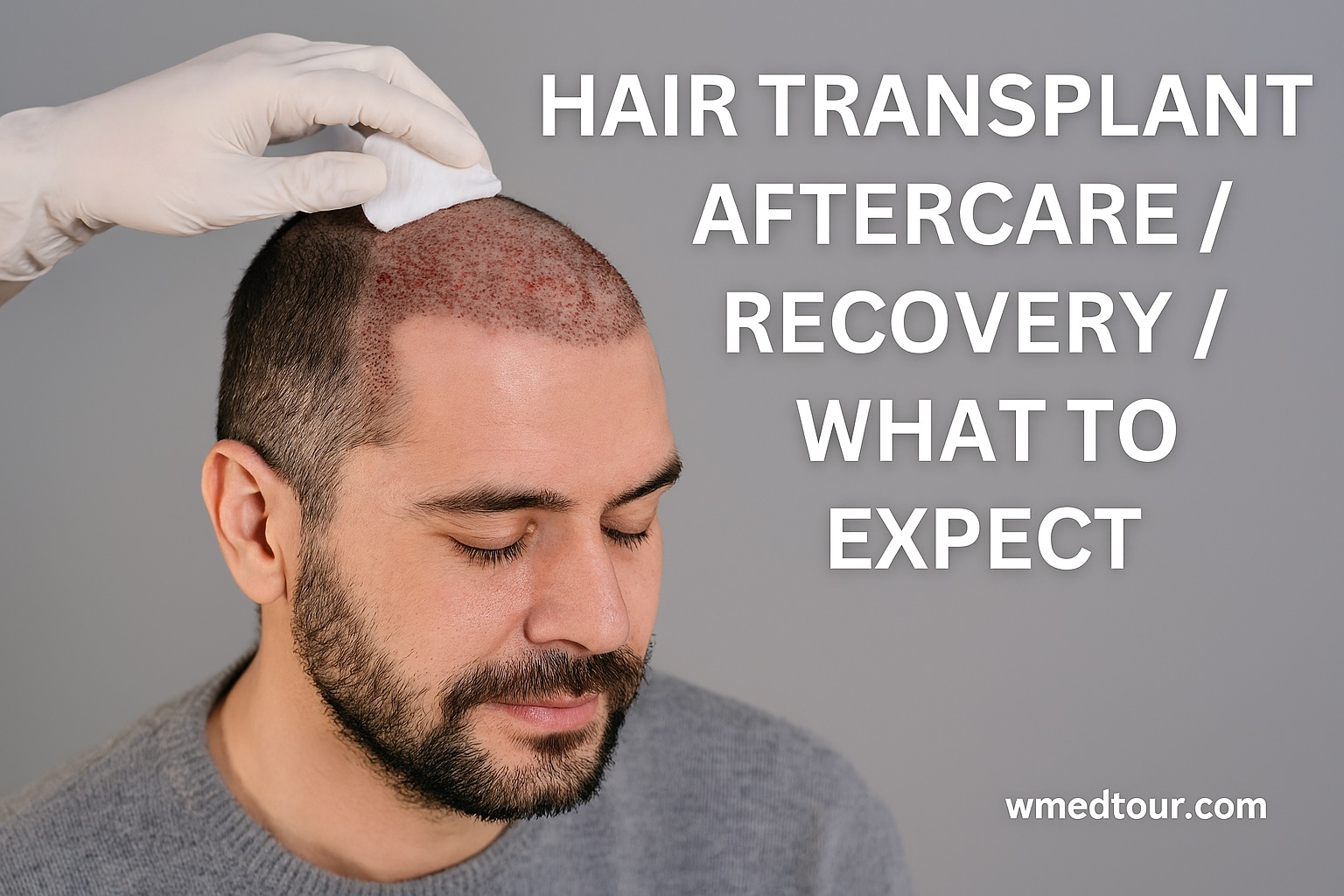
Platelet-Rich Plasma (PRP) Therapy
PRP involves injecting your own concentrated platelets into the scalp to stimulate healing and growth.
- Pros:
- Accelerates healing of the donor area.
- Increases the thickness of existing hair (reducing shock loss).
- Autologous (from your own body), so no risk of allergic reaction.
- Cons:
- Requires multiple sessions for optimal results.
- Can be slightly uncomfortable due to injections.
- Additional cost to the transplant package.
Learn more about our specific PRP packages here.
Finasteride and Minoxidil
Medications often prescribed to maintain non-transplanted hair.
- Pros:
- Proven clinically to stop further hair loss.
- Minoxidil can speed up the “waking up” of dormant grafts.
- Cons:
- Potential side effects (libido changes for Finasteride).
- Must be used indefinitely to maintain benefits.
- Topical Minoxidil can cause scalp irritation in some users.
📊 Recovery Methods Comparison
Different surgical techniques imply slightly different recovery timelines. Here is how they compare regarding Hair Transplant Aftercare.
| Feature | FUE (Follicular Unit Extraction) | FUT (Strip Method) | DHI (Direct Hair Implantation) |
|---|---|---|---|
| Donor Area Healing | Fast (5-7 days), tiny dots | Slow (14+ days), linear scar | Fast (5-7 days), tiny dots |
| Pain Level | Low to Moderate | Moderate to High | Low |
| Return to Sport | 15-20 Days | 30+ Days | 15-20 Days |
| Scab Formation | Standard | Standard | Minimal (often less bleeding) |
Regardless of the method, the biological integration of the graft remains the same, necessitating strict adherence to safety protocols.
📖 Case Study: A Patient’s Journey
The Scenario
Meet “James,” a 35-year-old software developer experiencing Norwood Scale 4 hair loss. He decided to travel for a 3,500 graft FUE procedure. James was particularly concerned about returning to work and the visibility of the procedure.
The Journey
- Pre-Op: James stopped taking aspirin and Vitamin E one week prior to reduce bleeding. He consulted via our telemedicine service to confirm his eligibility.
- Day 1-3: After the surgery, James stayed in his hotel. He utilized a neck pillow to sleep upright. He reported minor swelling on his forehead on Day 3, which he managed with ice packs (placed on the forehead, never on the grafts).
- Day 10: James followed the washing protocol religiously. By Day 10, he gently massaged his scalp in the shower, and the last of the scabs washed away. He looked like he had a very short buzz cut.
- Month 2: The “Shock Loss” hit. James panicked slightly as he looked balder than before surgery. Referring back to his Hair Transplant Aftercare guide, he reassured himself this was normal.
- Month 6: Significant growth appeared. The hairline frame was visible. He started mesotherapy sessions to boost the hair quality.
- Month 12: Complete transformation. James regained his youthful hairline and reported a massive boost in confidence.
💰 Cost Analysis of Aftercare
While the surgery has a fixed cost, patients often overlook the budget required for proper aftercare. Being prepared ensures you don’t cut corners on recovery.
| Item / Service | Estimated Cost (USD) | Necessity |
|---|---|---|
| Medical Shampoo & Lotion | $30 – $50 (Monthly) | Mandatory for 3 Months |
| Neck Pillow | $15 – $30 | Mandatory (One-time) |
| PRP Therapy (per session) | $150 – $400 | Highly Recommended |
| Supplements (Biotin/Multivitamins) | $20 – $40 (Monthly) | Recommended |
| Follow-up Consultations | Varies (Free with WMedTour) | Mandatory |
Investing in high-quality aftercare products is a fraction of the surgery cost but protects 100% of the result.
🌍 Recovery & Medical Tourism
Medical tourism allows patients to access world-class treatments at affordable rates. However, traveling after surgery adds a layer to your Hair Transplant Aftercare strategy.
Traveling Home
Most patients fly home 2 or 3 days after surgery. The cabin pressure in airplanes does not damage grafts, but the dry air can. It is vital to keep the recipient area moist with a saline spray provided by your clinic. Furthermore, be extremely careful with overhead bins; lifting heavy luggage is strictly forbidden for 10 days as it increases intracranial pressure.
Destinations
Whether you choose Turkey for its renown in hair restoration or Iran for its highly skilled surgeons, WMedTour ensures your itinerary includes sufficient rest days before your flight. We also offer comprehensive guides on navigating these medical hubs.
Hygiene on the Go
Airports and planes are full of bacteria. Wear a loose bucket hat (if approved by your doctor) or simply maintain distance from crowds. Sanitize your hands frequently and avoid touching your scalp.
⚠️ Medical Disclaimer
The information provided in this article is for educational purposes only and does not constitute medical advice. Every patient’s physiology is unique. Always follow the specific instructions provided by your surgeon. If you experience severe pain, excessive bleeding, or signs of infection (pus, extreme heat, fever), seek medical attention immediately.
❓ Frequently Asked Questions
Here are answers to the most common questions regarding Hair Transplant Aftercare.
1. How long does it take for the grafts to be fully secure?
It takes approximately 10 to 14 days for the newly transplanted grafts to fully anchor into the scalp tissue. After this period, they can no longer be dislodged by washing or gentle touching.
2. When can I start wearing a hat after the surgery?
You should avoid tight hats for at least 14 days. A loose bucket hat may be worn after 3 days if absolutely necessary to protect from the sun, but it must not touch the recipient area.
3. Is itching normal during the recovery process?
Yes, itching is a very common sign of healing. It is caused by the skin releasing histamines. Do not scratch. You can use a saline spray or take an antihistamine prescribed by your doctor to manage it.
4. When can I resume sexual activity?
It is generally recommended to abstain from sexual activity for at least 7 to 10 days post-surgery. Physical exertion raises blood pressure and heart rate, which can cause bleeding or “popping” of the grafts.
5. Can I smoke or drink alcohol after the procedure?
You should avoid alcohol for 5 days as it thins the blood. Smoking should be avoided for at least 2 weeks (ideally 4) because nicotine constricts blood vessels, reducing oxygen flow to the new grafts, which can lead to poor survival rates.
6. What is “Shock Loss” and will my hair grow back?
Shock loss is the temporary shedding of transplanted and sometimes native hair due to the trauma of surgery. It usually occurs 3-8 weeks post-op. It is temporary, and the hair will regrow stronger in the subsequent months.
7. When can I go back to the gym or exercise?
Light walking is permitted after 3 days. You can resume light cardio after 14 days. Heavy weightlifting, high-intensity interval training, or contact sports should be avoided for at least one month.
8. How should I sleep to protect my hair transplant?
For the first 5 to 7 days, sleep on your back with your head elevated at a 45-degree angle. Use a neck pillow to prevent your head from rolling onto the side, which could rub the grafts against the pillow.
9. Can I use a hair dryer or styling products?
Avoid hair dryers for the first month; let your hair air dry. If you must use one, use the cool setting. Styling products like gels or sprays should also be avoided for at least 3 to 4 weeks to prevent clogging pores.
10. What signs of infection should I look for?
While rare, signs include excessive redness that spreads, pus leaking from the graft sites, extreme heat in the scalp, fever, or throbbing pain that painkillers do not relieve. Contact us immediately if these occur.
11. Is sunlight dangerous for my new hair?
Yes. The scalp skin is numb and sensitive. Direct UV exposure can cause sunburn and permanent hyperpigmentation (darkening) of the scars. Protect your scalp from direct sun for at least 3 to 6 months.
12. When will I see the final results of my hair transplant?
Hair restoration is a process of patience. You will see 50% of the growth by month 6, 80% by month 9, and the full, mature result (thickness and texture) by month 12 to 18.
For more answers or to book a consultation, visit our FAQ page or contact us directly.