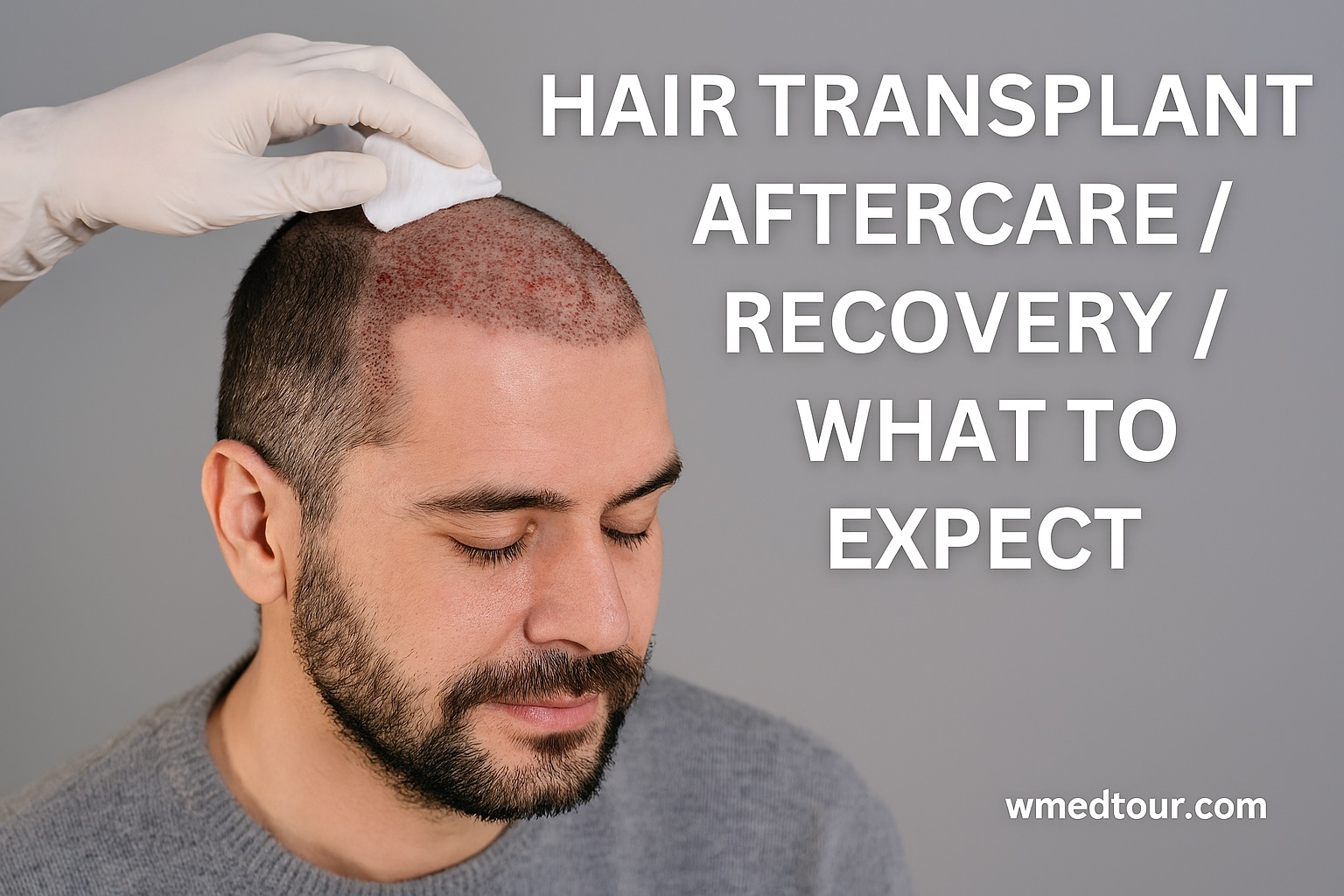
💇♂️ Hair Transplant Aftercare: Recovery Timeline & What to Expect
📝 Executive Summary: Key Takeaways for Successful Post-Hair Transplant Recovery
Navigating the recovery period after a hair restoration procedure requires patience and strict adherence to medical protocols. While the surgery itself is a milestone, the final aesthetic outcome depends heavily on the care you provide during the first year. Key highlights include:
- The Critical Window: The first 72 hours are vital for graft survival. Avoid touching the recipient area completely.
- Shock Loss is Normal: Do not panic if transplanted hairs shed after 2 weeks; this is a physiological reset, not a failure.
- Sleep Elevation: Keeping your head at a 45-degree angle for the first 5 nights significantly reduces facial swelling.
- Timeline Expectations: Real density begins to show at 6 months, with the final results manifesting between 12 to 18 months.
- Lifestyle Adjustments: Pause intense exercise for at least 3 weeks and avoid direct sunlight for several months.
🛡️ Who is This For?
This guide serves as an essential resource for various groups considering or recovering from hair restoration. Whether you are a patient preparing for a hair transplant procedure or a medical professional seeking to provide better patient education, the information here is tailored for you.
It is specifically designed for:
- Pre-Op Patients: Those wanting to understand the commitment required before booking surgery.
- Post-Op Recoverers: Individuals currently in the healing phase who need a day-by-day roadmap.
- Caregivers: Family members or partners supporting someone through the recovery journey.
- Medical Tourists: Patients traveling to hubs like Turkey or Iran who need to coordinate their travel with their healing stages.
📅 The Patient Roadmap: Week-by-Week Breakdown
Understanding the hair transplant aftercare and recovery timeline helps manage psychological stress. Each stage brings unique physical changes that are part of the body’s natural healing response.
The Immediate Aftermath (Days 1–4)
Directly after surgery, your scalp will be tender. You might notice small crusts or scabs around each graft. During this time, the primary goal is preventing infection and ensuring the grafts remain anchored in their new locations. You should use a saline spray provided by your clinic to keep the area hydrated without direct contact.
The Transition Phase (Days 5–14)
During the second week, you can begin gentle washing. However, you must not scrub the area. Instead, use a “patting” motion with a mild shampoo. At this stage, most of the scabs will start to flake off. It is tempting to pick them, but you must let them fall naturally to avoid pulling out the underlying follicle. You may also consult with specialists in PRP therapy to further boost healing during this window.
The Shedding Period (Weeks 2–8)
This is often called the “ugly duckling” phase. Consequently, many patients feel discouraged because the hair they just paid for starts to fall out. However, according to research published by The National Institutes of Health (NIH), this is a standard biological reaction to the trauma of relocation. The hair shaft falls, but the bulb remains healthy beneath the skin.
📊 Comparison: FUE vs. FUT Recovery Nuances
While the recipient area heals similarly in both methods, the donor area recovery differs significantly. Your choice of procedure impacts how you should handle your hair transplant aftercare and recovery timeline.
| Recovery Factor | FUE (Follicular Unit Extraction) | FUT (Follicular Unit Transplantation) |
|---|---|---|
| Donor Area Healing | Quick healing of tiny circular punch sites. | Requires care for a linear incision/sutures. |
| Initial Pain Levels | Minimal; managed with mild analgesics. | Moderate; may require stronger pain relief. |
| Scarring Visibility | Scattered micro-dots, nearly invisible. | A fine linear scar, visible with short hair. |
| Activity Restrictions | Full exercise usually after 2-3 weeks. | Wait 4-6 weeks to avoid stretching the scar. |
💡 Hair Transplant Aftercare: The Do’s and Don’ts
To maximize the success of your plastic surgery investment, you must follow these behavioral guidelines strictly. Minor mistakes in the first week can lead to permanent gaps in your hairline.
Pros of Diligent Aftercare
- Maximum Density: Every graft you save translates to a fuller head of hair.
- Faster Healing: Proper hygiene reduces the risk of folliculitis (inflamed follicles).
- Natural Aesthetic: Preventing infection ensures the skin heals smoothly without visible scarring in the recipient zone.
Cons of Neglecting Aftercare
- Graft Loss: Physical trauma can dislodge follicles, requiring a costly second procedure.
- Infection: Poor hygiene can lead to bacterial growth, damaging both new and existing hair.
- Delayed Results: Inflammation can keep follicles in a dormant state for longer than usual.
🏥 Case Study: The Journey of Mark T.
Mark, a 35-year-old professional, underwent a 3,000 graft FUE procedure. Initially, he was very anxious about the “shock loss” phase. By following the Wmedtour recovery protocol, he managed his expectations. On day 3, he experienced swelling around his forehead, which he mitigated using cold compresses on the lower face. By month 4, he noticed fine “peach fuzz” appearing. By month 12, his transformation was complete, achieving a natural look that boosted his confidence in his corporate role.
Mark’s success was largely due to his decision to seek a telemedicine consultation early in his recovery when he noticed minor redness. This proactive approach is a hallmark of successful recovery.
💰 Cost Analysis of Recovery Support
Recovery isn’t just about time; it involves small financial investments in products and services that ensure the best outcome. Below is an estimate of typical aftercare-related expenses.
| Aftercare Item | Estimated Cost (USD) | Importance Level |
|---|---|---|
| Specialized Ph-Neutral Shampoo | $30 – $60 | Critical (First 30 days) |
| Saline Spray / Graft Hydration | $15 – $25 | High (First 5 days) |
| PRP Post-Op Sessions | $200 – $500 | Recommended for growth |
| Soft Neck Pillow for Elevation | $20 – $40 | Essential for sleep |
🌍 Recovery & Medical Tourism
Many patients choose to have their procedures done abroad. If you are exploring surgery in Turkey or treatments in Iran, your recovery starts in a hotel. This requires extra planning. Always ensure your travel package includes a “post-op kit” and that you have access to a qualified doctor for a follow-up before flying back. Additionally, avoid wearing tight headphones or caps during your flight home, as pressure can harm the grafts.
Choosing to get a hair transplant is a major decision, especially when considering “medical tourism” destinations like Turkey, Mexico, or India. While the cost savings can be significant—often up to 70% cheaper than in the US or UK—the success of your results depends heavily on the quality of the clinic and your commitment to a strict recovery timeline.1
🏥 Medical Tourism: Top Destinations & Costs
If you are looking abroad, these are the current leading hubs for hair restoration in 2025.2
| Country | Est. Cost (FUE/DHI) | Key Highlights |
| Turkey | $1,500 – $4,500 | Global hub; all-inclusive packages (hotel + VIP transfer). |
| Mexico | $2,600 – $5,000 | Very popular for North Americans; high JCI-accredited standards. |
| India | $800 – $2,000 | Most budget-friendly; skilled surgeons in major cities like Delhi. |
| South Korea | $4,000 – $7,000 | Known for “precision” and advanced tech; higher end of the budget. |
| Thailand | $3,000 – $5,500 | Combines medical care with a vacation-style recovery experience. |
⚠️ Critical “Red Flags” When Booking Abroad:
The “Technician Only” Trap: Ensure a licensed surgeon is performing the incisions, not just technicians.
Lack of Aftercare: Distance makes follow-ups hard. Choose a clinic that offers a clear digital aftercare plan.
Hidden Costs: Check if the price includes medications, post-op shampoos, and airport transfers.
⏳ The Recovery Timeline
Recovery isn’t just about healing; it’s about protecting the “grafts” (new follicles) until they take root.
Phase 1: The Critical Window (Days 1–14)
Sleeping: Sleep at a 45° angle (using a travel pillow) for the first 5 nights to prevent swelling and accidental rubbing of grafts.
Washing: No water on the recipient area for the first 48 hours. After that, use a “patting” motion with specialized shampoo; never rub.
Activity: Avoid all exercise and sexual activity for at least 10–14 days to keep blood pressure from “popping” the grafts out.
Phase 2: The “Ugly Duckling” Stage (Weeks 3–8)
Shock Loss: Don’t panic—the transplanted hairs will fall out. This is normal. The follicle remains healthy under the skin.
Shedding: Your scalp might look patchy or even worse than before. This is the hardest mental phase of the journey.
Phase 3: The Growth Spurt (Months 4–12)
Month 4: Fine, “baby” hairs begin to sprout.3
Month 6: About 50% of the final result is visible.
Month 12: The final density and texture are achieved.
🛡️ Expert Tips for a Successful Result
Sun Protection: Direct sunlight can damage healing follicles.5 Wear a loose surgical hat (provided by the clinic) for the first 2 weeks, then a loose cap for 6 months.
Alcohol & Smoking: Avoid both for 2 weeks post-op. Smoking restricts blood flow, which can kill the new grafts.
Medication: Many surgeons recommend starting Finasteride or Minoxidil post-op to keep your original hair from falling out around the new transplant.
❓ Frequently Asked Questions
1. When can I sleep normally after a hair transplant?
You should sleep with your head elevated at 45 degrees for the first 5 to 7 days. After the first week, you can slowly return to your normal sleeping position, provided you aren’t rubbing the recipient area.
2. Is it okay to wear a hat or cap after the procedure?
Avoid all headwear for the first 10 days. After that, you can wear a very loose-fitting hat. Tight caps or helmets should be avoided for at least 4 to 6 weeks.
3. How soon can I return to the gym?
Light walking is fine after 3 days. However, avoid heavy lifting and intense cardio for at least 3 weeks. Sweat and increased blood pressure can jeopardize graft health.
4. Can I consume alcohol or smoke during recovery?
You should avoid alcohol and smoking for at least 2 weeks post-surgery. These substances thin the blood and reduce oxygen flow to the scalp, which hinders follicle survival.
5. What should I do if my scalp is extremely itchy?
Itching is a sign of healing. Do not scratch. Instead, use the saline spray provided or consult your doctor about using a mild antihistamine or specialized oils for the donor area.
6. When will the scabs completely disappear?
With proper gentle washing, most scabs will naturally fall off by day 10 to 14. If they persist longer, contact your hair transplant surgeon.
7. Will the sun damage my new hair grafts?
Yes, your scalp is highly sensitive to UV rays after surgery. Protect your head from direct sun for at least 3 months to prevent permanent skin discoloration and follicle damage.
8. Is it normal to have numbness in the scalp?
Yes, temporary numbness in both the donor and recipient areas is common. This usually resolves on its own within 2 to 6 months as the nerves regenerate.
9. Can I use a hairdryer after the transplant?
Avoid hairdryers for the first 14 days. After that, you may use a hairdryer only on a “cool” setting. Heat can damage the healing skin and the delicate new grafts.
10. When can I dye my hair again?
You should wait at least 4 to 6 weeks before applying any harsh chemicals or hair dyes. The scalp needs to be fully healed to avoid irritation or chemical burns.
11. Does the hair transplant look natural?
Modern techniques like FUE and DHI provide incredibly natural results. Because the hair is your own and placed at natural angles, it becomes indistinguishable from native hair after 12 months.
12. What if I notice a pimple in the transplant area?
Small pimples, or folliculitis, are common around months 3-4 as new hairs try to break through the skin. Don’t pop them; apply a warm compress and notify your clinic if they multiply.
🛑 Medical Disclaimer
No Professional-Patient Relationship: This information does not establish a doctor-patient relationship.
Consult a Specialist: You should always seek the advice of a qualified hair restoration surgeon or dermatologist before making any decisions.
Individual Results Vary: Outcomes depend on factors like age, hair density, scalp health, and genetics. What works for one person may not work for another.
No Guarantees: No surgical procedure can guarantee 100% success or a specific aesthetic result.
⚠️ Key Risks and Complications
While hair transplants are generally considered safe, potential risks include:
Surgical Risks: Infection, excessive bleeding, and adverse reactions to local anesthesia.
Scarring: All hair transplants (FUE and FUT) leave some form of permanent scarring, though modern techniques aim to make them nearly invisible.
Shock Loss: Temporary thinning of pre-existing hair around the transplant site due to surgical trauma.
Poor Graft Survival: Some or all of the transplanted follicles may fail to “take” or grow in the new location.
Aesthetic Dissatisfaction: Results may look unnatural if the hairline design or graft angulation is poorly executed.
Long-Term Hair Loss: A transplant does not stop natural hair loss. You may continue to lose non-transplanted hair, potentially requiring future procedures.
📋 Patient Responsibilities
To minimize risk and improve outcomes, patients must:
Disclose Medical History: Inform your surgeon of all medications, allergies, and underlying conditions (e.g., heart issues, diabetes, or blood-clotting disorders).
Follow Aftercare: Strict adherence to post-operative instructions (e.g., avoiding exercise, sun exposure, or scratching) is critical for graft survival.
Realistic Expectations: Understand that a transplant redistributes existing hair; it does not create “new” hair.
If you experience severe pain, sudden swelling, or signs of infection (fever, pus) after a procedure, contact your medical provider or emergency services immediately.