Hair Transplant Cost in Iran 💇♂️💰 | Full Pricing, Recovery & Travel Guide
Executive Summary 📌
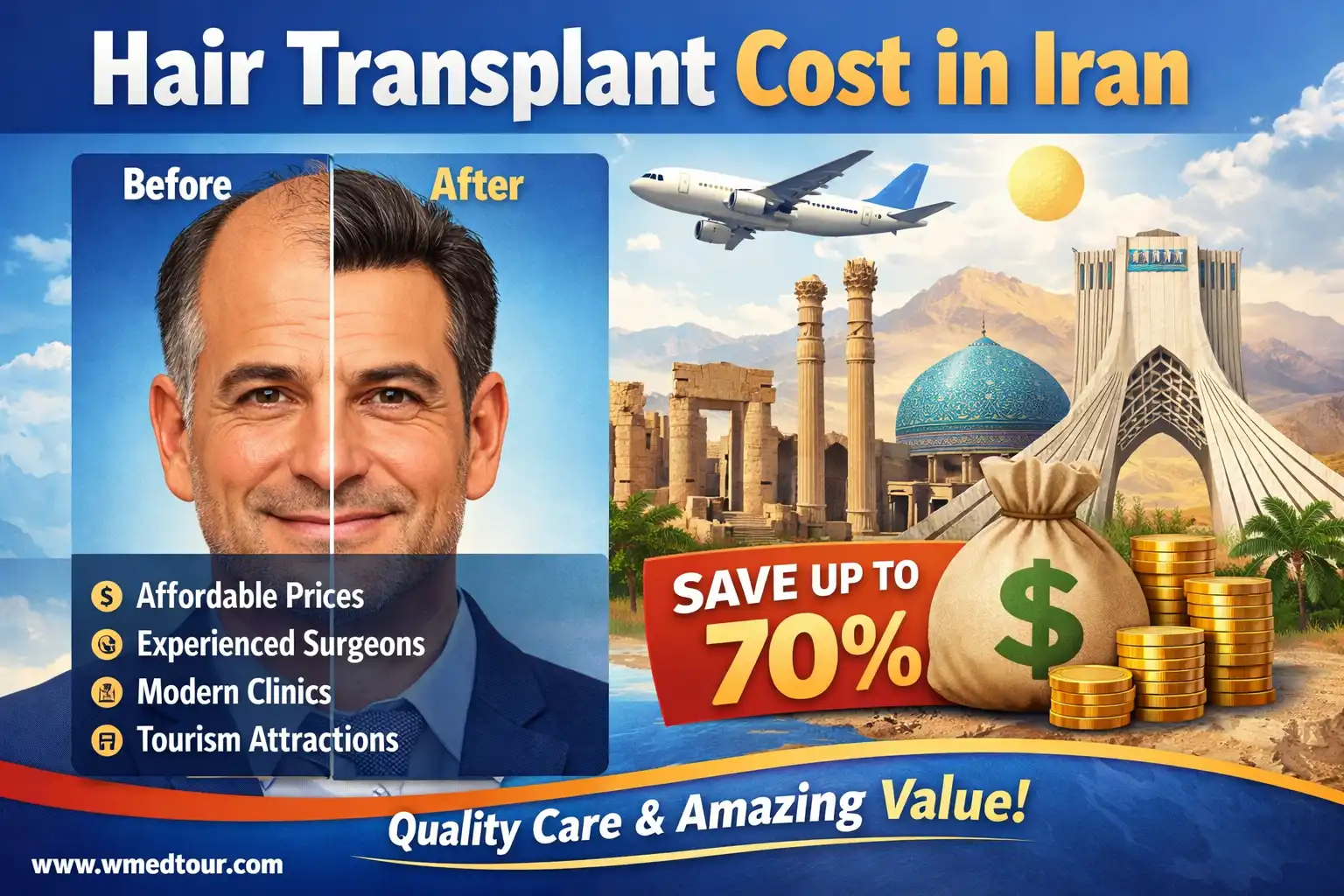
Hair transplant cost in Iran is among the most affordable in the world, yet the medical standards remain high. International patients often save 60–80% compared to Western countries. Prices typically range from $1,200 to $2,500 depending on technique, graft count, and clinic facilities. Moreover, many packages include accommodation and airport transfers. Therefore, Iran has become a leading destination for hair restoration tourism.
This guide explains everything in clear language. You will learn what affects hair transplant cost in Iran, what is included in packages, how recovery works, and who makes a good candidate. In addition, we walk you through a real patient journey and provide a detailed cost comparison table.
Why People Search for Hair Transplant in Iran 🌍
People search for hair transplants in Iran for several key reasons:
💰 Lower Cost with High Value
Hair transplant procedures in Iran are significantly cheaper than in Western countries or many other popular destinations, often costing a fraction of the price while still offering comprehensive care.
👩⚕️ Experienced Surgeons and Quality Clinics
Iran has many specialized hair transplant surgeons who perform procedures regularly, ensuring expertise and consistent results. Clinics often use modern techniques and equipment comparable to international standards.
📦 All-Inclusive Medical Tourism Services
Many clinics offer packages that include the procedure, accommodation, transfers, visa support, and post-op care, making the process convenient for international patients.
🌍 Medical Tourism Appeal
Patients often combine treatment with travel, exploring cultural sites, historical cities, and local hospitality while they recover.
🧬 Natural-Looking Results and Personalized Care
Clinics focus on creating natural hairlines and high graft survival rates. Many also offer solutions tailored for women or revision procedures for previous unsatisfactory transplants.
In short, people choose Iran for hair transplants because it provides a cost-effective, high-quality procedure with strong support and the option to enjoy a travel experience.
Understanding Hair Transplant Techniques ✂️
FUE (Follicular Unit Extraction)
FUE is the most common method. Surgeons extract individual follicles and implant them into thinning areas. This technique leaves tiny, almost invisible scars. Recovery is also faster. Because it is labor-intensive, pricing depends on graft numbers.
Learn more about hair restoration options in our Skin & Hair Department.
FUT (Follicular Unit Transplantation)
FUT involves removing a small strip of scalp. Technicians then separate follicles under microscopes. Although it may leave a thin scar, it allows many grafts in one session. Therefore, it can be cost-effective for advanced hair loss.
DHI (Direct Hair Implantation)
DHI uses special implanter pens. Surgeons control angle and depth precisely. As a result, hairlines appear very natural. However, this advanced technique may increase hair transplant cost in Iran slightly.
Hair Transplant Cost in Iran: Average Price Range 💵
| Technique | Average Grafts | Estimated Cost in Iran | Average Cost in Europe/US |
|---|---|---|---|
| FUE | 2,000–3,000 | $1,200–$2,000 | $7,000–$12,000 |
| FUT | 3,000–4,000 | $1,500–$2,200 | $8,000–$14,000 |
| DHI | 2,000–3,000 | $1,800–$2,500 | $9,000–$15,000 |
Clearly, hair transplant cost in Iran offers major savings. Still, pricing varies depending on surgeon experience and clinic reputation.
What Affects Hair Transplant Cost in Iran? 🔍
1. Number of Grafts Needed
More grafts mean longer surgery time. Therefore, costs rise accordingly. Mild hair loss may need 1,500 grafts, while advanced cases exceed 4,000.
2. Technique Chosen
DHI often costs more than FUE. FUT may be cheaper per graft but involves a longer healing period.
3. Surgeon Expertise
Highly experienced surgeons may charge more. However, better artistry reduces the need for revision procedures later.
4. Included Services
Some clinics bundle hotel stays and transport. Consequently, hair transplant cost in Iran sometimes covers more than just surgery.
Cost Analysis Table 📊
| Expense Item | Included in Package? | Estimated Cost if Separate |
|---|---|---|
| Surgery & Grafts | Yes | $1,200–$2,500 |
| Medications | Usually | $50–$150 |
| Hotel (5 nights) | Often | $200–$400 |
| Airport Transfers | Often | $40–$80 |
| Translator Services | Sometimes | $50–$100 |
Pros and Cons of Getting a Hair Transplant in Iran ⚖️
Here’s a clear version without sources:
👍 Pros of a Hair Transplant in Iran
💸 Lower Cost
- Hair transplants in Iran are significantly more affordable than in Western Europe, North America, or other medical tourism destinations, allowing for substantial savings even with travel and accommodation.
👨⚕️ Skilled Surgeons & Experience
- Many Iranian surgeons specialize in hair restoration and perform these procedures frequently, leading to refined techniques and good outcomes.
📦 All-Inclusive Packages
- Clinics often offer packages that include the surgery, hotel stays, airport transfers, and follow-up care, making the process simpler for international patients.
🌍 Combined Travel Experience
- Patients can combine their medical trip with exploring Iran’s culture, history, and scenic attractions while recovering.
👎 Cons of a Hair Transplant in Iran
✈️ Travel & Logistics
- International travel involves flights, visas, and extra planning, especially for patients coming from far away.
🩹 Usual Surgery Risks
- Like any surgery, there are risks such as temporary swelling, itching, shedding of transplanted hair (which is normal), and minor scarring depending on the technique.
⏱️ Recovery Time
- Visible results take months to appear, and follow-up care is necessary during the regrowth phase.
📍 Clinic Variation
- Quality can vary between clinics, so careful research and choosing a reputable provider is essential to minimize risks.
🧠 Summary
Pros:
✔ Significant cost savings
✔ Experienced surgeons
✔ All-inclusive care packages
✔ Opportunity for travel and recovery
Cons:
✖ Requires international travel and planning
✖ Standard surgery risks apply
✖ Full results take time
✖ Clinic quality can vary
Who is This For? 🎯
This option suits men and women with stable hair loss. It also fits professionals who need cost-effective yet permanent treatment. Additionally, it benefits patients comfortable with short international trips.
The Patient Roadmap 🗺️
Step 1: Online Consultation
You send photos and medical history. Specialists evaluate donor hair and bald areas. Visit our Contact Page to start.
Step 2: Treatment Plan & Quote
You receive graft estimates and the final hair transplant cost in Iran. Packages and travel support are explained.
Step 3: Travel & Arrival
Most patients arrive in Tehran or Mashhad. Explore options on our All Locations page.
Step 4: Surgery Day
The procedure lasts 6–8 hours. Local anesthesia keeps you comfortable. Breaks are provided.
Step 5: Recovery & Follow-Up
Aftercare instructions are explained carefully. Online follow-ups continue for 12 months.
Recovery & Tourism ✈️
Swelling usually subsides in three days. Tiny scabs fall off within ten days. New hair begins growing after three months. Full results appear after one year. Because recovery is gentle, many patients enjoy light sightseeing. Cultural tours are available through our Iran Tour Packages.
Hypothetical Patient Case Study 👤
Ali, a 38-year-old engineer, experienced front hairline recession. Clinics in his home country quoted $9,000. He researched hair transplant cost in Iran and found a full package for $1,900. After online consultation, he traveled for a five-day stay.
The surgery involved 2,800 FUE grafts. Recovery was smooth. Three months later, new growth appeared. After one year, his hairline looked natural. He saved over $7,000 and gained confidence at work.
How Iran Compares Globally 🌐
According to research from academic medical centers such as Harvard University and Stanford University, hair transplantation success depends more on surgeon skill than country. Therefore, patients focus on expertise and value. Hair transplant cost in Iran makes advanced treatment accessible to a broader population.
Safety and Medical Standards 🏥
Clinics follow sterilization standards similar to international guidelines. Many surgeons receive training abroad. Furthermore, pre-operative screening ensures patients are fit for surgery. Learn about medical departments at Our Departments.
Frequently Asked Questions ❓
Why hair transplant cost in Iran is really cheaper?
Yes, hair transplant costs in Iran are generally much lower than in Western countries and many other popular destinations, which is one of the main reasons international patients consider Iran for this procedure.
Why it’s cheaper
Lower living and operational costs: Clinics in Iran can offer high-quality services at a fraction of the cost compared to countries with higher labor, rent, and equipment expenses.
Currency differences: The exchange rate often makes the procedure even more affordable for international patients.
Competitive medical tourism market: Iran has many skilled surgeons and clinics competing to attract foreign patients, which helps keep prices reasonable.
Typical price range
Costs in Iran vary depending on the technique (FUT, FUE, DHI), the number of grafts, and the clinic, but they are significantly lower than in the US, Europe, or even some Asian countries.
This means patients can save thousands of dollars without compromising the quality of care.
Quality vs. cost
Affordable prices do not mean lower quality. Many Iranian clinics specialize in hair transplants for international patients and use modern techniques with experienced surgeons.
Clinics often provide packages that include consultation, surgery, post-op care, and sometimes accommodation, which adds value for patients traveling from abroad.
In short, Iran offers a cost-effective, high-quality option for hair transplants, making it an attractive destination for medical tourism.
How many grafts will I need?
This depends on hair loss stage and donor density. A consultation provides an exact number.
Is the procedure painful?
No. Local anesthesia prevents pain during surgery. Mild soreness may follow.
How long should I stay in Iran?
For a hair transplant in Iran, you should typically plan to stay about 3–5 days. This allows time for:
- Arrival and consultation – the surgeon assesses your hair, designs the hairline, and runs any necessary tests.
- The procedure – the transplant itself usually takes 4–8 hours depending on the method and number of grafts.
- Immediate recovery and follow-up – bandage removal, post-op checks, and basic care instructions.
Some patients choose to stay 7–10 days to allow extra time for follow-ups or light sightseeing while ensuring proper recovery.
Most people can return to normal activity within about a week, though full hair growth will take several months.
When will I see results?
Initial growth starts at three months. Final density appears at 12 months.
Are results permanent?
Transplanted follicles are usually resistant to hair loss hormones.
Can women undergo this procedure?
Yes, if donor hair is strong and hair loss is stable.
Does insurance cover it?
So many insurane companies dont offer it .
What is included in the package price?
Typically surgery, medications, transfers, and hotel stay.
Is Iran safe for medical tourists?
Yes, Iran is generally considered safe for medical tourists, especially in major cities where hospitals and clinics are experienced in treating international patients. Many facilities offer high standards of care, bilingual staff, and support services to help foreign patients navigate treatment and recovery.
However, safety depends on careful planning:
- Medical facilities: Choose reputable hospitals or clinics with experience serving international patients.
- Travel safety: Exercise standard travel precautions, be aware of local laws and customs, and stay informed about any regional tensions or demonstrations.
- Insurance: Have comprehensive travel and health insurance, including coverage for medical emergencies or evacuation.
- Planning: Schedule treatment and tourism activities according to your recovery needs.
With proper preparation, many international patients have safely combined medical treatment with sightseeing in Iran.
Can I combine treatment with tourism?
Absolutely — you can combine treatment with tourism, and it’s actually a common approach in medical tourism. Here’s a more complete picture:
Planning Around Treatment: Your medical procedure and recovery period are the priority. Light sightseeing or cultural activities can often be done during recovery, while more physically demanding activities are scheduled later.
Tourism Opportunities: Depending on the country, you can explore historical sites, museums, natural landscapes, local cuisine, and cultural events. This allows you to enjoy a meaningful travel experience while addressing your healthcare needs.
Medical Tourism Packages: Many agencies offer combined packages that include medical care, accommodation, transportation, and guided tours. This helps patients focus on both health and leisure without logistical stress.
Safety and Convenience: Combining tourism with treatment requires careful planning regarding travel schedules, local climate, and activity levels to support recovery. Some procedures may require extended rest, so sightseeing should be tailored accordingly.
Personalized Experience: Packages can be customized based on your treatment, recovery timeline, and personal interests, making the trip both healing and enriching.
How do I start the Hair Transplant Cost in Iran process?
Submit a request through our FAQ & Help Page or contact our coordinators.
Medical Disclaimer ⚠️
This article provides educational information only. It does not replace a medical consultation. Treatment suitability depends on individual evaluation by qualified professionals.
Explore more services at About Wmedtour or browse medical specialties like Plastic Surgery, Dental Treatments, and Health Checkups.