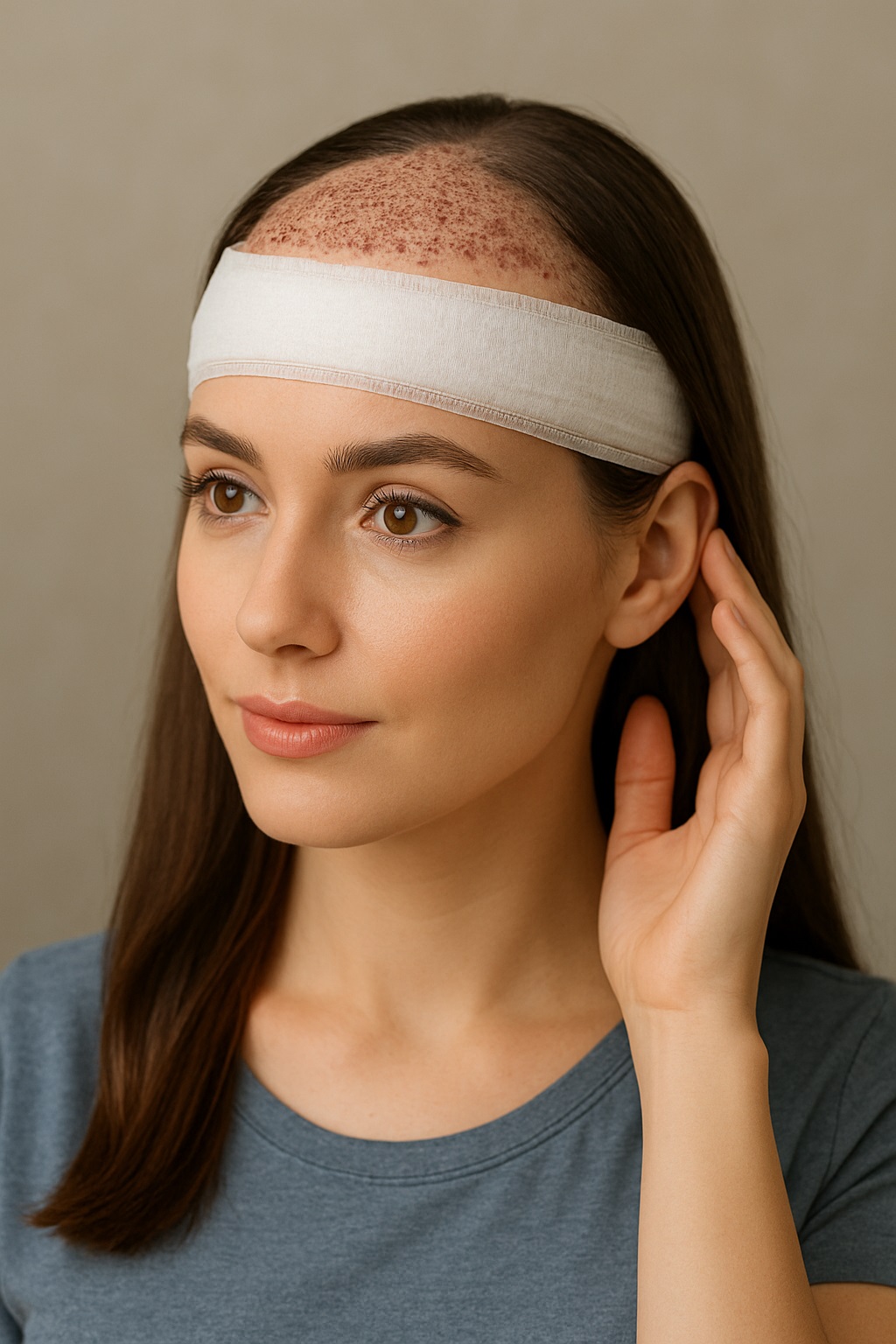
🛡️ Hair Transplant Recovery: The Ultimate Day-by-Day Guide to Success 🛡️
📋 Executive Summary
Recovering from a hair restoration procedure requires patience, diligence, and adherence to medical protocols. While the surgery itself is minimally invasive, the post-operative phase determines the survival rate of your new grafts. This guide breaks down the milestones of healing, from the critical first 72 hours to the final results at 18 months. Key takeaways include:
- ✅ Phase 1 (Days 1-7): Focus on graft protection and managing initial swelling.
- ✅ Phase 2 (Weeks 2-4): Navigating the “Shock Loss” stage where temporary shedding occurs.
- ✅ Phase 3 (Months 3-12): Observing the gradual emergence of permanent hair growth.
- ✅ Lifestyle: Proper sleeping angles and gentle washing techniques are non-negotiable.
Navigating the journey of hair transplant recovery is a transformative experience. It represents a bridge between your current self and a future with renewed confidence. At WMedTour, we understand that patients often feel a mix of excitement and anxiety. Consequently, we have designed this guide to eliminate uncertainty. We provide you with a scientifically backed roadmap to ensure every follicle thrives in its new home.
🌟 Who is This For?
This comprehensive guide serves several groups of people. First, it is for individuals who recently underwent a procedure and need immediate instructions. Second, it is for professionals planning their surgical leave. Third, it is for those still researching hair transplant procedures and wanting to understand the commitment required. Whether you chose FUE (Follicular Unit Extraction) or DHI (Direct Hair Implantation), these principles remain universal. Success depends on how you treat your scalp during the quiet hours of healing at home.
🛤️ The Patient Roadmap: A Timeline of Healing
🕒 Stage 1: The Critical First 48 Hours
The first two days represent the most delicate period for your grafts. During this time, the follicles have not yet established a firm blood supply. You must avoid any friction or contact with the recipient area. Small scabs will begin to form around each hair. This is a natural defense mechanism of the skin. Most patients experience a sensation of tightness or mild soreness. You should treat your scalp like a fresh wound that needs absolute stillness. Furthermore, keeping your head elevated at a 45-degree angle while resting is essential to minimize swelling. This prevents fluids from settling around your eyes and forehead.
📅 Stage 2: Days 3 to 7 – Managing Swelling and Itching
As the initial trauma subsides, you might notice increased itching. This signifies that the nerves are healing and the skin is repairing itself. However, you must resist the urge to scratch. Scratching can dislodge the grafts and cause permanent damage. We recommend using a saline spray provided by your clinic to keep the area moist. Moreover, this is the time when you can begin very gentle washing using the “patting” method. Do not use high-pressure showerheads. Instead, use a cup to pour lukewarm water over the area. This gentle approach ensures the scabs soften without being ripped away prematurely.
🗓️ Stage 3: Weeks 2 to 4 – The Shedding Phase
This stage is often the most emotionally challenging part of hair transplant recovery. You will notice that the newly transplanted hairs begin to fall out. This phenomenon is known as “Shock Loss.” It occurs because the hair follicles enter a resting phase after the trauma of surgery. Do not panic. The follicle remains healthy and intact beneath the surface. It is simply preparing to sprout a new, stronger hair. During this period, you can return to more normal activities. However, you should still avoid heavy weightlifting or contact sports. Maintaining a balanced diet rich in biotin and zinc can support the scalp during this transition.
📊 Comparison Table: FUE vs. DHI Recovery Experience
| Feature | FUE Recovery | DHI Recovery |
|---|---|---|
| Initial Healing | 7-10 days for scabs to clear. | 5-7 days for scabs to clear. |
| Swelling Risk | Moderate to High. | Low to Moderate. |
| Back to Work | Usually after 7 days. | Can be as soon as 3-5 days. |
| Graft Survival | High (90-95%). | Very High (95%+). |
🚶 Case Study: Mark’s Journey to a Full Mane
Mark, a 34-year-old marketing executive, suffered from androgenetic alopecia. He decided to visit Turkey for a 3,500-graft FUE procedure. Mark followed his hair transplant recovery instructions meticulously. In the first week, he wore a button-down shirt to avoid pulling clothing over his head. He also refrained from drinking alcohol, as it thins the blood. By month three, he felt discouraged because his scalp looked thinner than before. However, we coached him through the “ugly duckling” phase. By month nine, Mark’s hairline was dense and natural. He now advocates for patience, stating that the psychological reward far outweighs the temporary discomfort of the recovery weeks.
⚖️ Pros and Cons of Post-Op Care Options
Standard Clinical Washing
Pros: Professional nurses handle the delicate grafts. It reduces the risk of infection. You receive direct feedback on healing progress.
Cons: Requires daily visits to the clinic for the first week. It can be inconvenient for international travelers.
At-Home Recovery Kits
Pros: Maximum privacy and comfort. You can use specialized PRP therapy products at your own pace.
Cons: Higher risk of user error. Patients may accidentally rub grafts during application.
🏥 Recovery & Medical Tourism
Many patients choose to combine their hair transplant recovery with a relaxing stay in a foreign city. If you are traveling to Iran or India, you must plan your return flight carefully. We recommend staying at least 3-5 days post-surgery before boarding a plane. The changes in cabin pressure can sometimes exacerbate swelling. Furthermore, having local access to your surgeon for the initial check-up provides peace of mind. Exploring a new culture while resting can make the time pass faster. Just remember to wear a very loose-fitting hat to protect the scalp from direct sunlight and dust.
💰 Cost Analysis of Post-Operative Care
| Item/Service | Estimated Cost (USD) | Necessity Level |
|---|---|---|
| Specialized Shampoo & Foam | $50 – $100 | Essential |
| PRP Sessions (3-course) | $300 – $600 | Highly Recommended |
| Neck Pillow & Accessories | $20 – $40 | Essential |
| Post-Op Medications | $30 – $70 | Essential |
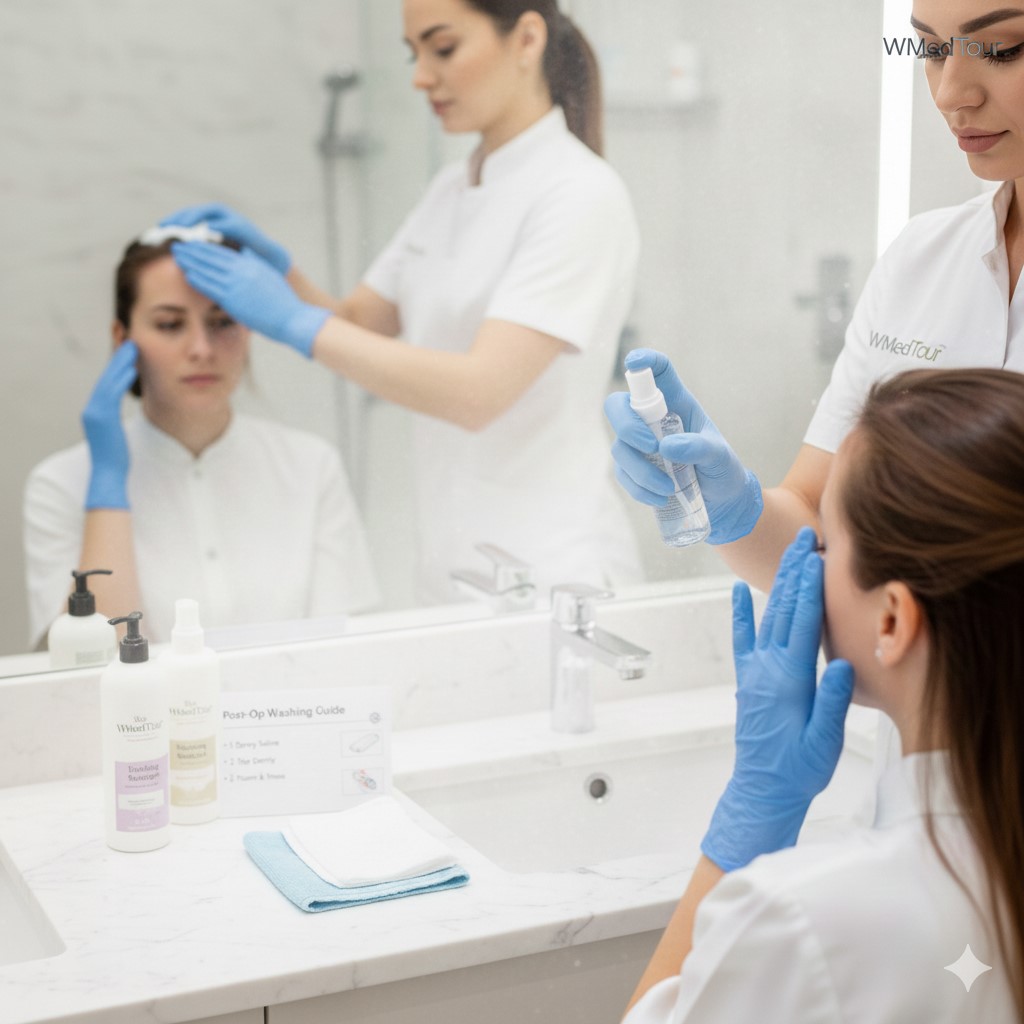
🧼 Essential Washing Protocol
Essential Washing Protocol After Hair Transplant
Proper washing after a hair transplant is critical for graft survival, infection prevention, and achieving the best possible results. Below is a standard, surgeon-approved washing protocol commonly recommended after FUE, FUT, or DHI hair transplant procedures. Always follow your surgeon’s specific instructions if they differ.
🗓️ When to Start Washing
Day 2 or 3 after surgery (48–72 hours), unless your surgeon advises otherwise.
Do not wash the scalp on the first day.
🧴 What You Need
Mild, medical-grade or baby shampoo (sulfate-free, fragrance-free)
Saline spray or lotion (if prescribed)
Cup or clean container (no direct shower pressure)
Clean towel or paper towel
🪜 Step-by-Step Washing Protocol
Step 1: Moisturize the Scalp (First 7–10 Days)
Apply the recommended lotion/foam to the transplanted area.
Leave it on for 20–30 minutes to soften scabs.
This reduces itching and helps scabs fall off naturally.
Step 2: Gentle Rinsing
Use lukewarm water only.
Pour water gently from a cup or use a shower with very low pressure.
Never let strong water pressure hit the grafts directly.
Step 3: Shampoo Application
Dilute a small amount of shampoo with water.
Gently dab or pat the shampoo onto the scalp—do not rub or massage.
Leave it on for 1–2 minutes, then rinse gently.
Step 4: Drying the Scalp
Let the scalp air dry, or
Gently pat with a soft, clean towel.
No hair dryers for at least 10–14 days.
🚫 What to Avoid
❌ Scratching or picking scabs
❌ Rubbing or massaging the transplanted area
❌ Hot water, saunas, or steam
❌ Hair products (gel, spray, oil) for at least 2 weeks
❌ Direct sun exposure on the scalp
⏳ How Long to Follow This Protocol
First 10–14 days: Extremely gentle washing
After scabs fall off naturally, you may gradually return to normal washing
Full normalization usually after 3–4 weeks
✅ Why This Protocol Matters
Protects newly implanted grafts
Prevents infection and inflammation
Reduces shock loss and scarring
Improves overall hair transplant success rate
💤 Sleeping and Comfort
Resting comfortably after surgery requires a specific strategy. You must sleep on your back with your head elevated. This prevents the recipient area from touching the pillow. If you turn in your sleep, you risk dislodging grafts. Many patients find that using a travel neck pillow helps keep their head in a stable position. Additionally, placing extra pillows under your back can prevent you from rolling over. Good sleep quality promotes faster healing. Therefore, ensure your room is cool and quiet. Avoid screens for an hour before bed to help your body enter a deep restorative state.
🚭 Habits to Avoid During Recovery
Certain lifestyle choices can hinder your hair transplant recovery. Smoking is particularly harmful because it constricts blood vessels. This reduces oxygen delivery to the scalp, which is vital for graft survival. Similarly, alcohol should be avoided for at least a week. It acts as a blood thinner and can increase the risk of bleeding or bruising. You should also stay away from intense exercise. Sweating can lead to infections, and increased blood pressure can cause the grafts to “pop” out. Patience is key. Give your body at least 14 days of relative calm before returning to the gym.
🛡️ Medical Disclaimer
This information is for educational purposes only and does not substitute for professional medical advice. Always follow the specific instructions provided by your surgeon. Recovery experiences vary based on individual health factors and the technique used. If you notice signs of severe infection, such as pus or high fever, contact your medical provider immediately. For further information on general health protocols, you may visit the National Institutes of Health or university-led research on Stanford University medical archives.
❓ Frequently Asked Questions (FAQ)
1. When can I wear a normal hat after hair transplant recovery?
You should wait at least 10 to 14 days before wearing a standard baseball cap. The hat must be loose enough not to touch the newly implanted grafts. After 3 weeks, you can wear most types of headwear comfortably.
2. How soon can I go back to work?
Most people return to office jobs within 3 to 7 days. If your job involves heavy physical labor, you should wait at least two weeks to prevent strain on the scalp.
3. Is it normal to have swelling in the forehead and eyes?
Yes, swelling is very common between days 2 and 5. It occurs because of the local anesthesia and saline used during surgery. It will subside naturally if you keep your head elevated.
4. Can I use Minoxidil during my recovery?
Usually, you must stop using Minoxidil for two weeks before surgery and wait at least 3 weeks after surgery to resume. Consult your doctor for a personalized timeline.
5. When will my new hair look natural?
The most natural results appear between 12 and 18 months. By month 6, you will see significant growth, but the texture and density will continue to improve for another year.
6. Does the donor area also need special care?
Yes, the donor area needs to be kept clean and moisturized. You may apply an antibiotic ointment if prescribed to prevent infection and soothe the skin.
7. Can I go swimming after the procedure?
You should avoid swimming in chlorinated pools or saltwater for at least one month. Chemicals and bacteria can harm the healing follicles and increase infection risks.
8. What should I eat to speed up my recovery?
Focus on proteins, healthy fats, and vitamins. Foods like eggs, spinach, avocados, and nuts provide the building blocks for new hair growth and skin repair.
9. Will the transplanted hair ever fall out?
Transplanted hair is taken from “DHT-resistant” zones, meaning it is genetically programmed to last a lifetime. However, your non-transplanted hair may still thin over time.
10. How do I handle the itching during the first week?
Use the saline spray provided by your clinic. It hydrates the skin and reduces irritation. Never scratch the area with your fingernails.
11. Is a second hair transplant ever necessary?
Some patients choose a second procedure to increase density or address future hair loss in other areas. This is usually planned at least one year after the first surgery.
12. When can I cut my hair with a clipper?
You can use scissors after one month, but you should wait at least 6 months before using a clipper on the recipient area to avoid pulling on the new follicles.
🚀 Start Your Transformation Today
Your journey to a fuller head of hair begins with expert guidance. If you are ready to explore your options, we invite you to browse our expert doctors or contact us for a free consultation. At WMedTour, we are committed to providing you with world-class care and results that last a lifetime. Explore our plastic surgery department for more aesthetic solutions.