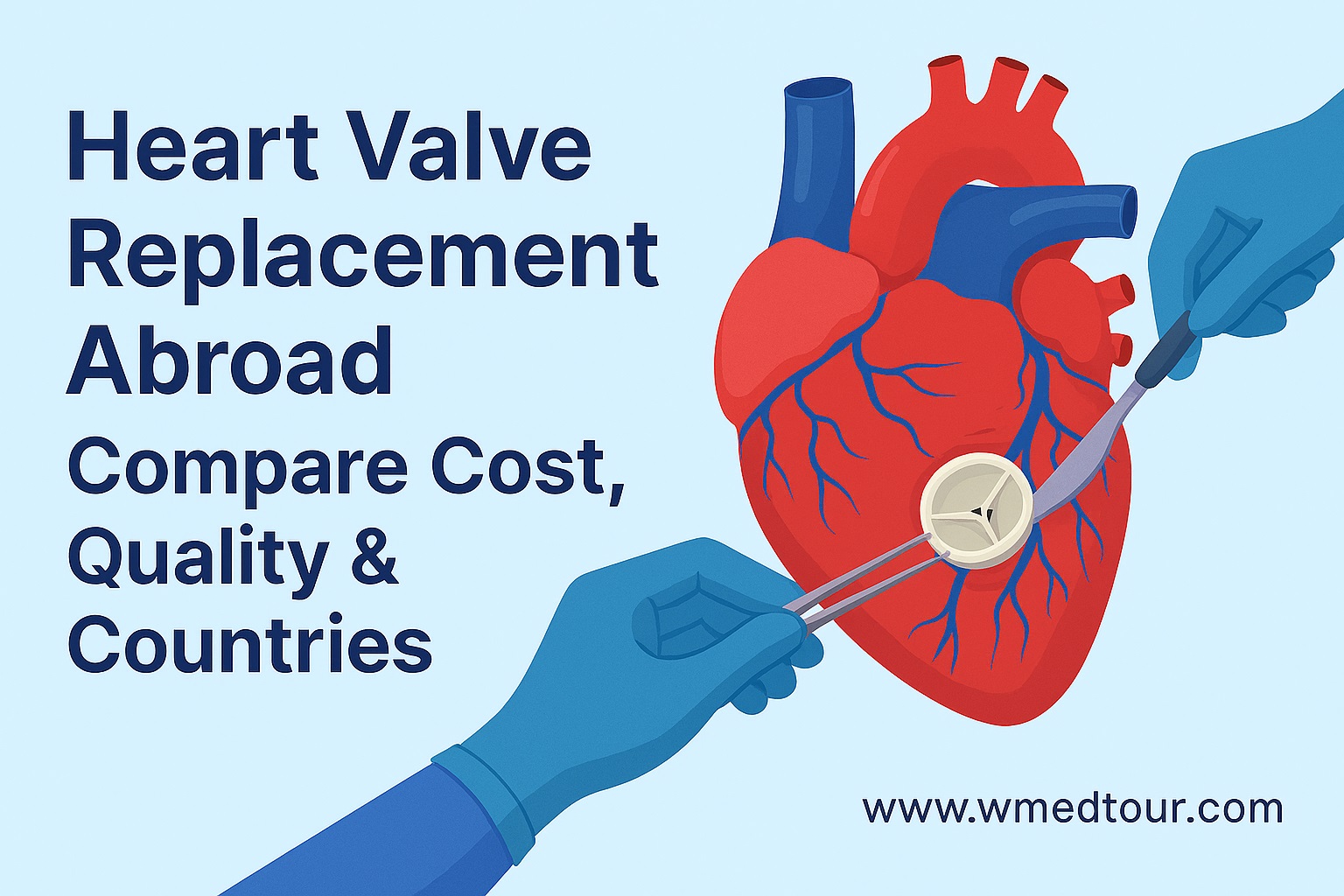
💖 Heart Valve Replacement Abroad 2026: The Ultimate Patient Guide
Executive Summary 📋
Seeking heart valve replacement abroad in 2026 has become a preferred choice for thousands of patients globally. This guide provides a deep dive into why medical tourism for cardiac care is surging. We explore the massive cost savings, often reaching 70% compared to Western prices. You will learn about advanced surgical techniques like TAVI and robotic-assisted repair. We cover the top-rated destinations including India, Turkey, and Iran. This post outlines a clear roadmap from diagnosis to recovery. It also addresses the critical decision between mechanical and biological valves. Our goal is to empower you with authoritative, empathetic information for your heart health journey.
Who is This For? 👥
This comprehensive resource is specifically designed for individuals diagnosed with valvular heart disease. It serves patients looking for affordable, high-quality alternatives to local healthcare. It is for families who want to support a loved one through cardiac surgery. Medical professionals and case managers will also find this useful for advising patients on global options. If you are facing long waiting lists or high deductibles, this guide is for you. We cater to those seeking a balance between clinical excellence and a restorative travel experience.
Understanding the 2026 Landscape 🌍
The year 2026 marks a turning point in global healthcare. Access to world-class cardiology is no longer restricted by geography. International hospitals now hold JCI accreditations that rival top US clinics. Digital health integration allows for seamless pre-op consultations from your home. This evolution makes traveling for heart surgery safer and more transparent than ever before.
The Rising Trend of Heart Valve Replacement Abroad 2026 📈
Why are more people traveling for heart care now? The primary driver is the global disparity in medical costs. However, technology has leveled the playing field significantly. Many centers in Asia and the Middle East now use the same robotic systems found in London or New York. Consequently, the success rates for valve procedures abroad have reached parity with Western benchmarks. Furthermore, the wait times in countries with socialized medicine have pushed patients to seek private care elsewhere. This trend is supported by specialized agencies like WMedTour that manage every detail of the trip.
Global Accreditation Standards
Quality assurance is the cornerstone of 2026 medical tourism. Hospitals in our network prioritize international standards. You can verify the credentials of your specialized doctors easily online. Most top-tier cardiac centers employ surgeons trained in Europe or the United States. This ensures a familiar level of care and communication.
Technological Advancements in Valve Surgery
2026 brings refined minimally invasive options. Transcatheter Aortic Valve Implantation (TAVI) is now a routine outpatient procedure in many global hubs. Surgeons also utilize 3D-printed valve models for pre-surgical planning. These innovations reduce trauma and speed up the healing process significantly.
Technological Advancements in Valve Surgery
Valve surgery has evolved significantly over the past decade, driven by innovations that improve precision, safety, and patient recovery. One of the most impactful developments is the rise of minimally invasive and transcatheter techniques, such as TAVR/TAVI, which allow valve replacement without open-heart surgery. These approaches reduce surgical trauma, shorten hospital stays, and make treatment possible for elderly or high-risk patients who were previously considered inoperable.
Advances in imaging and surgical planning have also transformed valve procedures. High-resolution 3D echocardiography, CT scans, and MRI enable surgeons to assess valve anatomy in detail and plan interventions with greater accuracy. In parallel, robotic-assisted surgery provides enhanced dexterity and visualization, allowing complex valve repairs through small incisions with improved consistency and outcomes.
In addition, progress in biomaterials and valve design has increased the durability and performance of both mechanical and bioprosthetic valves. New-generation tissue valves last longer and function more naturally, reducing the need for repeat surgeries. Combined with better postoperative monitoring and personalized treatment strategies, these technological advancements have made valve surgery safer, more effective, and more accessible for patients worldwide.
Types of Heart Valve Replacement Procedures 🏥
When you seek heart valve replacement abroad 2026, you will encounter several surgical choices. The best option depends on your age, lifestyle, and the specific valve affected. Most procedures involve either the aortic or mitral valve. Let us break down the primary methods used today.
Mechanical Valve Replacement
Mechanical Valve Replacement is a type of heart surgery in which a damaged or diseased heart valve is removed and replaced with an artificial valve made from durable materials such as metal, carbon, or titanium.
This procedure is most commonly used to treat serious valve conditions like aortic valve stenosis, aortic regurgitation, or mitral valve disease, where the valve cannot open or close properly and affects normal blood flow through the heart.
How it works
During the surgery, the surgeon removes the faulty natural valve and implants a mechanical valve that takes over the function of regulating blood flow in the correct direction. Mechanical valves are designed to last for many decades and are especially suitable for younger patients.
Key advantages
- Very long-lasting and durable
- Lower risk of needing another valve replacement surgery
- Reliable performance over time
Important considerations
- Patients must take lifelong blood-thinning medication (anticoagulants) to prevent blood clots
- Regular blood tests are required to monitor medication levels
- Some patients may hear a faint clicking sound from the valve, which is normal
Who may need it
Mechanical valve replacement is often recommended for patients who:
- Are younger and in good overall health
- Can manage long-term anticoagulant therapy
- Have severe valve disease not suitable for repair
Overall, mechanical valve replacement is a proven and effective solution for restoring normal heart function and improving quality of life in patients with advanced valve disease.
Biological (Tissue) Valve Replacement
Biological (Tissue) Valve Replacement is a type of heart valve surgery in which a damaged or diseased heart valve is replaced with a valve made from biological (natural) tissue rather than metal or synthetic materials.
What is a Biological Valve?
A biological valve (also called a tissue valve or bioprosthetic valve) is typically made from:
- Animal tissue (most commonly pig or cow heart tissue)
- Human donor tissue (less common, usually from donated heart valves)
These tissues are specially treated to be safe and durable for use in the human heart.
Why Is Biological Valve Replacement Done?
This procedure is performed when a heart valve cannot open or close properly due to conditions such as:
- Valve narrowing (stenosis)
- Valve leakage (regurgitation)
- Valve damage from infection or aging
Replacing the faulty valve helps restore normal blood flow and reduces symptoms like shortness of breath, fatigue, and chest pain.
Advantages of Biological Valves
- Usually do not require lifelong blood-thinning medication
- Lower risk of blood clots compared to mechanical valves
- Quieter operation (no clicking sound)
Limitations
- Biological valves tend to wear out over time, often lasting 10–20 years
- Younger patients may need another valve replacement later in life
Who Is a Good Candidate?
Biological valve replacement is often recommended for:
- Older adults
- Patients who cannot take long-term blood thinners
- Individuals who prefer a more natural option with fewer medication requirements
Summary
Biological (tissue) valve replacement is a well-established surgical option that uses natural tissue to replace a damaged heart valve. It offers good quality of life with fewer medication needs, making it a suitable choice for many patients depending on age, lifestyle, and medical condition.
Minimally Invasive and Robotic Surgery
Modern valve repair or replacement often utilizes small incisions. Robotic arms provide the surgeon with incredible precision. This method results in less blood loss and a much faster return to daily activities. Many patients choose to go abroad specifically to access these robotic platforms at lower costs.
Minimally Invasive and Robotic Surgery refers to advanced surgical techniques designed to treat medical conditions with smaller incisions, greater precision, and faster recovery compared to traditional open surgery.
Minimally Invasive Surgery (MIS)
Minimally invasive surgery is performed through small cuts using specialized instruments and a tiny camera (called a laparoscope). The camera sends high-definition images to a screen, allowing the surgeon to operate without making large incisions.
Key benefits include:
Less pain after surgery
Reduced blood loss
Smaller scars
Shorter hospital stay
Faster return to daily activities
MIS is commonly used in procedures such as gallbladder removal, hernia repair, gynecologic surgery, orthopedic procedures, and some cardiac and cancer surgeries.
Robotic Surgery
Robotic surgery is an advanced form of minimally invasive surgery. It uses a robotic system controlled entirely by the surgeon. The surgeon sits at a console and guides robotic arms that hold surgical instruments and a high-resolution 3D camera.
Advantages of robotic surgery include:
Extremely precise movements
Enhanced 3D visualization
Better access to hard-to-reach areas
Reduced risk of complications
Improved outcomes in complex surgeries
Robotic surgery is widely used in urology, gynecology, colorectal surgery, cardiac surgery, and cancer treatment.
In Simple Terms
Minimally invasive and robotic surgeries aim to do more with less trauma to the body. By using advanced technology and smaller incisions, these techniques help patients heal faster, experience fewer complications, and achieve better overall results.
The Patient Roadmap: Your Step-by-Step Journey 🗺️
Planning a surgery overseas can feel overwhelming. Following a structured roadmap ensures nothing is missed. At WMedTour, we guide you through each phase of this life-changing process.
Phase 1: Initial Inquiry and Consultation
Your journey begins with a free assessment. You will share your medical records and recent angiography reports with our team. We then facilitate a telemedicine consultation with a leading surgeon. This allows you to ask questions and build trust before leaving home.
Phase 2: Travel Planning and Arrival
Once you decide to proceed, we handle the logistics. This includes visa assistance and booking flights. Upon arrival in your chosen destination, a dedicated coordinator meets you at the airport. You are then escorted to your hotel or the hospital for final pre-op testing.
Phase 3: The Surgical Procedure
The surgery takes place in a state-of-the-art theater. Depending on the complexity, it may last between three to six hours. After the procedure, you will spend initial time in the Intensive Care Unit (ICU) for close monitoring. The hospital staff provides 24/7 care during this critical window.
Phase 4: Post-Operative Care and Discharge
You will move to a private room as you stabilize. Physical therapists will help you take your first steps. Once the medical team is satisfied with your progress, you are discharged. However, you will remain in the city for a week of follow-up visits before flying home.
Pros and Cons of Heart Valve Replacement Abroad ⚖️
Choosing to travel for surgery is a major decision. It is essential to weigh the benefits against the potential challenges. Here is an honest breakdown of what to expect in 2026.
Advantages of Going Abroad
Lower Costs: The most obvious benefit is the financial savings. You can save enough to cover the surgery, travel, and a luxury recovery period. Immediate Access: You can skip long waiting lists and get treated within weeks. High Standards: You gain access to world-renowned experts and cutting-edge technology. Personalized Care: International hospitals often provide a higher nurse-to-patient ratio than domestic ones.
Disadvantages and Risks
Travel Stress: Long-distance flights can be tiring for heart patients. Communication Gaps: While most staff speak English, minor language barriers can occur. Follow-up Care: Coordinating with your local doctor after you return requires careful planning. Legal Recourse: Medical laws differ by country, making it harder to address complications legally.
Comparison Table: Treatment Options 📊
| Feature | Mechanical Valve | Biological Valve | TAVI (Transcatheter) |
|---|---|---|---|
| Durability | Life-long (25+ years) | 10 – 15 years | Variable (New Tech) |
| Medication | Lifelong Blood Thinners | None or Short-term | Short-term antiplatelets |
| Invasiveness | Open Heart Surgery | Open Heart or Minimally Invasive | Percutaneous (No Chest Opening) |
| Ideal Patient | Under 60, Active | Over 60, or Pregnancy planned | High-risk or Olders |
Cost Analysis: Heart Valve Replacement Abroad 2026 💰
The cost varies significantly by country. In 2026, the following estimates include the surgery, hospital stay, and surgeon fees. Please note that prices are subject to change based on the patient’s specific condition.
| Country | Estimated Cost (USD) | Savings vs. USA/UK |
|---|---|---|
| United States | $150,000 – $200,000 | 0% |
| India | $7,000 – $12,000 | ~90% |
| Turkey | $15,000 – $25,000 | ~80% |
| Iran | $6,000 – $10,000 | ~92% |
| Thailand | $18,000 – $30,000 | ~75% |
Recovery and Medical Tourism Experience 🏖️
Recovery is just as important as the surgery itself. In 2026, “Heal-cations” are a major part of the heart valve replacement abroad 2026 experience. Many patients choose to recuperate in serene environments. This helps reduce stress and promotes faster biological healing.
The First Two Weeks
Initially, you will focus on wound care and light walking. Your diet will be strictly monitored by hospital nutritionists. You will stay near the hospital to ensure quick access if any issues arise. This period is vital for adjusting to new medications.
Combining Care with Gentle Tourism
Once cleared for light activity, you can enjoy local culture. In Turkey, this might mean a relaxing stay near the Bosphorus. In India, many patients enjoy peaceful wellness retreats. Our tours in Iran also offer beautiful heritage sites for quiet reflection. Always consult your surgeon before planning any sightseeing.
Case Study: A 2026 Patient Journey 📖
Meet Robert, a 55-year-old teacher from Canada. Robert was diagnosed with severe aortic stenosis. In Canada, the wait for surgery was nearly a year. His private insurance wouldn’t cover the full cost of a local private clinic. Robert contacted WMedTour for heart valve replacement abroad 2026.
The Decision
Robert chose to have his surgery in a top JCI-accredited hospital in Istanbul. He opted for a mechanical valve to ensure he wouldn’t need surgery again. We arranged for an anesthesia consultation via video call first.
The Outcome
The surgery was successful using a minimally invasive approach. Robert spent five days in the hospital and ten days in a nearby hotel. He returned home with a full medical file and clear instructions for his local cardiologist. He saved over $40,000 and was back in his classroom within eight weeks.
Top Destinations for Heart Surgery in 2026 ✈️
Selecting the right location is paramount. Each country offers unique strengths in the field of medical departments. Here is why these three stand out for heart valve replacement abroad 2026.
India: The Global Leader in Volume
India performs more cardiac surgeries than almost any other nation. This high volume leads to exceptional surgical skill. Hospitals in cities like Delhi and Mumbai are equipped with the latest technology. It is often the most cost-effective choice for international patients.
Turkey: The Bridge Between East and West
Turkey offers a perfect blend of European medical standards and affordable pricing. Many surgeons are members of the European Society of Cardiology. The infrastructure is modern, and the hospitality is world-class. It is a preferred destination for patients from Europe and the Middle East.
Iran: Unmatched Expertise in Complex Cases
Iran has a long history of excellence in pediatric cardiac and adult valve surgeries. The costs here are incredibly competitive due to currency exchange rates. Patients receive highly attentive care from some of the most experienced heart surgeons in the region.
Preparing for Your Departure 📋
Before you leave for your heart valve replacement abroad 2026, ensure your paperwork is in order. You will need copies of all scans and blood tests. It is helpful to have a list of all current medications. We recommend checking our FAQ section for common travel questions.
Insurance and Financial Planning
Check if your insurance offers any “Global Medical” riders. While many domestic policies do not cover surgery abroad, some specialized providers do. Always have a financial cushion for unexpected stay extensions. We provide transparent quotes to help you plan your budget effectively.
Internal Resources and Support 🔗
At WMedTour, we provide comprehensive support across all medical needs. Whether you need general surgery or specific CABG surgery, we are here. You can explore our all locations page to find the best fit for you. Our about us page explains our commitment to patient safety.
Emergency Medical Transport
For patients who are too ill for commercial flights, we offer solutions. Our air ambulance long route services ensure safe transport. We also provide air ambulance short route options for regional travel. Your safety is our absolute priority throughout the transfer process.
Frequently Asked Questions ❓
1. Is it safe to have heart valve replacement abroad in 2026?
Yes, it is very safe if you choose a JCI-accredited hospital. Many international centers have lower infection rates than Western hospitals. Technology in 2026 has made remote monitoring and surgical precision much more accessible.
2. How much can I save on heart valve replacement abroad 2026?
Patients typically save between 60% and 90%. For example, a $150,000 procedure in the US can cost around $10,000 in India or Iran. These savings apply even after including travel and accommodation costs.
3. How long do I need to stay abroad after surgery?
Most patients stay for about 14 to 21 days. You will spend 5-7 days in the hospital. The remaining time is for outpatient follow-ups and ensuring you are fit to fly. Rushing the return journey is never recommended.
4. Will my local doctor be able to provide follow-up care?
Yes, we provide you with a comprehensive medical report in English. Your local cardiologist can use this to manage your long-term health. We also offer digital follow-ups with your operating surgeon.
5. Which is better: mechanical or tissue valves?
There is no single “best” answer. Mechanical valves last longer but require lifelong blood thinners. Tissue valves don’t need blood thinners but may require replacement later. Your surgeon will help you choose based on your specific health profile.
6. Do the doctors abroad speak English?
Yes, at our partner hospitals, English is the primary language for medical communication. Many surgeons have trained or worked in English-speaking countries. WMedTour also provides translators for other languages if needed.
7. What happens if there are complications?
Our partner hospitals have full ICU facilities to handle complications. We also encourage patients to get medical complications insurance. This covers additional costs if your stay needs to be extended for medical reasons.
8. Can I travel alone for my heart valve replacement abroad 2026?
While possible, we strongly recommend bringing a companion. Having emotional support is vital for recovery. If you must travel alone, WMedTour provides a dedicated patient coordinator to assist you daily.
9. What is the success rate of heart valve replacement abroad?
The success rates at top-tier international hospitals same as iranian top hospitals are over 98%. This is consistent with the best hospitals in the US and Europe. We only work with centers that transparently report their clinical outcomes.
10. How do I send my medical records to you?
You can securely upload your documents through our website. We accept DICOM files for imaging like angiography and echos. Our medical team reviews them within 24 to 48 hours.
11. Can I get TAVI/TAVR surgery abroad?
Absolutely. Through the wmedtour.com platform, patients can arrange TAVI/TAVR (Transcatheter Aortic Valve Implantation/Replacement) treatment abroad with carefully selected international hospitals and experienced cardiac teams.
wmedtour.com connects you with accredited medical centers in multiple countries that offer advanced minimally invasive heart valve procedures, including TAVI/TAVR, often at significantly lower costs than in Western countries. The platform supports you throughout the process—from reviewing your medical records and matching you with a suitable hospital, to coordinating travel, accommodation, and post-procedure follow-up.
This makes wmedtour.com a practical option for international patients seeking high-quality TAVI/TAVR care abroad with transparent planning and personalized assistance.
12. Is the 2026 medical tourism market regulated?
Yes, global health authorities and accreditation bodies like JCI strictly regulate international hospitals. Furthermore, agencies like WMedTour vet clinics to ensure they meet our rigorous safety standards.
Medical Disclaimer ⚕️
The information provided in this article is for educational purposes only. It should not be treated as professional medical advice. Heart valve replacement is a major surgical procedure with inherent risks. Always consult with a qualified cardiologist before making any decisions. The results of surgery can vary based on individual health factors. WMedTour acts as a facilitator and is not a direct healthcare provider.
Final Thoughts 💖
Taking control of your heart health in 2026 is a bold and rewarding step. Heart valve replacement abroad 2026 offers a pathway to health that is both high-quality and affordable. By choosing the right destination and partner, you can navigate this journey with confidence. We invite you to contact us today to begin your healing journey. Your heart deserves the best care the world has to offer.
For further reading on cardiac standards, you may visit Oxford University’s Cardiovascular Medicine or check recent studies at Stanford University’s Heart Center.