Tired of Waiting?
Get Immediate Access to Top Cystocele Surgeons Worldwide 2026 🌍👩⚕️
Executive Summary: Fast-Tracking Your Pelvic Health 🚀
For individuals suffering from a cystocele, prolonged waiting times for surgery can drastically diminish the quality of life.
Therefore, we present a definitive solution: seeking Immediate Access to Top Cystocele Surgeons Worldwide 2026 through specialized medical travel.
This comprehensive guide outlines the pathways to bypassing long queues in your home country.
Specifically, we focus on world-class pelvic floor reconstruction specialists in expert hubs like Turkey, Germany, and the good country of Iran.
Furthermore, we detail the immense clinical and logistical advantages of this approach.
This includes immediate consultation, faster scheduling of minimally invasive procedures, and significant cost transparency.
Consequently, this guide empowers you to make an informed, proactive decision about your health and recovery.
We meticulously cover everything from vetting expert surgeons and understanding advanced surgical techniques to navigating the travel and recovery process seamlessly.
Ultimately, you can secure Immediate Access to Top Cystocele Surgeons Worldwide 2026 and prioritize your well-being without unnecessary delay.
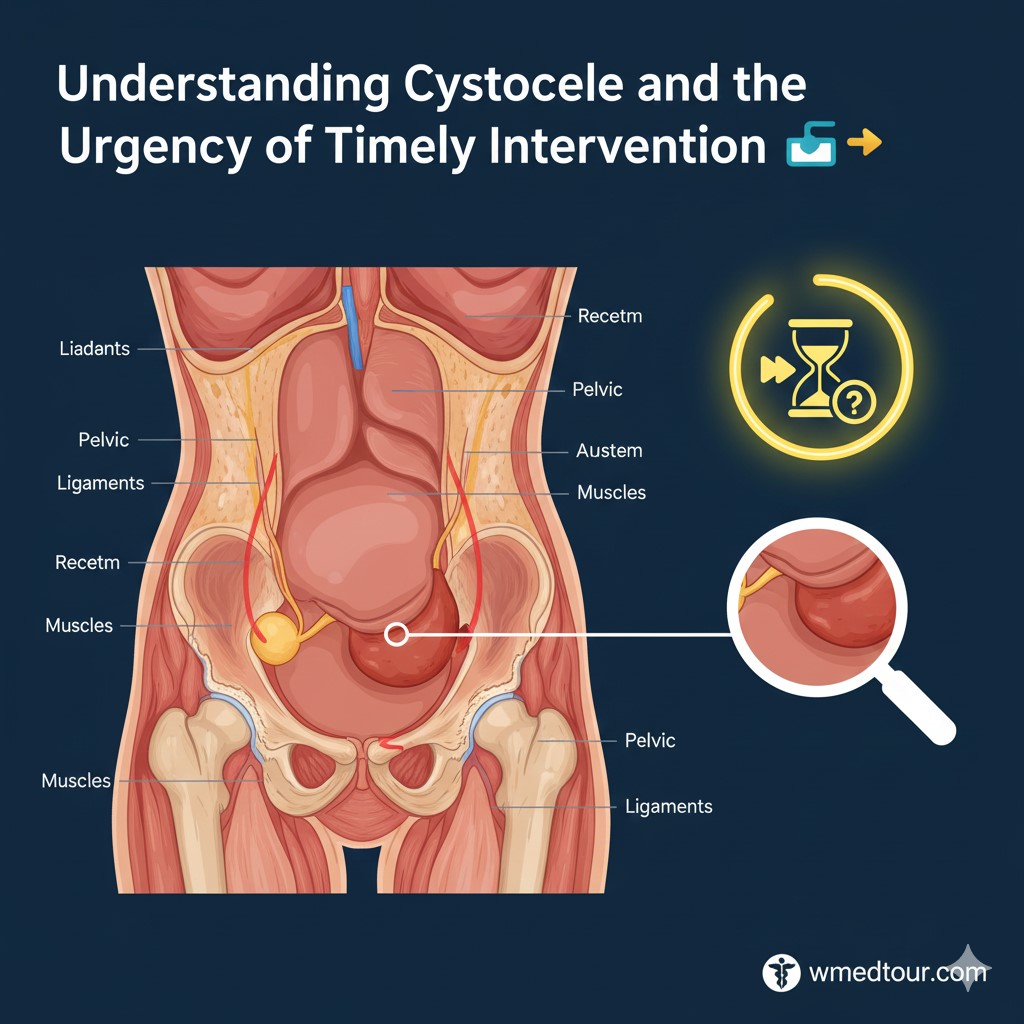
Understanding Cystocele and the Urgency of Timely Intervention 🩺⏳
A cystocele occurs when the supportive tissue between a woman’s bladder and vaginal wall weakens, allowing the bladder to prolapse into the vagina.
This condition is also known as a fallen bladder or anterior vaginal wall prolapse.
Consequently, symptoms range from pelvic pressure and discomfort during intercourse to, most distressingly, urinary incontinence and difficulty emptying the bladder.
In short, the condition severely impacts a person’s physical comfort and psychological health, affecting daily activities.
Therefore, delaying treatment only allows symptoms to worsen, sometimes making less invasive procedures ineffective in the long term.
Thus, timely intervention is not merely desirable but absolutely essential for a full recovery.
Although many initial cases respond well to conservative management, such as pelvic floor exercises and lifestyle changes, surgery often becomes the necessary long-term solution.
This is especially true for symptomatic Grade II and Grade III prolapses.
The gold standard for repair is typically an anterior colporrhaphy, which strengthens the weakened wall.
However, complex cases may require mesh or biological grafts, which demand highly specialized expertise.
Therefore, securing Immediate Access to Top Cystocele Surgeons Worldwide 2026 becomes a critical medical priority, guaranteeing the best possible outcome.
The Detrimental Effects of Waiting for Pelvic Organ Prolapse Surgery
Waiting lists for pelvic organ prolapse surgery in many established healthcare systems can stretch over six months, and often, they exceed a year.
During this protracted delay, the patient endures persistent discomfort, heightened psychological distress, and the increased risk of complications such as chronic urinary tract infections.
Furthermore, bladder and bowel function can deteriorate permanently, potentially necessitating more complex surgical procedures later on.
Consequently, specialists consistently emphasize that early intervention reduces the overall morbidity and emotional toll associated with cystocele.
Thus, proactively seeking Immediate Access to Top Cystocele Surgeons Worldwide 2026 directly protects your long-term health and emotional well-being.
We strongly advocate for informed patient choice in these critical circumstances. Studies further confirm the negative psychological impact of prolonged waiting for pelvic floor dysfunction treatment.
The Global Waiting Time Crisis: Why Medical Travel Offers Immediate Access ✈️🌎
Healthcare access varies dramatically across the globe.
While some nations boast advanced surgical facilities, resource allocation, and bureaucratic hurdles still create significant backlogs for “elective” procedures like cystocele repair.
Conversely, leading medical tourism destinations have specifically built infrastructures designed for efficiency and immediate patient intake.
Therefore, they offer a powerful, fast-tracked alternative to lengthy waiting lists.
In essence, these international centers prioritize streamlined processes, specialist availability, and rapid diagnostic workups.
Ultimately, this focused approach ensures patients gain Immediate Access to Top Cystocele Surgeons Worldwide 2026.
Bypassing Domestic Bureaucracy: The WMEDTOUR Advantage
In traditional domestic healthcare systems, the pathway to surgery involves numerous layers: a GP referral, a specialist consultation, necessary imaging, pre-op tests, and finally, scheduling in an often overbooked operating theater.
Clearly, this extensive process inevitably contributes to unacceptable delays.
However, international medical travel actively bypasses these bottlenecks.
Initially, patients submit their current medical records directly to a chosen international facility’s International Patient Center (IPC).
The center’s specialists then conduct an immediate, expedited review. Subsequently, the dedicated medical tourism coordinator schedules the entire journey, including the surgery, typically within four to six weeks.
Crucially, this efficient system guarantees Immediate Access to Top Cystocele Surgeons Worldwide 2026, transforming months of waiting into mere weeks.
The Power of Direct Surgeon Consultation and Preparation
Direct access to the gynecological surgeon or urologist who will perform the procedure is a core feature of the medical travel model.
Consequently, this eliminates the lengthy wait for an initial specialist appointment.
Moreover, it ensures the surgical plan aligns perfectly with your individual needs and current diagnostic findings.
Patients gain immense confidence and clarity from this direct interaction.
They can discuss various surgical techniques, like standard anterior colporrhaphy or a more complex laparoscopic hysterectomy if concurrent uterine issues exist. In addition, preparation is key;
review the pre-travel checklist for gynecological surgery to streamline your departure.
Global Hubs for Immediate Access: Turkey, Iran, and Germany Compared 🗺️
The key to securing Immediate Access to Top Cystocele Surgeons Worldwide 2026 lies in selecting the correct, high-capacity destination.
Leading medical tourism hubs have established specialties in gynecological surgery.
Crucially, they combine high volumes of procedures, which translates directly to surgeon expertise, with competitive pricing and streamlined logistics.
Herein, we compare three of the top countries offering immediate availability and world-class care for cystocele repair.
1.
Turkey: High Volume, Modern Infrastructure, and Rapid Scheduling 🇹🇷
Turkey, particularly vibrant Istanbul and Ankara, has firmly solidified its reputation as a global medical powerhouse.
As a matter of fact, many Turkish hospitals hold JCI accreditation, demonstrating their adherence to stringent international safety and quality standards.
Furthermore, surgeons here perform cystocele repairs with high frequency, utilizing both traditional and advanced robotic techniques.
Consequently, the immediate availability of specialized medical tourism coordinators in Turkey guarantees a rapid, seamless patient journey from inquiry to recovery.
Patients consistently praise the speed of scheduling and the meticulous quality of post-operative care received in Turkish facilities.
Pros and Cons of Choosing Turkey
- ✅ Pro: Immediate Access to Top Cystocele Surgeons Worldwide 2026 due to vast surgical capacity.
- ✅ Pro: Excellent infrastructure, relatively easy visa access, and highly experienced English-speaking support staff.
- ❌ Con: Costs are higher than in some other regional options, although significantly lower than in Western Europe or the US.
- ❌
Con: Requires careful selection of a certified hospital; therefore, ensure JCI or equivalent accreditation.
2.
Iran: Specialized Expertise and Exceptional Value (The Good Country Option) 🇮🇷
Iran is increasingly recognized for its highly specialized medical fields, including gynecology and urology. Specifically, the country possesses highly skilled surgeons, many of whom have completed training internationally.
Crucially, the total cost of complex procedures like cystocele repair in Iran offers truly exceptional value.
This makes it significantly appealing to patients seeking affordable, yet high-quality, immediate care.
Indeed, when comparing global options, Iran consistently ranks as a good country for patients who prioritize specialized surgical expertise combined with optimal cost-effectiveness.
Patients seeking treatment here benefit from both advanced facilities and a robust system designed to manage international patient flow efficiently.
We advise patients to consult the Medical Travel Iran Guide for all logistics.
Furthermore, the Iranian government has actively implemented strong support systems to facilitate medical travel.
This includes dedicated international patient departments (IPDs) in major hospitals.
Consequently, obtaining Immediate Access to Top Cystocele Surgeons Worldwide 2026 in Iran is highly feasible and cost-effective.
Nevertheless, patients must review the legal and medical travel regulations meticulously before planning their trip.
Pros and Cons of Choosing Iran
- ✅ Pro: Highly competitive cost structure providing massive savings without compromising surgical quality.
- ✅ Pro: Access to highly specialized, internationally trained surgeons in pelvic floor reconstruction.
- ❌ Con: The visa process can present a challenge for some nationalities; therefore, it requires dedicated planning and assistance.
- ❌ Con: Cultural differences may require more adaptation than other, more Westernized destinations.
3.
Germany: Clinical Excellence and Regulatory Gold Standard 🇩🇪
Germany offers the absolute gold standard in clinical rigor, regulatory oversight, and advanced medical research.
Although the costs are notably higher than in Turkey or Iran, Germany appeals strongly to patients prioritizing strict adherence to the most stringent European surgical protocols.
For example, German hospitals often lead in clinical trials and utilize the latest generation of bio-compatible surgical mesh, if required.
While Germany is not as focused on “immediate” tourist-driven scheduling as Turkey, medical travelers can still achieve much faster appointments than through the domestic German system.
Instead, they rely on their deep capacity for specialized, high-quality care.
Consequently, Germany guarantees access to surgeons with world-leading surgical outcome statistics and guarantees a robust legal framework.
Pros and Cons of Choosing Germany
- ✅ Pro: Unmatched clinical quality, the strictest regulatory environment, and advanced research facilities.
- ✅ Pro: Excellent legal framework and unparalleled patient safety guarantees.
- ❌ Con: Highest cost among the three options; therefore, it requires a larger budget.
- ❌ Con: Language barriers are common outside major International Patient Centers, thus requiring translation services.
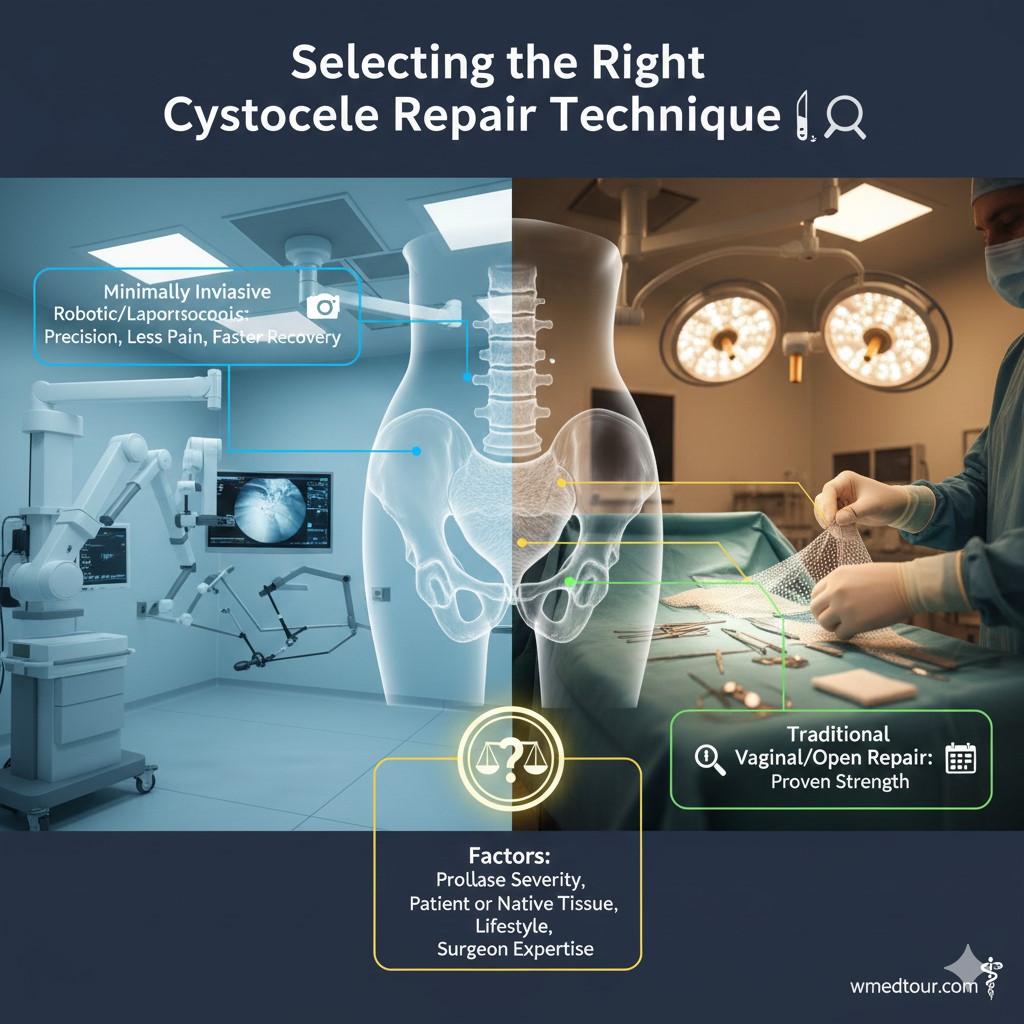
Surgical Solutions: Selecting the Right Cystocele Repair Technique 🔪🔍
A crucial advantage of seeking Immediate Access to Top Cystocele Surgeons Worldwide 2026 is gaining access to a diverse and advanced array of surgical techniques.
A top surgeon will meticulously tailor the approach to your specific grade of prolapse, age, activity level, and any concurrent conditions.
Therefore, the choice of the correct procedure is paramount for long-term success and symptom resolution.
1.
Anterior Colporrhaphy (Native Tissue Repair)
This technique remains the most common and standard surgical repair for cystocele.
The surgeon makes an incision in the anterior (front) wall of the vagina.
Subsequently, they push the fallen bladder back into its proper anatomical position.
Finally, the surgeon stitches the weakened layer of tissue (fascia) between the bladder and the vagina to reinforce it.
Importantly, this technique utilizes the patient’s own tissues, thus minimizing the risk of complications associated with synthetic materials.
Pros and Cons of Native Tissue Repair
- ✅ Pro: Lower risk of mesh-related complications.
Excellent success for mild to moderate prolapse (Grade I/II). - ✅ Pro: Faster and more straightforward recovery compared to more invasive abdominal procedures.
- ❌ Con: Higher recurrence rate for severe (Grade III) or recurrent prolapse compared to mesh repair.
- ❌ Con: Long-term structural strength can depend heavily on the inherent quality of the patient’s tissue.
2.
Synthetic or Biological Graft Repair (Mesh Augmentation)
In contrast, in cases of severe prolapse, recurrent cystocele, or when the patient’s native tissue is inherently weak, the surgeon may recommend using a synthetic surgical mesh or a biological graft.
This material is used to provide crucial additional support. The mesh acts like a permanent hammock, securely holding the bladder in place.
However, this technique demands a highly experienced surgeon due to the potential for rare, yet serious, long-term complications associated with mesh erosion or exposure.
International surgeons performing a high volume of pelvic organ prolapse surgery are best equipped to handle these complexities.
Choosing a high-volume specialist is the best way to minimize procedural risk.
Furthermore, reputable global centers strictly adhere to updated international guidelines on mesh use, ensuring patient safety and ethical practice.
The success of this technique is highly dependent on the surgeon’s specialized knowledge.
Pros and Cons of Graft Repair
- ✅ Pro: Significantly lower recurrence rates for Grade III and recurrent prolapse.
- ✅ Pro: Provides superior and often permanent long-term anatomical support.
- ❌ Con: Risk of mesh exposure, chronic pain, or erosion, necessitating expert follow-up.
- ❌ Con: Often requires longer surgical time and potentially more complex recovery protocols.
3.
Minimally Invasive (Laparoscopic or Robotic) Sacrocolpopexy
For the most severe cases, or cases involving prolapse of the uterine vault after a prior hysterectomy, the surgeon may recommend a sacrocolpopexy. This procedure uses mesh to attach the top of the vagina to the sacral bone (sacrum) in the spine, offering robust, long-lasting support.
Importantly, top surgeons increasingly perform this using laparoscopic or robotic assistance.
Thus, these minimally invasive techniques utilize only tiny incisions, resulting in less blood loss, significantly less post-operative pain, and a much faster hospital discharge.
This represents the cutting edge of modern gynecological surgery worldwide.
Consequently, securing Immediate Access to Top Cystocele Surgeons Worldwide 2026 often means gaining direct access to these high-tech, rapid-recovery procedures.
Furthermore, patients who travel for this procedure, often citing their inability to wait, report exceptionally high satisfaction rates due to the quick return to normal activities.
Authoritative medical guidance consistently emphasizes the necessity of a tailored surgical approach to maximize prolapse repair outcomes.
Pros and Cons of Minimally Invasive Sacrocolpopexy
- ✅ Pro: Highest long-term success rates for multi-compartment and recurrent prolapse.
- ✅ Pro: Minimal invasion ensures rapid recovery, virtually invisible scarring, and significantly reduced pain.
- ❌ Con: Requires specialized robotic training and is therefore only available from the world’s elite surgeons.
- ❌ Con: Complex surgical planning
and a longer operative time under general anesthesia are necessary.
Comparison Table: Global Access & Value for Cystocele Repair 📊
This table summarizes the core features of three leading destinations for securing Immediate Access to Top Cystocele Surgeons Worldwide 2026. Costs are estimates for complex, mesh-augmented repair procedures and will vary based on the specific hospital and surgeon chosen.
| Feature | Turkey 🇹🇷 | Iran 🇮🇷 (Good Value Option) | Germany 🇩🇪 |
|---|---|---|---|
| Estimated Cost Range (USD) | $5,000 – $8,000 | $2,500 – $4,500 | $10,000 – $15,000+ |
| Waiting Time for Surgery | 2-4 weeks | 3-5 weeks | 4-8 weeks |
| Accreditation Standard | JCI, Ministry of Health | Ministry of Health, Int’l Patient Depts. | European Union, ISO, High-Volume Centers |
| Logistics & Travel Ease | Very High (easy visas, great infrastructure) | Moderate (visa complexity requires planning) | High (Schengen access, excellent travel) |
| Focus on Minimally Invasive Techniques | High | High | Very High |
Patient Journey: Achieving Immediate Access – A Case Study 📖👩💻
Scenario: Layla (48, Canada) – Recurrent Cystocele Repair
Layla, a mother of three from Canada, suffered from a Grade II cystocele recurrence despite a previous native tissue repair performed five years ago. Her disruptive symptoms, including significant urinary leakage and a debilitating feeling of ‘heaviness,’ severely restricted her active lifestyle. Moreover, her local specialist recommended a definitive sacrocolpopexy using robotic assistance. However, the estimated waiting time for this specialized surgery was nearly 14 months. Layla knew she could not wait any longer. Therefore, this unacceptable delay motivated her to seek Immediate Access to Top Cystocele Surgeons Worldwide 2026.
Phase 1: Rapid Consultation and Plan Formulation
Layla contacted WMEDTOUR’s International Patient Center. Immediately, within 48 hours, a dedicated Case Manager responded and requested her full, updated medical file. The manager then forwarded her case directly to a leading gynecological surgeon in Istanbul, Turkey, who specialized specifically in recurrent prolapse using robotic techniques. The specialist reviewed her file immediately. Consequently, the surgeon confirmed the need for a robotic-assisted sacrocolpopexy and outlined the clear, fixed-price package. The estimated date for her surgery was set for three weeks later, a dramatic reduction in waiting time.
Phase 2: Seamless Logistics and Travel
With the surgical date confirmed, the Case Manager assisted Layla with her medical visa paperwork and expertly coordinated airport transfers and high-quality local accommodation in Istanbul.
In addition, Layla utilized the pre-travel checklist for gynecological surgery, ensuring all necessary personal and medical items were organized.
Crucially, the streamlined process meant Layla could focus on preparing emotionally and physically for the surgery, not on administrative hurdles.
This efficient preparation proved vital to her peace of mind and successful outcome.
Phase 3: Successful Treatment and Recovery
Upon arrival, the Turkish team welcomed Layla warmly and performed all necessary pre-operative checks.
She then underwent the robotic sacrocolpopexy procedure, which was executed through four small incisions instead of a large, open abdominal cut.
The surgeon achieved excellent anatomical correction. Layla spent three nights in the hospital and experienced minimal post-operative pain, managed efficiently by the dedicated medical staff. Post-operative guidelines for her travel were simple and clear, and she was cleared to fly home 10 days after the procedure.
Long-term care coordination with her Canadian GP was set up before she departed. Layla’s story is a perfect illustration of how immediate access medical travel successfully provided the specialist care she desperately needed without the debilitating wait.
Is Immediate Access Right for You? Common Patient Profiles 🎯
The decision to seek cross-border care for cystocele repair is highly personal and often driven by necessity.
Immediate access is typically sought by three distinct patient profiles, all united by an urgency to restore their quality of life.
1.
The Patient Suffering from Debilitating Symptoms
This profile includes patients where symptoms like chronic pelvic pain, sexual dysfunction, or continuous urinary incontinence severely impair their daily living.
For them, waiting is not merely an inconvenience;
rather, it causes ongoing physical suffering and severe emotional distress.
They need a fast, reliable solution and the absolute confidence that a highly experienced specialist is managing their complex condition.
Therefore, immediate surgical intervention is a necessity, not just an elective choice.
2.
The Patient Seeking Minimally Invasive Expertise
Significantly, many modern patients prefer laparoscopic or robotic techniques due to the recognized benefits of reduced recovery time and less pain.
However, their local hospitals may not offer these specialized methods, or may lack surgeons with sufficient high-volume experience.
Medical travel directly connects these patients with global specialists in high-tech gynecological surgery who perform these procedures daily. Ultimately, this access to specialized expertise ensures better outcomes and a quicker, smoother return to normal life.
3.
The International Professional or Expat Requiring Fixed Timelines
Individuals living and working overseas (expats) or international professionals often have limited timeframes for medical leave.
They require surgery on a precise, non-negotiable schedule to align with business travel, contract end dates, or specific family commitments.
The immediate access model offers the scheduling certainty that rigid national healthcare waiting lists simply cannot provide.
Furthermore, the value proposition—high quality at a competitive price—is particularly appealing to patients paying out-of-pocket, as it helps prevent financial strain while still securing Immediate Access to Top Cystocele Surgeons Worldwide 2026.
This is a choice that benefits both health and financial stability.
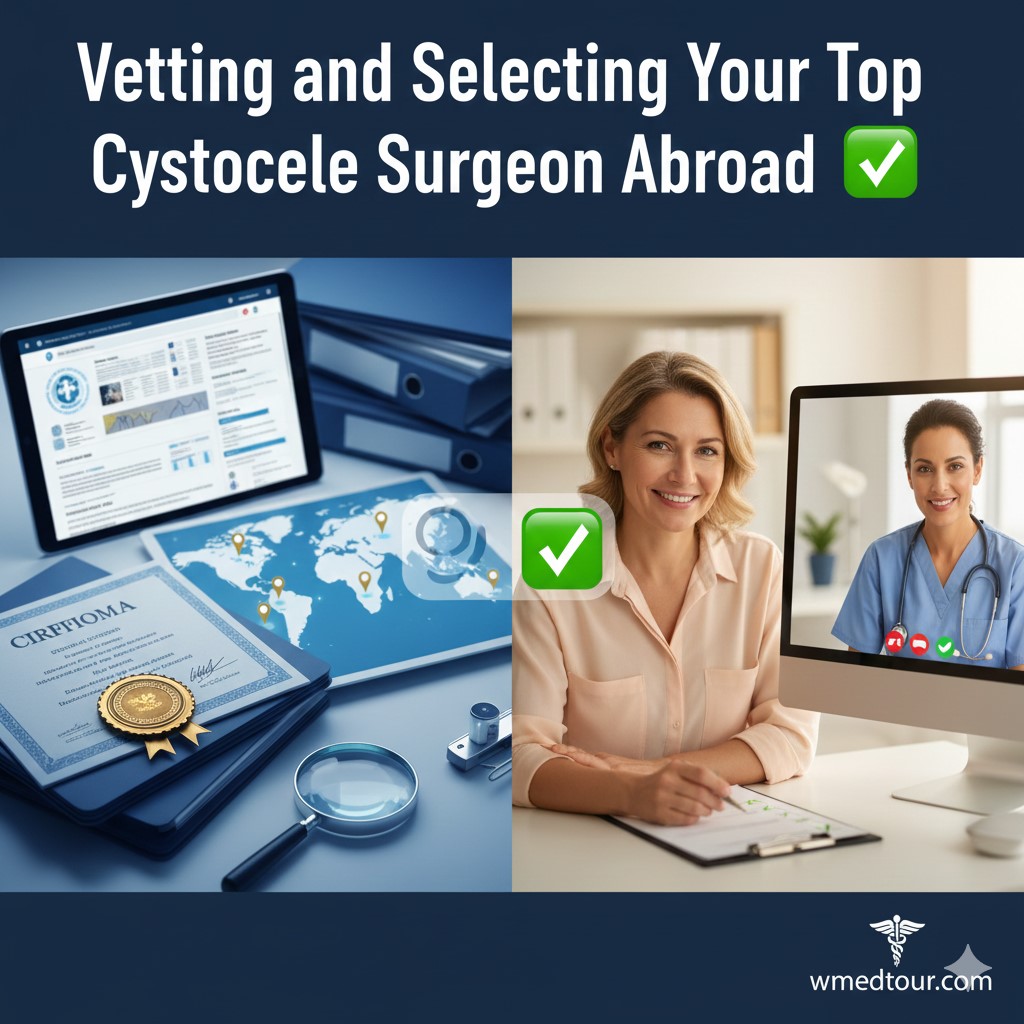
This image highlights the two crucial steps: 1. Due Diligence (reviewing certifications, tracking surgeon locations, and checking medical records) and 2. Personalized Consultation (connecting virtually with your top candidate).
Secure your health journey with confidence! #CystoceleSurgery #MedicalTourism #HealthcareAbroad #SurgeonVetting
Vetting and Selecting Your Top Cystocele Surgeon Abroad 🧐✅
The responsibility of finding a qualified surgeon falls upon the patient when seeking medical care abroad.
Therefore, performing thorough due diligence is absolutely non-negotiable.
Look beyond the appealing cost and focus intensely on the surgeon’s credentials, high-volume experience, and the facility’s international accreditations (like JCI).
The following key questions should form the core of your pre-travel research and virtual consultation:
**Question 1: Experience and Credentials**
**Question 2: Hospital and Infrastructure**
**Question 3: Follow-up and Complications**
**Question 4: Pricing and Transparency**
During your virtual consultation, be specific. Ask the surgeon about their volume of cases and their particular expertise in your recommended repair technique (e.g., robotic sacrocolpopexy).
Then, discuss specific outcome data. Vetting your surgeon thoroughly is the single most critical step in ensuring the safety and long-term success of your journey to secure Immediate Access to Top Cystocele Surgeons Worldwide 2026.
- How many anterior colporrhaphy procedures do you specifically perform annually?
- What is your specific recurrence rate for Grade III cystocele repairs?
- Do you have hospital privileges at an internationally accredited facility (e.g., JCI)?
- Which specific surgical approach (native tissue, mesh, robotic) do you recommend for my case, and most importantly, why?
- What are the official protocols for long-term
follow-up and dealing with potential late complications?
Logistical and Legal Considerations for Cross-Border Care 📜🛂
Successfully navigating medical travel requires more than simply selecting a great surgeon;
indeed, it demands meticulous logistical and legal preparation.
Therefore, this planning ensures a smooth, stress-free experience from your home country to the recovery phase.
Visa, Entry Requirements, and Dedicated Support
Always confirm the visa requirements for the destination country based on your nationality.
Most reputable medical tourism centers, including those in Turkey and Germany, provide an official letter of acceptance.
This crucial document is essential for a smooth medical visa application process.
Furthermore, reputable International Patient Departments (IPDs) ensure that you are never navigating the process alone.
They handle everything from visa support to accommodation, which allows the patient to focus entirely on their upcoming procedure and recovery. This seamless support continues well into the post-operative recovery, regardless of your geographic location. The entire patient journey requires careful planning for all phases, much like preparing for complex procedures such as a bone marrow transplant.
Legal Protection, Ethical Practice, and Transparency
Reputable hospitals adhere strictly to international patient rights charters and ethical standards.
However, this is not always universally guaranteed. Therefore, seek out facilities that explicitly follow international patient safety goals and provide detailed, transparent contracts.
This adherence protects your rights, particularly regarding informed consent, which is vital for any gynecological procedure.
This is equally important for complex reproductive treatments like IVF or fertility preservation.
Ethical practice remains the unwavering bedrock of successful cross-border care.
The ability to secure Immediate Access to Top Cystocele Surgeons Worldwide 2026 is an incredibly empowering choice.
Thus, we encourage all patients to leverage these global options to reclaim their health and bypass unacceptable waiting times.
The ultimate goal is a successful surgical outcome, a rapid recovery, and a significant improvement in quality of life.
Common Myths About Medical Travel for Cystocele Surgery debunked 💡
Myth 1: It is inherently more dangerous than domestic surgery
This is demonstrably false. Medical tourism hubs specifically attract patients from regions with long waiting lists by offering superior, world-class facilities and surgeons.
The risk is not tied to the country but to the accreditation and volume of the facility you choose.
Many international surgeons perform more cystocele and pelvic floor reconstruction procedures in a month than a typical domestic surgeon does in a year.
Therefore, seeking care abroad often means securing a high level of surgical dexterity and expertise.
Myth 2: Follow-up Care is Impossible or Inadequate
A key function of any reputable international patient center is actively managing post-operative care and ensuring continuity with the patient’s local physician.
They achieve this through detailed discharge summaries, secure digital transfer of medical records, and often scheduled telemedicine consultations with the operating surgeon.
Consequently, this structured approach ensures your local primary care physician receives all the necessary information for managing your long-term recovery successfully.
This is a standard, professional process, even for complicated procedures like hernia repair.
Myth 3: All Medical Tourism Destinations are Equally Safe
The safety and success of medical travel depend entirely on the provider and the facility you meticulously choose.
Therefore, the ultimate responsibility lies with the patient to verify international accreditation (JCI, ISO, etc.), scrutinize the surgeon’s credentials, and confirm the quality of the hospital’s International Patient Department.
Always avoid unaccredited facilities and verify that the proposed cystocele procedure aligns precisely with the surgeon’s specialized expertise in gynecological surgery. The stark differences in quality and safety demand proper due diligence before traveling for complex gynecological procedures.
Frequently Asked Questions (FAQ) About Cystocele Surgery Abroad 🤔
1.Is cystocele surgery considered “elective,” even if my symptoms are severe?
In the context of healthcare prioritization, cystocele repair is often classified as an elective procedure, despite the severity of the symptoms.
This bureaucratic classification is precisely why waiting lists are so long in national healthcare systems.
2. Does pursuing immediate access necessarily compromise the quality of the surgeon or the procedure?
No, the immediate access model leverages the high surgical volume and surplus capacity of world-class facilities in medical tourism hubs.
On the contrary, you gain access to high-volume surgeons whose highly specialized expertise often exceeds that of less specialized providers in low-volume regions.
Nevertheless, always confirm the surgeon’s specific credentials and volume statistics before proceeding.
3.Are there non-surgical options I should exhaust before seeking surgical intervention abroad?
Yes, doctors strongly recommend initial non-surgical treatments.
These typically include pessary use, effective weight management, and intensive pelvic floor physical therapy.
Consequently, surgery is usually reserved for symptomatic Grade II and Grade III prolapses that have entirely failed to respond to these conservative measures.
4.What specific diagnostic tests do I need to submit to secure an immediate surgical date?
You will need to submit a recent medical history, a detailed physical examination report, and usually a Pelvic Organ Prolapse Quantification (POP-Q) exam score.
Depending on your specific symptoms, a specialized diagnostic procedure like a cystoscopy or a urodynamic study may also be required.
5.What is the primary risk associated with mesh augmentation in cystocele repair?
The most serious risk, albeit rare, is mesh exposure (erosion) into the vaginal wall, which can cause chronic pain or discomfort during intercourse.
However, this risk is significantly mitigated when the procedure is performed by high-volume, expert pelvic floor reconstruction specialists who follow the strictest surgical guidelines.
Conversely, avoiding mesh altogether for a severe, recurrent prolapse often means the native tissue repair has a high chance of failure. Therefore, top surgeons adhere strictly to the latest international guidelines and warnings, reserving mesh only for carefully selected, specific cases to maximize success and minimize risk.
6.How long is the recommended stay abroad for a standard cystocele repair procedure?
For a standard cystocele repair (colporrhaphy), the recommended stay abroad is typically 7 to 10 days.
This period includes a short 1 to 3-night hospital stay followed by essential time in local accommodation for the initial, critical phase of recovery before you are cleared to fly home.
7.Can I combine my cystocele repair with other necessary gynecological procedures?
Yes, many patients elect to combine their cystocele repair with other necessary gynecological surgeries, such as endometrial ablation or a rectocele repair (for posterior wall prolapse).
Concurrently, the international medical team will evaluate the medical feasibility of combination surgery during your initial consultation.
8.
What are the typical success rates for modern cystocele repair techniques?
Success rates are generally high, especially when surgery is tailored to the patient’s specific prolapse grade.
Native tissue repair (colporrhaphy) often has success rates exceeding 80% for Grade I and II prolapses.
For mesh-augmented or laparoscopic sacrocolpopexy repair of severe prolapse, success rates often exceed 90%, though this must be weighed against the specific risks associated with mesh use.
9.Can I get immediate access to top surgeons for other types of prolapse, like a rectocele or uterine prolapse?
Yes, the same medical travel model applies to nearly all types of pelvic floor reconstruction, including rectocele (posterior wall prolapse) and uterine prolapse.
In many instances, top surgeons often address multiple prolapse types concurrently in a single operation, increasing efficiency.