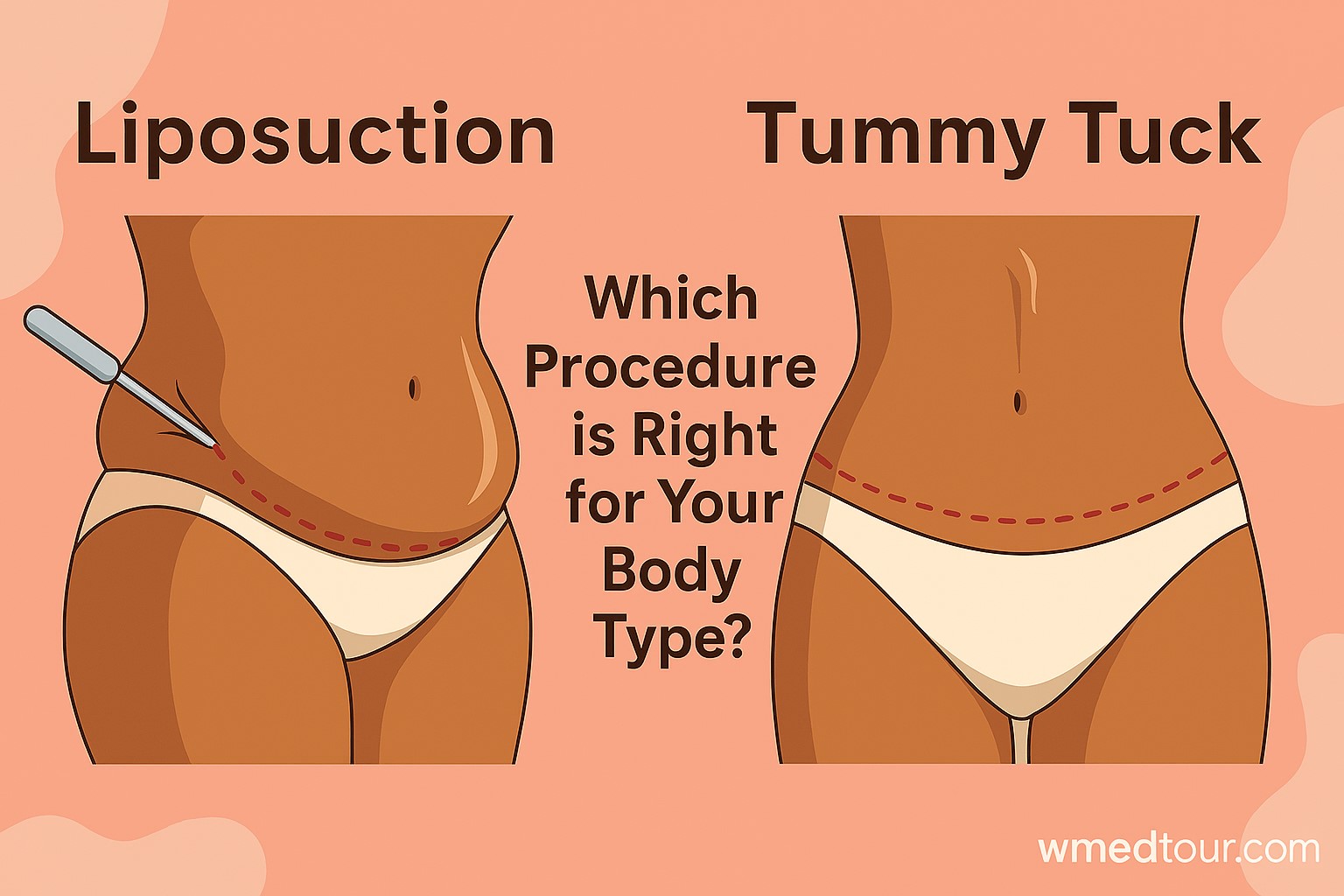
🔍Liposuction vs. Tummy Tuck: Which Procedure is Right for Your Body Type? ✨
📝Executive Summary: Key Takeaways
- The choice between Liposuction vs. Tummy Tuck depends fundamentally on whether you need fat removal alone or a combination of skin removal and muscle tightening.
- Liposuction removes localized, excess fat deposits beneath the skin. It is ideal for patients who have good skin elasticity and only need contouring, not skin excision.
- A Tummy Tuck (Abdominoplasty) removes excess skin, tightens underlying abdominal muscles (diastasis recti repair), and removes some fat. It is the gold standard for post-pregnancy or post-massive weight loss patients.
- You need a Tummy Tuck if you have significant loose, hanging skin. Conversely, you should choose Liposuction if your main issue is isolated pockets of stubborn fat.
- In many cases, surgeons combine the two procedures—a Lipoabdominoplasty—to achieve the best possible contouring results, addressing both fat and skin laxity simultaneously.
- Consultation with a board-certified plastic surgeon is essential. This is the only way to accurately determine the severity of your skin laxity and muscle separation.
🩺Defining the Procedures: Scope and Goals
The journey toward a more contoured physique often involves considering surgical options. Many patients initially struggle with the core question: Liposuction vs. Tummy Tuck? While both procedures aim to flatten and sculpt the abdomen, their mechanisms, extent of correction, and ideal candidates differ dramatically. Understanding this difference is the first step toward making an informed decision. For instance, the aesthetic goals for the abdomen are distinct from those for other body procedures, such as Body Lift in Dubai.
🔬What is Liposuction? (Fat Removal)
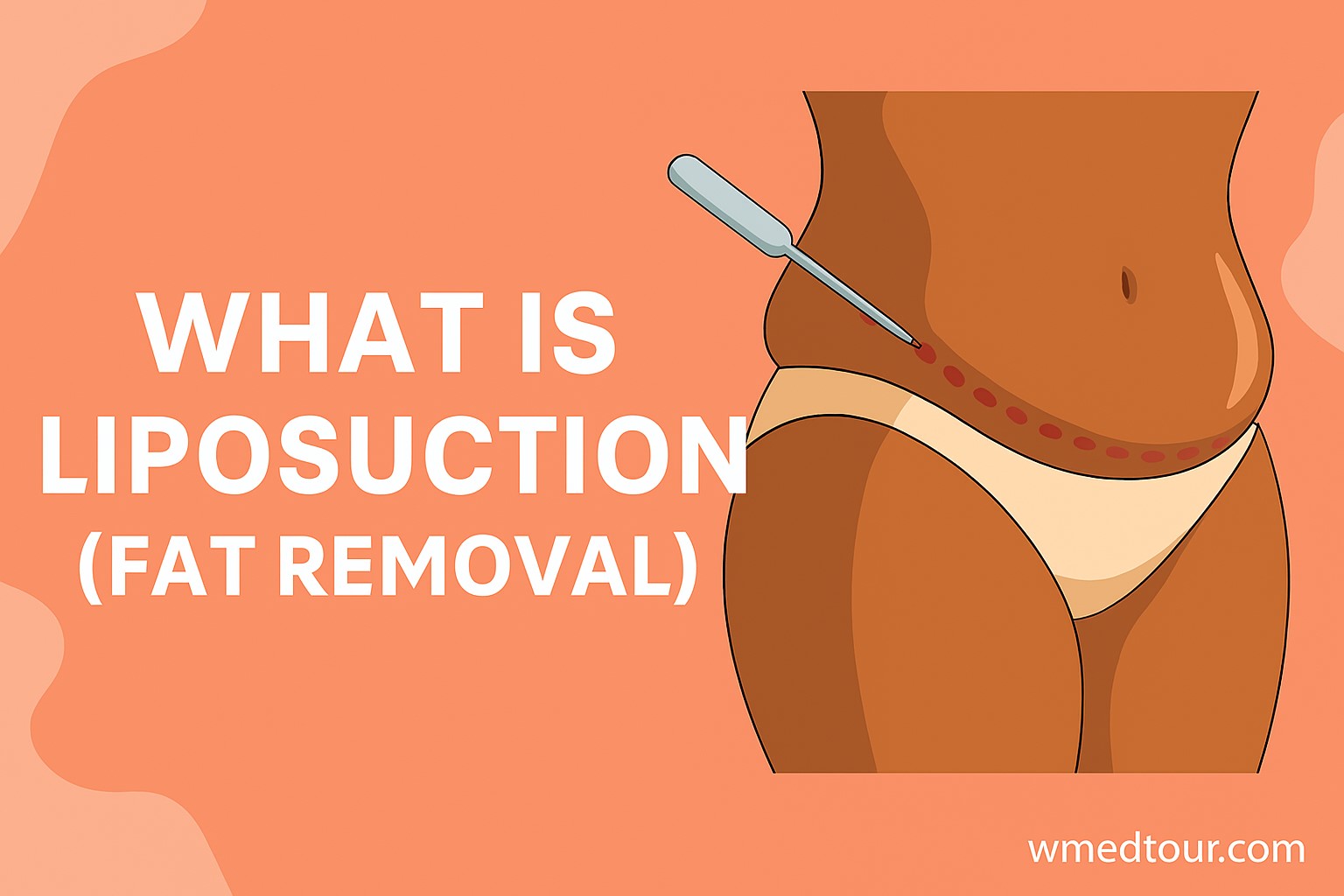
Liposuction is a body contouring procedure. It specifically targets and removes isolated pockets of stubborn fat that resist diet and exercise. The procedure works by using a small, hollow tube called a cannula. The surgeon inserts this cannula through tiny incisions. Subsequently, the cannula dislodges and suctions out the fat. This technique does not address loose skin or muscle laxity. Consequently, good skin elasticity is crucial for a successful outcome; the skin must shrink naturally to fit the new, smaller contour. Modern techniques, such as VASER or laser-assisted liposuction, use energy to help break up fat cells, making the removal process smoother. For detailed information on techniques, you can consult our guide on New Methods in Fat Removal Treatment in 2025.
✅Pros of Liposuction
- Minimal Scarring: Incisions are very small, usually less than one centimeter.
- Less Invasive: It involves shorter operating times and generally lower risk.
- Quicker Recovery: Most patients return to light activities within a week.
- Targeted Fat Removal: Highly effective for removing isolated fat deposits from the abdomen, flanks, arms, or thighs.
❌Cons of Liposuction
- No Skin Correction: It does not remove excess, loose skin. Therefore, patients with poor elasticity may end up with saggy skin.
- No Muscle Repair: It cannot fix separated abdominal muscles (diastasis recti).
- Limited Volume: Although large volumes are sometimes removed, it is primarily a contouring tool, not a weight loss method.
✂️What is a Tummy Tuck? (Skin and Muscle Repair)
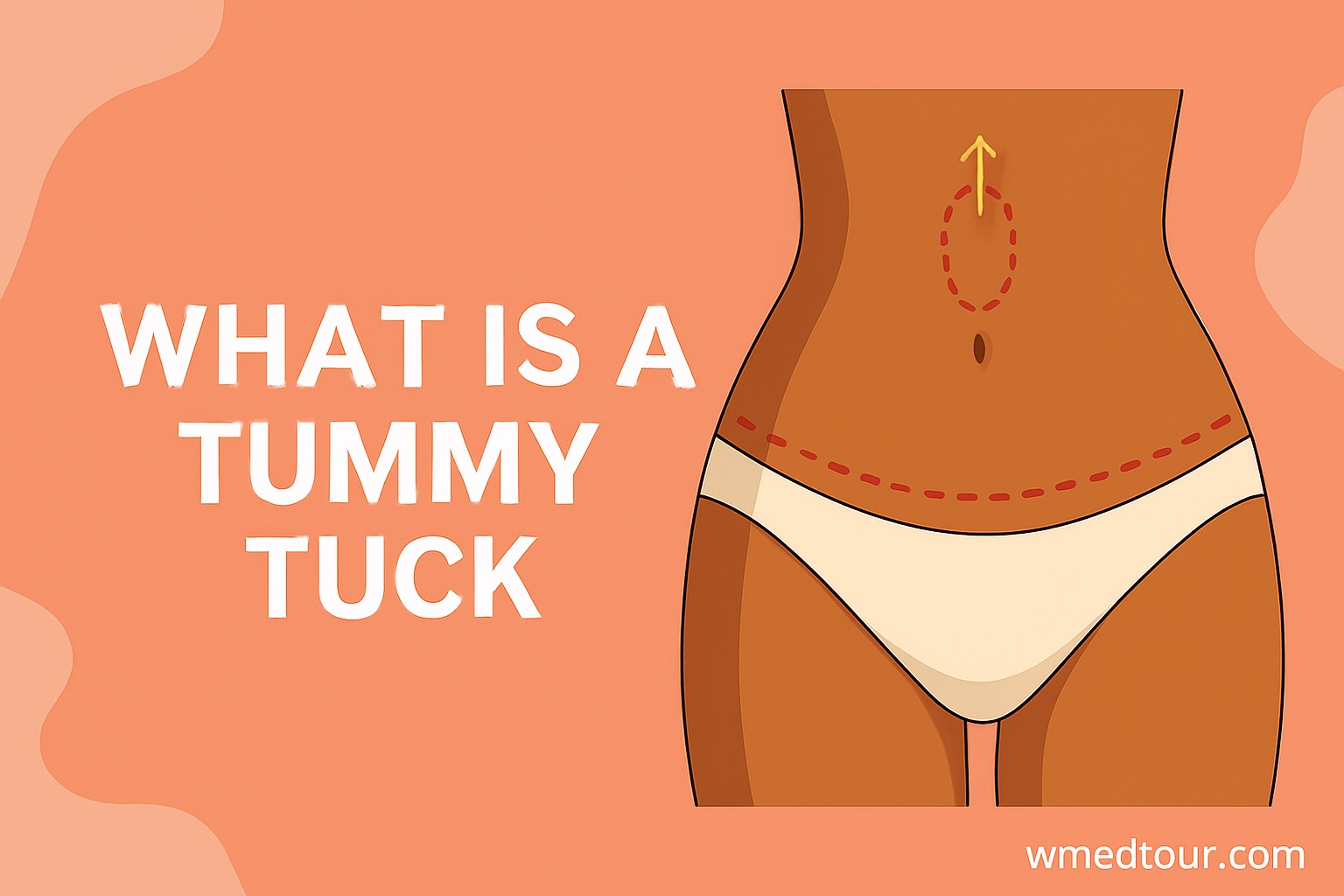
A Tummy Tuck (Abdominoplasty) offers a comprehensive solution for abdominal contouring. This procedure addresses both excess skin and muscle separation. The surgeon makes a significant incision, typically running from hip to hip, just above the pubic area. Through this incision, the surgeon lifts the abdominal skin and fat flap. They then tighten the underlying vertical muscles—the rectus abdominis—which separate after pregnancy or extreme weight loss. This crucial step is known as muscle plication. After muscle repair, the surgeon stretches the skin down, excises the redundant, loose skin, and creates a new opening for the belly button. This process results in a flat, firm, and dramatically reshaped core. Consequently, it is the only way to effectively treat significant skin laxity and severe diastasis recti. You can learn more about post-operative care in our Tummy Tuck Before and Aftercare guide.
✅Pros of a Tummy Tuck
- Complete Correction: It removes large amounts of excess skin and fat.
- Muscle Tightening: It repairs diastasis recti, restoring core strength and firmness.
- Dramatic Results: It creates a flat, smooth abdominal contour, even for patients with severe laxity.
- Stretch Mark Removal: Surgeons remove most stretch marks located on the excised lower abdominal skin.
❌Cons of a Tummy Tuck
- Significant Scar: It leaves a long, hip-to-hip scar, although it is usually placed low enough to be hidden by underwear.
- Invasive Surgery: It is a major surgery requiring general anesthesia and a more intensive recovery.
- Longer Recovery: Recovery time is significantly longer, often requiring 4–6 weeks off work.
🎯Who is This For?: Identifying the Ideal Candidate
Choosing between Liposuction vs. Tummy Tuck depends less on your gender and more on the condition of your skin and muscles. Therefore, self-assessment is key before consulting a specialist.
🧍The Liposuction Candidate (The Pinch Test)
The ideal candidate for liposuction is near their ideal body weight. They have isolated pockets of fat that they cannot eliminate through diet or exercise. Furthermore, their skin must possess excellent elasticity. A simple test is the “pinch test.” If you can pinch a large amount of fat but your skin snaps back quickly when released, you are likely a good candidate for liposuction. This procedure primarily focuses on contour, not skin removal. Since it is less invasive, it’s a popular option for localized fat removal, often combined with Liposuction in Dubai.
- Patients with localized fat deposits in the flanks, lower abdomen, or back.
- Individuals with firm, elastic skin and no significant sagging.
- Those who do not have abdominal muscle separation (diastasis recti).
- People seeking minimal scarring and a quick recovery.
🤰The Tummy Tuck Candidate (The Skin Laxity Test)
Patients who need a Tummy Tuck typically exhibit significant skin redundancy and muscle laxity. This condition often results from massive weight loss or multiple pregnancies. If you hold the excess skin up and your abdomen looks flat, you need a Tummy Tuck. The skin simply cannot contract back on its own. Moreover, if you feel a gap or bulge when you contract your abdominal muscles, you need muscle plication to fix diastasis recti. Therefore, the Tummy Tuck addresses these structural problems that liposuction cannot. This makes it a comprehensive procedure. In fact, many patients undergoing extreme transformations, like a Womanisation Surgery or addressing weight-related body changes, often require the full Tummy Tuck.
- Patients with moderate to severe loose, hanging skin.
- Individuals with moderate to severe abdominal muscle separation (diastasis recti).
- Women seeking a Mommy Makeover to restore their pre-pregnancy abdomen.
- Patients who have lost a significant amount of weight and have skin folds.
🤝The Combination Approach: Lipoabdominoplasty
Often, the best solution is not Liposuction vs. Tummy Tuck, but a combination of both. Surgeons call this combined procedure a Lipoabdominoplasty. The patient receives the skin removal and muscle tightening benefits of a Tummy Tuck, along with the precise contouring power of liposuction. Typically, the surgeon uses liposuction to thin the fat layer surrounding the abdominal area, specifically targeting the flanks and hips. This strategic fat removal refines the transition between the abdomen and the hips. Consequently, this creates a smoother, more natural-looking hourglass figure than a Tummy Tuck alone. Furthermore, using liposuction first can help maintain better blood supply to the skin flap, reducing risks. This technique is gaining popularity globally, especially in centers known for comprehensive aesthetic procedures like those mentioned in Plastic Surgery in Dubai 2025.
✨Benefits of Lipoabdominoplasty
Combining the procedures offers enhanced outcomes. Firstly, it allows for maximal fat removal across the entire torso, not just the area of skin excision. Secondly, the overall contouring is dramatically improved. Thirdly, some surgeons can use the harvested fat for autologous fat transfer to other areas, such as the buttocks (a BBL component). Therefore, this integrated approach often represents the ideal solution for patients with both excess fat and significant skin laxity.
- Maximal contouring, addressing both fat pockets and skin redundancy.
- Improved aesthetic result around the waist and flanks.
- A single recovery period for two major goals.
⚖️Comparison Table: Liposuction vs. Tummy Tuck
| Feature | Liposuction | Tummy Tuck (Abdominoplasty) |
|---|---|---|
| 🎯Primary Goal | Fat removal and contouring. | Skin removal and muscle tightening. |
| 👤Ideal Candidate | Good skin elasticity, localized fat, no muscle laxity. | Loose skin, moderate to severe muscle laxity. |
| 🔪Incision Size | Very small, minimal scarring. | Long, hip-to-hip scar; incision around the navel. |
| 💪Muscle Repair (Diastasis Recti) | No correction. | Comprehensive repair (Plication). |
| ⏳Typical Recovery | 3–7 days for return to light work. | 2–4 weeks for return to light work. |
| 🌡️Invasiveness | Minimally invasive. | Major surgery. |
| 📈Aesthetic Impact | Refinement and sculpting. | Dramatic flattening and tightening. |
It is important to remember that these procedures are elective surgeries. Consequently, patients must undergo thorough pre-operative screening. This is just as critical as the screening required for complex medical procedures like Bone Marrow Transplant. Similarly, vetting your surgeon using rigorous criteria, such as those detailed in our Choosing a Surgeon Clinic Abroad Checklist, remains paramount.
💸Cost Considerations and Global Trends
The cost difference between Liposuction vs. Tummy Tuck is significant. Generally, Liposuction is the less expensive option. This is because it requires less operative time, shorter hospital stays (often outpatient), and less complex surgical expertise. Conversely, a Tummy Tuck is a major surgical event. Consequently, it involves higher fees for the surgeon, the anesthesiologist, and the facility due to the complexity and duration of the operation. Furthermore, recovery costs, including specialized compression garments and extended time off work, also contribute to the final price.
🌍Pricing in Medical Tourism
Medical tourism offers competitive pricing for both procedures. For example, a Liposuction cost in Dubai might be higher than a Full Tummy Tuck in Turkey. However, both countries offer excellent standards. Our guides on Hair Transplant Cost Turkey 2025 and Aesthetic Surgeries Turkey 2025 show that lower prices do not necessarily mean lower quality. The key is to compare total package prices, which often include travel and accommodation, which is similar to planning for Medical Travel Iran.
Note on Safety: Patients must exercise caution when considering prices. Extremely low quotes for complex procedures like a Tummy Tuck may indicate cuts in facility safety or surgeon credentials. Always verify the board certification of your chosen surgeon before making a commitment. Moreover, thorough research prevents complications.
🧪Case Study: Deciding Between Procedures
👱♀️Patient Profile: Emily, Age 32
Emily is 32 and works out regularly. She has maintained a stable, healthy weight since her last pregnancy five years ago. Emily’s main frustration is the persistent “love handles” around her flanks and a small bulge of fat in her lower abdomen. When she pinches the skin, it has excellent recoil. Crucially, a physician confirmed she has only minor, non-significant muscle separation. Emily is concerned about a large scar and a long downtime.
➡️Recommendation & Rationale
Recommendation: Liposuction, possibly paired with a minimal skin tightening procedure like a Mini Tummy Tuck (Lipo-Minituck).
Rationale: Since Emily has localized fat, good skin elasticity, and minimal muscle separation, Liposuction alone addresses her primary concern: contouring the flanks and lower abdomen. Choosing the less invasive option minimizes scarring and dramatically shortens her recovery period, allowing her to resume her active lifestyle sooner. A Full Tummy Tuck would be overly aggressive for her specific needs.
👨🦲Patient Profile: Robert, Age 45
Robert is 45 and lost 150 pounds after bariatric surgery. He has been at a stable weight for 18 months. He has severe, redundant skin folds on his abdomen that hang over his belt line, causing rashes and discomfort. Furthermore, his core feels extremely weak, and he feels a large gap when he tries to tense his abdominal muscles. His skin elasticity is very poor, and the excess skin is significant.
➡️Recommendation & Rationale
Recommendation: Full Tummy Tuck (Abdominoplasty), potentially combined with liposuction for flank and back contouring (Lipoabdominoplasty).
Rationale: Robert’s issues are systemic: massive skin laxity and severe functional muscle separation. Liposuction alone would be ineffective; it would simply empty the fat pockets and leave him with even looser skin. The Tummy Tuck is the only procedure that excises the excess skin and repairs the core muscles. This provides both aesthetic improvement and functional benefit, restoring core strength and addressing hygiene issues. This level of correction is necessary after massive weight loss, similar to procedures for Thigh Lift Surgery in Dubai.
🩹Recovery and Results: What to Expect
📅Liposuction Recovery
Liposuction recovery is comparatively fast. Patients typically wear a compression garment for several weeks to minimize swelling and aid skin contraction. Most patients can return to a desk job within three to five days. However, light exercise can be resumed after two weeks. Although bruising and swelling are normal, the final contoured results become visible over three to six months as swelling completely subsides. Studies on Liposuction confirm this pattern of gradual improvement.
🏥Tummy Tuck Recovery
A Tummy Tuck requires a more dedicated recovery period. Initially, patients experience significant tightness and soreness, especially due to the muscle repair. Drains are common and usually removed within the first week. Most patients need at least two weeks of dedicated rest and assistance. Strenuous exercise is strictly prohibited for six to eight weeks to protect the muscle plication. Compression garments are mandatory for several weeks to support the abdomen. Therefore, planning ahead for post-operative care is essential, similar to preparing for specialized medical treatments like Cardiac Surgery.
🌟Maintaining Results
Both procedures offer permanent fat or tissue removal. However, the longevity of the aesthetic result depends on the patient maintaining a stable weight. Significant weight gain after either procedure can negatively impact the final contour. Similarly, future pregnancies can stretch the abdominal muscles and skin, compromising a previous Tummy Tuck result. Consequently, patients should only consider these surgeries when they are fully committed to a healthy, stable lifestyle. This commitment ensures the best return on their investment in cosmetic surgery.
❓Frequently Asked Questions (FAQ)
Can I lose weight with Liposuction?
No, Liposuction is primarily a body contouring tool, not a weight-loss solution. Surgeons limit the amount of fat they can safely remove in one session. Patients should be within 30% of their ideal body weight before considering the procedure. Weight loss must be achieved through diet and exercise, potentially with the aid of procedures like Bariatric Surgery.
Will a Tummy Tuck remove my internal fat (visceral fat)?
No. A Tummy Tuck only addresses subcutaneous fat and loose skin located on the outside of the abdominal wall. The internal fat surrounding your organs (visceral fat) is only reduced through diet, exercise, and significant weight loss. Surgery does not target this type of fat.
Are the results of Liposuction immediate?
You will see some immediate changes after Liposuction. However, the final, sculpted results take several months to appear. This delay is due to post-operative swelling, which gradually subsides over three to six months.
What is Diastasis Recti and how does the Tummy Tuck fix it?
Diastasis Recti is the separation of the rectus abdominis (six-pack) muscles. The Tummy Tuck fixes it by performing “plication.” The surgeon folds and sutures the muscles back together down the center line. This creates a stronger, flatter abdominal wall. For more on muscle function, see resources on Orthopedic Medical Tourism.
Can I have a Tummy Tuck if I plan to become pregnant again?
While possible, surgeons strongly advise against a Tummy Tuck if you plan future pregnancies. Pregnancy will stretch the repaired muscles and skin, which can compromise the results. Therefore, patients should complete their family planning before undergoing the procedure.
Is Liposuction an option for older patients?
Yes, but the key factor is skin elasticity, not age itself. Older patients with good, elastic skin can achieve excellent results with Liposuction. However, older skin often has less elasticity, making a Tummy Tuck necessary to remove excess skin. This is also a consideration in procedures like Brachioplasty in Dubai.
Can Tummy Tuck be combined with a Cesarean Section?
This is often called an “abdominoplasty during C-section.” While technically possible, most reputable surgeons advise against it. Combining major procedures significantly increases risks, blood loss, and recovery difficulty. It is better to allow the body to heal for 6–12 months post-delivery.
How long do I need to wear a compression garment after a Tummy Tuck?
The standard recommendation is to wear the compression garment full-time (24/7, removed only for showering) for the first four to six weeks. After that, your surgeon may recommend wearing it for part of the day for several more weeks to manage swelling and aid skin healing.
What is the risk of fluid accumulation (seroma) after a Tummy Tuck?
Seroma is a common risk after a Tummy Tuck. It involves fluid buildup under the skin flap. Surgeons often place drains to minimize this risk. Utilizing specialized techniques, such as progressive tension sutures, also reduces seroma incidence, as noted by research published in the National Library of Medicine.
Will my scar from the Tummy Tuck flatten and fade?
Yes. Initially, the Tummy Tuck scar is red and raised. Over 9 to 18 months, it matures. It generally flattens, softens, and fades to a thin, whitish line. Genetics and proper post-operative scar care, including silicone sheeting, are major factors in scar quality.
How does Liposuction compare to non-surgical fat removal treatments?
Liposuction is more invasive but provides immediate and usually more significant fat removal in a single session compared to non-surgical treatments (like cryolipolysis or radiofrequency). Non-surgical methods are better for very small, localized areas. For more advanced options, consider new fat removal methods.
Can a Tummy Tuck fix a hernia?
A Tummy Tuck is designed to fix muscle separation. However, many patients with diastasis recti also have small umbilical (belly button) hernias. The plastic surgeon can often repair these hernias concurrently with the Tummy Tuck muscle plication. For more complex hernias, a general surgeon may need to be involved, which is common in the general surgery department for procedures like Hernia Repair.
📍Final Thoughts: Your Next Steps
Deciding between Liposuction vs. Tummy Tuck requires an honest, objective assessment of your body. Ask yourself: Is my issue primarily stubborn fat (Liposuction), or is it loose skin and a weak core (Tummy Tuck)? If the answer involves both, Lipoabdominoplasty may be your most effective route. Remember, these procedures are tools to enhance your contour, not quick fixes for weight loss.
Therefore, the most crucial step is scheduling a consultation with a board-certified plastic surgeon. They will perform a physical exam to check your skin elasticity, measure your fat pockets, and palpate your abdominal muscles for diastasis recti. Based on this professional assessment and a discussion of your personal goals, they will recommend the correct procedure to achieve your desired outcome safely and effectively.
Are you ready to explore your body contouring options globally? WMedTour partners with top specialists in destinations known for high-quality plastic surgery. Contact us today for a confidential, personalized consultation and start your journey toward your ideal physique. You can also review our general information on Plastic Surgery.