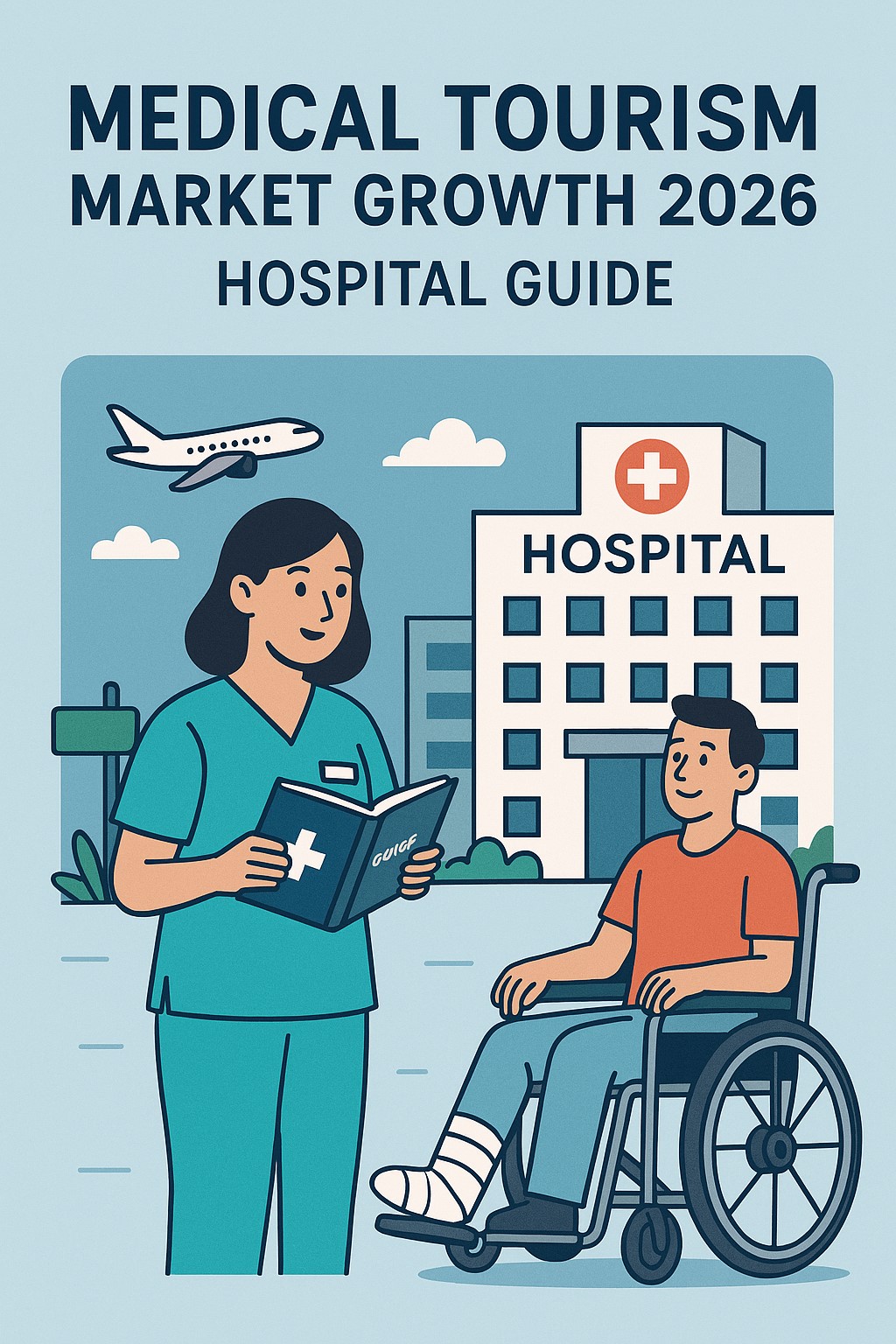
The Medical Tourism Market is Booming. Is Your Hospital Getting a Piece of the Pie? 🏥📈
Executive Summary 📋
The global healthcare landscape is shifting rapidly. Consequently, the medical tourism market is booming at an unprecedented rate. Millions of patients now travel across borders annually. They seek affordability, advanced technology, or shorter waiting times. For hospitals, this trend offers a massive opportunity for revenue growth and international prestige. However, success requires more than just clinical skill. This guide explores the essential strategies for hospitals to capture their share of this lucrative market.
Who is This For? 👥
This comprehensive guide targets two primary groups. First, it serves hospital administrators and healthcare professionals. These leaders want to understand the mechanics of the medical tourism market. Second, it provides valuable insights for individual patients. These seekers need to know how top-tier hospitals are evolving to meet international standards. Whether you run a clinic or seek treatment, this analysis is for you.
Why the Medical Tourism Market is Booming Right Now 🌍
The rise of global travel has changed healthcare forever. Since the cost of procedures in Western nations continues to climb, patients look elsewhere. Furthermore, digital transparency allows people to compare outcomes instantly. They see that quality care is available in many regions. Therefore, the medical tourism market is booming because it solves the problem of accessibility. It bridges the gap between high demand and limited local supply.
The Impact of Specialized Care
Specialization is a major driver of this growth. For instance, many patients travel specifically for cancer robotic surgery. They want the most precise technology available today. Similarly, interest in fertility treatments abroad remains high. Patients often find better legal frameworks or success rates in other countries. These specialized niches ensure that the medical tourism market is booming across various medical fields.
Technological Advancements and Trust
Trust is the currency of the healthcare industry. Today, hospitals utilize international accreditation to build that trust. When a facility demonstrates high standards, the medical tourism market is booming for them. Moreover, the adoption of AI and robotics attracts a tech-savvy demographic. They no longer fear traveling for a kidney stone surgery if the destination offers superior results.
Market Comparison: Traditional vs. International Patient Services 📊
| Feature | Local Patient Services | International Patient Services |
|---|---|---|
| Average Revenue per Patient | Standard | High (includes bundled services) |
| Marketing Reach | Domestic/Regional | Global Digital Presence |
| Support Requirements | Basic | High (Visas, Translation, Logistics) |
| Wait Times | Variable | Priority Access usually provided |
Entering the Medical Tourism Market: Pros and Cons ⚖️
Advantages for Hospitals
- Increased foreign currency revenue streams.
- Enhanced global reputation and brand authority.
- Ability to utilize excess surgical capacity.
- Incentive to upgrade to the latest medical technologies.
Challenges to Consider
- High initial investment in concierge and support staff.
- Complex legal and regulatory compliance across borders.
- Language barriers and cultural sensitivity requirements.
- Requirement for robust follow-up care systems.
The Patient Roadmap 🗺️
Understanding the patient journey is vital for any hospital. To ensure the medical tourism market is booming for your facility, you must map every step. The process begins with the initial inquiry. At this stage, patients often look for a choosing a surgeon checklist to verify credentials.
Phase 1: Research and Inquiry
Patients start by researching their specific condition. For example, someone might search for ivf success rates by age. Your hospital must provide these answers clearly. If you offer transparent data, you capture their interest early. This is the first touchpoint in the medical tourism market.
Phase 2: Consultation and Logistics
Once a patient expresses interest, logistics become the focus. Hospitals should help with the medical visa handbook requirements. This reduces the friction of travel. Furthermore, clear communication about the global medical treatment regulations builds immense confidence. This phase transitions the lead into a confirmed patient.
Phase 3: Treatment and Experience
The clinical experience must be flawless. Hospitals that excel often provide personalized care coordinators. Whether the patient undergoes cardiac surgery or a cosmetic procedure, the human touch matters. This phase determines the hospital’s reputation in the booming market.
Case Study: The Global Expansion of St. Elena Clinic 🏥🌟
St. Elena was a medium-sized facility in a developing medical hub. Initially, they served only local residents. However, they noticed that the medical tourism market is booming for specialized hair restoration. Consequently, they invested in a dedicated international wing. They hired multi-lingual staff and created detailed guides on hair transplant recovery.
Within eighteen months, their international patient volume grew by 400%. By focusing on safest destination hair transplant criteria, they won several industry awards. This case proves that any hospital can succeed if they align with market demands. They didn’t just provide surgery; they provided a complete, safe journey.
Cost Analysis Table: Investment vs. Return 💰
| Investment Area | Estimated Cost Level | Potential ROI |
|---|---|---|
| International Marketing & SEO | Moderate | Very High (Direct Leads) |
| Concierge & Patient Support | High (Staffing) | High (Patient Satisfaction) |
| Accreditation (JCI/ISO) | High | Critical (Market Entry) |
| Telemedicine Infrastructure | Low | Moderate (Pre-op/Post-op) |
Recovery & Tourism: Beyond the Hospital Walls 🌴🏨
Medical tourism is not just about the operating room. Since the medical tourism market is booming, hospitals must partner with the tourism sector. Patients often require a place to rest post-surgery. For example, someone recovering from affordable hip replacement surgery needs accessible accommodation. They might also bring family members who wish to explore the local culture.
Providing a seamless transition to medical tours in Turkey or other destinations adds value. It turns a medical procedure into a restorative experience. When hospitals offer “Recovery Packages,” they capture a larger piece of the pie. They become a destination, not just a clinical site. This holistic approach is why the medical tourism market is booming so effectively today.
Strategic Steps for Hospitals to Grow 🚀
To truly benefit because the medical tourism market is booming, hospitals must be proactive. First, identify your “Hero Procedures.” These are treatments where your success rates are world-class. For instance, if you specialize in Lu177 Theranostics, market it aggressively to international cancer networks. Focus on what makes you unique.
Second, invest in digital authority. Patients verify everything online before they fly. If your site lacks a comprehensive travel guide, they will go elsewhere. Use data from The World Health Organization to benchmark your safety protocols. High-quality content proves that you are a serious player in this expanding industry.
Frequently Asked Questions ❓
Why is the medical tourism market booming so rapidly in 2025?
The market is growing due to rising healthcare costs in developed nations and the ease of international travel. Patients now have access to global quality rankings, making cross-border care a viable and safe option.
What are the most popular procedures in this market?
Cosmetic surgery, dental work, and fertility treatments remain top choices. However, complex procedures like bone marrow transplants are seeing significant international growth.
How does a hospital obtain international accreditation?
Facilities must undergo rigorous audits by bodies like the Joint Commission International (JCI). This process evaluates patient safety, clinical standards, and administrative excellence.
Is language a major barrier for international patients?
Yes, but top hospitals solve this by employing multi-lingual patient coordinators. They ensure that communication is clear from the first email to the final discharge.
How do hospitals manage post-operative follow-up for foreign patients?
Most hospitals use telemedicine platforms. This allows surgeons to monitor recovery and answer questions once the patient returns to their home country.
What role does price transparency play?
It is a critical factor. Patients are more likely to choose a hospital that provides a clear cost vs quality comparison upfront.
Can insurance cover medical tourism?
Some international policies now include “Global Care” options. Hospitals should check for partnerships with international insurers to expand their reach.
Which countries are the current leaders in medical tourism?
Turkey, India, and Germany are prominent. For example, medical tourism in Turkey is highly regarded for aesthetic and dental work.
How does political stability affect the market?
Stability is crucial for patient safety. Patients prefer destinations with a strong legal framework and a welcoming environment for foreigners.
What is the average savings for a medical tourist?
Depending on the procedure and destination, patients can save between 30% and 80% compared to prices in the United States or the UK.
Do hospitals provide assistance with visas?
Yes, professional facilities often have a dedicated department to issue invitation letters for medical visas. This is a key service in the booming market.
How can a hospital start attracting international patients?
Start by creating an international patient portal on your website. Offer detailed information about your top treatments and provide a simple contact method for inquiries.
For more information on clinical excellence, visit the Johns Hopkins Medicine research portal.
To learn more about global healthcare standards, see the latest from Mayo Clinic.