Medical Tourism Meets Wellness: Recovery in Luxury Resorts 2026 🏥✨🧘
Executive Summary 📋
The landscape of healthcare is shifting dramatically in 2026. Medical Tourism Meets Wellness: Recovery in Luxury Resorts 2026 represents a fusion of clinical excellence and holistic healing. Patients no longer want to recover in sterile hospital rooms. Instead, they choose high-end resorts in destinations like Iran, Turkey, and India. This trend prioritizes mental well-being alongside physical healing. By combining surgery with luxury stays, patients experience lower stress levels and faster recovery times. This guide explores how luxury recovery is revolutionizing the patient journey, offering a deep dive into costs, locations, and the essential roadmap for 2026 medical travelers.
The Intersection of Healthcare and Hospitality 🏨🩺
Medical Tourism Meets Wellness: Recovery in Luxury Resorts 2026 is the latest evolution in global health. Modern patients seek more than just a successful procedure. They demand a transition period that honors their need for peace. Consequently, the industry has responded by building bridges between surgical centers and five-star resorts.
In the past, medical tourism was primarily about cost savings. However, the focus in 2026 has turned toward the “healing environment.” You can now find world-class plastic surgery followed by a week in a mountain retreat. This approach acknowledges that the mind plays a vital role in physical repair.
Furthermore, the integration of wellness into medical travel reduces the “clinical anxiety” many feel. When you are surrounded by nature and luxury service, your body remains in a parasympathetic state. This state is essential for cellular regeneration and wound healing.
Why Choose Luxury Recovery Resorts? 💎
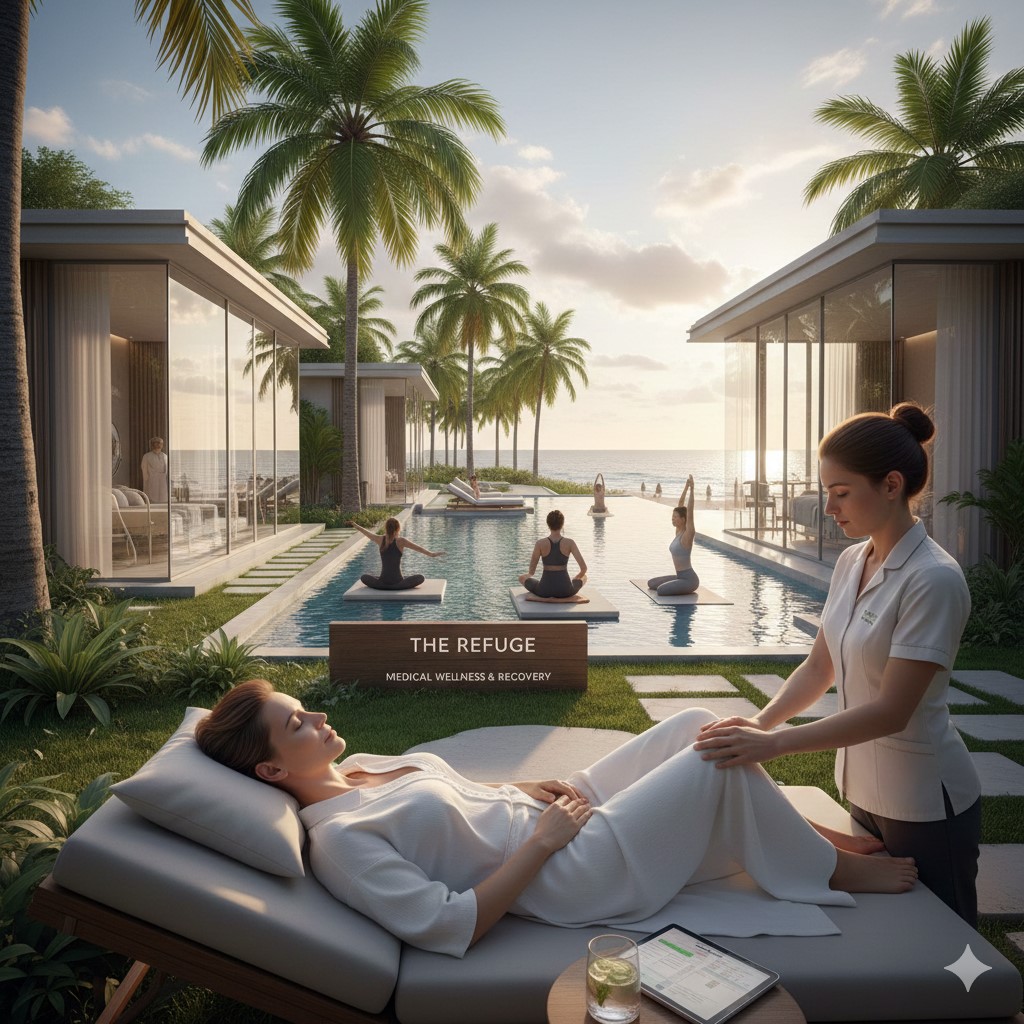
Traditional recovery often involves a lonely hotel room or an active household. In contrast, luxury recovery resorts provide a dedicated environment. These facilities are staffed with medical professionals who understand post-operative needs.
Personalized Nutritional Support
Healing requires specific nutrients. In these resorts, chefs work with nutritionists to create bespoke menus. Whether you have undergone bariatric surgery or a complex heart procedure, your diet is tailored to reduce inflammation.
Advanced Wellness Therapies
Recovery is enhanced by non-invasive wellness treatments. Many luxury spots offer PRP therapy or oxygen chambers. These treatments accelerate tissue repair and reduce bruising.
Top Destinations for Medical Wellness 2026 🌍
Several countries have taken the lead in the Medical Tourism Meets Wellness: Recovery in Luxury Resorts 2026 movement. Each offers a unique cultural and environmental healing experience.
Iran: The Hidden Gem of Wellness 🇮🇷
Iran has emerged as a premier destination for medical tourism in Iran. Beyond its famous rhinoplasty expertise, the country offers stunning natural hot springs and mountain resorts.
The city of Mashhad is particularly famous for combining high-tech hospitals with spiritual and physical tranquility. Patients often choose Iran because the cost of a luxury recovery stay is lower than a basic hotel in Europe.
Turkey: Where East Meets West 🇹🇷
Turkey remains a powerhouse. Many clinics now partner with Aegean resorts. After a hair transplant, patients can enjoy a climate that is perfect for gentle outdoor walks. The level of service in Turkey medical tourism is world-renowned.
India: The Home of Ayurveda 🇮🇳
India integrates ancient wisdom with modern medicine. If you are having orthopedic surgery, recovering in a Kerala retreat with Ayurvedic massage can be transformative. You can view various India tours that cater specifically to post-surgical wellness.
Who is This For? 👥
This hybrid model of care is not for everyone, but it is ideal for specific groups:
- International Patients: Those traveling long distances who need a safe “halfway house” before flying home.
- Privacy-Conscious Individuals: High-profile professionals who wish to recover away from the public eye.
- Patients without Local Support: Individuals who live alone and need professional care during the first critical days.
- Stress-Prone Healers: Anyone who finds traditional clinical environments intimidating or counter-productive to rest.
The Patient Roadmap: Your Healing Journey 🗺️
Successfully navigating Medical Tourism Meets Wellness: Recovery in Luxury Resorts 2026 requires a structured approach.
Phase 1: Pre-Departure Planning
Start with a telemedicine consultation. Discuss your medical history and your wellness goals. Ensure the resort is equipped to handle your specific post-op requirements.
Phase 2: The Surgical Experience
Your procedure takes place in a certified hospital. We recommend checking our list of expert doctors to find the best match. Safety remains the number one priority.
Phase 3: The Transition to Wellness
Once discharged, you are transported via air ambulance or private VIP transport to the resort. This is where the true “Medical Tourism Meets Wellness” experience begins.
Phase 4: Monitored Recovery
Spend 7 to 14 days engaging in light therapy, meditation, and healthy eating. Local nurses provide daily check-ups while you enjoy resort amenities.
Pros and Cons of Wellness-Integrated Recovery ⚖️
Pros
- Reduced Complications: Professional monitoring in a relaxed setting leads to better adherence to post-op protocols.
- Enhanced Mental Health: Luxury surroundings significantly lower the risk of post-surgical depression.
- Better Outcomes: Holistic care like lymphatic drainage or specialized diets speeds up the visible results of liposuction.
Cons
- Higher Initial Cost: The price tag for luxury resorts is higher than a standard hotel stay.
- Extended Time Away: You must be able to take at least two weeks off from work and family duties.
- Logistical Complexity: Coordinating between a hospital and a separate resort requires professional help.
Luxury Resort vs. Traditional Hospital Stay 📊
| Feature | Traditional Hospital Stay | Luxury Wellness Resort |
|---|---|---|
| Environment | Clinical / Sterile | Natural / Serene |
| Diet | Standard Hospital Grade | Gourmet / Nutritional Therapy |
| Mental Care | Minimal | Meditation / Spa / Yoga |
| Staffing | General Nurses | Wellness Coaches & Post-Op Specialists |
| Cost | Moderate | Premium |
Cost Analysis Table 2026 💰
Estimated weekly costs for recovery stays in major hubs. Prices include 24/7 nursing and wellness activities.
| Destination | Basic Hotel (Weekly) | Luxury Wellness Resort (Weekly) |
|---|---|---|
| Iran | $400 – $700 | $1,500 – $2,500 |
| Turkey | $600 – $1,000 | $2,200 – $4,000 |
| Dubai | $1,200 – $2,500 | $5,000 – $9,000 |
| India | $350 – $650 | $1,200 – $3,000 |
Case Study: Healing in the Persian Highlands 🏔️
Meet Julian, a 45-year-old from Germany who required cardiac surgery. Instead of staying in a noisy European city, he chose cardiac surgery in Tehran.
Following a successful procedure, Julian moved to a wellness resort in the Alborz mountains. For ten days, he breathed mountain air and ate antioxidant-rich Persian cuisine. He participated in guided breathing exercises designed to help his lungs recover.
Julian reported that his recovery felt like a vacation. By the time he returned to Germany, he was physically strong and mentally refreshed. He saved over 50% on total costs, even with the luxury stay included. According to research from Harvard Health, a calm environment can significantly reduce post-operative pain.
Recovery & Medical Tourism 🧘🌊
The synergy of recovery and tourism is delicate. In 2026, the goal is “Passive Tourism.” You aren’t sightseeing; you are absorbing the culture through your surroundings. Whether it is the scent of jasmine in an Oman wellness tour or the sound of waves in Antalya, the location matters.
We advise patients to select a destination that matches their personality. If you love history, Istanbul’s luxury hospitals are perfect. If you seek absolute seclusion, the deserts of Oman or the forests of northern Iran offer unparalleled peace.
Medical Disclaimer ⚠️
The content provided on this page is for informational purposes only. It is not intended to be a substitute for professional medical advice, diagnosis, or treatment. Always seek the advice of your physician or other qualified health provider with any questions you may have regarding a medical condition. Never disregard professional medical advice or delay in seeking it because of something you have read on the WMedTour website.
Frequently Asked Questions (FAQ) ❓
1. Is Medical Tourism Meets Wellness: Recovery in Luxury Resorts 2026 safer than home recovery?
Yes, for many patients, it is significantly safer than recovering alone at home. These resorts are designed with “Medical Tourism Meets Wellness” in mind, meaning they have on-site medical staff. At home, you might miss early signs of infection or complications. In a luxury resort, a nurse checks your vitals daily. They ensure you are taking your medications correctly and that your wounds are healing as expected. Furthermore, the environment is controlled to prevent slips, falls, or physical strain that could compromise your surgery. This level of professional oversight provides a safety net that most home environments simply cannot match.
2. Can I bring a family member to the wellness resort?
Absolutely, most luxury recovery resorts encourage bringing a companion. Healing is often faster when you have emotional support from a loved one. These facilities offer spacious suites designed for two people. While you focus on your “Medical Tourism Meets Wellness” recovery plan, your companion can enjoy the resort’s amenities. Many packages include meals and activities for the companion as well. Having someone with you also helps during the travel phases, such as moving between the hospital and the resort. It is a great way to turn a medical necessity into a shared bonding experience.
3. How do I choose between Iran and Turkey for luxury recovery?
Choosing between Iran and Turkey depends on your budget and medical needs. Iran offers the highest “value for money” for “Medical Tourism Meets Wellness” in 2026. Iranian resorts in the mountains or near the Caspian Sea provide incredible peace and professional care at a fraction of Western costs. Turkey, on the other hand, has more established Western-style luxury brands and easier flight access from Europe. If you are looking for specialized rhinoplasty recovery, Iran is the global leader. If you are focused on hair transplant wellness, Turkey has more specialized seaside resorts for that purpose. Both offer world-class medical standards.
4. What wellness activities are safe after surgery?
After surgery, wellness activities can be very helpful for recovery, but they must be chosen carefully and timed appropriately. Safety depends on the type of surgery, your overall health, and your surgeon’s instructions. Below are generally safe, widely recommended wellness activities, organized by recovery phase.
🟢 Early Recovery (Days 1–14)
Focus: healing, circulation, pain control
✅ Safe Activities
- Deep breathing exercises
Improves lung function and reduces risk of pneumonia. - Gentle walking (short, frequent walks)
Helps prevent blood clots and improves circulation. - Light stretching (only if approved)
Avoid the surgical area. - Guided relaxation or meditation
Reduces stress, anxiety, and pain perception. - Good sleep hygiene
Essential for tissue repair and immune support.
🚫 Avoid
- Strenuous exercise
- Lifting, twisting, or bending
- Hot baths, saunas, steam rooms
- Massage near the surgical site
🟡 Mid Recovery (Weeks 2–6)
Focus: mobility, strength, mental well-being
✅ Safe Activities
- Longer walks or treadmill walking
- Gentle yoga or chair yoga (no core strain or inversion)
- Pelvic floor exercises (especially after abdominal, pelvic, or gynecologic surgery — only with medical approval)
- Breathing-based mindfulness practices
- Physical therapy–guided exercises
🚫 Avoid
- High-impact workouts
- Swimming until incisions are fully healed
- Intense core workouts
🔵 Late Recovery (6+ Weeks, With Clearance)
Focus: rebuilding strength and endurance
✅ Safe Activities
- Low-impact cardio (cycling, elliptical)
- Swimming (once wounds are fully healed)
- Pilates or advanced yoga (modified)
- Massage therapy (not directly over scars initially)
- Light strength training
🌿 Complementary Wellness Practices (Often Safe)
These can support recovery when approved by your doctor:
- Aromatherapy (for relaxation)
- Music therapy
- Acupuncture (after incisions heal)
- Nutrition counseling (protein, hydration, micronutrients)
⚠️ Important Safety Tips
- Always follow your surgeon’s specific instructions
- Stop any activity that causes:
- Sharp pain
- Bleeding
- Swelling
- Dizziness
- Avoid “pushing through pain”
- Healing is not linear—rest days matter
🌍 For Medical Tourists & International Patients
If you had surgery abroad, make sure:
- You have clear written aftercare instructions
- You know when it’s safe to fly
- You arrange remote follow-up or local care
5. Does WMedTour help with the logistics of resort booking?
Yes, WMedTour specializes in creating seamless “Medical Tourism Meets Wellness” journeys. We don’t just book your surgery; we manage the entire ecosystem of your trip. This includes selecting the right doctors, arranging hospital admission, and securing your luxury resort stay. We also handle VIP transportation between locations to ensure you never have to worry about travel stress. Our team acts as your local advocate, ensuring the resort staff is fully briefed on your medical requirements. We aim to make the process as easy as booking a standard holiday. Our goal is your complete peace of mind.
6. Is the food at these resorts medically supervised?
Yes, nutrition is a cornerstone of the “Medical Tourism Meets Wellness” philosophy. Most luxury resorts have dedicated dietitians who consult with your surgical team. If you’ve had bariatric surgery, your menu will be strictly liquid or pureed as per the phase of recovery. For others, the focus is on high-protein, low-sodium meals to reduce swelling and promote tissue growth. They use fresh, organic, local ingredients to ensure the highest nutrient density. You won’t find the typical “hospital food” here; instead, you’ll enjoy gourmet meals that are as healthy as they are delicious. Proper nutrition can significantly shorten your overall recovery time.
7. What happens if I have a medical emergency at the resort?
Safety is the highest priority in the “Medical Tourism Meets Wellness” model. All partner resorts are located within a short distance of major medical centers. They have 24-hour on-call medical staff and emergency protocols in place. Most rooms are equipped with emergency call buttons. In the rare event of a complication, we can arrange for immediate transfer back to the hospital via a specialized ambulance. WMedTour also provides a 24/7 helpline so you can reach our coordinators at any moment. You are never truly “alone” in your recovery, even while in a luxury setting.
8. How much extra does a luxury wellness recovery cost?
The “Medical Tourism Meets Wellness” premium varies by destination. Generally, you should expect to add $1,500 to $5,000 to your total budget for a one-week stay. While this seems like a significant addition, remember that it replaces the cost of a hotel and separate nursing care. In countries like India or Iran, these luxury stays are surprisingly affordable compared to Western prices. Many patients find that the cost of surgery plus a luxury recovery abroad is still 50% cheaper than the surgery alone in the UK or USA. It is an investment in your comfort and long-term surgical success.
9. Is this model available for orthopedic surgery recovery?
Yes, it is highly recommended for orthopedic patients. After a total knee replacement, movement is critical but must be controlled. Luxury resorts in this “Medical Tourism Meets Wellness” program often have private hydrotherapy pools. These allow you to perform exercises in a weightless environment, reducing pain while increasing mobility. On-site physical therapists can work with you daily in a beautiful, non-clinical setting. This intensive focus on rehabilitation in a stress-free environment often leads to much faster returns to normal walking and activity. India is a particularly strong destination for this specific type of orthopedic wellness.
10. Will I have access to high-speed internet for work?
Yes, we understand that many professionals choose “Medical Tourism Meets Wellness” because they need to stay connected. All luxury resorts provide high-speed, secure Wi-Fi. Many have business centers or quiet library areas if you need to take a quick video call. However, we strongly advise limiting work during the first few days of recovery. Stress can interfere with the healing process. The beauty of these resorts is that they offer a quiet, professional environment where you can work in comfort if necessary, but the primary focus should always be on your physical and mental rest.
11. How do I manage my medications while at the resort?
Medication management is handled by the resort’s nursing staff in the “Medical Tourism Meets Wellness” program. Upon arrival, your nurse will review all prescriptions provided by the hospital. They will create a schedule and can even administer injections or change dressings. This removes the stress of remembering pill timings or struggling with bandages by yourself. They also monitor for any side effects from pain medication or antibiotics. This professional oversight ensures that your medication protocol is followed perfectly, which is essential for preventing infection and managing pain effectively during the early days.
12. Can I choose a resort based on a specific wellness theme?
Yes, the “Medical Tourism Meets Wellness” market in 2026 is very diverse. You can choose resorts that focus on specific themes. For example, some resorts focus on “Detox and Cleansing,” which is great after general anesthesia. Others focus on “Spiritual Healing” or “Traditional Chinese Medicine.” If you prefer a “Coastal Recovery,” we have many options in Turkey and Oman. If you prefer “Forest Bathing,” we can find retreats in India or Iran. We work with you to match the environment to your personal preferences. This ensures that your recovery environment is not just functional, but also deeply enjoyable.