❤️🩹 Mental Health & Peer Support: Preparing for Intersex Surgery and Recovery (Supports Outcomes and Shows Holistic Care) 🌟
A Comprehensive Guide to Ensuring Emotional Well-being Through the Surgical Journey.
✅ Executive Summary
Mental Health & Peer Support: Preparing for Intersex Surgery and Recovery is an indispensable component of successful treatment, promoting optimal patient outcomes and reflecting a truly holistic standard of care. This comprehensive guide details why psychological readiness and community connection are just as vital as the surgical procedure itself, covering pre-operative counseling, identifying reliable peer networks, and navigating post-operative emotional landscapes. Ultimately, integrating robust support systems helps intersex individuals and their families navigate the complex physical and emotional terrain of surgery, transforming a medical process into a journey of self-affirmation and well-being. Furthermore, a strong mental foundation aids in recovery.
✨ Understanding Intersex Surgery in a Holistic Context
Intersex variations, often termed Differences of Sex Development (DSD), involve congenital conditions where the reproductive or sexual anatomy does not fit typical definitions of female or male. Surgery in this context, which can include genitoplasty or gonadectomy, is a deeply personal and potentially life-altering decision. Historically, surgeries were often performed in infancy or childhood, frequently without the informed consent of the individual, which unfortunately led to significant psychological distress and regret. Today, the modern, ethical standard emphasizes deferring non-urgent surgery until the individual is old enough to participate meaningfully in the decision-making process. Consequently, adult-age surgery demands thorough psychological preparation and support.
🩺 Shifting the Focus to Autonomy
The shift toward patient autonomy means that discussions around intersex surgery now appropriately include comprehensive mental health assessments. This is not simply a formality; truly, it is an essential step ensuring the surgery aligns with the individual’s identity and life goals. Moreover, the surgical process affects more than just the physical body; indeed, it impacts one’s identity, relationships, and long-term quality of life. Therefore, holistic care, which effectively integrates medical, psychological, and social support, becomes paramount.
Furthermore, individuals considering gender-affirming or intersex-related surgeries often navigate complex feelings. They may experience feelings of anxiety, identity distress, or even internalized stigma. Providing them with specialized support early on can mitigate these risks and dramatically improve post-operative adjustment. For example, considering options like fertility preservation also requires emotional preparation.
🧠 The Crucial Role of Mental Health Preparation
Thorough mental health preparation is a non-negotiable step for anyone considering intersex-related surgery. This preparatory phase involves more than a simple psychiatric evaluation; instead, it is an ongoing process of counseling and self-exploration. By focusing on emotional well-being, patients achieve a greater sense of preparedness.
📝 Pre-Operative Psychological Evaluation and Counseling
A qualified mental health professional, ideally one specializing in gender and sexuality issues, will conduct the evaluation. Crucially, they assess the individual’s understanding of the procedure, their expectations, and their support system. This is where informed consent is truly solidified. Furthermore, counseling helps manage realistic expectations regarding surgical outcomes, potential complications, and the recovery timeline. It is vital to discuss long-term implications, including potential sexual function changes or the need for follow-up procedures. Moreover, the counselor aids in developing coping strategies for stress and anxiety associated with the upcoming surgery.
“Psychological readiness isn’t about being perfectly calm; it’s about possessing the emotional tools to navigate the expected and unexpected challenges of surgery and recovery.”
🛠️ Developing Robust Coping Mechanisms
Recovery from intersex surgery can be extensive and emotionally draining. Therefore, it is essential to establish strong coping mechanisms beforehand. This may involve learning mindfulness techniques, improving communication skills with partners and family, or setting up a structured post-operative daily routine. Individuals benefit significantly from having a ‘mental health first-aid kit’ of resources and practices they can access during moments of post-operative distress. For example, knowing how to manage pain-related anxiety is an invaluable skill. Additionally, this is also a great time to ensure all travel and logistical preparations are finalized, which reduces stress; for example, reviewing the medical visa process.
Moreover, the need for specialized care often leads individuals to pursue medical tourism. When planning an operation abroad, understanding how to vet a surgeon and clinic, as well as reviewing pre-travel checklists, contributes significantly to mental peace.
The ultimate goal of this mental health focus is to ensure the individual’s mental and emotional state supports the physical recovery, making the overall experience more positive and affirming. Mental Health & Peer Support: Preparing for Intersex Surgery and Recovery truly helps lay a solid foundation.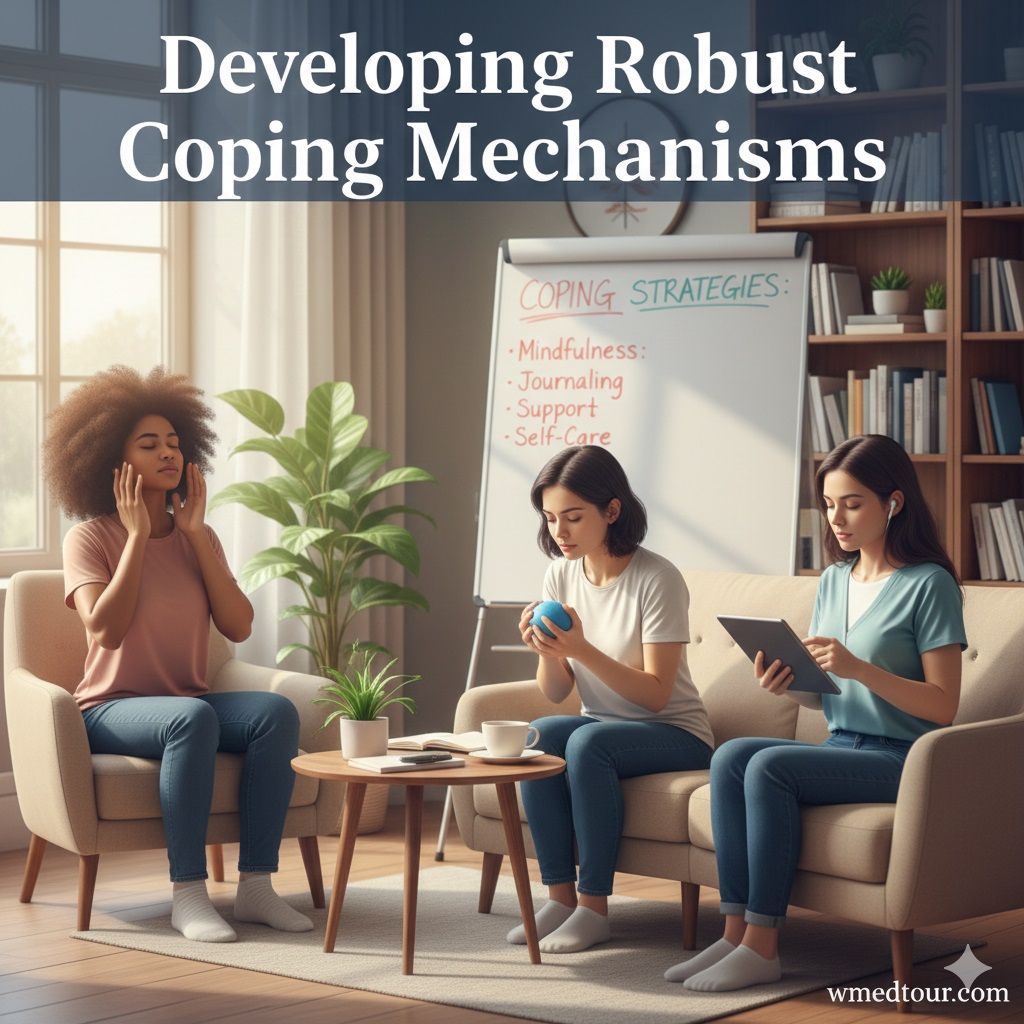
🤝 Leveraging Peer Support: A Lifeline Before and After
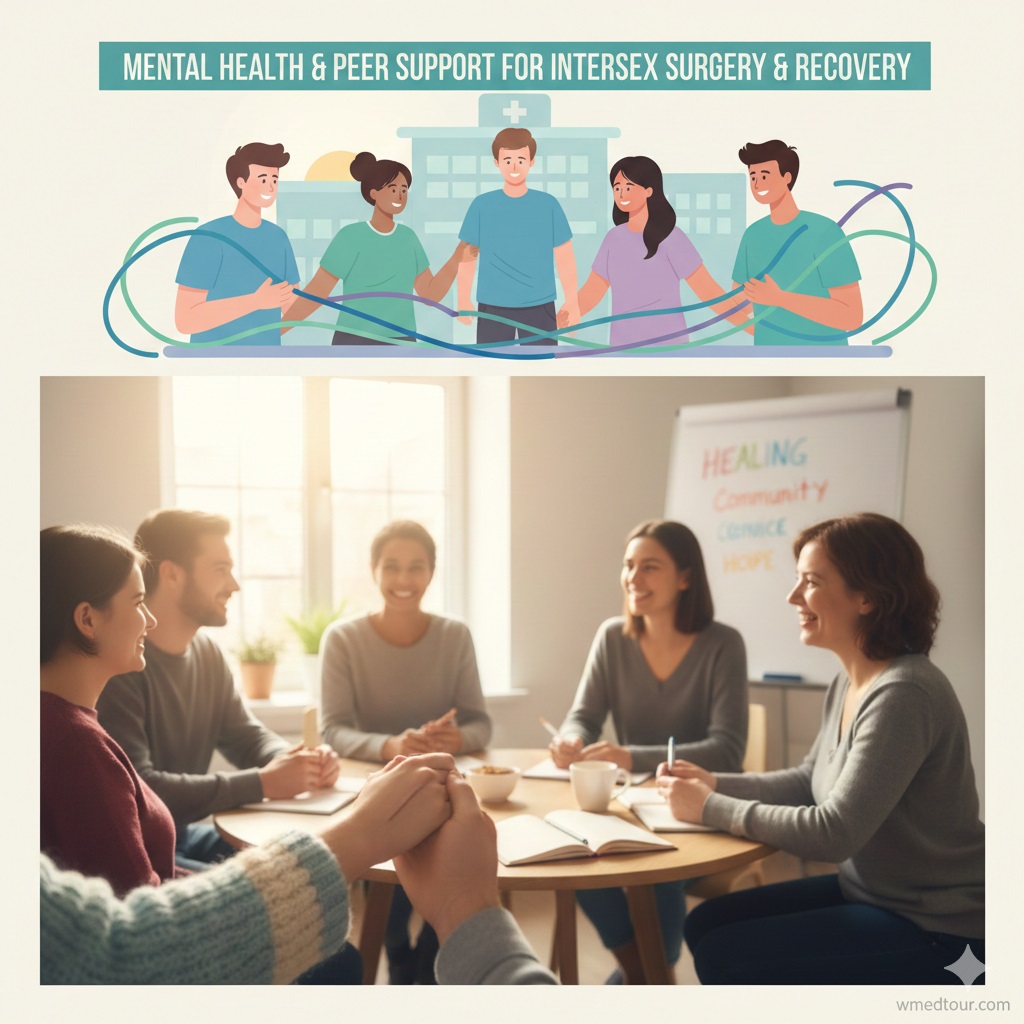
Peer support offers a unique and irreplaceable form of care that complements professional psychological services. Connecting with others who have undergone similar experiences provides a sense of validation, belonging, and shared understanding that professional counseling cannot fully replicate. Peer support truly humanizes the medical process.
🌐 Finding and Engaging with Peer Networks
Peer support comes in various forms, including:
- • Online Communities: These platforms offer accessible, 24/7 support and are excellent for asking practical questions.
- • Local Support Groups: In-person meetings provide deeper connection and a local network of support.
- • Mentorship Programs: Matching with a mentor who is further along in their post-operative journey offers invaluable, personalized advice and hope for the future.
Individuals must, therefore, seek out groups explicitly focused on intersex issues, not just general LGBTQ+ or transgender support, although those may also be beneficial.
🗣️ The Practical and Emotional Benefits of Shared Experience
Peer support groups offer an environment for discussing practical concerns that professionals might overlook. This includes tips for managing post-operative pain, advice on dilation or scar care, and navigating disclosure to partners or friends. Emotionally, peer networks combat isolation, reduce feelings of ‘otherness,’ and provide living proof that a positive outcome is achievable. Indeed, this powerful connection is integral to the effectiveness of **Mental Health & Peer Support: Preparing for Intersex Surgery and Recovery**.
When seeking peer networks, however, it is prudent to exercise caution regarding privacy and to verify the credibility of the information shared. Always cross-reference medical advice from peers with your surgical team or counselor. Additionally, if considering surgery abroad, connecting with others who have done the same can provide specific insights into navigating international medical regulations.
⚖️ Pros and Cons of Integrated Peer and Mental Health Support
Integrating both professional mental health services and peer support creates a powerful safety net. Here is a clear breakdown of the advantages and potential drawbacks of this holistic approach to Mental Health & Peer Support: Preparing for Intersex Surgery and Recovery.
| Pros of Integrated Support | Cons/Challenges of Integrated Support |
|---|---|
| Comprehensive Care: Addresses both clinical psychiatric needs (therapy, diagnosis) and social/experiential needs (community, practical advice). | Information Overload: Juggling advice from professionals and peers can sometimes lead to confusion or conflicting information. |
| Reduced Isolation: Directly combats feelings of loneliness and ‘otherness’ by connecting individuals with a shared experience. | Boundary Issues in Peer Groups: Peer groups may lack professional boundaries, leading to potential emotional burnout or exposure to distressing stories. |
| Enhanced Practical Readiness: Peers offer invaluable real-world tips for surgery prep, hospital stays, and daily recovery routines (e.g., managing post-operative care, like after implant removal). | Accessibility Challenges: Finding professionals specializing in intersex health or local, active peer support groups can be difficult, particularly in rural areas. |
| Improved Adherence and Outcomes: Support, both peer and professional, has been shown to improve patient motivation, adherence to recovery protocols, and ultimately, satisfaction with surgical results. | Conflicting Philosophies: Some peer groups may promote viewpoints (e.g., on surgical timing, specific procedures) that contradict best-practice clinical recommendations. |
📝 Case Study: Elena’s Journey to Holistic Recovery
Elena, a 35-year-old intersex woman (diagnosed with CAIS, Complete Androgen Insensitivity Syndrome), decided to undergo a gonadectomy and subsequent feminizing surgery. Although she was mentally prepared for the physical changes, she underestimated the emotional impact of the recovery period.
➡️ Pre-Surgery Phase
Before her surgery, Elena engaged in six months of counseling with a therapist specializing in DSD. This helped her articulate her identity goals and manage her anxiety about the long recovery. She also joined an online intersex peer support forum. The therapist helped her develop practical coping strategies, while the peer group offered realistic expectations for post-op discomfort and mobility limitations. This dual approach ensured both her psychological and practical readiness.
🏥 The Recovery Period
Two weeks post-surgery, Elena experienced a significant emotional low, a common occurrence often linked to pain, immobility, and the psychological weight of the procedure. She found herself struggling with feelings of guilt and regret, despite having wanted the surgery for years. Importantly, she reached out to her peer support group first. A peer mentor, who had experienced the same ‘post-op blues,’ immediately validated her feelings and shared specific techniques for managing low mood during the most difficult part of recovery.
Simultaneously, her therapist provided clinical support, helping her reframe her temporary distress as a normal part of the healing process. This combination—empathetic understanding from a peer and professional, clinical reassurance—prevented her low mood from escalating into a crisis. The continuous support was a key factor in her smooth physical healing and overall high satisfaction with the outcome. This case clearly demonstrates the power of **Mental Health & Peer Support: Preparing for Intersex Surgery and Recovery**.
👤 Who is This For?
This comprehensive guide on Mental Health & Peer Support: Preparing for Intersex Surgery and Recovery is specifically intended for several key groups:
- Intersex Adults: Individuals considering or planning intersex-related surgeries (e.g., genitoplasty, gonadectomy, or other procedures) who need to proactively manage their emotional well-being before and after the procedure.
- Family Members and Partners: Loved ones seeking to understand and provide the best emotional support for an intersex individual undergoing surgery.
- Healthcare Professionals: Surgeons, nurses, and primary care providers who want to adopt a truly holistic care model that integrates mandated mental health and social support services. Furthermore, this includes learning best practices for discussing ethical guidelines for intersex variations and surgery.
- Mental Health Specialists: Therapists and counselors aiming to deepen their knowledge of the unique psychological needs of intersex patients navigating surgical decisions and recovery.
- Patient Advocates and Medical Tourists: Individuals planning international medical procedures who require an understanding of how to find and leverage support networks while traveling, which is often crucial when considering specialized treatments or complex surgeries abroad.
📊 Comparison of Support Structures
This table compares the distinct but complementary roles of Professional Counseling and Peer Support in providing Mental Health & Peer Support: Preparing for Intersex Surgery and Recovery.
| Feature | Professional Counseling (Therapist/Psychologist) | Peer Support (Mentor/Group) |
|---|---|---|
| Primary Focus | Clinical mental health assessment, diagnosis, coping strategy development, and long-term psychological stability. | Experiential sharing, emotional validation, practical day-to-day tips, and reducing isolation. |
| Nature of Advice | Evidence-based, clinically-informed, and highly personalized. | Anecdotal, empathetic, and based on real-world patient experience. |
| Credentialing | Required state/national licensing and specialized training. | Personal lived experience and, sometimes, brief organizational training. |
| Best Used For | Pre-surgical clearance, managing major anxiety/depression, resolving identity conflicts, and deep trauma work. | Sharing fears, seeking advice on post-op physical care, finding community, and normalizing the surgical journey. |
❓ FAQ: Mental Health & Peer Support for Intersex Surgery
These frequently asked questions address key concerns regarding Mental Health & Peer Support: Preparing for Intersex Surgery and Recovery.
How long should pre-surgical mental health counseling last?
The duration varies by individual; typically, it involves a minimum of two to six sessions over several months. This timeframe ensures the individual has thoroughly processed their decision and prepared coping mechanisms. However, some professionals recommend longer periods, especially when complex trauma or pre-existing conditions exist.
Is a formal mental health assessment required for all intersex surgeries?
For surgeries with a significant impact on reproductive or sexual function, a formal psychological evaluation is highly recommended. Often, ethical medical guidelines and surgical teams, especially those performing gender-affirming or intersex-related procedures, require this assessment to ensure informed consent and psychological readiness.
Can my family participate in my counseling sessions?
Yes, many therapists encourage family or partner sessions. Including loved ones helps them understand your experience, manages their anxieties, and teaches them how to provide effective support during your recovery. This is a critical element of holistic care.
What if I experience regret after the surgery?
Post-surgical distress or regret is a rare but real possibility. Having an established connection with a mental health professional allows you to address these feelings immediately. They can help distinguish between temporary ‘post-op blues’ and lasting regret and guide you toward appropriate therapeutic or medical follow-up.
How do I find a peer support group that is safe and responsible?
Look for groups affiliated with well-known intersex advocacy organizations or university medical centers. Check if the group has clear rules on privacy, respectful communication, and a policy against giving definitive medical advice. Similarly, use caution with unmoderated social media groups.
What should I look for in a mental health professional?
Seek a licensed professional with explicit experience in DSD/intersex care or gender identity. They should use affirming language, demonstrate respect for your autonomy, and adhere to current ethical guidelines for intersex medical intervention.
Is it common to feel depressed or anxious during the recovery period?
Yes, it is very common. The combination of physical pain, restricted mobility, hormonal changes, and the psychological weight of the experience can trigger sadness and anxiety. Having a solid plan from your **Mental Health & Peer Support: Preparing for Intersex Surgery and Recovery** strategy is essential for managing this.
Does peer support replace professional therapy?
No, peer support is complementary. It provides empathy and shared experience but cannot offer the clinical assessment, diagnosis, or evidence-based therapeutic interventions that a licensed mental health professional provides. Both services offer distinct value.
How can I prepare my children (if applicable) for my surgery and recovery?
Provide age-appropriate information that focuses on your well-being and recovery. Reassure them of your continued love and involvement. Also, prepare them for any temporary changes in your appearance or activity level after the operation.
What is a ‘holistic care’ approach in this context?
Holistic care views the patient as a whole person. Therefore, it treats the physical condition alongside the psychological, social, and spiritual well-being. It involves a multidisciplinary team approach, fully integrating surgeons, endocrinologists, therapists, and social workers.
If I am a medical tourist, how do I access support abroad?
You can use online peer support groups, which are globally accessible. For professional help, arrange for tele-counseling with your home-based therapist, or ask your medical tourism facilitator (like WMedTour) to connect you with an English-speaking local therapist experienced in this area. This is a critical step in your medical travel plan.
How do I maintain my mental health months after recovery is complete?
Continue to prioritize self-care and your support networks. Furthermore, maintaining a healthy lifestyle, pursuing hobbies, and keeping open communication with loved ones are crucial. Finally, schedule periodic check-ins with your mental health provider to ensure long-term stability.