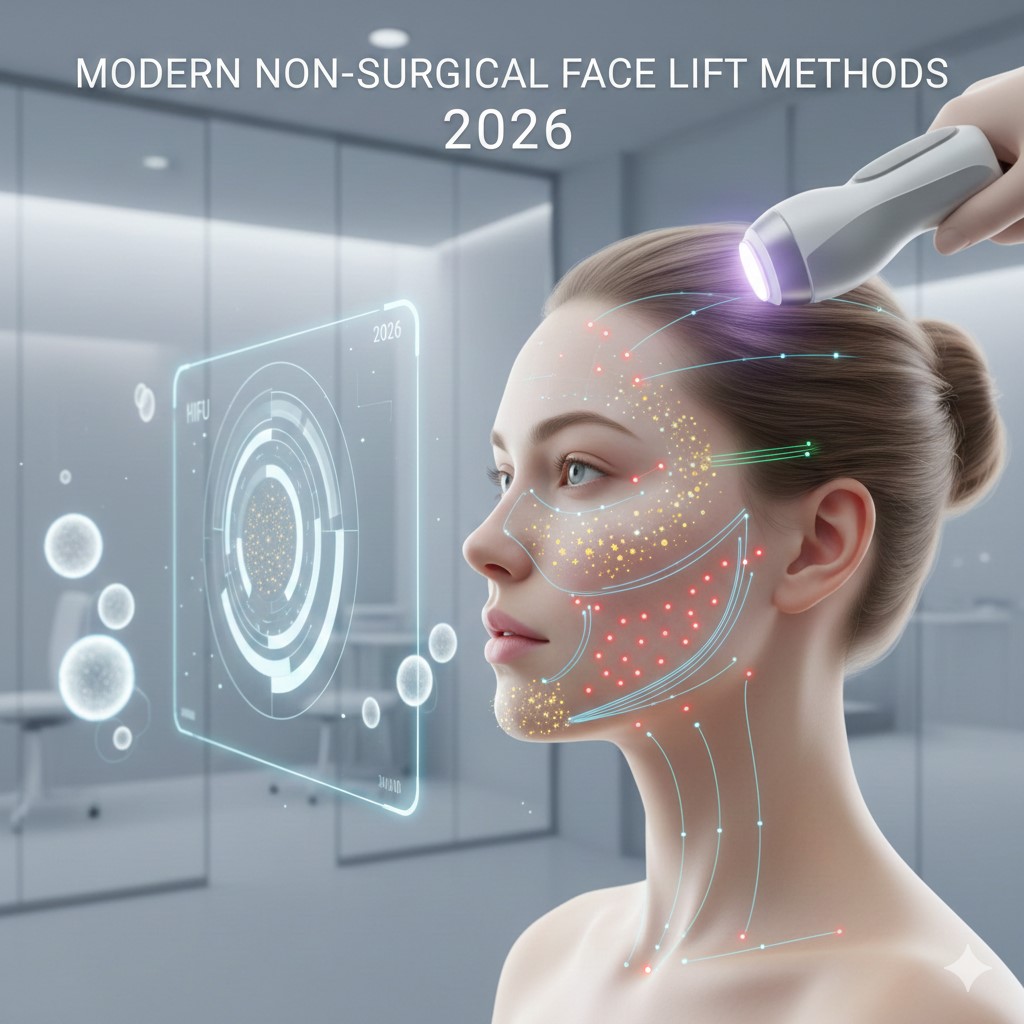
✨ New Non-Surgical Facelift Methods 2026: The Ultimate Guide to Modern Rejuvenation
Executive Summary: The Future of Lifting
The aesthetic landscape has dramatically shifted, making invasive surgery an option rather than a necessity for many. This comprehensive guide reveals the most impactful New non-surgical facelift methods 2026, highlighting innovations that deliver superior, long-lasting results with minimal downtime. Specifically, we explore the evolution of 5D High-Intensity Focused Ultrasound (HIFU), the precision of next-generation Fractional Radiofrequency (RF) Microneedling devices, and the emergence of advanced biostimulatory polydioxanone (PDO) threads. These technologies, often used in combination, target deep tissue layers to stimulate massive collagen and elastin production. Consequently, patients achieve true lifting and tightening without incisions. Understanding these developments is crucial for anyone considering facial rejuvenation, whether you are an individual seeking treatment or a professional looking to navigate global medical trends.
Introduction: The Dawn of Incision-Free Aesthetics
The quest for a youthful, revitalized appearance is timeless. Nevertheless, the methods we use to achieve it are constantly advancing. Previously, lifting was synonymous with scalpels and extended recovery periods. Plastic surgery procedures remain effective, but patient demand for non-invasive options has driven incredible innovation. Accordingly, the New non-surgical facelift methods 2026 represent a paradigm shift. They utilize energy, injectable materials, and thread mechanics to create foundational support deep within the skin. This approach not only tightens the surface but also rebuilds the structural integrity of the face, fundamentally reversing the signs of aging. We will delve into these cutting-edge techniques, explaining how they work and what makes them superior to previous generations.
The Evolution of Facial Rejuvenation
Aging is complex, involving bone resorption, fat pad displacement, and collagen degradation. Therefore, a successful lift must address all layers of tissue. The treatments discussed here are groundbreaking because they specifically target the Superficial Musculoaponeurotic System (SMAS) layer, the same layer surgeons tighten in a traditional facelift. Simultaneously, they promote neocollagenesis in the dermis. This dual-layer approach ensures that lifting results are both visible externally and structurally sound internally. Subsequently, the results feel and look more natural than older, purely superficial treatments.
Pillar 1: Advanced Energy-Based Systems ⚡
Energy-based devices form the cornerstone of modern non-surgical lifting. Their primary function involves delivering controlled thermal energy deep into the skin’s structure, causing immediate contraction and, more importantly, long-term collagen production. Consequently, they offer the most profound tightening effects available without surgery.
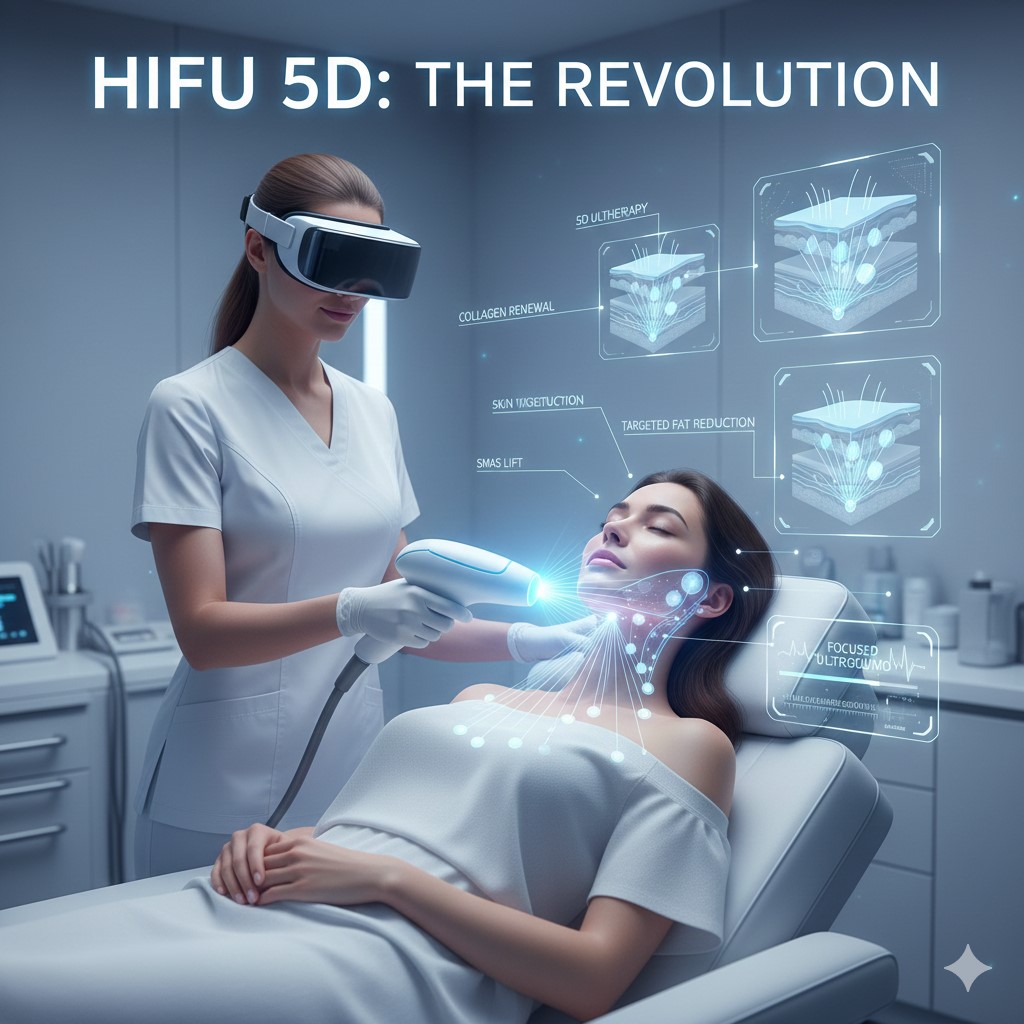
High-Intensity Focused Ultrasound (HIFU) – The 5D Revolution 🎯
HIFU has been a staple non-surgical lifting technique for over a decade. However, the New non-surgical facelift methods 2026 feature 5D HIFU technology, representing a significant leap forward. This new generation provides multi-dimensional targeting. Instead of delivering energy along a single line, 5D technology creates volumetric thermal coagulation points across multiple depths (1.5mm, 3.0mm, and 4.5mm) in a single pass. This dramatically reduces treatment time and, furthermore, increases patient comfort while ensuring comprehensive lifting across the dermis and SMAS layer.
Mechanism of Action: Pinpoint Precision
5D HIFU works by heating small, precise points in the tissue to temperatures above $60^{\circ}C$. This heat causes the immediate denaturation and contraction of collagen fibers in the SMAS, resulting in an initial “mini-lift.” Furthermore, this targeted thermal injury triggers the body’s natural wound-healing response, initiating the long-term production of fresh, robust collagen. This process is called neocollagenesis and is responsible for the peak lifting effect seen three to six months post-procedure. Because the ultrasound energy bypasses the skin’s surface, there is no downtime.
Pros and Cons of 5D HIFU
Pros:
- ✅ Single Session Required: Many patients achieve significant results with just one treatment.
- ✅ Deepest Penetration: Reaches the critical SMAS layer (4.5mm), mimicking a surgical lift effect.
- ✅ Zero Downtime: Patients can return to normal activities immediately.
- ✅ Long-Lasting: Results can endure for 12 to 18 months or even longer with good maintenance.
Cons:
- ❌ Pain Factor: The procedure can be uncomfortable, often requiring topical anesthesia or mild oral pain relievers.
- ❌ Gradual Results: The final, most impressive lift is not visible for several months.
- ❌ Not for Severe Laxity: Cannot replace the dramatic results of a full surgical facelift in cases of extreme skin laxity.
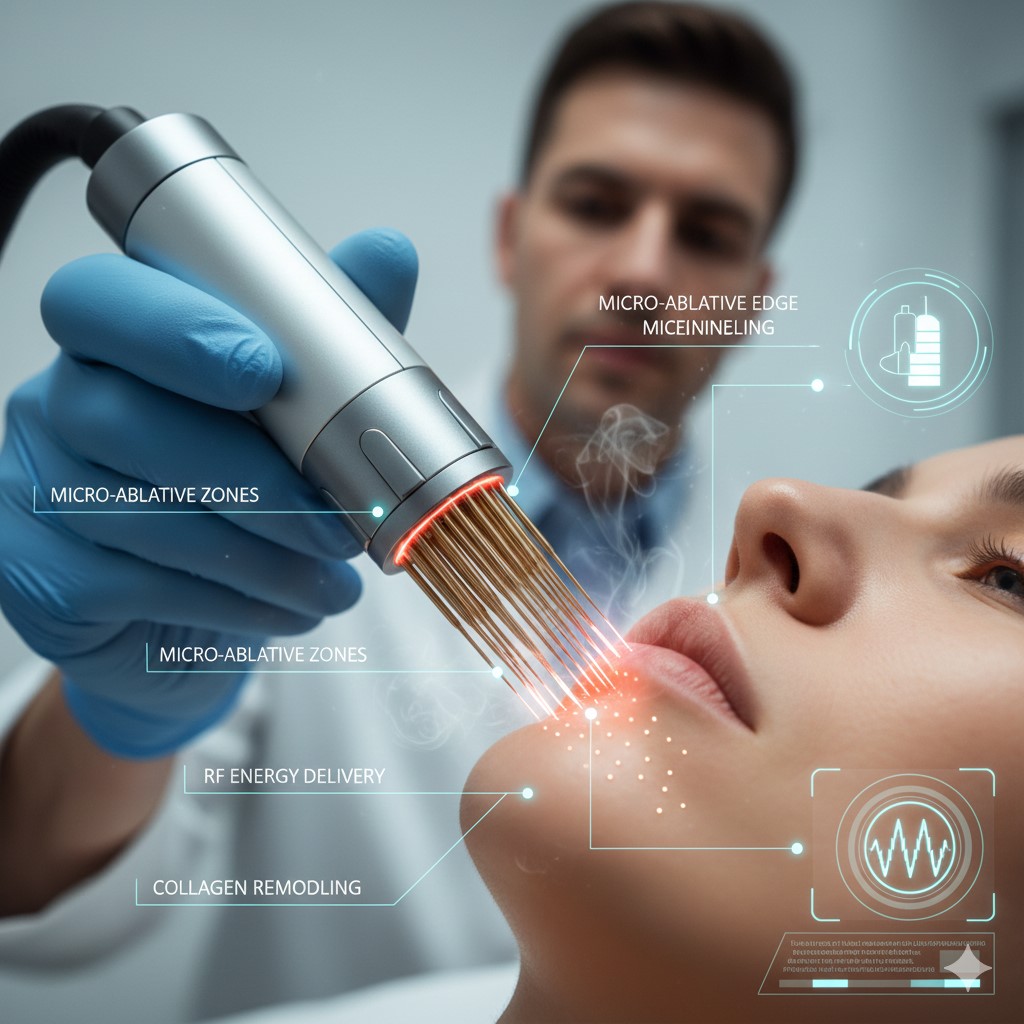
Fractional Radiofrequency (RF) Microneedling: The Micro-Ablative Edge ⚡
The marriage of microneedling and radiofrequency energy has become central to the New non-surgical facelift methods 2026. This combination therapy capitalizes on two proven mechanisms simultaneously. The needles create micro-channels, initiating a natural healing cascade. Concurrently, the RF energy is delivered directly into the deeper dermis via the needle tips. Modern devices, sometimes referred to as advanced RF delivery systems, now use insulated needles. This crucial insulation protects the epidermis (the skin’s surface) from excessive heat, ensuring a safer treatment profile for various skin tones, especially minimizing the risk of post-inflammatory hyperpigmentation.
The Dual-Action Advantage
RF Microneedling offers unparalleled control over depth and energy delivery. Consequently, practitioners can precisely target specific skin concerns. For instance, shallow passes can tighten pores and improve texture, while deeper passes can tighten the jawline and neck tissue, offering a comprehensive rejuvenation. Furthermore, the RF energy causes bulk heating of the tissue, leading to fibrosis (tightening) and robust collagen remodeling over the subsequent weeks. This procedure is also highly effective for treating wrinkles and acne scars. While CO2 lasers remain an option, RF microneedling provides a gentler, more predictable alternative for skin resurfacing and tightening.
Pros and Cons of RF Microneedling
Pros:
- ✅ Versatility: Addresses laxity, texture, scarring, and pore size in one session.
- ✅ High Safety Profile: Insulated needles minimize epidermal damage, making it suitable for a wider range of skin types.
- ✅ Enhanced Product Absorption: The micro-channels created allow for superior penetration of topical serums (e.g., PRP).
- ✅ Noticeable Immediate Effect: Patients often see an immediate “plumping” effect due to the micro-injury and heat.
Cons:
- ❌ Requires Multiple Sessions: Typically, three to four sessions are needed for optimal lifting results.
- ❌ Mild Downtime: Patients may experience 24 to 48 hours of redness and mild swelling.
- ❌ Operator Dependency: Results are highly dependent on the skill and precision of the administering technician or physician.
Pillar 2: Biostimulatory and Injectable Innovations 💉
While energy devices focus on heat-induced contraction, injectables and threads provide a physical lift, scaffold support, and initiate bio-stimulation. Therefore, combining these methods with energy devices often provides the most comprehensive and satisfying outcomes for patients seeking the latest in facial aesthetics.
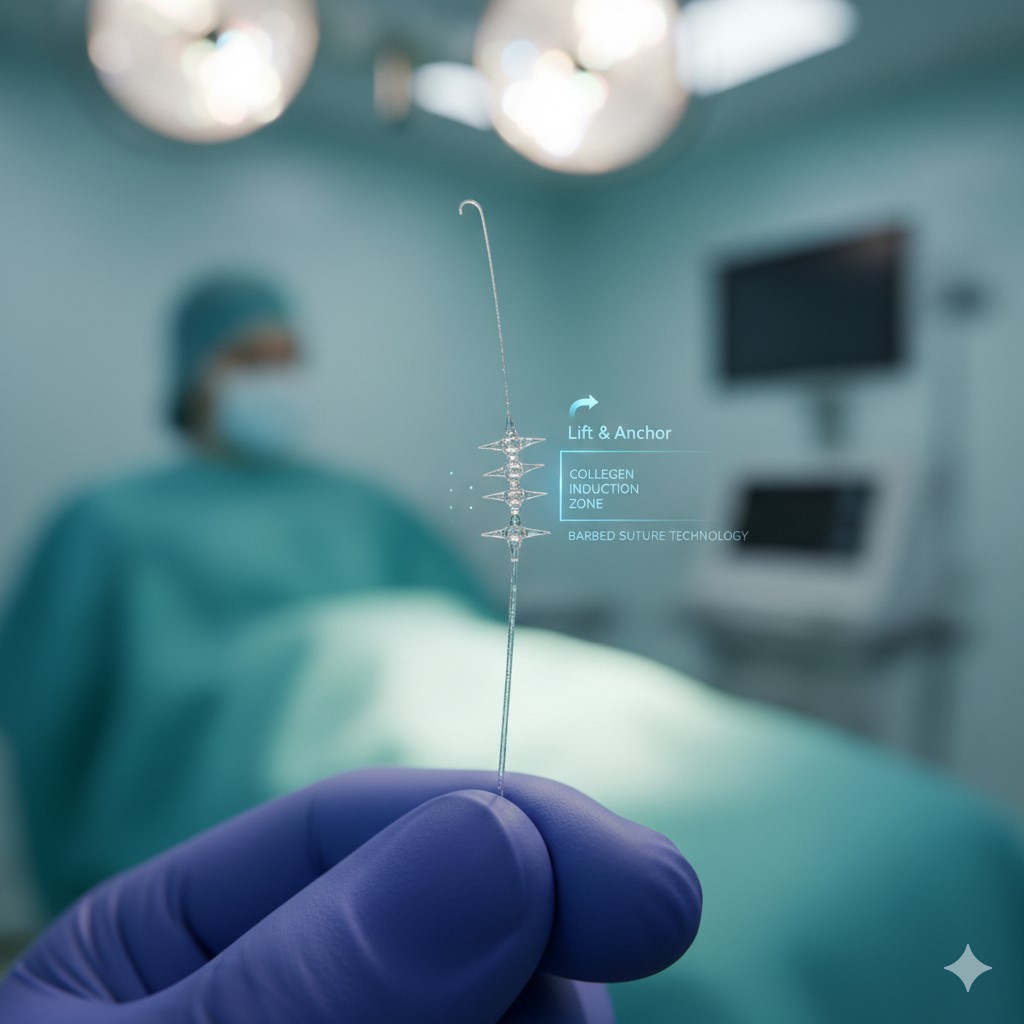
Polydioxanone (PDO) Thread Lifts: The Barbed Revolution 🧵
The PDO thread lift remains a popular component of the New non-surgical facelift methods 2026. These threads, made of absorbable surgical suture material, are strategically inserted under the skin to physically lift sagging tissue. However, the true innovation lies in the thread design. The newer, multi-directional barbed threads offer superior tissue engagement and anchoring compared to older cogged designs. This enhanced grip means a more secure, lasting lift in the mid-face and jawline. Moreover, the material itself stimulates intense collagen production as it dissolves over 6 to 12 months, creating a lasting scaffold.
Understanding the Collagen Scaffold
The immediate result from a thread lift comes from the physical tension and repositioning of the tissue. Subsequently, the long-term benefit comes from the body’s foreign body reaction to the PDO material. This reaction creates a dense, fibrous collagen capsule around the thread path. When the PDO eventually dissolves, this new collagen matrix remains, effectively holding the tissue in its elevated position. Consequently, the lifting effect often lasts for an additional 6 to 12 months after the threads are gone, providing 18 months or more of sustained rejuvenation. This is a crucial distinction between PDO threads and simple dermal fillers.
Pros and Cons of Advanced PDO Threads
Pros:
- ✅ Immediate Visual Lift: Provides instant, visible elevation of sagging jowls and cheeks.
- ✅ Excellent for Jawline Definition: Physically repositions tissue, offering better contouring than tightening alone.
- ✅ Complementary: Works synergistically with HIFU and RF treatments for comprehensive correction.
- ✅ Minimal Incisions: Only requires tiny entry points, which heal quickly and without visible scarring.
Cons:
- ❌ Potential Bruising/Swelling: More invasive than energy devices, with several days of possible bruising and swelling.
- ❌ Temporary Anchoring: While the collagen scaffold remains, the initial physical pull gradually relaxes over a few months.
- ❌ Skill-Dependent: Poor technique can lead to puckering, dimpling, or visible threads. Choosing a highly skilled surgeon or practitioner is essential.
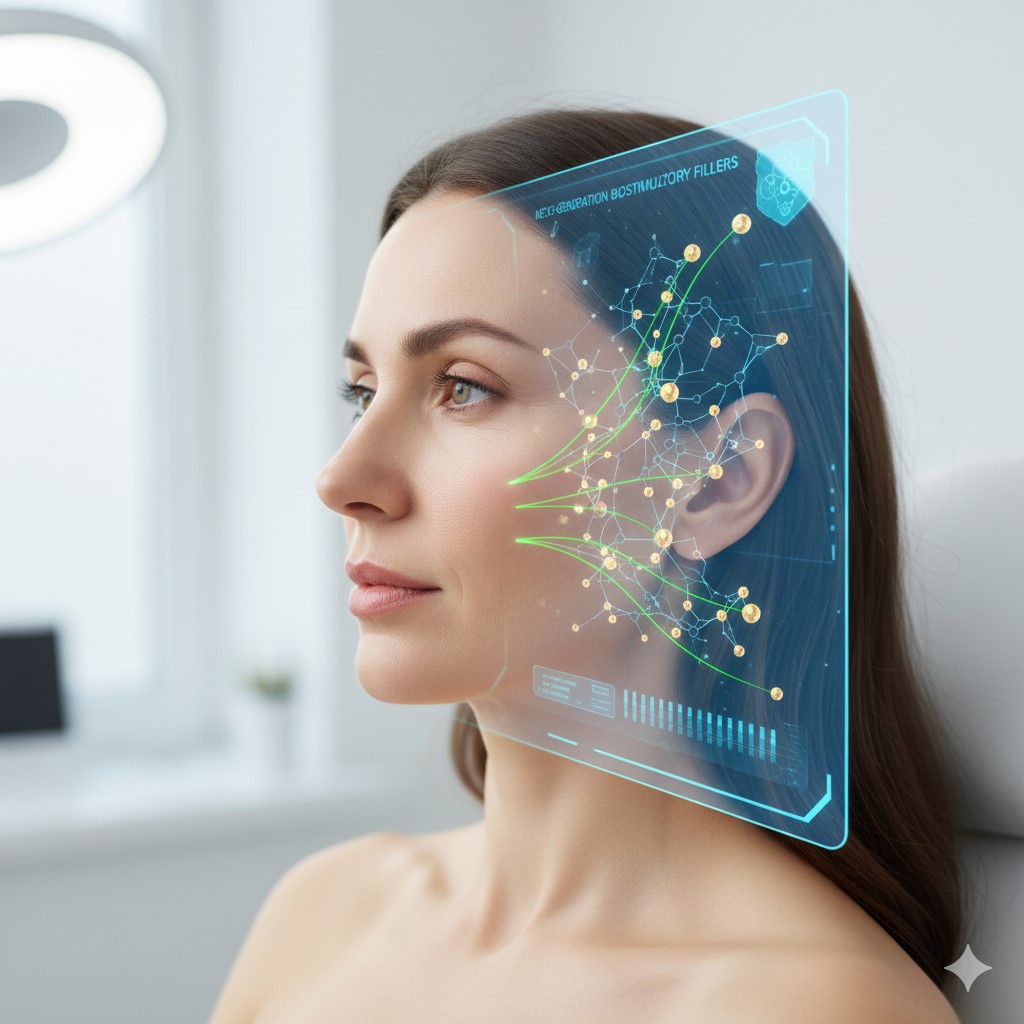
Next-Generation Biostimulatory Fillers: Rebuilding Volume from Within
Facial aging involves volume loss, which must be addressed alongside skin laxity. The latest innovations combine the immediate volumizing effect of traditional fillers with long-term biostimulation. Instead of simply replacing volume with hyaluronic acid (HA), these next-generation compounds (often Poly-L-Lactic Acid or Calcium Hydroxylapatite variants) encourage the body to produce its own collagen over several months. This results in a softer, more integrated, and longer-lasting correction that truly supports the overlying tissues. Mesotherapy and similar treatments have been eclipsed by the precision and depth of these new injectables.
The Importance of Structural Support
These products are often used for “lift” by restoring volume to key structural areas, such as the temples and cheekbones. By restoring projection to these “scaffolding” areas, they indirectly lift the lower face, softening the nasolabial folds and jowls. In addition, their biostimulatory nature means less product is often needed over time to maintain results, making them an economical choice in the long run. Many of the best countries for cosmetic surgery are now prioritizing these techniques due to their natural outcomes.
Comparative Analysis: Choosing Your Path ⚖️
Selecting the best treatment depends on your unique anatomy, the degree of laxity, and your tolerance for downtime. Understanding the differences between the New non-surgical facelift methods 2026 is the first step toward a personalized treatment plan. Furthermore, many patients benefit most from a multi-modal approach, combining, for example, HIFU for deep SMAS lifting with RF Microneedling for dermal tightening and biostimulatory fillers for volume restoration. Aesthetic surgeries in Turkey and other top medical travel destinations often specialize in these combination therapies.
Key Treatment Comparison Table
| Method | Primary Target | Downtime | Optimal Results Visible | Longevity (Years) |
|---|---|---|---|---|
| 5D HIFU | SMAS Layer (Deep Lifting) | None | 3 to 6 months | 1.5 – 2.0 |
| RF Microneedling | Dermis (Tightening & Texture) | 1-2 days (Redness) | 1 to 3 months | 1.0 – 1.5 (Maintenance needed) |
| PDO Thread Lifts | Tissue Repositioning (Physical Lift) | 3-7 days (Bruising/Swelling) | Immediate & 3 months (Collagen) | 1.0 – 2.0 |
| Biostimulatory Fillers | Hypodermis (Volume & Scaffold) | 0-1 day (Minor Swelling) | Immediate & 3 months (Collagen) | 2.0 – 5.0 (Varies by product) |
Who is This For? A Targeted Approach 🎯
The appeal of New non-surgical facelift methods 2026 lies in their versatility. Specifically, they are ideal for individuals who experience mild to moderate facial and neck laxity.
The Ideal Candidate Profile
- Early Signs of Aging (35-50): Patients in this age range often have good skin elasticity but are seeing initial signs of jowling, brow descent, or neck skin crepeiness. Non-surgical options can effectively correct these early changes and delay the need for surgery.
- The Time-Constrained Professional: Individuals with busy schedules who cannot afford the two to three weeks of social downtime required for a surgical facelift are perfect candidates for procedures with zero to minimal recovery.
- Surgery-Averse Individuals: Many people are simply not comfortable with the thought of general anesthesia, incisions, or permanent surgical changes. Non-surgical methods offer a high-impact alternative with fewer associated risks. Understanding the regulations in different jurisdictions can also impact your comfort level with different approaches.
- Maintenance Seekers: For patients who have had a surgical facelift years ago, these non-surgical techniques are excellent for maintaining and extending their surgical results without undergoing a full revision.
Contraindications and Considerations
Conversely, these methods are generally not recommended for individuals with severe skin redundancy or extremely thin, sun-damaged skin lacking sufficient collagen to respond to stimulation. Furthermore, anyone with active inflammatory conditions, certain implants, or pacemakers may be ineligible for specific energy-based treatments. Always disclose your full medical history during consultation, especially if you are traveling for treatment, as detailed in our guide on pre-travel checklists for patients.
The Patient Journey: A Case Study in Combination Therapy 👩⚕️
To illustrate the efficacy of the New non-surgical facelift methods 2026, let us consider the hypothetical case of Sarah, a 48-year-old marketing executive.
Initial Assessment and Goals
Sarah presented with mild jowling, noticeable nasolabial folds, and a slight loss of volume in her cheeks. She was particularly concerned about the lack of definition in her jawline and requested a solution with minimal social downtime. She initially considered more invasive procedures, but after consulting with a specialist who explained the potential of the new non-surgical facelift methods 2026, she opted for a combination approach. She was also interested in the possibility of evaluating cost vs. quality globally.
The Treatment Protocol
Phase 1: Deep Structural Lift (HIFU). The specialist first performed a 5D HIFU treatment on Sarah’s mid-face, jowls, and neck. This targeted the deep SMAS layer to create the foundational pull and contraction. The session took about 60 minutes, and Sarah experienced only minor sensitivity along her jawbone.
Phase 2: Dermal Tightening and Texture (RF Microneedling). One month later, Sarah returned for her first of three RF Microneedling sessions. This treatment was focused on her lower cheeks and neck. The purpose here was to tighten the skin’s surface and improve overall texture and pore size, complementing the deep lift from the HIFU. The downtime was limited to 24 hours of redness.
Phase 3: Volume and Contour Restoration (Biostimulatory Filler). Two weeks after her first RF session, a biostimulatory filler was injected into the lateral aspects of her cheekbones and temples. This restored lost projection, indirectly supporting and lifting the mid-face region that HIFU had treated.
Results and Maintenance
By the third month, Sarah had completed her RF sessions. Her colleagues noticed a dramatic improvement. Her jawline was significantly more defined, the jowls had receded, and the volume in her mid-face had been beautifully restored. She looked noticeably refreshed and rested, but never “pulled.” Sarah plans to return in 18 months for a single maintenance HIFU session and a check-up on her biostimulatory filler, which may last up to five years. She appreciated the minimal interruption to her professional life and the natural progression of her results. In fact, many people combine these cosmetic treatments with general health checkups when traveling.
Future Outlook: What Defines the New non-surgical facelift methods 2026? 💡
The field is not standing still; it is constantly optimizing. The defining characteristics of the New non-surgical facelift methods 2026 are personalization, automation, and enhanced safety.
AI-Driven Treatment Mapping
One of the most exciting advancements is the integration of Artificial Intelligence (AI) and 3D imaging for treatment mapping. New-generation devices use sophisticated software to analyze a patient’s unique fat pad positioning, bone structure, and skin thickness. This data allows the practitioner to precisely map the ideal depth and energy settings for HIFU and RF treatments, moving away from a one-size-fits-all approach. Consequently, this personalization significantly enhances efficacy and minimizes the risk of side effects.
Enhanced Biologics and Tissue Regeneration
Furthermore, we are seeing a convergence of aesthetic devices with regenerative medicine. This means combining non-surgical lifting with platelet-rich plasma (PRP) or exosome-based therapies. While energy devices create the thermal injury required for collagen formation, the injected biologics act as powerful signaling molecules. They accelerate the healing process and boost the quantity and quality of the newly formed collagen. This is a game-changer for patients seeking maximum, long-term regeneration. Regenerative medicine principles are increasingly applied across various medical fields.
Navigating Global Options with Confidence 🌍
As these non-surgical techniques become standardized globally, more individuals choose to seek treatment abroad, especially in centers known for excellence in plastic surgery. However, the key to successful medical tourism is rigorous vetting.

Vetting Clinics and Practitioners
When considering a clinic for the New non-surgical facelift methods 2026, ensure the facility holds international accreditation (e.g., Joint Commission International – JCI). Importantly, verify that the practitioner is a board-certified dermatologist or plastic surgeon with specific, proven experience in the device you are considering. Ask for before-and-after photos specific to the device (e.g., “show me results achieved with this 5D HIFU model”). Do not rely solely on generalized marketing materials. For a comprehensive guide on due diligence, consult our checklist for choosing a surgeon or clinic abroad.
The Importance of Device Authenticity
The non-surgical aesthetic market is saturated with counterfeit devices, particularly for popular technologies like HIFU and RF Microneedling. These copycat machines may deliver inconsistent energy or, worse, cause burns and unpredictable results. Consequently, you must confirm that the clinic uses authentic, registered equipment from reputable manufacturers. Furthermore, always ask the clinic to show you the device and confirm its nameplate or serial number. For those exploring healthcare options, a guide to medical visas is often helpful.
Frequently Asked Questions (FAQ) about Non-Surgical Lifting
- How do the New non-surgical facelift methods 2026 differ from traditional chemical peels?
Chemical peels primarily address the surface of the skin (epidermis and superficial dermis) to improve texture, pigmentation, and fine lines. Conversely, the new non-surgical facelift methods 2026 (like HIFU and RF) penetrate deep into the dermis and SMAS layer (4.5mm) to create lifting and bulk tightening. They are focused on laxity and volume rather than purely surface issues. Peels are a great complementary treatment for texture. - Can these treatments be used on the body, or just the face?
The technology behind these facelift methods is often adapted for body contouring and skin tightening. For example, specific HIFU and RF Microneedling applicators are highly effective for treating laxity on the abdomen, arms, and above the knees. Many patients also seek these treatments for thigh or body lifting. - Is combining different non-surgical treatments safe?
Yes, multi-modal treatment is highly recommended and is a defining feature of modern aesthetics. Since HIFU targets the deepest layer (SMAS), and RF targets the mid-dermis, they treat different anatomical structures and do not interfere with each other. Injectables (fillers, threads) address volume and physical positioning. However, proper sequencing and timing are crucial to avoid over-treatment or complications. - How much do New non-surgical facelift methods 2026 typically cost?
The cost varies widely based on geographic location, the specific technology used, the extent of the treated area, and the expertise of the provider. Generally, a full HIFU or Thread Lift session can range from $1,500 to $5,000 USD. Combination therapies, which offer the best result, will be at the higher end of this range. - Are there any long-term side effects associated with HIFU or RF?
When performed correctly by a qualified professional, long-term side effects are exceedingly rare. The energy delivered is highly controlled and localized. Temporary effects include minor swelling, bruising (rare), and a tingling sensation, which resolves quickly. The heating process is designed to stimulate natural tissue renewal, not create scar tissue. - Can I still have a surgical facelift later if I have non-surgical procedures now?
Absolutely. The tissues stimulated by HIFU, RF, or Biostimulatory Fillers do not generally complicate future surgical procedures. In fact, having denser, healthier collagen (neocollagenesis) can potentially improve the quality of the tissue for a future surgical lift. - How long does a session for an RF Microneedling facial lift take?
A typical RF Microneedling session for the full face and neck takes approximately 45 to 60 minutes, including the time required for the application and activation of topical numbing cream. This relatively short time contributes to the appeal of these non-surgical methods. - Do PDO thread lifts require general anesthesia?
No, PDO thread lifts are minimally invasive and only require local anesthesia (numbing injections) at the entry and exit points and along the thread path. Patients remain fully awake and comfortable during the quick procedure. This is a significant advantage over surgical options. - What is the recommended age to start considering these non-surgical lifts?
While there is no strict age limit, most specialists recommend starting when early signs of laxity become noticeable, typically in the late 30s to early 50s. Early intervention often requires less aggressive treatment and provides the best preventative results by maintaining collagen stores. - Are there specific dietary restrictions after a non-surgical lift?
Generally, no strict dietary restrictions are needed. However, maintaining good hydration and a diet rich in antioxidants (Vitamin C) is highly recommended. These nutrients support the body’s natural collagen production process, maximizing the results from the treatment. For specific guidance, always follow your practitioner’s post-care instructions. - Can these New non-surgical facelift methods 2026 address deep wrinkles?
While the collagen remodeling tightens the skin and reduces the appearance of wrinkles, very deep, static wrinkles are best treated with a combination of volumizing biostimulatory fillers and targeted neurotoxin (Botox) injections. The RF component specifically excels at smoothing out superficial rhytids and skin texture. - Are there any non-thermal alternatives among the New non-surgical facelift methods 2026?
Yes, while HIFU and RF are thermal, the PDO thread lift is primarily mechanical/physical, and Biostimulatory Fillers rely on chemical stimulation (inflammation/neocollagenesis) without generating significant heat. This offers great options for patients sensitive to heat or certain energy types. HIFU is highly effective but is not the only option.
Conclusion: Embracing the Non-Surgical Future
The era of high-impact, low-downtime facial rejuvenation is here. The New non-surgical facelift methods 2026—from 5D HIFU and insulated RF Microneedling to next-generation biostimulatory threads and fillers—have revolutionized how we approach aging. They provide measurable, lasting results that were once exclusive to surgery, giving patients unprecedented control over their aesthetic journey. Importantly, the most effective strategies today involve combination therapies tailored to the individual’s unique anatomy and goals. Consequently, whether you are planning an international medical journey or simply seeking local treatment, understanding these technological pillars is essential. This information empowers you to make an informed decision and achieve a naturally lifted, youthful appearance. For further reading on surgical alternatives, you can explore topics like gender feminization procedures or high-end aesthetic procedures in Dubai. We encourage you to consult with a certified professional to design your personalized, non-surgical lifting strategy using the new non-surgical facelift methods 2026.
Note on Credibility and Research: This article integrates insights on current aesthetic technology and trends observed in leading academic journals, including advancements in the clinical application of high-frequency ultrasound energy and radiofrequency technologies in dermal remodeling, published by institutions such as The National Institutes of Health (NIH) and studies on collagen induction via non-ablative energy devices.
Further Internal Resources: Best Countries for Cosmetic Surgery | Cost of Liposuction | Face & Neck Procedures