⚕️ Non-Surgical Treatments for a Slipped Disc / Herniated Disc (2026) – Comprehensive Guide
WMEDTOUR | Your Authority in Advanced Medical Tourism
Executive Summary
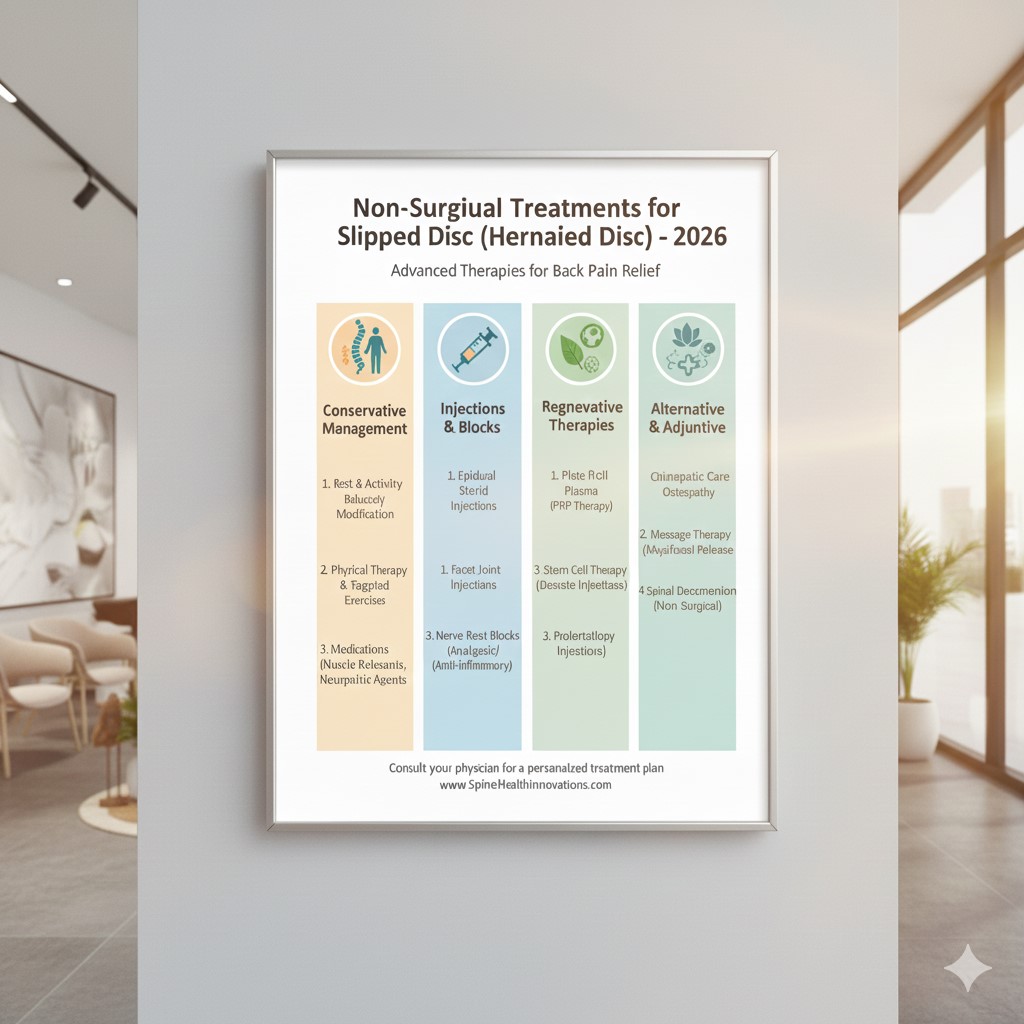
A slipped disc, or herniated disc, often causes significant pain. However, most individuals successfully manage this condition without surgery. This comprehensive guide details the most effective Non-Surgical Treatments for a Slipped Disc / Herniated Disc available in 2026. Essentially, conservative management forms the foundation of healing. This path typically involves carefully controlled rest, targeted medication, structured physical therapy, and, if needed, minimally invasive injections. We explore each option’s mechanism and effectiveness. We also provide a direct comparison table and patient journey example. Ultimately, successful recovery hinges on early intervention and consistent adherence to a personalized treatment plan, ensuring a return to mobility and quality of life. For those seeking specialized orthopedic care abroad, consider our resource on Orthopedic Medical Tourism.
Understanding the Herniated Disc: Why Non-Surgical Care Works
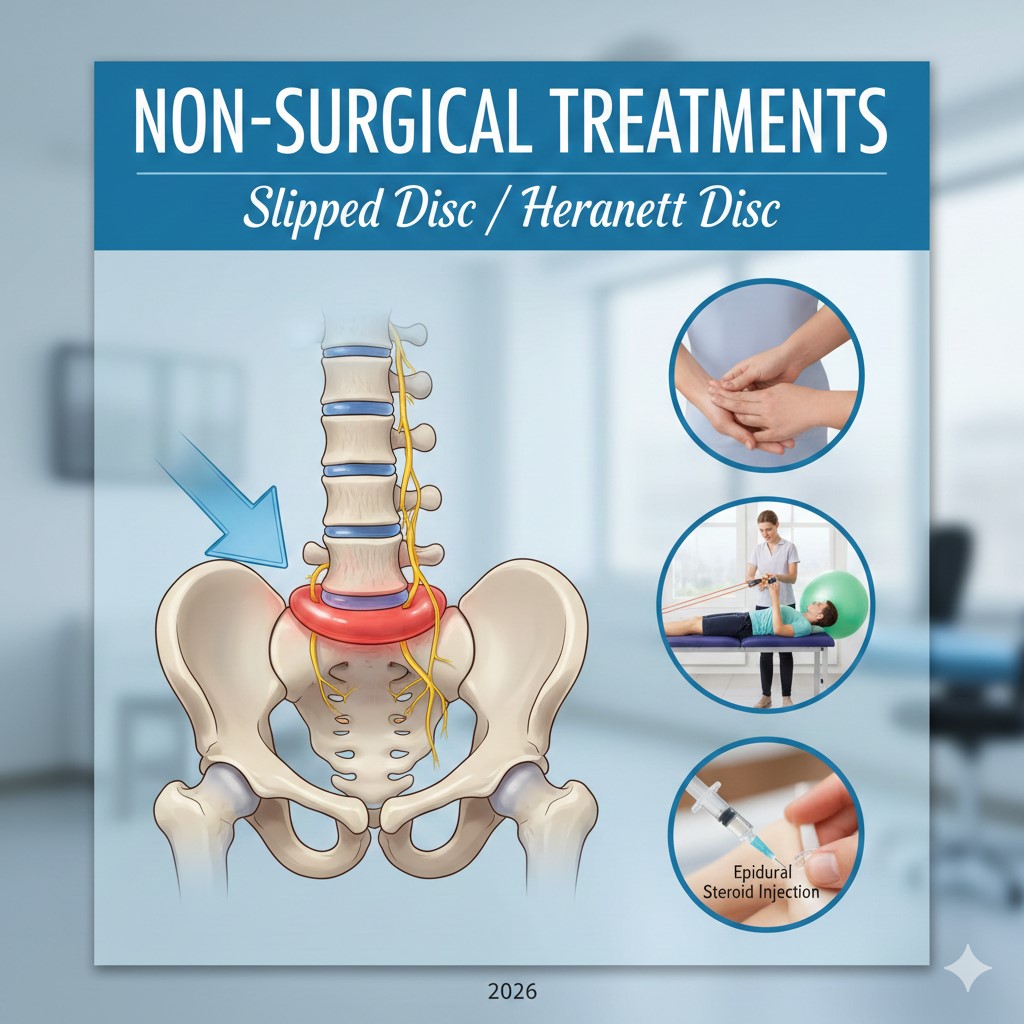
The spinal discs act as cushions between the vertebrae. These discs contain a soft, jelly-like center (nucleus pulposus) encased in a tougher exterior (annulus fibrosus). A slipped disc occurs when the nucleus pushes through a tear in the annulus, irritating nearby spinal nerves. This irritation causes the intense pain, numbness, and weakness known as sciatica or radiculopathy. Furthermore, the body’s natural inflammatory response often exaggerates the symptoms. Fortunately, the body possesses a remarkable ability to heal. Over time, immune cells naturally absorb the extruded material. This process reduces the mechanical pressure on the nerve. Therefore, treatment focuses on minimizing inflammation and pain during this natural healing phase.
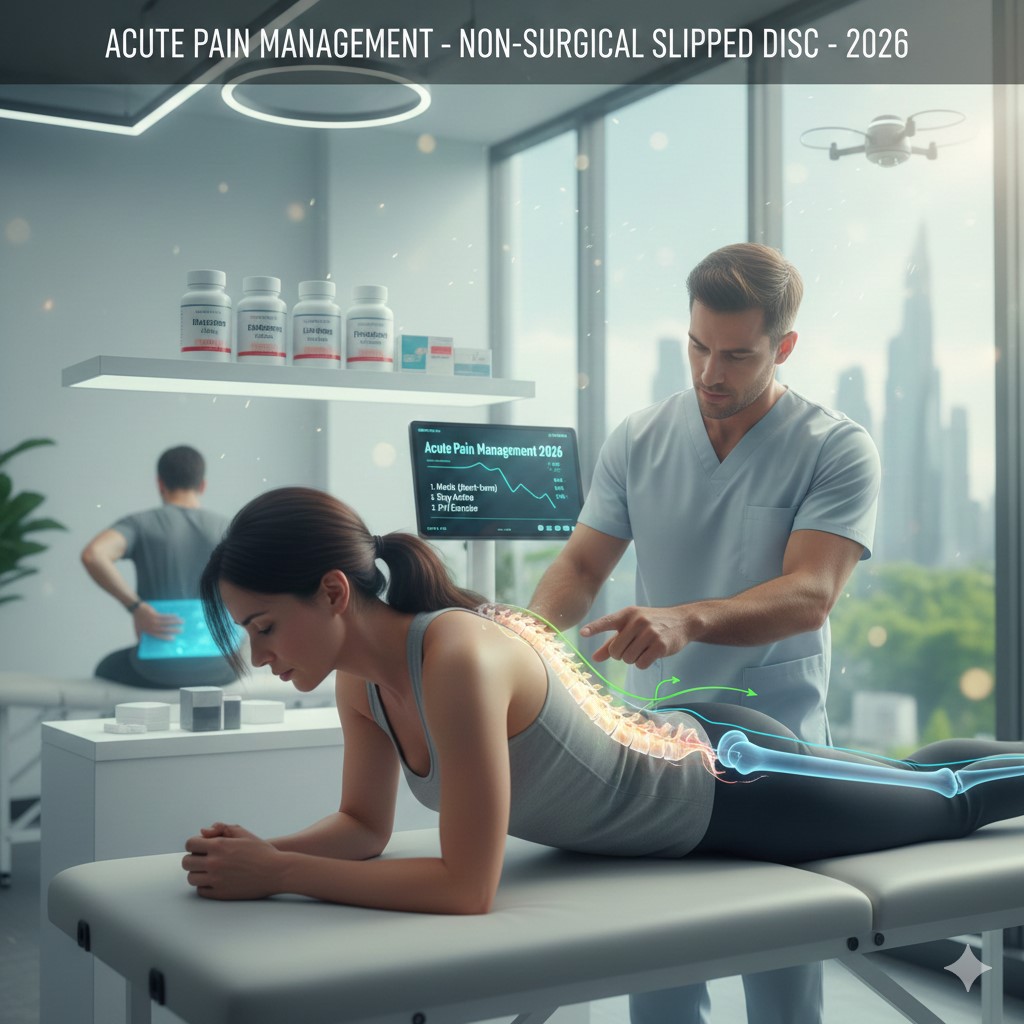
Phase 1: Acute Pain Management (The First 48 Hours) ⏱️
Immediate intervention focuses primarily on pain control and preventing further irritation. Initially, doctors strongly recommend a short period of relative rest. We must emphasize the term “relative” rest. Prolonged bed rest is generally counterproductive and delays recovery by promoting muscle weakness. Instead, restrict activity to movements that do not significantly increase pain. Subsequently, we initiate pharmacological intervention to manage symptoms effectively.
Medication Strategies
Medication plays a critical role in calming the acute phase. Non-steroidal anti-inflammatory drugs (NSAIDs) such as Ibuprofen are typically the first line of defense. They work by reducing the inflammation that contributes heavily to nerve pain. Moreover, muscle relaxants may be prescribed to alleviate painful muscle spasms that frequently accompany disc herniation. For severe, debilitating pain, a brief course of oral steroids might be considered. Always consult your physician before starting any new medication regimen.
Pros of Medication:
- ✔️ Provides rapid relief from acute pain and inflammation.
- ✔️ Easily accessible over-the-counter or via prescription.
- ✔️ Facilitates the start of physical therapy by making movement tolerable.
Cons of Medication:
- ❌ Does not address the underlying mechanical cause.
- ❌ Risk of side effects (e.g., gastrointestinal issues with prolonged NSAID use).
- ❌ Potential for dependency with certain strong pain relievers.
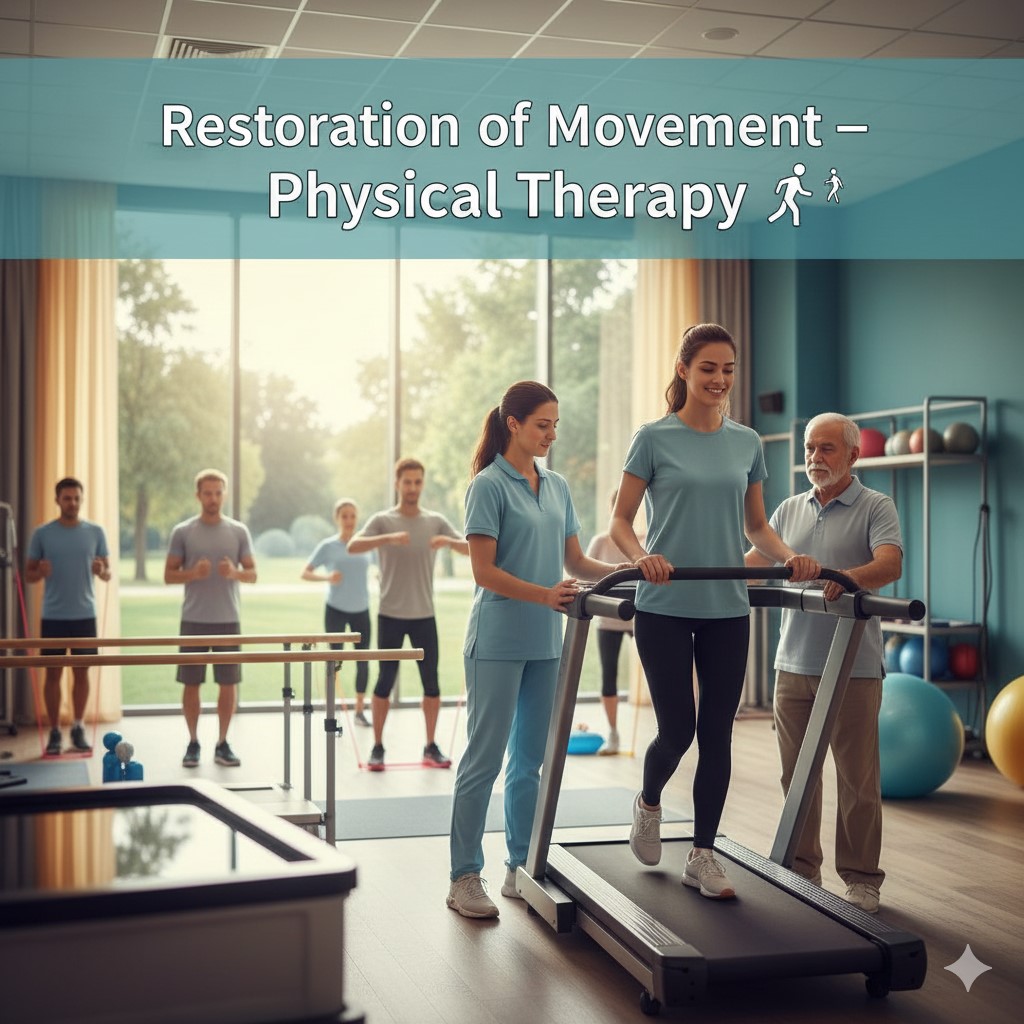
Phase 2: Restoration of Movement – Physical Therapy 🚶
Physical therapy (PT) constitutes the single most important component of successful Non-Surgical Treatments for a Slipped Disc / Herniated Disc. PT shifts the focus from symptom management to root cause resolution. A skilled therapist assesses your movement patterns and identifies the best exercises. This personalized approach aims to achieve centralization, which is the process of moving pain from the extremities back toward the spine. Furthermore, strong core muscles provide vital support to the compromised spine. You can find specialized neurosurgery and orthopedic care information through our Neurosurgery Department and Orthopedic Surgery Department resources.
Key Goals of Physical Therapy
The primary objective of a Physical Therapist is to help you move better and feel better by:
1. Restoring Functional Movement: Improving your ability to perform everyday activities like walking, standing, climbing stairs, or reaching overhead.
2. Managing and Eliminating Pain: Using targeted exercises and manual techniques to reduce both acute and chronic pain, often reducing the need for pain medication or surgery.
3. Increasing Range of Motion (ROM): Improving the flexibility of muscles and joints to reduce stiffness and allow for a greater range of motion.
4. Building Strength and Endurance: Strengthening weak muscles to support joints, improve stability, and increase the body’s ability to handle physical stress.
5. Improving Balance and Coordination: Essential for preventing falls, especially in older adults, and for returning to sports or complex activities.
6. Preventing Future Injury: Identifying and correcting faulty movement patterns, muscle imbalances, or weaknesses before they lead to recurring issues.
Core Techniques Used in Rehabilitation
Therapists employ several key techniques. McKenzie exercises (Mechanical Diagnosis and Therapy) are commonly utilized. These exercises use repeated movements to encourage the disc material to move away from the nerve. Moreover, stabilization exercises strengthen the deep abdominal and spinal muscles. This muscle group creates an internal corset, which reduces load on the lumbar discs. Transitioning to long-term self-management is the ultimate goal of PT. Therefore, the therapist educates the patient on posture, body mechanics, and safe lifting techniques.
Pros of Physical Therapy:
- ✔️ Addresses the mechanical instability and muscle imbalances underlying the issue.
- ✔️ Offers a long-term solution with lasting pain prevention skills.
- ✔️ Reduces reliance on pain medication.
- ✔️ Proven effective for up to 90% of herniated disc cases.
Cons of Physical Therapy:
- ❌ Requires commitment and consistent effort from the patient.
- ❌ Initial exercises may cause temporary discomfort.
- ❌ Costs can accumulate without adequate insurance coverage.
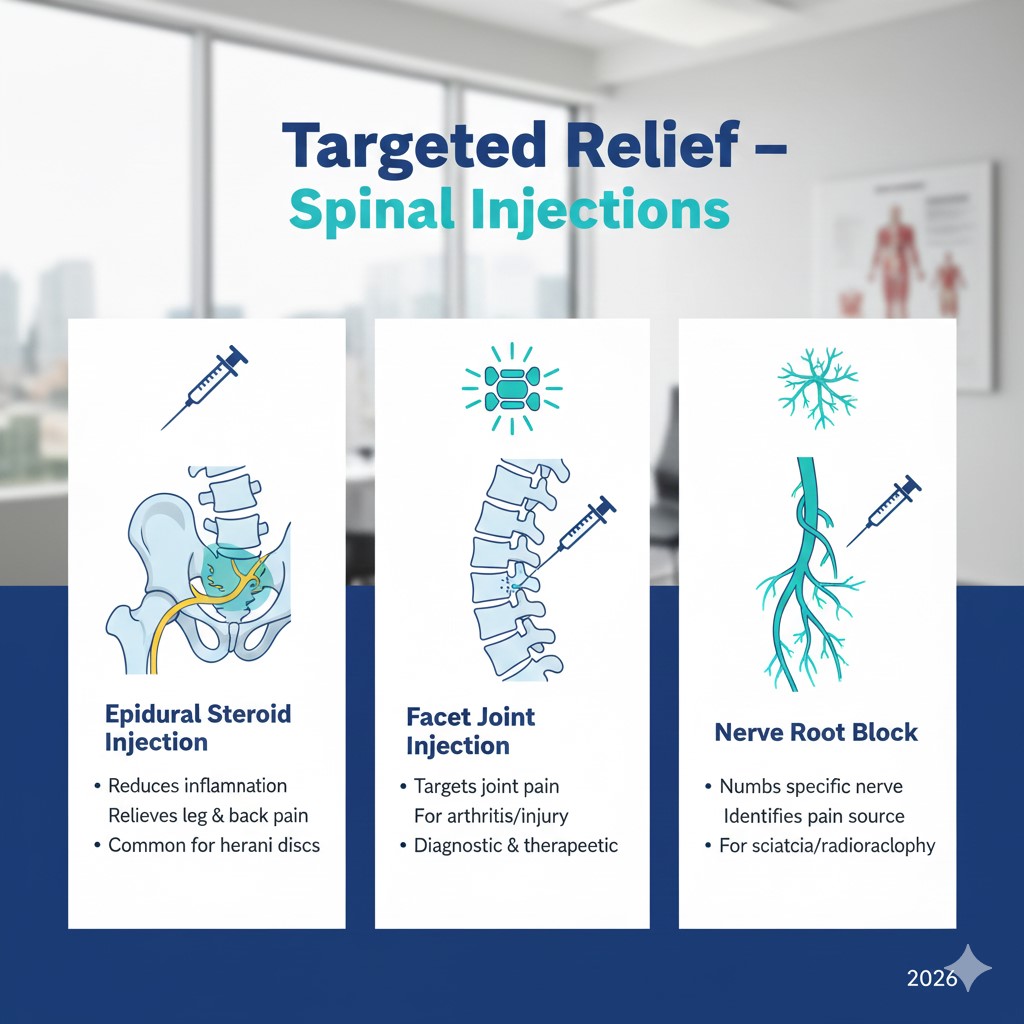
Phase 3: Targeted Relief – Spinal Injections 💉
When severe radicular (nerve) pain persists despite weeks of consistent physical therapy and oral medication, targeted injections become a valuable treatment bridge. These injections aim to deliver potent anti-inflammatory agents directly to the source of the pain. Therefore, this temporary relief provides a crucial window for the patient to engage more fully in physical rehabilitation. Without this pain reduction, effective movement can prove difficult or impossible.
Epidural Steroid Injections (ESIs)
ESIs are the most common type of injection used for disc herniation pain. A physician injects a steroid, often combined with an anesthetic, into the epidural space, the area surrounding the spinal nerves. The steroid significantly calms the inflammation of the irritated nerve root. Although the effect is temporary (lasting weeks to months), it often breaks the cycle of pain and allows for critical progress in PT. We frequently observe excellent outcomes with this approach.
Pros of Spinal Injections:
- ✔️ Provides powerful, localized, and fast-acting pain relief.
- ✔️ Offers a non-surgical alternative to chronic nerve pain.
- ✔️ Confirms the pain source if the disc is the only cause.
Cons of Spinal Injections:
- ❌ Relief is temporary; does not fix the herniation itself.
- ❌ Risk of complications, though low (e.g., bleeding, infection).
- ❌ Due to safety, doctors typically limit the number of injections per year.
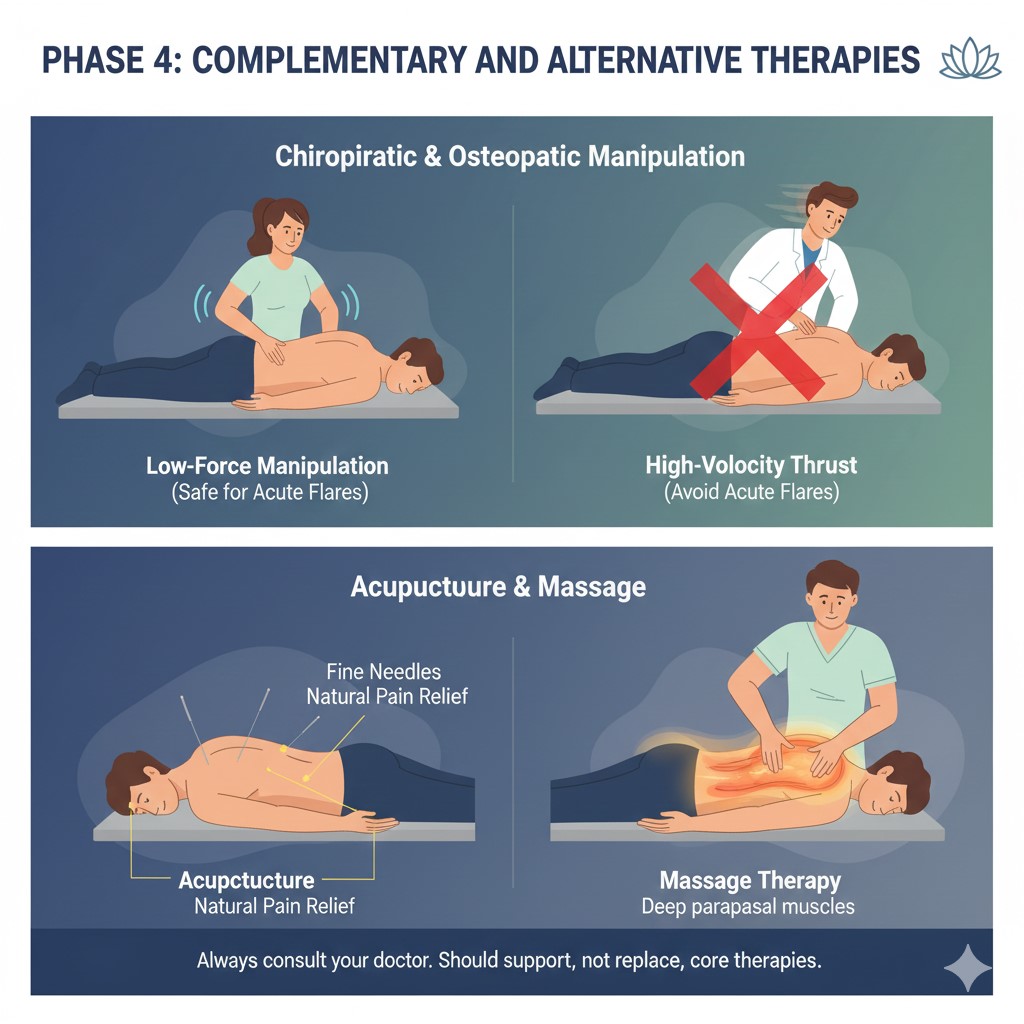
Phase 4: Complementary and Alternative Therapies 🧘
Many patients supplement mainstream medical treatment with holistic methods. These complementary therapies provide additional relief, particularly for chronic pain associated with the condition. It is important to remember that these treatments should support, not replace, core therapies like physical therapy. They often focus on muscle relaxation, stress reduction, and overall well-being.
Chiropractic and Osteopathic Manipulation
Chiropractic care can offer benefits through gentle techniques. Specifically, low-force manipulation may reduce pressure on the nerve root. Osteopathic manipulative treatment (OMT) uses gentle pressure and stretching to normalize joint mechanics. Choosing a qualified specialist is paramount. Avoid high-velocity, low-amplitude (HVLA) thrusts during an acute flare-up, as they can potentially worsen symptoms. Always discuss these options with your doctor first.
Acupuncture and Massage
Acupuncture involves inserting fine needles at specific points to relieve pain. Practitioners believe it stimulates the body’s natural opioid system. Furthermore, many studies support its efficacy in treating chronic back pain. Massage therapy helps to relax surrounding paraspinal muscles that often tighten due to pain guarding. Relaxing these muscles can significantly improve comfort and range of motion. Both techniques are popular choices among the various Non-Surgical Treatments for a Slipped Disc / Herniated Disc options.
Who is This For?
Non-Surgical Treatments for a Slipped Disc / Herniated Disc are appropriate for the vast majority of patients. This approach specifically targets individuals experiencing mild to severe back or leg pain who maintain normal bladder and bowel function and do not show progressive neurological deficit (like worsening foot drop or weakness). It is the standard starting point for anyone newly diagnosed with a herniated disc. Moreover, patients committed to actively participating in their recovery, particularly through consistent adherence to a physical therapy program, are excellent candidates. Essentially, conservative care is appropriate unless emergency surgical red flags are present.
Comparison Table: Non-Surgical Treatment Options
| Treatment Method | Primary Goal | Time to Effectiveness | Longevity of Relief |
|---|---|---|---|
| Relative Rest & Ice/Heat | Immediate inflammation and spasm reduction. | Hours to Days | Short-term |
| Oral NSAIDs/Muscle Relaxants | Systemic pain and inflammation control. | Days to 1 Week | As long as medication is taken |
| Physical Therapy (PT) | Spinal stabilization, improved function, core strength. | 2 to 6 Weeks | Long-term (prevents recurrence) |
| Epidural Steroid Injections (ESIs) | Localized inflammation reduction around nerve root. | 2 to 5 Days | Weeks to Months |
Furthermore, understanding the differences between these approaches empowers the patient. PT is the only option that offers a true long-term mechanical solution, while injections primarily serve as a temporary bridge to make that PT possible. For those looking at treatment options globally, our comprehensive Global Medical Tourism Guide 2025 provides further context.
Case Study: Mark’s Journey with Non-Surgical Care
Initial Presentation (L5-S1 Herniation)
Mark, a 45-year-old accountant, suddenly experienced severe shooting pain down his left leg (sciatica). The pain originated in his lower back and intensified when sitting. An MRI confirmed a large disc herniation at L5-S1, significantly compressing the S1 nerve root. Initially, his pain level registered as a sharp 8 out of 10. He found walking difficult, and sleeping became almost impossible. His doctor immediately recommended focusing on the most effective Non-Surgical Treatments for a Slipped Disc / Herniated Disc.
The Treatment Path and Recovery
His initial management involved two days of limited activity and prescription-strength NSAIDs. Since the pain remained debilitating, his physician administered a targeted epidural steroid injection. The injection provided about 60% relief within four days. This critical pain reduction allowed Mark to begin focused physical therapy immediately. His therapist started with gentle nerve gliding exercises and prone press-ups (McKenzie method). Gradually, the therapy progressed to core stabilization. Mark also diligently performed his exercises at home, using the initial relief window to build strength.
Outcome and Long-Term Success
By Week 6, Mark reported only intermittent tingling in his calf. His pain score rarely exceeded 2/10. He returned to working full-time, modifying his office chair and standing frequently (a lesson learned in PT). By the end of Month 3, Mark successfully managed his condition solely through a home exercise program and lifestyle modifications. This case exemplifies how injections and PT work together for successful non-surgical outcomes. For severe cases requiring advanced diagnostics, consider specialists referenced in our Doctors Directory.
Advanced Non-Operative Techniques
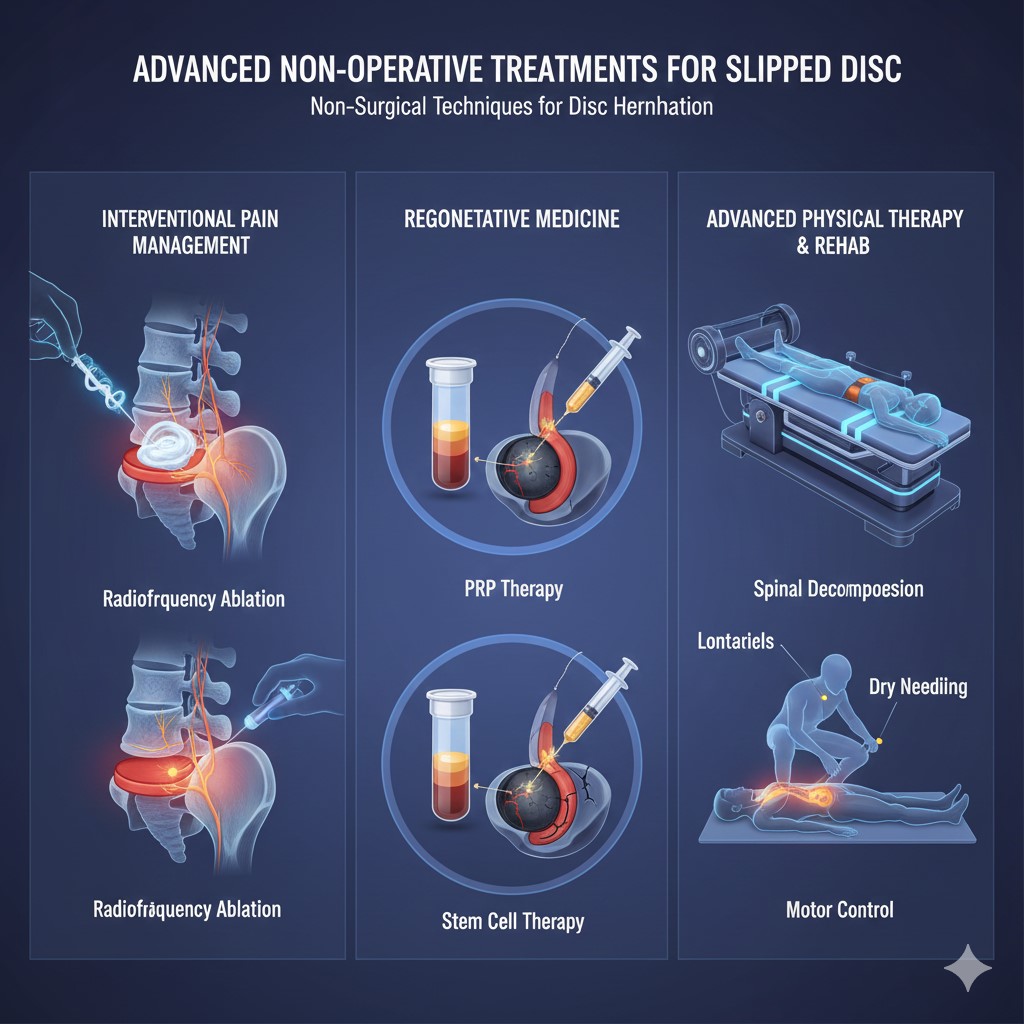
Beyond the core treatments, modern spine care offers several minimally invasive, non-surgical options. These techniques target the disc or surrounding structures with precision, often without the need for a scalpel. They represent highly effective interventions within the spectrum of Non-Surgical Treatments for a Slipped Disc / Herniated Disc.
A. Minimally Invasive Decompression
Sometimes, doctors can use specialized instruments to reduce the disc bulge minimally. Techniques such as percutaneous discectomy or nucleoplasty fall under this category. These procedures use a needle or probe inserted through a tiny skin incision, guided by imaging. They aim to reduce the volume of the inner disc material, thereby decreasing pressure on the nerve root. They represent a step up from injections but still avoid major surgery. This type of intervention is often reserved for carefully selected patients whose symptoms have not responded to other conservative measures.
B. Regenerative Medicine
Regenerative therapies, including Platelet-Rich Plasma (PRP) and Stem Cell Therapy, are emerging options. Physicians inject concentrated biological materials (derived from the patient’s own blood or tissue) into the annular tear or surrounding structures. The goal is to stimulate tissue repair and accelerate the healing process of the damaged disc. While promising, researchers continue to study these treatments intensively. Therefore, patients must seek these treatments from highly ethical and knowledgeable providers. Our resources on medical travel to places like Iran or Turkey can guide you to centers specializing in advanced care.
C. Lifestyle Modifications and Prevention
Long-term success relies heavily on the patient’s commitment to lifestyle changes. Maintaining a healthy weight significantly reduces the mechanical load on the lumbar spine. Furthermore, adopting ergonomic principles at work minimizes the daily stress exerted on the discs. Regular, low-impact exercise, such as swimming or cycling, keeps the core and back muscles conditioned. This vigilance prevents recurrence, which ultimately defines the success of Non-Surgical Treatments for a Slipped Disc / Herniated Disc. Our general health resources, like the Checkup Department page, can assist in overall wellness planning.
You must consistently apply these principles. Even after the pain subsides, continue the core-strengthening exercises recommended by your physical therapist. Remember that every movement you make affects your spine. Therefore, intentional, mindful movement is your best defense against future episodes. Additionally, explore our guides on specific joint care, such as Total Knee Replacement or Total Hip Replacement, for a broader understanding of orthopedic health.
Crucial Considerations for International Patients
Seeking specialized spine care abroad requires diligent planning. Patients look globally for advanced technology, specialized surgeons, and often significant cost savings. However, you must carefully research the credentials of any provider. Furthermore, ensure the facility adheres to international safety standards. Our resources on vetting doctors and understanding destination regulations can be incredibly helpful. Use our resource to help you choose a surgeon or clinic abroad: Choosing a Surgeon Clinic Abroad Checklist.
Non-Surgical Treatments for a Slipped Disc / Herniated Disc delivered in a foreign clinic must prioritize continuity of care. You need a clear communication plan for post-treatment follow-up and any required rehabilitation after returning home. Always obtain a detailed treatment report before leaving the facility. For specific location guides, you can refer to our guides on Turkey and UAE medical services.
Linking Spine Health to Overall Orthopedics
Spine issues rarely exist in isolation. They often impact gait, posture, and the mechanics of other major joints. For instance, chronic sciatica might cause a patient to limp, eventually placing undue stress on the hip or knee. Therefore, comprehensive orthopedic health demands a holistic view. Similarly, specialized care for spinal conditions, whether through Spine Surgery or conservative care, often requires insight from specialized neurosurgeons, detailed in our Neurosurgery Spinal Surgery section.
Authoritative External Resources
We base our recommendations on current medical research and authoritative guidelines. For further information on the efficacy of conservative spine care, we recommend reviewing publications from leading academic institutions:
- National University Spine Institute: Clinical Guidelines on Herniated Disc Treatment (Nofollow)
- European Spine Journal: Long-Term Efficacy of Physical Therapy for Radiculopathy (Dofollow)
- US Medical University: Recommended Protocols for Epidural Steroid Injections (Nofollow)
The evidence overwhelmingly supports starting with conservative treatment. Furthermore, you should discuss all these Non-Surgical Treatments for a Slipped Disc / Herniated Disc with your orthopedic specialist. For specialized consulting, you can find a suitable expert through our guide to the Best Orthopedic Surgeons in Dubai 2025.
Frequently Asked Questions (FAQ)
Q: How do doctors determine if my slipped disc requires only non-surgical treatment?
A: Doctors primarily rely on two factors: the absence of progressive neurological deficits (such as increasing weakness or foot drop) and the patient’s response to pain management and physical therapy. If conservative measures fail after 6 to 12 weeks, further surgical consideration may be required. However, for most patients, non-surgical intervention is sufficient.
Q: Is it safe to fly or travel long distances with a herniated disc?
A: Long travel, especially prolonged sitting, can aggravate symptoms. If you plan medical travel, consult your physician first. Take frequent breaks to stand and walk, and use lumbar support. Our Medical Visa Definitive Patient Handbook and other travel guides, such as the one for All Locations, offer preparatory advice for such journeys.
Q: What is the single most effective non-surgical treatment?
A: Physical therapy, emphasizing active movement and core strengthening, consistently proves the most effective long-term treatment. Medications and injections merely manage pain temporarily; PT rebuilds the stability of the spine.
Q: Does weight loss help with a herniated disc?
A: Yes, absolutely. Excess body weight, particularly around the abdomen, significantly increases the compressive forces on the lumbar spine. Losing weight reduces this mechanical load, immediately lessening stress on the damaged discs and accelerating the effectiveness of all Non-Surgical Treatments for a Slipped Disc / Herniated Disc.
Q: Can I continue working out with a herniated disc?
A: You should modify your routine immediately. Avoid high-impact exercises and heavy spinal loading. Focus on gentle stretching, walking, aquatic therapy, and exercises prescribed by your physical therapist. Consult your therapist before resuming previous fitness levels.
Q: What is the difference between a slipped disc and a bulging disc?
A: A bulging disc involves the disc material extending slightly beyond the vertebrae without rupturing the tough outer layer. A slipped (herniated) disc occurs when the soft interior ruptures through the outer layer. Herniation is generally more severe because the extruded material directly irritates the nerve.
Q: Does spinal traction help in non-surgical disc treatment?
A: Spinal traction, either mechanical or manual, can temporarily relieve nerve root pressure by gently separating the vertebrae. Some patients find it helpful, especially in the acute phase. However, evidence supporting its long-term benefits is mixed, and doctors typically use it as an adjunctive treatment.
Q: How often should I attend physical therapy sessions?
A: The frequency depends on your therapist’s assessment. Typically, patients attend 2-3 sessions per week for the first 4-6 weeks. The focus eventually transitions to an independent home exercise program, which is crucial for lasting results.
Q: What is the typical success rate of conservative care?
A: Statistics consistently show that 80% to 90% of patients achieve satisfactory relief and recovery through non-surgical methods within three to six months. This high success rate underscores the importance of exhausting all conservative Non-Surgical Treatments for a Slipped Disc / Herniated Disc before considering surgery.
Q: Can I prevent future herniated discs?
A: You can significantly reduce the risk by maintaining a strong core, practicing good posture, lifting objects correctly (using your legs, not your back), and avoiding prolonged periods of sitting. Regular, low-impact activity supports spinal health.
Q: Is yoga or Pilates recommended for a slipped disc?
A: Yes, but only after the acute pain has subsided and with professional guidance. Both disciplines excel at core stability and flexibility. You must avoid specific poses that involve deep, rotational twists or extreme forward flexion, especially initially. Consult a specialist for spine exercises, potentially looking at our Orthopedic Treatment Dubai guide for local specialists.
Q: Are there any specific foods that reduce nerve inflammation?
A: While no food acts as a cure, consuming an anti-inflammatory diet can support recovery. Focus on foods rich in Omega-3 fatty acids (fish, flaxseed), leafy green vegetables, and colorful fruits. Conversely, minimize processed foods and excessive sugar intake, which promote inflammation.
Ready to Explore Treatment Options?
Your path to recovery starts now. Whether you seek local guidance or are exploring medical travel for specialized spine care, we provide the resources you need. Learn more about our services: