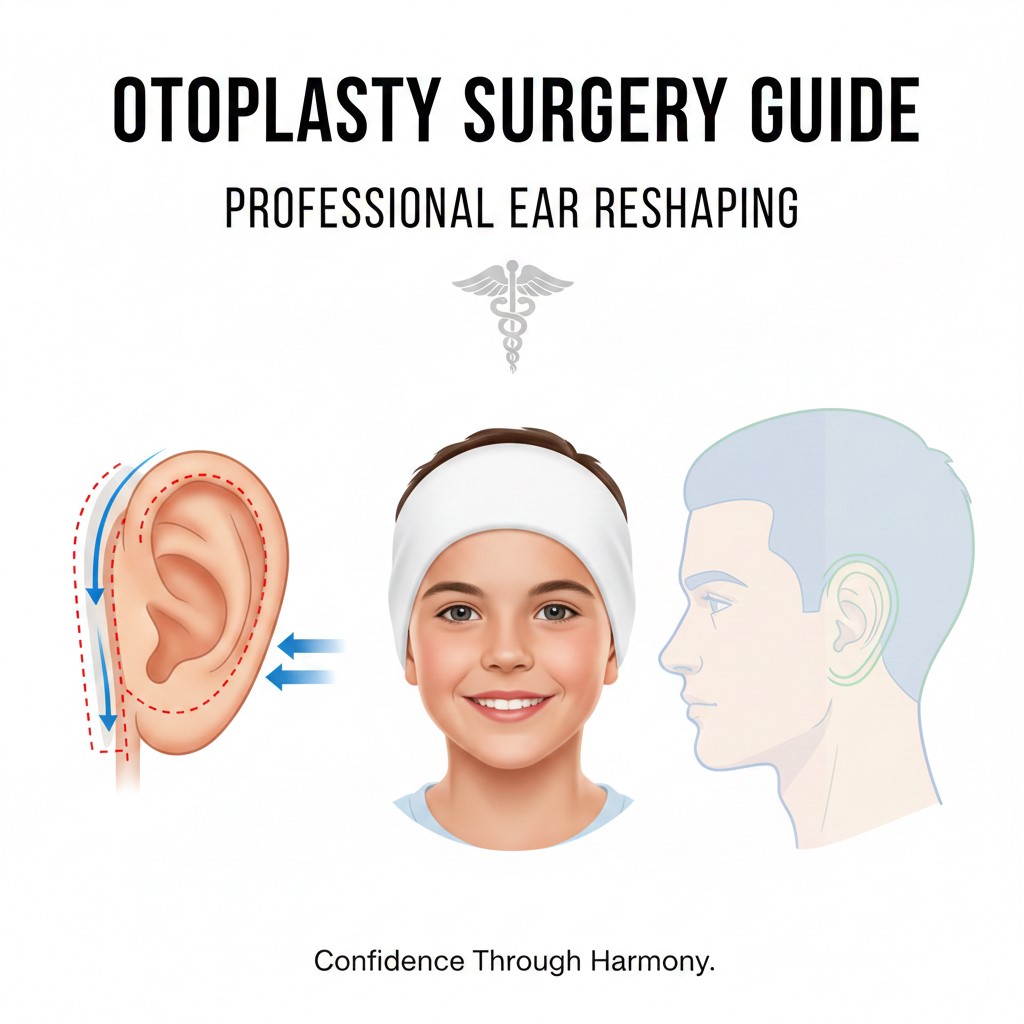
👂 Otoplasty Surgery Guide: Professional Ear Reshaping 2026
📋 Executive Summary
This comprehensive 2026 guide explores everything you need to know about Otoplasty Surgery Guide: Professional Ear Reshaping 2026. We cover modern surgical techniques, global cost comparisons, and the journey toward aesthetic harmony. Whether you are looking for corrective surgery for children or cosmetic refinements for adults, this guide provides the professional insight required to make an informed decision.
- Core Purpose: Correcting ear size, shape, or protrusion.
- Ideal Age: Typically after age 5 when cartilage is stable.
- Recovery: Most patients return to work or school within 7 to 10 days.
- Global Access: Top-tier facilities in Iran, Turkey, and India offer world-class results.
🎯 Who is This For?
The Otoplasty Surgery Guide: Professional Ear Reshaping 2026 is designed for a diverse group of individuals. Many parents seek help for children who face social challenges due to prominent ears. At age five, the ear cartilage is sufficiently developed for surgical intervention. This early correction prevents potential psychological stress during school years.
Adults also represent a significant portion of our patient demographic. You might have lived with “bat ears” or ear asymmetry for decades. Perhaps you feel restricted in your choice of hairstyles or professional appearance. This guide assists professionals who want to enhance their self-confidence in the corporate world. It also serves those needing reconstructive care after trauma or previous unsuccessful surgeries. If you are exploring plastic surgery options, this guide is your primary resource.
🛠️ Modern Ear Reshaping Techniques
Surgical methods have evolved significantly as we enter 2026. The Otoplasty Surgery Guide: Professional Ear Reshaping 2026 highlights two main approaches: traditional incision-based methods and minimally invasive stitch techniques. Surgeons often customize these based on your specific ear anatomy. Often, the procedure takes place in a dedicated ENT department or plastic surgery suite.
Cartilage Sparing vs. Cartilage Scoring
Cartilage sparing techniques use permanent sutures to fold the ear into a new position. This method is gentle and preserves the natural structural integrity. On the other hand, cartilage scoring involves making tiny incisions to facilitate reshaping. Your surgeon chooses the method that ensures the most natural look. According to research at Johns Hopkins University, customized approaches lead to higher long-term satisfaction rates.
Incision Placement and Stealth
Modern professionals worry about visible scarring. Rest assured, incisions are typically hidden in the natural crease behind the ear. This makes the Otoplasty Surgery Guide: Professional Ear Reshaping 2026 a preferred choice for those who value discretion. After the healing process finishes, the scars become nearly invisible to the naked eye.
⚖️ Pros and Cons of Otoplasty
Evaluating the benefits and risks is a vital step in your journey. While the procedure is generally safe, understanding both sides ensures realistic expectations.
The Advantages
- Immediate Results: You will see a visible change as soon as the initial bandages come off.
- Permanent Solution: Once the cartilage is reshaped and healed, the results usually last a lifetime.
- Psychological Boost: Correcting prominent ears often leads to a massive surge in self-esteem.
- Safe for Children: It is one of the few cosmetic procedures widely recommended for younger patients.
The Potential Drawbacks
- Surgical Risks: Like any procedure involving anesthesia, there are minor risks of infection or reaction.
- Numbness: Temporary numbness in the ear area is common during the first few months.
- Over-Correction: If not performed by a skilled professional, ears may appear “pinned back” too tightly.
- Cost: Insurance rarely covers otoplasty as it is often considered a cosmetic procedure.
🛣️ The Patient Roadmap
Navigating the steps toward surgery can feel overwhelming. Therefore, we have outlined a clear path for your Otoplasty Surgery Guide: Professional Ear Reshaping 2026 experience. Following this roadmap ensures you are prepared at every stage.
Phase 1: Discovery and Consultation
Begin by researching qualified doctors who specialize in facial aesthetics. During your telemedicine consultation, share your goals and medical history. The surgeon will evaluate your ear structure and skin elasticity. They will then explain the best technique for your specific case.
Phase 2: Preparation and Procedure
Once you book your surgery, you might need a clinical chemistry panel to ensure you are fit for anesthesia. On the day of the procedure, you will likely receive local anesthesia with sedation or general anesthesia. The surgery typically lasts between one and two hours. You can usually go home or back to your hotel on the same day.
Phase 3: Healing and Reveal
For the first week, you will wear a protective headband or bulky dressing. It is crucial to avoid sleeping on your side during this time. You can view our FAQ section for more details on managing discomfort. Most patients return to light activities within three days and full professional duties within a week.
📖 Case Study: A Professional Transformation
Meet Mark, a 34-year-old marketing executive from the UK. Mark always felt his “prominent ears” were a distraction during high-stakes boardroom presentations. He felt they made him look younger and less authoritative. After reading our Otoplasty Surgery Guide: Professional Ear Reshaping 2026, he decided to seek treatment abroad to combine quality with value.
Mark chose to travel to Iran due to the high density of expert surgeons. He underwent a cartilage-sparing otoplasty under local anesthesia. His recovery was swift. By day seven, he was exploring the historical sites of Tehran with a simple protective headband. Six months later, Mark reports that his confidence has soared. He no longer worries about his appearance during video calls or public speaking events. This successful journey highlights the benefits of specialized medical tourism.
💰 Global Cost Analysis Table
Cost is a major factor for many patients. The Otoplasty Surgery Guide: Professional Ear Reshaping 2026 provides a comparison of average prices in popular destinations. Note that these prices often include the surgeon’s fee, facility costs, and anesthesia.
| Country | Estimated Cost (USD) | Quality Tier | Wait Time |
|---|---|---|---|
| United States | $5,000 – $8,000 | Very High | 1-3 Months |
| United Kingdom | $4,500 – $7,000 | High | 2-4 Months |
| Iran | $1,200 – $2,500 | Very High (Specialized) | 1-2 Weeks |
| Turkey | $1,800 – $3,500 | High | 1-3 Weeks |
| India | $1,500 – $3,000 | High | 2-3 Weeks |
✈️ Recovery and Medical Tourism
Combining surgery with travel is an excellent way to recover in a stress-free environment. Many patients choose Iran tours or medical packages in Turkey. These packages often include luxury accommodation and private transport. This allows you to rest away from the demands of daily life.
In 2026, medical tourism is more streamlined than ever. You can coordinate your otoplasty with other minor procedures. For instance, some patients look into rhinoplasty to achieve total facial balance. If you require medical transport, options like air ambulance short route are available for premium comfort. Our team at WMedTour ensures your transition from the clinic to your hotel is seamless.
Post-Operative Care Abroad
Most clinics provide comprehensive follow-up care. You will have a check-up a few days after surgery to remove stitches. During this time, you can enjoy light sightseeing. Avoid strenuous activities like swimming or heavy lifting. This protects your ears from trauma while they are still healing. For a broader perspective on global care, see the Global Medical Tourism Guide.
❓ Frequently Asked Questions
1. What is the main goal of the Otoplasty Surgery Guide: Professional Ear Reshaping 2026?
The primary objective is to provide a detailed, professional overview of ear reshaping procedures for 2026. This includes understanding the surgical techniques, identifying the right candidates, and managing the recovery process effectively. By following this guide, patients can navigate the complexities of plastic surgery with confidence. It serves as a bridge between patient curiosity and clinical reality, ensuring everyone knows what to expect before stepping into the operating room. Furthermore, it highlights the importance of choosing accredited surgeons and facilities for the best possible aesthetic outcome.
2. At what age can a child safely undergo ear reshaping surgery?
Children can generally undergo this procedure starting at age five or six. At this stage, the ear cartilage is sufficiently developed and has reached about 90% of its adult size. Performing the surgery early helps prevent the psychological trauma of bullying or teasing during the school years. Surgeons prefer this age because the cartilage is more pliable than in adults, making it easier to reshape. However, it is essential that the child is cooperative and understands the basic need for a headband during recovery. Always consult with a pediatric specialist in our plastic surgery department for personalized advice.
3. Is the procedure performed under general or local anesthesia?
For young children, general anesthesia is almost always used to ensure they remain still and comfortable throughout the surgery. For adults and older teenagers, surgeons often offer local anesthesia with intravenous sedation. This allows the patient to remain awake but relaxed and pain-free during the process. The choice depends on the complexity of the case and the patient’s anxiety level. During your initial consultation, the anesthesiologist will review your history to decide the safest route. You can even book a pre-operative anesthesia consultation to discuss your concerns in detail.
4. How long does the actual ear reshaping surgery take?
A typical otoplasty procedure takes between one and two hours to complete. If both ears require significant reshaping or if the case is particularly complex, it may take slightly longer. The time includes the initial preparation, the delicate reshaping of the cartilage, and the careful placement of sutures. Surgeons work meticulously to ensure symmetry, which is often the most time-consuming part of the operation. After the surgery is finished, patients spend about an hour in a recovery room for observation. Most people can leave the surgical facility on the same day, making it a convenient outpatient experience.
5. Will there be visible scars after the healing process?
One of the biggest advantages of modern ear reshaping is the discreet placement of incisions. Surgeons typically make the cuts in the natural fold behind the ear where the ear meets the head. This strategic placement ensures that any resulting scars are well-hidden from view. Over time, these scars fade significantly, often becoming thin, faint lines that are nearly impossible to see. Patients who have very short hair or who wear their hair up find this especially beneficial. Proper post-operative care, such as avoiding sun exposure on the scar, further helps in achieving an invisible finish.
6. What does the immediate recovery period look like?
Immediately after surgery, your ears will be covered with a bulky bandage or a soft headband. This dressing is vital because it maintains the new position of the ears and protects the delicate sutures. You might experience some mild discomfort or throbbing, which is easily managed with prescribed pain medication. It is normal to see some swelling and bruising for the first few days. Patients are advised to keep their head elevated, even while sleeping, to minimize swelling. Most people can return to sedentary work or school within five to seven days, provided they continue wearing their headband as instructed.
7. How long must I wear the protective headband?
Typically, you will need to wear a heavy bandage for the first few days post-surgery. After the surgeon removes this initial dressing, you will transition to a lighter, supportive headband. This headband should be worn 24/7 for at least one to two weeks. Following this initial period, most surgeons recommend wearing the headband only at night for another month. This prevents the ears from being pulled forward or folded while you sleep. Adhering to this schedule is critical for ensuring the cartilage heals in its new shape. Failure to wear the headband as directed can lead to the ears shifting back toward their original position.
8. Are the results of otoplasty permanent?
Yes, the results of ear reshaping surgery are designed to be permanent. Once the cartilage has been reshaped and the healing process is complete, the ears should maintain their new position for life. It is rare for the ears to “pop back” unless there is significant trauma to the area during the early stages of healing. Unlike some other cosmetic procedures that may require “touch-ups” over the years, otoplasty is usually a one-time investment. This makes it a highly satisfying procedure for both patients and surgeons. Maintaining a healthy lifestyle and following all recovery protocols ensures the longevity of your aesthetic transformation.
9. Can otoplasty correct earlobes that are too large or torn?
Yes, otoplasty can help correct certain earlobe problems, but with an important clarification.
Otoplasty itself is mainly designed to reshape or reposition the ear, especially for prominent or protruding ears. Earlobes are usually treated with a separate but related procedure, often performed at the same time.
Here’s how different earlobe issues are addressed:
Large or Stretched Earlobes
- Corrected through earlobe reduction surgery
- Excess tissue is removed, and the lobe is reshaped for a more natural size
- Common in patients who have worn heavy earrings or gauges
Torn or Split Earlobes
- Repaired with earlobe repair surgery
- The torn edges are carefully reconstructed and sutured
- Can fix partial or complete tears, often caused by trauma or long-term earring use
Combined with Otoplasty
- Earlobe repair or reduction can be done at the same time as otoplasty
- This provides a balanced, natural-looking result for the entire ear
Recovery and Results
- Usually performed under local anesthesia
- Minimal downtime and low scarring
- Long-lasting, natural results
If the concern is specifically the earlobes, a surgeon may recommend earlobe repair rather than otoplasty alone. A consultation helps determine the best approach based on ear anatomy and aesthetic goals.
10. What are the risks of traveling abroad for this surgery?
Medical tourism offers incredible value, but it requires careful planning. The main risks involve the quality of the facility and the ease of follow-up care. To mitigate these risks, choose reputable platforms like WMedTour that vet their clinics and locations thoroughly. Ensure you have clear communication with your surgeon before you fly. It is also important to allow enough time in the host country for initial recovery and stitch removal. By selecting high-tier destinations like Iran or Turkey, you benefit from surgeons who perform these operations daily. Always ensure you have travel insurance that covers medical procedures for extra peace of mind.
11. Does insurance cover the cost of ear reshaping?
In most cases, otoplasty is considered a cosmetic procedure and is not covered by health insurance. However, there are exceptions. If the surgery is performed to correct a congenital deformity or to reconstruct the ear after an injury, some insurers may provide coverage. For children, if the protrusion is severe enough to cause documented psychological distress, insurance might sometimes reconsider. It is essential to check with your provider beforehand and obtain a detailed breakdown of costs. If paying out-of-pocket, many clinics offer financing plans or medical tourism packages that make the procedure much more affordable than local options.
12. How do I choose the best surgeon for my otoplasty?
Selecting the right surgeon is the most important decision you will make. Look for a professional who is board-certified in plastic surgery or otolaryngology. Review their portfolio of “before and after” photos specifically for ear reshaping cases. Read patient reviews and check their credentials through official medical boards. For instance, the American Society of Plastic Surgeons is a good resource for verifying training. A good surgeon should offer a detailed consultation, explain the risks, and have a clear plan for your recovery. Trusting your instincts during the consultation is also key; you should feel heard and respected.