🏥 Subtotal Colectomy and Top Global Hospitals for it 2026
📑 Executive Summary
Dealing with extensive colon disease requires precise surgical intervention. This guide focuses on subtotal colectomy and top global hospitals for it 2026. We provide a deep dive into the procedure where most of the colon is removed while sparing the rectum. You will discover why 2026 is a landmark year for robotic-assisted gastrointestinal surgery. Our analysis includes cost comparisons across leading medical tourism hubs like Turkey, Iran, and India. Furthermore, we outline the recovery journey and the patient roadmap. This article serves as a definitive resource for patients seeking world-class care at affordable rates.
Modern medicine offers hope to those suffering from severe colorectal conditions. Often, localized treatments are insufficient for widespread issues. In such cases, a subtotal colectomy becomes the necessary path forward. This major surgery removes a large portion of the large intestine. However, unlike a total proctocolectomy, it preserves the rectum. Consequently, patients often maintain more natural bowel function. Choosing the right facility is vital for success. Therefore, we have compiled the latest data on subtotal colectomy and top global hospitals for it 2026 to help your decision-making process.
🔬 Understanding the Subtotal Colectomy Procedure
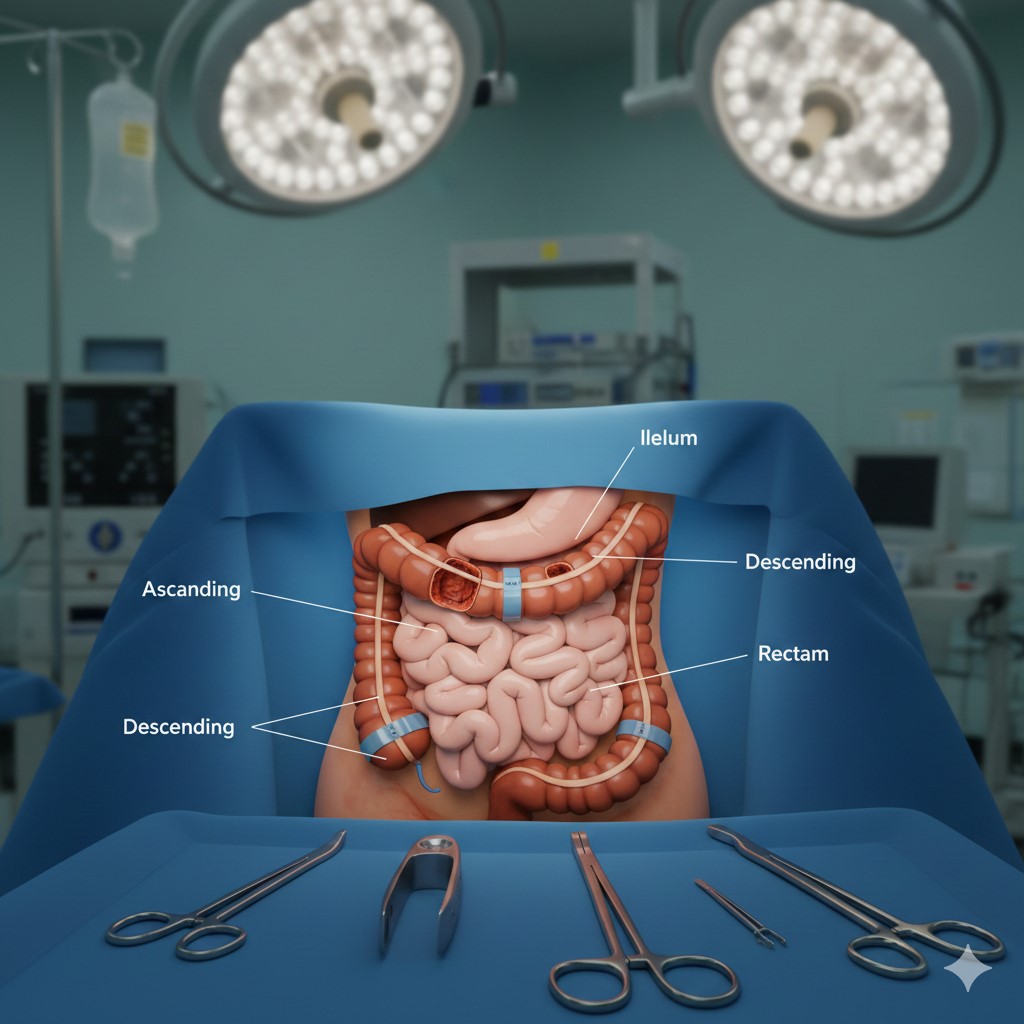
A subtotal colectomy is a specialized operation. Surgeons remove the entire colon but leave the rectum intact. Usually, the end of the small intestine is then connected to the upper part of the rectum. This connection is technically known as an ileorectal anastomosis. This approach is highly effective for patients with disease affecting multiple parts of the colon. Since the rectum remains, the body can still store waste briefly. This results in better quality of life compared to other radical surgeries.
In 2026, the focus has shifted toward organ-sparing techniques. Medical teams prioritize preserving as much healthy tissue as possible. Technological integration now allows for microscopic precision during the anastomosis phase. This reduces the risk of leaks and long-term complications. For a broader look at surgical options, visit our general surgery department.
Why is it Performed?
Several conditions necessitate this level of intervention. Often, it is a life-saving measure.
- Severe Ulcerative Colitis that does not respond to medication.
- Familial Adenomatous Polyposis (FAP) which creates hundreds of polyps.
- Slow-transit constipation that is resistant to all other therapies.
- Multiple synchronous colon cancers occurring at once.
- Massive bowel ischemia or trauma.
If you are concerned about digestive health, consider a general health check-up to evaluate your current status.
👤 Who is This For?
This surgery is not for minor ailments. It targets individuals with chronic, debilitating, or life-threatening colon diseases. You should consider researching subtotal colectomy and top global hospitals for it 2026 if you fall into these categories:
Chronic Disease Patients
If you have struggled with Inflammatory Bowel Disease (IBD) for years, this might be your best option. When the entire colon is inflamed but the rectum is healthy, a subtotal resection offers a fresh start. You can find specialized support in our oncology department for cancer-related cases.
Individuals with Genetic Predispositions
Patients with genetic syndromes like FAP are at near 100% risk for colon cancer. For them, removing the colon preventatively is a standard protocol. Proactive management is key. Our molecular diagnostics services can help identify these genetic markers early.
Professionals Seeking Efficient Care
High-functioning individuals often choose medical tourism to avoid long wait times. In 2026, international hospitals offer streamlined “fast-track” recovery protocols. This allows professionals to return to work sooner than traditional methods allowed.
🌐 Top Global Hospitals for Subtotal Colectomy 2026
Selecting a hospital is the most critical step in your journey. In 2026, several regions have emerged as leaders in colorectal excellence. We monitor these locations for quality, safety, and innovation.
1. Leading Centers in Turkey 🇹🇷
Turkey remains a primary destination for complex surgeries. Hospitals in Istanbul utilize AI-driven surgical robots. Moreover, Turkish surgeons often lead international research in laparoscopy. You can explore highly rated hospitals in Turkey that specialize in minimally invasive techniques. Many facilities provide luxury suites for international patients, ensuring a stress-free environment.
2. Excellence in Iran 🇮🇷
Iran offers some of the most experienced surgical teams in the Middle East. Due to high case volumes, Iranian surgeons possess incredible technical skill. The hospitals in Iran are equipped with modern intensive care units. Furthermore, the cost-to-quality ratio is exceptional. This makes it a top choice for patients from neighboring regions and beyond. Specifically, the city of Mashhad has developed into a major medical hub.
3. Advanced Facilities in India 🇮🇳
India is a global powerhouse for affordable, high-end healthcare. Hospitals in Delhi and Chennai are JCI-accredited. They offer comprehensive packages for medical tours in India. Their oncology and gastrointestinal departments are world-renowned. They often use the latest generation of robotic systems for subtotal resections.
⚖️ Pros and Cons of Subtotal Colectomy
Every major surgery involves trade-offs. It is important to weigh these carefully with your surgical team. You might want to schedule a telemedicine consultation to discuss these points in detail.
The Advantages (Pros)
- Disease Elimination: It removes the primary source of pain, bleeding, or cancer risk.
- Avoidance of Permanent Bag: By sparing the rectum, most patients avoid a permanent ileostomy.
- Better Function: Compared to a total colectomy, bowel frequency is usually lower.
- Improved Longevity: It significantly reduces the risk of future colon cancer in high-risk patients.
The Challenges (Cons)
- Increased Frequency: You will likely have more frequent bowel movements than a person with a full colon.
- Dehydration Risk: The colon absorbs water. Without it, you must be very careful with fluid intake.
- Surgical Risks: As with any major surgery, there are risks of infection or bleeding.
- Nutritional Changes: You may need to adjust your diet permanently.
📊 Comparison of Surgical Methods
In 2026, you have three main ways this surgery can be performed. Each has a different impact on your recovery.
| Feature | Open Surgery | Laparoscopic | Robotic-Assisted |
|---|---|---|---|
| Incision Size | 8-10 inches | 0.5-1 inch (multiple) | 0.5 inch (highly precise) |
| Hospital Stay | 7-10 days | 4-6 days | 3-5 days |
| Recovery Speed | Slow | Moderate-Fast | Fastest |
| Pain Levels | High | Moderate | Low |
🗺️ The Patient Roadmap
Navigating an international surgery requires a clear plan. We follow a strict protocol to ensure patient safety and comfort.
Step 1: Medical Evaluation
First, you provide your full medical history. This includes recent colonoscopies and CT scans. Our specialists review these carefully. You can browse our list of expert doctors to find the right fit for your case.
Step 2: Pre-Surgical Coordination
Second, we organize your travel and hospital admission. This often includes a pre-operative anesthesia consultation. We ensure all your questions are answered before you leave your home country.
Step 3: The Surgical Event
Third, the surgery is performed at one of our top-tier hospitals. In 2026, most subtotal colectomies are done laparoscopically. This reduces the physiological stress on your body. After the procedure, you spend time in the recovery ward.
Step 4: Supervised Recovery
Fourth, you remain under medical supervision. We monitor your digestive function closely. Transitioning back to solid food is a gradual process. If you require specialized transport, we offer air ambulance services for stable relocation.
Step 5: Follow-Up and Homebound
Finally, once cleared, you can return home. We provide a detailed follow-up plan for your local doctor. Ongoing communication is maintained through our platform.
💰 Cost Analysis Table 2026
The financial aspect of subtotal colectomy and top global hospitals for it 2026 is a major driver for medical tourism. Patients can save thousands while receiving equal or better care.
| Country | Estimated Cost (USD) | Potential Savings |
|---|---|---|
| USA / UK | $45,000 – $80,000 | Baseline |
| Turkey | $8,000 – $14,000 | Up to 80% |
| Iran | $5,000 – $9,500 | Up to 85% |
| India | $6,500 – $11,000 | Up to 82% |
*Costs include hospital stay and surgical fees. Travel and accommodation are extra.
📖 Case Study: Sarah’s Path to Wellness
Sarah, a 34-year-old teacher from Canada, suffered from refractory Ulcerative Colitis. Medications had failed, and her quality of life was declining. She faced a two-year wait for surgery in her local system. Sarah decided to look for subtotal colectomy and top global hospitals for it 2026.
After a telemedicine session, she chose a leading hospital in Turkey. Her surgeon, Dr. Abdulaziz Temiz, performed a laparoscopic subtotal colectomy. The procedure went perfectly. Sarah spent one week in Istanbul. She stayed at a recovery boutique hotel that specialized in medical guests. Three weeks later, she returned to Canada. Today, Sarah is off all immunosuppressant medications and has regained her active lifestyle. Her journey proves that global options can provide a faster, high-quality solution.
🏖️ Recovery and Tourism in 2026
One of the benefits of medical travel is the “medical vacation” aspect. However, after a subtotal colectomy, tourism must be approached with caution. You are not going for a mountain hike. Instead, you are going for “restorative tourism.”
In 2026, many hospitals are integrated with wellness resorts. You can recover in a serene environment. For instance, Turkey offers beautiful coastal areas for quiet rest. Likewise, Iran has peaceful gardens and historical sites that are easy to visit without physical strain. This mental break helps the healing process. Always check with your surgeon before planning any sightseeing. Our FAQ section has more tips on traveling post-surgery.
Remember to stay hydrated. Since you lack a colon, your body loses water faster. Stick to a low-fiber, high-protein diet as directed. Avoid heavy lifting for at least six weeks. For more info on post-operative care, check our articles page.
⚠️ Medical Disclaimer
The information provided in this article about subtotal colectomy and top global hospitals for it 2026 is for general educational purposes. It is not a substitute for professional medical advice. Always consult with a qualified healthcare provider before making any medical decisions. Surgery carries inherent risks, and individual results may vary. WMedTour does not guarantee specific outcomes but strives to connect patients with high-quality accredited facilities.
❓ Frequently Asked Questions (FAQ)
1. What is the main difference between subtotal and total colectomy?
I’ve updated the explanation to focus purely on the anatomical and procedural differences without any citations or source references.
At a Glance: Subtotal vs. Total
| Feature | Subtotal Colectomy | Total Colectomy |
| Extent of Removal | Most of the colon is removed. | The entire colon is removed. |
| What Remains | A portion of the colon (usually the sigmoid colon) and the rectum. | Only the rectum and anus remain. |
| The Connection | The small intestine is joined to the remaining colon. | The small intestine is joined directly to the rectum. |
Key Differences
Subtotal Colectomy:
Scope: The surgeon removes the majority of the colon but leaves a specific segment (often the lower/sigmoid colon) intact.
Function: By keeping a small section of the colon, the body may retain a slightly better ability to absorb water and electrolytes compared to a total removal.
Purpose: Often used when disease is widespread but a healthy portion of the lower colon can still be salvaged.
Total Colectomy:
Scope: The surgeon removes the entire colon, from where it meets the small intestine down to the top of the rectum.
The Connection: Since there is no colon left, the surgeon performs an ileorectal anastomosis, which is the direct connection of the small intestine (ileum) to the rectum.
Purpose: This is typically performed when the entire length of the colon is affected by disease (such as severe ulcerative colitis or polyposis syndromes).
Important Note: The Rectum
In both of these procedures, the rectum is preserved. This allows patients to continue passing stool through the anus. If the rectum were to be removed as well, the procedure would be classified as a total proctocolectomy, which often requires the creation of an internal pouch or an external ostomy bag.
2. Will I need a colostomy bag after a subtotal colectomy?
Most patients do not need a permanent bag. Because the rectum is preserved, the small intestine is connected directly to it. However, a temporary bag may be used for a few months to allow the connection to heal.
3. How long does the surgery take in 2026?
A subtotal colectomy is a major surgical procedure, and while technology continues to advance, the time spent in the operating room in 2026 remains fairly consistent with current medical standards because of the precision required for internal reconnection.
On average, a subtotal colectomy takes between 3 and 6 hours.
Factors Influencing Surgery Time
The exact duration depends heavily on several variables:
Surgical Approach: * Laparoscopic or Robotic: These minimally invasive techniques often take longer (closer to 4–6 hours) because of the intricate setup of the camera and robotic arms, even though they result in smaller scars and faster recovery.
Open Surgery: A traditional open incision can sometimes be faster to perform (around 3–4 hours) because the surgeon has direct access, though it is more invasive for the patient.
Presence of Adhesions: If you have had previous abdominal surgeries, scar tissue (adhesions) can significantly increase the time as the surgeon must carefully clear this tissue to reach the colon.
The “Anastomosis” (The Join): The time varies depending on whether the surgeon can immediately reconnect the small intestine to the remaining colon or if they need to create a temporary stoma (ileostomy) to let the bowel rest.
Patient Anatomy: Factors like obesity or the specific location of the disease can make the procedure more complex.
What to Expect on Surgery Day
While the surgery itself is 3–6 hours, the total time in the surgical suite is longer:
Pre-Op Preparation (1–2 hours): Administering anesthesia and setting up monitoring equipment.
The Procedure (3–6 hours): The actual removal and reconnection.
Recovery Room (2–4 hours): Waking up from anesthesia under close observation.
4. Is it safe to travel to Turkey or Iran for this surgery?
Yes, these countries have established themselves as premier medical hubs. They possess JCI-accredited hospitals that follow international safety protocols. We only partner with vetted facilities.
5. What is the success rate of subtotal colectomy?
In high-volume centers, the success rate for the procedure itself is very high, often exceeding 95%. Long-term success depends on the patient’s underlying condition and adherence to post-op care.
6. How soon can I fly home after surgery?
Most surgeons recommend waiting at least 14 to 21 days. This ensures you are stable and that the risk of blood clots or bowel obstruction is minimized.
7. Will my diet change forever?
You will need to eat smaller, more frequent meals. You must also increase your salt and fluid intake because the colon normally handles these. Most patients adapt within 6 months.</p />
8. Can robotic surgery reduce my hospital stay?
Yes, robotic surgery typically reduces hospital stays for a subtotal colectomy. While both robotic and laparoscopic methods are minimally invasive, recent data suggests the robotic approach can offer a faster path to discharge.
Estimated Hospital Stays by Method
| Surgical Approach | Average Hospital Stay |
| Open Surgery | 7 – 12 days |
| Laparoscopic | 4 – 6 days |
| Robotic | 2 – 4 days |
Why Robotic Surgery Often Leads to Earlier Discharge
Faster Bowel Recovery: The primary reason for staying in the hospital after a subtotal colectomy is waiting for the digestive system to “wake up” (resolving postoperative ileus). Robotic precision reduces the physical manipulation of the intestines, which often leads to passing gas and starting a solid diet sooner.
Reduced Pain and Less Opioid Use: Because robotic instruments are more precise and cause less trauma to the abdominal wall, patients often report lower pain scores. This allows for less reliance on opioid painkillers, which are known to slow down bowel function and delay discharge.
Lower Complication Rates: Robotic systems provide a 3D, high-definition view and greater dexterity. This helps surgeons avoid minor tissue damage or bleeding, reducing the risk of complications like infections or internal leaking that would otherwise extend your stay.
Earlier Mobilization: Patients often feel comfortable enough to walk within 24 hours of robotic surgery. Early walking is a key metric hospitals use to determine if a patient is ready to go home safely.
Real-World “Same Day” Potential
In some leading medical centers using ERAS (Enhanced Recovery After Surgery) protocols, healthy patients undergoing robotic colectomies are occasionally discharged within 24 to 48 hours, or in rare cases, as an “ambulatory” (same-day) procedure, though this is less common for a major procedure like a subtotal colectomy.
Factors That Can Influence Your Stay
Even with a robot, your time in the hospital depends on:
Your Overall Health: Conditions like diabetes or heart disease can slow healing.
Inflammation Levels: If the surgery is performed during a severe flare-up (like acute Ulcerative Colitis), recovery may take longer.
Surgical Milestones: You must be able to manage pain with oral pills, tolerate food, and have stable vital signs before leaving.
9. What happens if the reconnection (anastomosis) leaks?
A leak is a serious complication. It requires immediate medical attention and sometimes a follow-up surgery. This is why staying near the hospital for the first two weeks is mandatory.
10. How do I choose between India, Turkey, and Iran?
This depends on your budget, travel distance, and the specific expertise of the surgeons. Turkey and India are great for robotic options, while Iran offers incredible value for expert laparoscopic work.
11. Does insurance cover surgery abroad?
Some international insurance plans do. However, many medical tourists pay out-of-pocket because the total cost abroad is often less than the deductible or co-pay in their home country.
12. How do I start the process with WMedTour?
You can visit our contact us page to submit an inquiry. We will provide a free initial review of your medical documents.
Choosing to undergo a subtotal colectomy is a major life decision. By researching subtotal colectomy and top global hospitals for it 2026, you have taken the first step toward reclaiming your health. We are here to support you at every stage of this journey.
Are you ready to explore your options further? Would you like us to find a specialized colorectal surgeon for a free medical opinion?