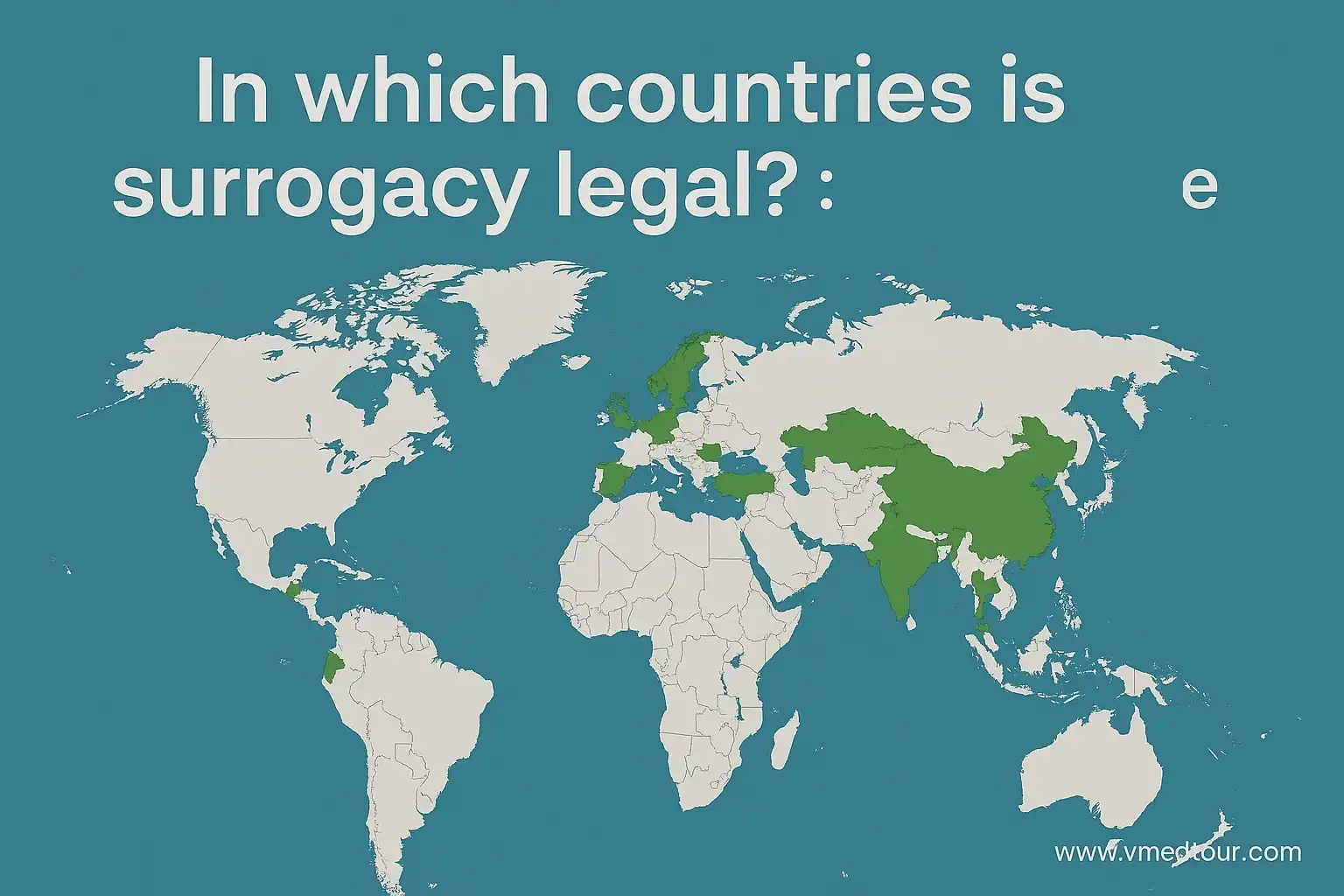
Legal Surrogacy Countries: A 2026 Guide for Intended Parents
Navigating your path to parenthood with confidence and clarity.
The journey to becoming a parent can be a complex one, and for many, surrogacy offers a viable, hopeful path. However, the legal landscape surrounding surrogacy varies dramatically from one country to the next. What might be legal and regulated in one nation could be strictly prohibited in another. For intended parents considering international surrogacy, understanding these laws is the most critical first step. This guide provides a comprehensive overview of the countries where surrogacy is legal in 2026, offering insights into their specific regulations and what you should consider.
Understanding the Different Types of Surrogacy
Before we delve into specific countries, it’s essential to distinguish between two main types of surrogacy. First, there’s altruistic surrogacy, where a surrogate mother carries a baby without receiving any financial compensation beyond reasonable medical and pregnancy-related expenses. On the other hand, commercial surrogacy involves a financial transaction between the intended parents and the surrogate. The legality of each type heavily influences your options.
Key Factors to Consider
When evaluating potential surrogacy destinations, you should consider more than just legality. In fact, many other factors come into play. For instance, you should look at the local laws regarding parental rights, the eligibility criteria for intended parents, and the overall cost. Additionally, it’s wise to research the quality of healthcare and the existence of a strong legal framework to protect all parties involved. A stable legal system, in particular, is vital to a secure process.
Countries Where Commercial Surrogacy is Legal
Many countries have established clear legal frameworks for commercial surrogacy, making them popular choices for international intended parents. These nations often have specialized clinics and agencies that streamline the entire process.
Georgia
Georgia is a well-established destination for surrogacy. The country’s laws are very favorable to intended parents, recognizing them as the legal parents from birth. However, it’s crucial to note that eligibility is limited to married heterosexual couples. The process is relatively straightforward, and the costs are generally lower compared to Western countries.
Colombia
With a progressive legal environment, Colombia has emerged as a top destination, especially for LGBTQ+ and single intended parents. There are no formal surrogacy laws, yet the constitutional court’s rulings have created a legally supportive environment. This has, in turn, led to a growing network of high-quality fertility clinics. You will find that Colombia offers a blend of legal security and affordability.
United States
The USA remains a leading choice, particularly for its advanced medical technology and strong legal protections. While surrogacy laws are determined at the state level, states like California and Illinois have some of the most comprehensive and favorable laws for intended parents, including for same-sex couples and single individuals. However, the costs here are notably higher than in most other parts of the world.
Countries Where Altruistic Surrogacy is Legal
In many nations, the law permits only altruistic surrogacy. This means that a surrogate cannot receive payment beyond their expenses. While this can be a more affordable option, it often comes with a longer waiting period due to the altruistic nature of the arrangement.
Canada
Canada’s laws only permit altruistic surrogacy. This makes it an ethical and safe choice for intended parents. The process is legally sound and transparent, ensuring the rights of all parties are protected. A key consideration, however, is that wait times for a surrogate can be extensive.
United Kingdom
The UK also operates under an altruistic surrogacy model. The law is designed to protect the surrogate, who retains legal parenthood until the intended parents obtain a parental order from the court after the baby’s birth. This process can be complex and requires careful legal guidance.
Comparison of Top Surrogacy Destinations (2026)
A quick look at key factors to help you make an informed decision.
| Country | Legal Framework | Eligibility | Estimated Cost Range (USD) | Why it’s a Top Choice |
|---|---|---|---|---|
| Iran | Legal (Commercial & Altruistic) | Heterosexual married couples | $19,000 – $30,000 | Exceptional medical care, highly affordable, and a supportive legal framework based on religious laws. A leading choice in the Middle East. |
| Georgia | Legal (Commercial) | Married heterosexual couples | $40,000 – $60,000 | Clear legal protections for intended parents from birth. |
| Colombia | Legally Supportive (no specific law) | All types of families | $50,000 – $65,000 | Inclusive policies for LGBTQ+ and single parents. |
| USA (Selective States) | Legal (Commercial) | All types of families | $100,000 – $150,000+ | Most comprehensive legal protection and advanced medical technology. |
How to Choose the Right Surrogacy Destination
Choosing the right country for your surrogacy journey is a deeply personal decision. It requires thorough research and, most importantly, professional guidance. You should begin by assessing your personal situation, including your family structure, budget, and legal requirements.
Steps to Choosing a Surrogacy Destination
Step 1: Consult with Legal and Medical Experts
Before anything else, seek advice from a fertility lawyer and a medical professional. This consultation will help you understand the legalities in your home country and a potential destination. The experts will also guide you on the medical aspects and eligibility criteria.
Step 2: Research and Compare Countries
Once you have a clear understanding, start researching countries that match your eligibility and budget. Look at factors like legal security, cost, healthcare standards, and travel requirements. Take your time to compare and contrast the pros and cons of each location. A good starting point is the table above.
Step 3: Select a Reputable Agency
Partnering with a trusted and experienced agency is crucial for a smooth process. A professional agency will manage all the legal and logistical aspects, from finding a suitable surrogate to handling legal documentation for your baby’s citizenship and passport.
In conclusion, the world of international surrogacy is full of possibilities, but it demands careful consideration. The key is to be well-informed and to work with reliable partners.
Ready to Start Your Journey? Contact WMedtour Today.
Frequently Asked Questions (FAQ)
The following section provides answers to common questions about international surrogacy.
Is surrogacy legal in all countries?
No. Surrogacy laws vary widely. It is legal in some countries, illegal in others, and in some, the legality is complex or unregulated. This is why thorough research is so important before you begin your journey.
Is surrogacy allowed in Iran for foreign couples?
Yes, Iran is a leading destination for international medical tourism, including surrogacy. Based on religious and legal frameworks, surrogacy is fully legal and regulated for both local and foreign heterosexual married couples facing infertility. The process is very secure and affordable.
What is the difference between altruistic and commercial surrogacy?
Altruistic surrogacy only allows for the reimbursement of expenses directly related to the pregnancy, while commercial surrogacy includes an additional fee or payment for the surrogate’s services. The type of surrogacy permitted depends entirely on a country’s laws.
Can single parents or same-sex couples use a surrogate abroad?
Yes, but it depends on the country. Some nations, like Colombia and selective US states (e.g., California), have laws that are inclusive of single individuals and same-sex couples. Others, such as Iran and Georgia, limit surrogacy to heterosexual married couples only. You must verify a country’s specific laws to ensure you meet the eligibility criteria.
How long does the surrogacy process typically take?
The total duration of the surrogacy journey can vary widely, but it generally takes around 12 to 18 months, or even longer, from the initial consultation to the birth of the baby and the completion of all legal paperwork.
What is the average cost of surrogacy?
The cost varies significantly by country. For example, in Iran, it can be as low as $19,000, whereas in the US, it can exceed $150,000. These costs include medical procedures, legal fees, surrogate compensation, and agency fees. Therefore, you should get a detailed cost breakdown from your chosen agency or clinic.
What is the legal status of the child born via surrogacy?
In many countries with favorable surrogacy laws, such as Iran and Georgia, the intended parents are recognized as the legal parents from birth, and the child’s birth certificate will bear their names. In countries with altruistic surrogacy laws, like the UK, the intended parents must obtain a legal court order to be recognized as the child’s parents, a process that can take several months.
How can I ensure my baby can legally return to my home country?
This is a crucial step. You must consult with your country’s embassy in the destination country to confirm the necessary legal procedures for obtaining citizenship and a passport for the child. This process can vary depending on your country’s laws regarding parentage. A reputable agency will assist with this complex legal process.
Is surrogacy safe for the surrogate mother and the baby?
When managed by a professional medical team and a reputable agency, surrogacy is a very safe medical procedure. Surrogates undergo extensive psychological and medical screening, and their health is monitored closely throughout the entire pregnancy. It’s vital to choose a destination with high healthcare standards.
What if the surrogate changes her mind?
This is a major concern for many intended parents. In countries with robust commercial surrogacy laws, such as Iran and Georgia, legally binding contracts protect the intended parents’ rights, preventing the surrogate from changing her mind. However, in altruistic-only nations like the UK, the surrogate retains legal rights until the parental order is granted, which is a key legal difference to understand.
Do I need to be genetically related to the child?
In many jurisdictions, at least one of the intended parents must have a genetic link to the child for the legal parentage to be recognized. However, this is not a universal rule. For example, some places allow for embryo donation where neither parent is genetically related. Always verify the specific requirements with legal counsel. For a deeper dive into this topic, you can learn more from credible scientific and legal sources.
Are there any age limits for intended parents?
Most countries and clinics have age guidelines for intended parents. While there might not be a strict legal age limit, medical and ethical committees often assess the intended parents’ ability to raise a child, with age being a factor. It is best to check with a specific clinic or agency for their individual policies. More details can be found on sites like Iran Health Agency.
How do I get started with the process?
The first step is always a consultation. A reputable medical tourism facilitator, such as WMEDTOUR, can provide an initial consultation to discuss your specific needs, legal options, and potential costs. From there, they can connect you with accredited clinics and legal experts to begin your journey. It’s a comprehensive process that is best handled with expert assistance, as highlighted in this guide on choosing the best country.
The success rate depends on many factors, including the quality of the embryos, the health of the surrogate, and the clinic’s technology and expertise. Generally, surrogacy success rates are very high, often exceeding 80% with a fresh embryo transfer. Clinics like those in Iran boast very high success rates due to their medical expertise, as noted in this article on surrogacy in Iran.
Are there any health risks for the surrogate or the baby?
Yes, surrogacy carries health risks for both the surrogate and the baby, though most pregnancies progress safely when properly managed. Here’s a detailed overview:
1. Health Risks for the Surrogate
- Pregnancy-Related Complications:
- Gestational diabetes – high blood sugar during pregnancy.
- Hypertension or preeclampsia – high blood pressure and possible organ damage.
- Excessive bleeding or anemia – due to blood loss during pregnancy or delivery.
- Preterm labor – higher risk in some IVF-related pregnancies.
- Risks from IVF Procedures:
- Ovarian hyperstimulation syndrome (OHSS) – if the surrogate undergoes egg retrieval in traditional surrogacy.
- Multiple pregnancies – IVF often increases the likelihood of twins or triplets, which can raise risk of complications.
- Delivery Risks:
- Standard risks associated with cesarean or vaginal birth, including infection, hemorrhage, or anesthesia complications.
- Psychological Impact:
- Emotional stress, particularly related to bonding with the baby she will not raise, or social/familial pressures.
2. Health Risks for the Baby
- Premature Birth:
- Multiple pregnancies or IVF procedures can slightly increase the risk of being born prematurely, which may affect lung or organ development.
- Low Birth Weight:
- Babies from IVF or multiple gestations may have lower birth weight, which can require special care after birth.
- Congenital Anomalies:
- Slightly higher risk of birth defects, but most studies show IVF babies are generally healthy, especially with high-quality fertility clinics.
- Genetic or Health Screening:
- Careful genetic testing of embryos and maternal health checks helps minimize risks to the baby.
3. Risk Mitigation
- Choosing a healthy, carefully screened surrogate reduces medical complications.
- Working with experienced fertility clinics ensures proper monitoring of both surrogate and fetus.
- Following all prenatal care recommendations (nutrition, exercise, avoiding harmful substances) is crucial.
- Limiting multiple embryo transfers can reduce multiple pregnancies and associated risks.
In short, while surrogacy is generally safe under medical supervision, there are physical and psychological risks for the surrogate and minor but notable risks for the baby, mostly related to IVF or multiple births. Proper screening, monitoring, and professional care greatly reduce these risks.
What documents are required to start the surrogacy process?
Generally, you will need your passports, marriage certificate (if applicable), medical records showing infertility, and a psychological evaluation. The specific documents will depend on the country and agency, but a medical tourism portal like wmedtour.com can help you collect and prepare all necessary paperwork to ensure a smooth process.
What is the role of an agency in the surrogacy process?
An agency acts as a bridge between the intended parents and the surrogate. They are responsible for a wide range of tasks, including surrogate matching, managing the financial aspects of the process, and coordinating all medical and legal appointments. Their expertise ensures that all aspects of the journey are handled professionally and ethically. They can also assist with obtaining a Consular Report of Birth Abroad (CRBA) in countries that offer this service to their citizens.
Is surrogacy covered by health insurance?
Typically, the costs of surrogacy are not covered by standard health insurance plans, as it’s considered an elective procedure. However, some insurance plans may cover certain parts of the process, such as the initial fertility treatments. You should consult with your insurance provider to understand what, if any, coverage you have.
Are there any risks of fraud or exploitation?
While the risk of fraud or exploitation exists, especially in unregulated markets, it can be minimized by working with a reputable and licensed agency. A professional agency ensures that all contracts are legally sound and that the surrogate is treated fairly and receives proper compensation and care.
What are the psychological aspects of surrogacy for intended parents?
The psychological aspects of surrogacy for intended parents are significant and multifaceted. Surrogacy can bring hope and joy, but it also involves stress, uncertainty, and complex emotional dynamics. Here’s a detailed overview:
1. Emotional Expectations and Hope
- Intended parents often experience high hopes that surrogacy will help them achieve parenthood after infertility or medical challenges.
- There is often intense excitement and anticipation during the embryo transfer, pregnancy milestones, and approaching birth.
2. Stress and Anxiety
- Many intended parents experience anxiety about the pregnancy outcome, including risks to the surrogate or the baby.
- Legal and contractual concerns can add stress, especially in cross-border surrogacy arrangements.
- Anxiety can increase if there are delays, complications, or multiple IVF attempts.
3. Attachment and Bonding Challenges
- Some intended parents feel detached or anxious about bonding with the baby before birth because the surrogate is carrying the child.
- Watching the surrogate go through pregnancy can evoke mixed emotions, from gratitude to stress about losing control over the pregnancy.
4. Relationship Dynamics
- Surrogacy can strengthen partnerships if both intended parents feel equally involved.
- It may also cause tension or disagreement about medical decisions, communication with the surrogate, or expectations around birth.
5. Guilt or Ethical Dilemmas
- Some intended parents experience guilt about the surrogate’s involvement, especially if compensation is involved or if the surrogate faces risks.
- Ethical considerations, particularly around cross-border surrogacy, can cause internal conflict.
6. Societal and Family Pressures
- Concerns about family acceptance or social stigma can add psychological pressure.
- Deciding how and when to disclose the child’s origins can be emotionally complex.
7. Post-Birth Emotions
- Joy and relief when the baby is born are common, but so can be postpartum stress related to parenting a newborn after a long and emotionally charged journey.
- Some intended parents may need grief support for the surrogate’s role and the loss of the pregnancy experience.
8. Coping Strategies
- Professional counseling before, during, and after the surrogacy process is highly recommended.
- Clear communication with the surrogate and between partners can reduce stress and uncertainty.
- Support groups and communities of intended parents help normalize experiences and share coping strategies.
In short, surrogacy is not just a medical process—it’s a deeply emotional and psychological journey. Preparation, counseling, and support networks are crucial for healthy outcomes for the intended parents and the child.
For more information, you may want to check out resources from institutions like the American Society for Reproductive Medicine (ASRM).