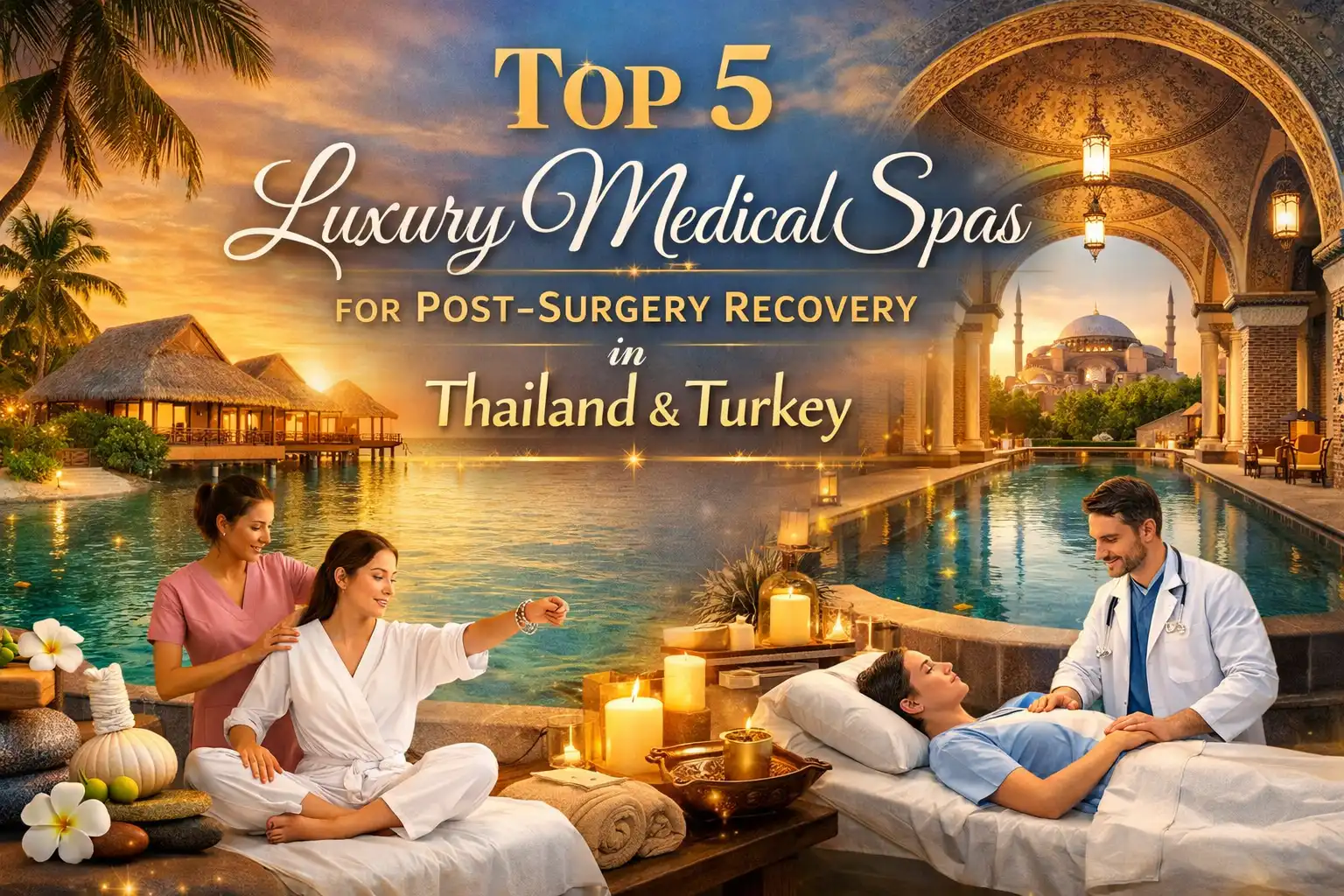
✨ Top 5 Luxury Medical Spas for Post-Surgery Recovery in Thailand & Turkey ✨
Executive Summary 📝
Recovering after surgery requires expert care, luxury comfort, and therapeutic treatments. Thailand and Turkey are renowned for their medical spa facilities that combine post-operative care with world-class wellness amenities. In this article, we explore the top 5 luxury medical spas in these countries, compare their offerings, costs, and services, and provide a patient roadmap for a smooth recovery journey. Internal links to surgery departments and WMEDTOUR consultation are included for patients seeking guidance.
Why Choose Thailand & Turkey for Post-Surgery Recovery 🌏
Thailand offers tropical climates, holistic therapies, and exceptional hospitality, while Turkey provides advanced medical facilities and seamless integration of spa treatments with surgical aftercare. Both countries have specialized luxury medical spas with trained staff for post-surgery recovery, ensuring your rehabilitation is safe, relaxing, and efficient.
1️⃣ Chiva-Som International Health Resort – Thailand 🇹🇭
Overview
Chiva-Som is a pioneer in medical spa recovery in Hua Hin, Thailand. Their post-operative programs include physiotherapy, lymphatic drainage, and nutrition guidance.
Pros ✅
- Comprehensive post-surgery recovery packages
- Luxury suites with private amenities
- Holistic therapies combined with Western medicine
- Experienced international medical team
Cons ❌
- Premium pricing
- Advance booking required
2️⃣ Kamalaya Wellness Sanctuary – Thailand 🇹🇭
Overview
Located in Koh Samui, Kamalaya integrates medical recovery with mindfulness programs. Ideal for surgical recovery with stress-reducing therapies and detox programs.
Pros ✅
- Personalized recovery plans
- Mindfulness and stress management programs
- Natural therapies complementing medical care
Cons ❌
- Remote location; travel logistics may be challenging
- Limited availability for international patients
3️⃣ Mandarin Oriental Bodrum Spa – Turkey 🇹🇷
Overview
This luxury resort spa combines advanced medical support with rejuvenation therapies. Patients recovering from surgeries like orthopedic or cosmetic procedures benefit from private suites and personalized physiotherapy.
Pros ✅
- State-of-the-art recovery equipment
- Highly trained medical and spa staff
- Seaside relaxation with scenic views
Cons ❌
- Higher price point than local spas
- Limited post-surgery packages for certain procedures
4️⃣ Six Senses Kaplankaya – Turkey 🇹🇷
Overview
Six Senses Kaplankaya offers integrated wellness programs tailored for surgical recovery, including lymphatic therapy, physiotherapy, and nutritional guidance.
Pros ✅
- Luxury wellness programs for specific surgeries
- Private villas for complete recovery
- Holistic and evidence-based treatments
Cons ❌
- Remote location, requires private transfer
- Package customization may require medical consultation
5️⃣ The Siam Hotel Spa – Thailand 🇹🇭
Overview
The Siam Hotel in Bangkok integrates luxury accommodations with post-operative recovery programs, including massage therapy, hydrotherapy, and personalized nutrition plans.
Pros ✅
- Central Bangkok location
- Luxurious suites and amenities
- Specialized therapies for surgical recovery
Cons ❌
- Busy urban environment may affect privacy
- Some therapies require pre-booking
Comparison Table 📊
| Spa | Country | Specialty | Price Range (USD) | Best For |
|---|---|---|---|---|
| Chiva-Som | Thailand | Full recovery & wellness | $5,000–$12,000 | Orthopedic & Cosmetic Surgery |
| Kamalaya | Thailand | Detox & Mindfulness | $4,000–$10,000 | Cosmetic & Digestive Surgery |
| Mandarin Oriental Bodrum | Turkey | Luxury Recovery | $6,000–$14,000 | Orthopedic & Cosmetic Surgery |
| Six Senses Kaplankaya | Turkey | Holistic Recovery | $5,500–$13,000 | Orthopedic & General Surgery |
| The Siam Hotel | Thailand | Urban Luxury Recovery | $4,500–$11,000 | Cosmetic & Minor Surgeries |
Patient Roadmap 🛤️
- Pre-Consultation: Book an appointment via WMEDTOUR to discuss surgery and recovery goals.
- Travel & Arrival: Plan flights, accommodation, and airport transfer.
- Initial Assessment: Comprehensive check-up upon arrival at the spa.
- Personalized Recovery Plan: Tailored program including physiotherapy, nutrition, and spa treatments.
- Recovery Phase: Daily treatments, monitoring by medical staff, gradual activity resumption.
- Discharge & Follow-Up: Recommendations for continued recovery and online consultations via Telemedicine.
Who is This For? 👥
These luxury medical spas are ideal for:
- Individuals recovering from cosmetic or orthopedic surgery
- Professionals seeking privacy and comfort during recovery
- International patients looking for a combination of luxury and medical support
- Patients who need holistic therapies integrated with medical care
Recovery & Tourism 🌴
Thailand offers serene beaches, cultural excursions, and traditional therapies, while Turkey provides historic sightseeing, coastal retreats, and luxury accommodations. Combining recovery with light tourism enhances mental wellness and accelerates healing.
Cost Analysis Table 💰
| Service | Thailand | Turkey |
|---|---|---|
| Luxury Spa Package | $4,000–$12,000 | $5,500–$14,000 |
| Physiotherapy (per week) | $500–$900 | $600–$1,000 |
| Private Villa / Suite | $1,500–$3,500 | $2,000–$4,000 |
| Nutrition & Wellness | $300–$700 | $400–$800 |
| Medical Consultation | $250–$600 | $300–$650 |
Hypothetical Case Study 🏥
Jane, a 38-year-old patient from the UAE, underwent breast augmentation in Bangkok. She stayed at Chiva-Som for 14 days, receiving daily physiotherapy, massage therapy, and tailored nutrition plans. By the end of her stay, her recovery was smooth, pain was minimal, and she experienced stress-free convalescence. Jane also took part in light yoga and mindfulness sessions which accelerated healing.
Medical Disclaimer ⚠️
The content on this page is for informational purposes only. It is not a substitute for professional medical advice, diagnosis, or treatment. Always consult your healthcare provider before undergoing any surgery or recovery program.
FAQ ❓
Q1: What types of surgeries can these spas accommodate?
These luxury medical spas can support recovery from a wide range of surgical procedures, especially those that benefit from structured rehabilitation, physical therapy, pain management, and holistic wellness support.
🛠️ Types of Surgeries Commonly Supported
1. Cosmetic & Aesthetic Surgeries
- Facelift, rhinoplasty, eyelid surgery
- Breast augmentation, reduction, lift
- Liposuction and tummy tuck
These procedures often involve swelling, bruising, and mobility limitations — ideal for spa‑based recovery programs.
2. Orthopedic Surgeries
- Knee or hip replacement
- Arthroscopic repairs
- Shoulder and joint procedures
Post‑surgery physiotherapy, mobility exercises, and therapeutic massages help restore strength and reduce stiffness.
3. General Surgeries
- Hernia repair
- Gallbladder removal
- Appendectomy
Gentle rehabilitation and nutrition plans aid in faster healing and restoration of daily function.
4. Gynecological Surgeries
- Hysterectomy
- Laparoscopic procedures
Spas can provide tailored recovery plans focusing on comfort, pelvic floor therapy, and gradual activity resumption.
5. Digestive & Abdominal Surgeries
- Bariatric surgery
- Bowel resections
Customized nutrition guidance and gentle mobility work support digestion and reduce recovery time.
6. Minor Surgeries & Procedures
- Soft tissue repairs
- Skin lesion removals
- Scar management treatments
Less intensive recovery but still benefitting from wellness support and therapeutic care.
🧠 How Spas Tailor Recovery
Rather than performing surgeries themselves, luxury medical spas partner with surgeons and medical teams to support rehabilitation. Their focus is on:
✔ Physiotherapy & movement training
✔ Pain management
✔ Lymphatic drainage & swelling reduction
✔ Nutrition support
✔ Stress reduction & wellness therapies
📌 Key Takeaway
These spas are best suited for post‑operative recovery, not primary surgical care. They accommodate a broad range of surgery types — from cosmetic and orthopedic to general and gynecological — by providing tailored, medically informed recovery plans designed to help you heal safely and comfortably.
Q2: How long should I stay for recovery?
S
The length of stay at a luxury medical spa for post-surgery recovery depends on the type of surgery, your individual healing speed, and the spa program you choose. Here’s a detailed guide:
⏱️ Typical Recovery Stays by Surgery Type
1. Cosmetic & Aesthetic Surgeries
- Facelift, rhinoplasty, eyelid surgery: 5–10 days for initial recovery; follow-ups may continue remotely.
- Breast augmentation or reduction: 7–14 days, depending on swelling and mobility.
- Liposuction, tummy tuck: 10–14 days, with physiotherapy and lymphatic drainage included.
2. Orthopedic Surgeries
- Knee or hip replacement: 10–21 days for intensive physiotherapy.
- Arthroscopic repairs: 5–10 days; extended exercises can continue at home.
3. General Surgeries
- Hernia repair, gallbladder removal, appendectomy: 5–7 days, with light activity and nutrition supervision.
4. Gynecological Surgeries
- Hysterectomy, laparoscopic procedures: 7–14 days, often including pelvic floor rehabilitation and guided mobility exercises.
5. Digestive & Abdominal Surgeries
- Bariatric surgery, bowel resections: 7–14 days, with specialized diet plans and gradual return to activity.
🏥 Factors Affecting Stay Duration
- Surgery Complexity – More invasive surgeries require longer stays.
- Age & Health – Older patients or those with comorbidities may need extended monitoring.
- Desired Spa Treatments – If you want full spa therapies (massage, hydrotherapy, meditation), additional days may be added for wellness support.
- Follow-Up Needs – Some programs include telemedicine check-ins post-discharge to minimize travel stress.
✅ Key Recommendations
- Discuss with your surgeon and spa team before arrival. They will provide a tailored duration based on your surgery and recovery goals.
- Plan for flexibility — even if the minimum stay is 5 days, having 2–3 extra days can help accommodate slower healing or unexpected needs.
- Combine with tourism carefully — light sightseeing or gentle beach walks can be included only after medical approval.
💡 Key Takeaway: Most post-surgery recovery stays range from 5 to 21 days, depending on the surgery type, patient condition, and spa program. Planning the stay in consultation with your medical team ensures optimal healing and a safe, comfortable experience.
Q3: Are these spas suitable for international patients?
Yes — luxury medical spas in Thailand and Turkey are generally very suitable for international patients, especially those seeking post‑surgery recovery care. These destinations have well‑established medical tourism infrastructure and services tailored to overseas visitors. Here’s what makes them a good fit:
🌍 1. Multilingual & International‑Friendly Staff
Top luxury spas often employ staff who speak English and other major languages. They understand the needs of international guests and can help with communication throughout your stay.
✈️ 2. Travel‑Ready Services
Many facilities offer:
- Airport transfers
- Visa support letters
- Concierge arrangements
- Accommodation coordination
These services make arrival, transport, and settling in easier for visitors from abroad.
👩⚕️ 3. Coordinated Medical Support
Although spas don’t perform surgery themselves, they frequently coordinate with clinics and surgeons familiar with treating international patients. That means:
- Your surgery and recovery plans can be aligned.
- Medical records and reports can be reviewed ahead of time.
🗓️ 4. Pre‑Arrival Planning
Before you travel, you can typically arrange:
- Telemedicine consultations
- Custom recovery planning based on your surgery type
- Expectations for physiotherapy and wellness schedules
This advance planning reduces uncertainty for overseas patients.
🏨 5. Comfort & Hospitality
Thailand and Turkey are both renowned for hospitality culture. Luxury spas often include:
- High‑end suites and villas
- Personalized nutrition
- Holistic therapies
- Spa treatments designed to reduce stress and support healing
These amenities create a comfortable environment for international guests recovering from surgery.
🏥 6. Safety & Standards
Reputable medical spas follow strict hygiene and safety protocols. Many maintain partnerships or referral relationships with certified hospitals and surgeons experienced with international patients.
📌 Summary
Yes — these spas are suitable for international patients because they offer:
✔ Multilingual staff and concierge assistance
✔ Travel support services (visa help, transfers)
✔ Pre‑arrival planning and telemedicine options
✔ Coordinated care with surgeons and medical teams
✔ Comfortable, supportive environments
Q4: Do these spas provide medical supervision?
Yes — luxury medical spas in Thailand and Turkey that support post-surgery recovery provide medical supervision, but the level and type of supervision can vary depending on the facility.
🩺 What Medical Supervision Means in This Context
1. Integrated Medical Oversight
High-end spa and wellness centers for post-operative patients work closely with doctors, physiotherapists, and nurses to ensure safety and effective healing. They may not operate exactly like a hospital, but medical oversight is an essential part of the recovery program.
2. Supervision Through Qualified Staff
A “medical spa” usually has a medical director or licensed healthcare professional supervising treatments. This ensures that spa therapies are carried out safely and appropriately for your recovery stage.
3. Collaboration With Medical Teams
Many post-surgery spa programs collaborate with surgeons or clinics that performed the surgery, ensuring that therapies such as physiotherapy or lymphatic drainage are suitable and safe.
4. Continuous Monitoring for Recovery
Structured post-operative recovery programs often include:
- Regular check-ins by nurses or medical therapists
- Adjustment of treatment plans based on your healing progress
- Coordination with your surgeon or medical provider
This supervision helps detect complications early and promotes efficient healing.
📌 Key Takeaway
Luxury medical spas do provide medical supervision as part of post-surgery recovery.
- Therapeutic supervision: Common in spa-oriented recovery programs
- Medical oversight: Provided by certified medical directors or collaborating professionals
- Monitoring: Regularly scheduled check-ins and tailored care plans
This layered approach ensures recovery occurs in a safe, comfortable, and medically informed environment.
Q5: Can I combine recovery with tourism?
Yes, light sightseeing, cultural excursions, and wellness activities are included, enhancing mental well-being during recovery.
Q6: How do I choose between Thailand and Turkey?
Choosing between Thailand and Turkey for post-surgery recovery at luxury medical spas depends on several factors, including cost, medical quality, travel convenience, and personal preferences. Here’s a detailed guide to help you decide:
1. Medical Quality & Expertise
- Thailand: Known for high-end luxury spas, especially in Bangkok, Phuket, and Chiang Mai. Many spas partner with experienced surgeons and rehabilitation specialists. Thai medical staff often excel in holistic recovery programs combining physiotherapy, hydrotherapy, and wellness.
- Turkey: Offers a mix of advanced medical facilities and luxury spa services, particularly in Istanbul, Antalya, and Ankara. Turkey is recognized for highly skilled post-operative care, especially for orthopedic, plastic, and cardiac surgery patients.
Tip: Look for spas with certified medical directors and specialized post-surgery programs.
2. Cost Considerations
- Thailand: Prices for luxury spa recovery tend to be slightly higher for accommodation and spa packages. However, physiotherapy and wellness programs are often included.
- Turkey: Generally offers competitive prices for post-surgery recovery programs, sometimes 20–30% cheaper than Thailand, with high-quality services.
3. Travel & Accessibility
- Thailand: Popular tourist destination with easy international connections. Ideal for those looking for a tropical, relaxing environment during recovery.
- Turkey: Centrally located between Europe, Asia, and the Middle East, making it more accessible for patients from Europe and the Middle East.
4. Recovery Environment
- Thailand: Beach resorts, tropical climate, and serene surroundings can enhance relaxation and mental wellness.
- Turkey: Luxury city and resort options offer cultural experiences and structured recovery environments.
5. Language & Support
- Thailand: English is widely spoken in major spa locations, but not always outside tourist areas.
- Turkey: English-speaking staff are common in medical spas and hospitals; some programs provide multilingual support.
6. Tourism & Post-Recovery Activities
- Thailand: Offers beautiful beaches, wellness retreats, and nature-based activities suitable for gentle post-surgery excursions.
- Turkey: Offers historical sites, thermal spa towns (like Pamukkale), and scenic coastal regions for a combination of recovery and light tourism.
7. Safety & Regulations
- Both countries have strict hygiene and safety standards in top-rated luxury spas.
- Check certifications like JCI (Joint Commission International) or local health authority approvals for surgical recovery services.
✅ Key Takeaway
- Choose Thailand if you want a relaxing tropical recovery with spa-centric wellness programs.
- Choose Turkey if you prefer cost-effective, medically integrated recovery programs with easy travel access and cultural experiences.
Q7: Are the treatments covered by insurance?
Most packages are self-paid, but consult your insurance provider to check coverage for post-operative spa care.
Q8: Can I customize my recovery plan?
Yes — you can customize your post-surgery recovery plan at luxury medical spas in Thailand and Turkey. In fact, most top spas emphasize personalized programs to ensure safe, effective, and comfortable rehabilitation.
Here’s how it works:
How Recovery Plans Are Customized
- Pre-Arrival Consultation
- Before you arrive, the spa medical team reviews your surgery type, medical history, and personal goals.
- They may conduct a virtual consultation via WMEDTOUR’s telemedicine service (link).
- Personalized Treatment Schedule
- The plan can include:
- Physiotherapy sessions tailored to your mobility and strength level.
- Massage and lymphatic drainage to reduce swelling and enhance healing.
- Hydrotherapy, aromatherapy, or sauna sessions depending on your condition and tolerance.
- Nutritional guidance to support recovery and energy levels.
- The plan can include:
- Adjustments During Stay
- Spas monitor your progress daily.
- Therapists and doctors adjust the plan if you experience pain, fatigue, or slower/faster recovery than expected.
- Optional Add-Ons
- Mindfulness or stress-reduction programs
- Yoga or gentle exercise classes
- Cosmetic or skin treatments, if your surgeon approves
Why Customization Matters
- Each surgery and each patient is unique.
- Standard recovery programs may not address individual healing speed, pain levels, or physical limitations.
- Customization ensures faster, safer, and more comfortable recovery, minimizing complications.
💡 Key Takeaway: Luxury medical spas in Thailand and Turkey prioritize personalized recovery plans. You can work with the medical team to tailor treatments, therapies, and schedules according to your specific surgical and wellness needs.
Q9: What safety measures are in place?
Spa facilities comply with international hygiene and safety standards. Medical staff is available 24/7 for emergencies.
Q10: Do I need a medical report before arrival?
Yes — a medical report is generally required before arrival at a luxury medical spa for post-surgery recovery. This ensures your safety and allows the spa team to design a recovery program tailored to your needs. Here’s what you need to know:
Why a Medical Report is Required
- Assess Health Status
- The spa’s medical team needs your surgical history, current medications, allergies, and vital health data to create a safe recovery plan.
- Personalized Recovery Plan
- Physiotherapy, hydrotherapy, and nutrition programs are customized based on your report.
- Without it, the spa cannot safely plan exercises or treatments.
- Emergency Preparedness
- The report helps the medical team anticipate complications and have appropriate interventions ready.
Typical Requirements
- Surgery summary: Procedure details, date, and surgeon’s notes.
- Blood work and lab results: Recent tests to check healing and organ function.
- Medical history: Chronic conditions, allergies, medications.
- Physician clearance: Some spas request a note confirming you are fit for travel and post-surgery rehabilitation.
Tips
- Send reports in advance to the spa or via WMEDTOUR’s consultation portal (contact-us).
- Ensure all documents are translated into English if necessary.
- Keep digital and printed copies with you during travel.
💡 Key Takeaway: Submitting a medical report before arrival is mandatory for safety and for the spa to provide an effective, personalized recovery plan.
Q11: Can I continue physiotherapy after leaving the spa?
Yes, you can continue physiotherapy after leaving a luxury medical spa, and most top spas actually encourage it as part of a long-term recovery plan. Here’s how it works:
How Post-Spa Physiotherapy Works
- Personalized Recovery Plan
- Before discharge, the spa’s medical team usually creates a detailed physiotherapy plan tailored to your surgery type, recovery progress, and physical condition.
- This includes exercises, frequency, duration, and intensity.
- Telemedicine & Remote Support
- Many spas (like those mentioned in Thailand & Turkey) offer telemedicine consultations for follow-up sessions.
- You can send updates, photos, or videos of your exercises to the physiotherapist for monitoring.
- Example: WMEDTOUR’s telemedicine service (link) can support ongoing recovery remotely.
- Home-Based Exercises
- The plan often includes safe home exercises, stretching, and mobility routines.
- These exercises aim to maintain flexibility, reduce scar tissue stiffness, and gradually rebuild strength.
- Continuing at Local Clinics
- After leaving the spa, you can continue physiotherapy at a local clinic near your home.
- Provide your spa’s recovery plan to the physiotherapist to ensure continuity.
- Follow-Up Schedule
- Typical follow-ups are weekly for the first month, then every 2–4 weeks depending on your progress.
- Some spas offer periodic check-ins for up to 3 months post-stay.
Key Takeaway
Continuing physiotherapy post-stay is crucial for optimal recovery. It ensures that the benefits gained at the luxury medical spa are maintained and that your body fully heals. Always follow the spa’s instructions and your surgeon’s recommendations.
Q12: Are there any age restrictions?
Yes — age restrictions can apply at luxury medical spas, especially for post‑surgery recovery programs. Most high‑end spas focus their services on adult patients (typically 18 years and older) due to the complexity of post‑operative care and the medical nature of the treatments involved.
Common Age‑Related Guidelines
- Adults (18–65 years): Generally accepted for most recovery programs without special clearance.
- Under 18: Minors usually cannot participate in adult recovery programs unless accompanied by a guardian and with explicit medical approval. Many spas restrict services for patients under 18 due to safety, consent, and liability concerns.
- Seniors (65+ years): Often welcome, but many spas require a physician’s clearance or additional medical evaluation before admission. This is especially true if the recovery program includes physiotherapy, hydrotherapy, or other modalities that could strain the cardiovascular system or joints.
Why Age Matters
Luxury medical spas tailor recovery plans that may include:
- Intensive physical therapies
- Nutritional regimens
- Hydrotherapy and sauna sessions
- Medical monitoring
All of these can pose higher risk for very young or older patients without appropriate medical supervision.
Recommendation
Before booking:
- Ask the spa directly about age policies.
- Provide recent medical reports.
- Secure approval from your surgeon or primary care physician.
Internal Links 🔗