🌎 Top Countries for Androgenetic Alopecia Treatment 2026: A Global Guide to Hair Restoration Excellence
Executive Summary: Navigating Global Hair Restoration in 2026
Androgenetic Alopecia (pattern hair loss) affects millions globally, thereby driving a booming medical tourism market centered on sophisticated hair restoration. As we look toward 2026, the global landscape for treatment is highly specialized and competitive. For instance, Turkey remains the volume leader, offering unparalleled all-inclusive value and high-frequency surgical expertise. However, Iran has firmly established itself as the ultimate cost-quality champion. Indeed, it often provides complex FUE and DHI procedures at significantly lower costs due to favorable economic conditions. Furthermore, it maintains superior surgical precision, particularly in intricate DHI and non-shaving techniques for women. For those prioritizing cutting-edge research and the very latest in regenerative medicine, South Korea presents a premium, technology-driven choice.
This comprehensive guide delves into the specifics of these leading destinations, analyzing cost structures, technological advancements, regulatory standards, and patient experiences. Ultimately, finding the best country for your Androgenetic Alopecia treatment hinges on balancing your budget, prioritizing technological access, and understanding the specific expertise of the surgeon, not just the nation they practice in. We will meticulously examine why these are the Top Countries for Androgenetic Alopecia Treatment 2026 and how to make an informed, life-changing decision.
I. Understanding Androgenetic Alopecia and the 2026 Treatment Landscape 🔬
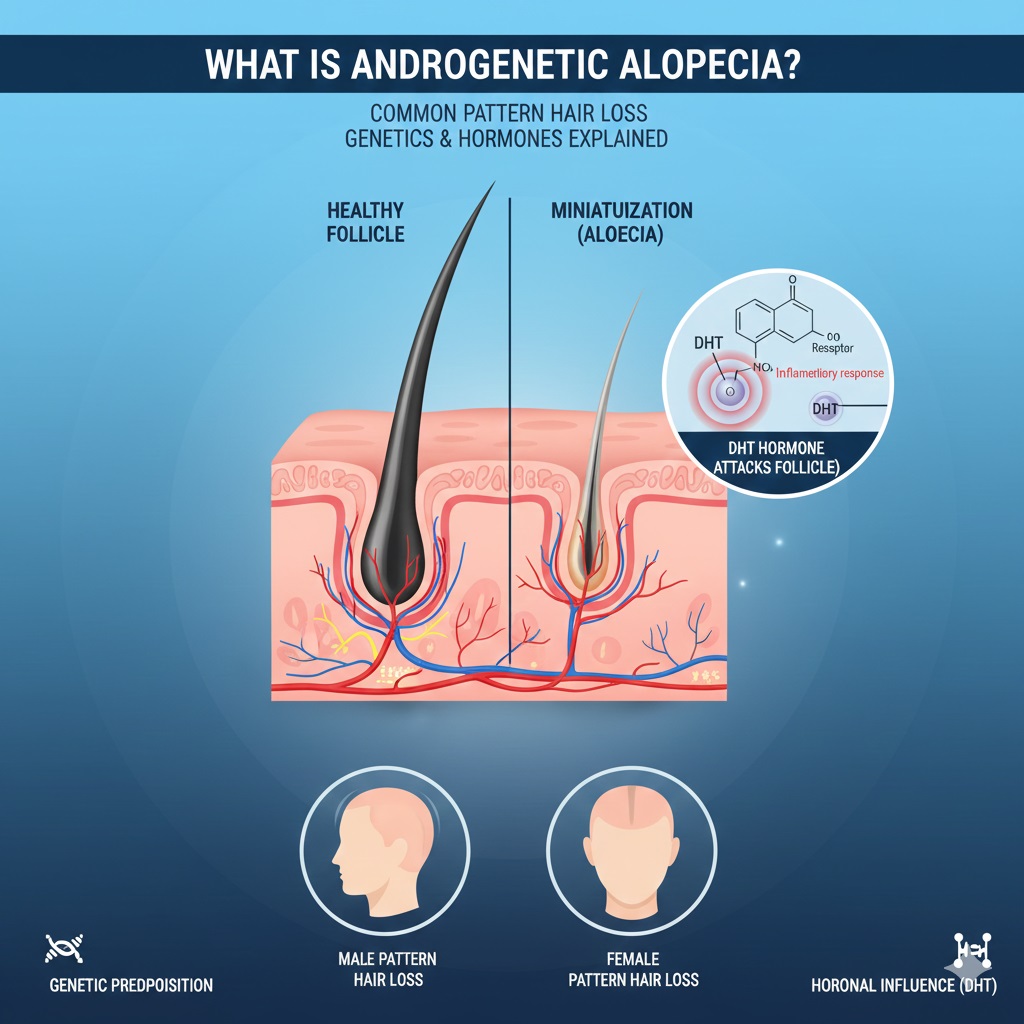
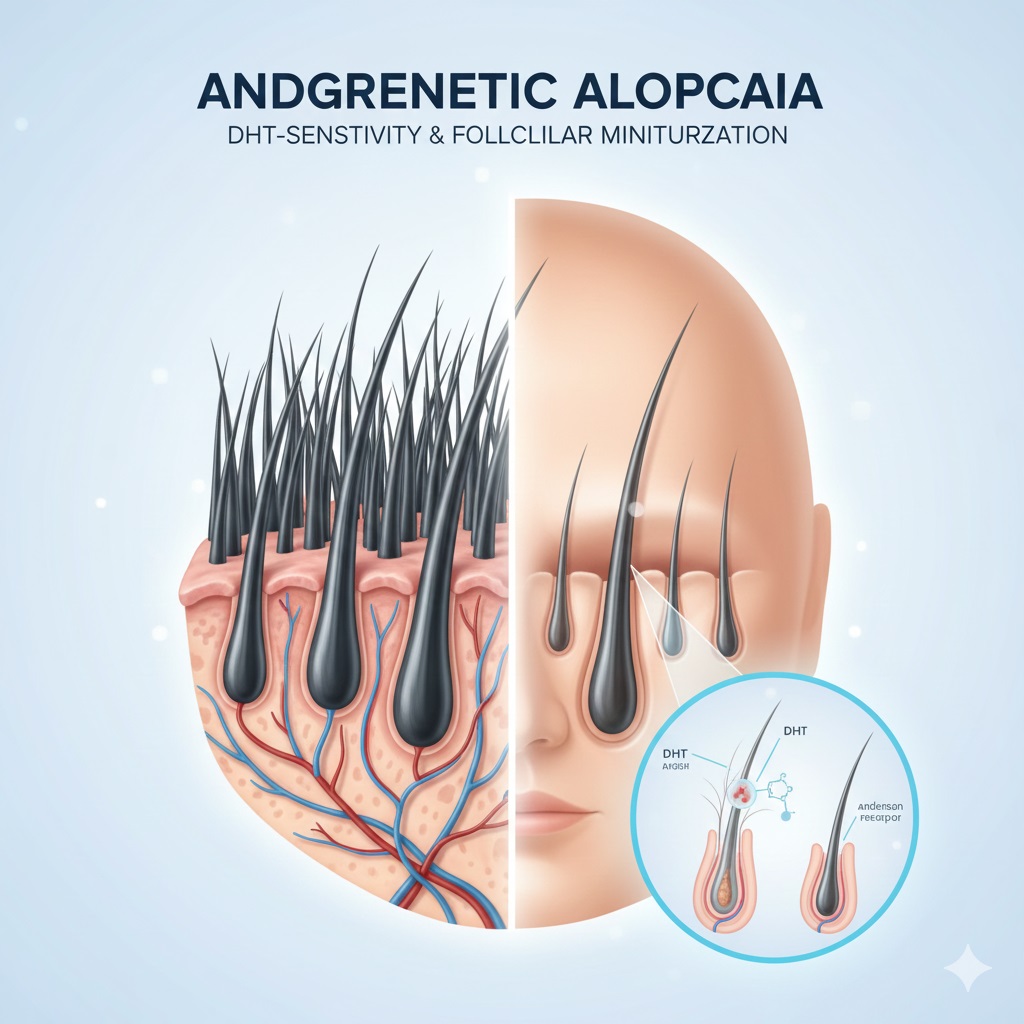
Androgenetic Alopecia (AGA) is a progressive hair loss condition caused by a genetic predisposition combined with hormonal influence. Specifically, this involves the effects of dihydrotestosterone (DHT) on genetically susceptible hair follicles. Therefore, addressing this condition effectively in 2026 requires more than just surgery. It demands an integrated approach combining pharmaceutical management, regenerative therapies, and advanced surgical techniques.
A. The Role of Advanced Technology: Beyond FUE and DHI
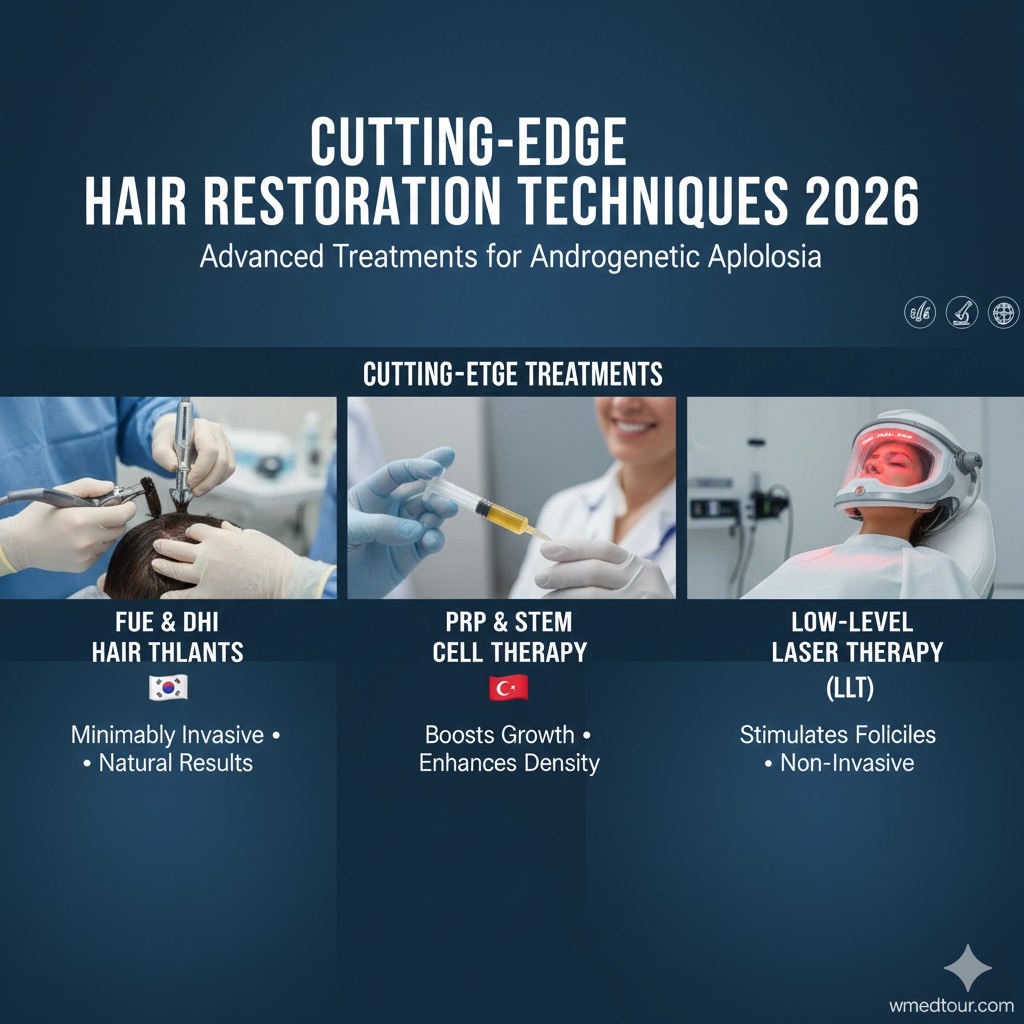
The standard-bearers of surgical restoration remain Follicular Unit Extraction (FUE) and Direct Hair Implantation (DHI). FUE involves extracting grafts individually before implantation. Conversely, DHI utilizes specialized tools (like the Choi Implanter Pen) for simultaneous extraction and implantation. This technique theoretically offers higher density and reduced follicle exposure time. Ultimately, the true difference in the Top Countries for Androgenetic Alopecia Treatment 2026 lies in the integration of secondary and tertiary technologies.
- Sapphire FUE: This advanced FUE technique uses blades made from a synthetic sapphire gem. The material, in effect, allows for finer, V-shaped incisions. Surgeons, consequently, utilize this precision to create denser recipient sites, minimize tissue damage, and achieve faster healing with improved final density.
- Regenerative Augmentation (PRP & Exosomes): Enhanced Platelet-Rich Plasma (PRP) formulations and the newer Exosome Therapy 2.0 (Source 1.1) are standard adjunctive treatments in leading international clinics. As an outcome, they deliver concentrated growth factors to revitalize dormant follicles. Moreover, they also improve the survival rate of transplanted grafts, significantly boosting overall results.
- Next-Generation Pharmaceuticals: New, targeted therapies are on the rise. These include next-generation JAK inhibitors for associated inflammatory conditions, plus highly localized topical finasteride and spironolactone. This means a successful outcome often starts long before the surgery. (Source 1.1, 1.2)
It is important to note that when choosing a country, patients must verify that the clinics are utilizing these modern tools and techniques, as detailed in our guide on [FUT vs. FUE vs. DHI Hair Transplant Success Rates 2025 & Fees].
B. Clinical Guidelines and Patient Safety
International clinical bodies universally stress that a successful hair transplant requires meticulous planning, realistic patient expectations, and post-operative pharmaceutical management (Source 5.3). The Spanish Trichology Group, for example, advises against transplantation in very young patients or in those who have not stabilized their hair loss with medication. Patients planning travel should consult a physician regarding diagnostic testing, including iron status and thyroid function, as per Primary Care Dermatology Society guidelines. (Source 5.1)
II. Deep Dive: Top Countries for Androgenetic Alopecia Treatment 2026 🌍
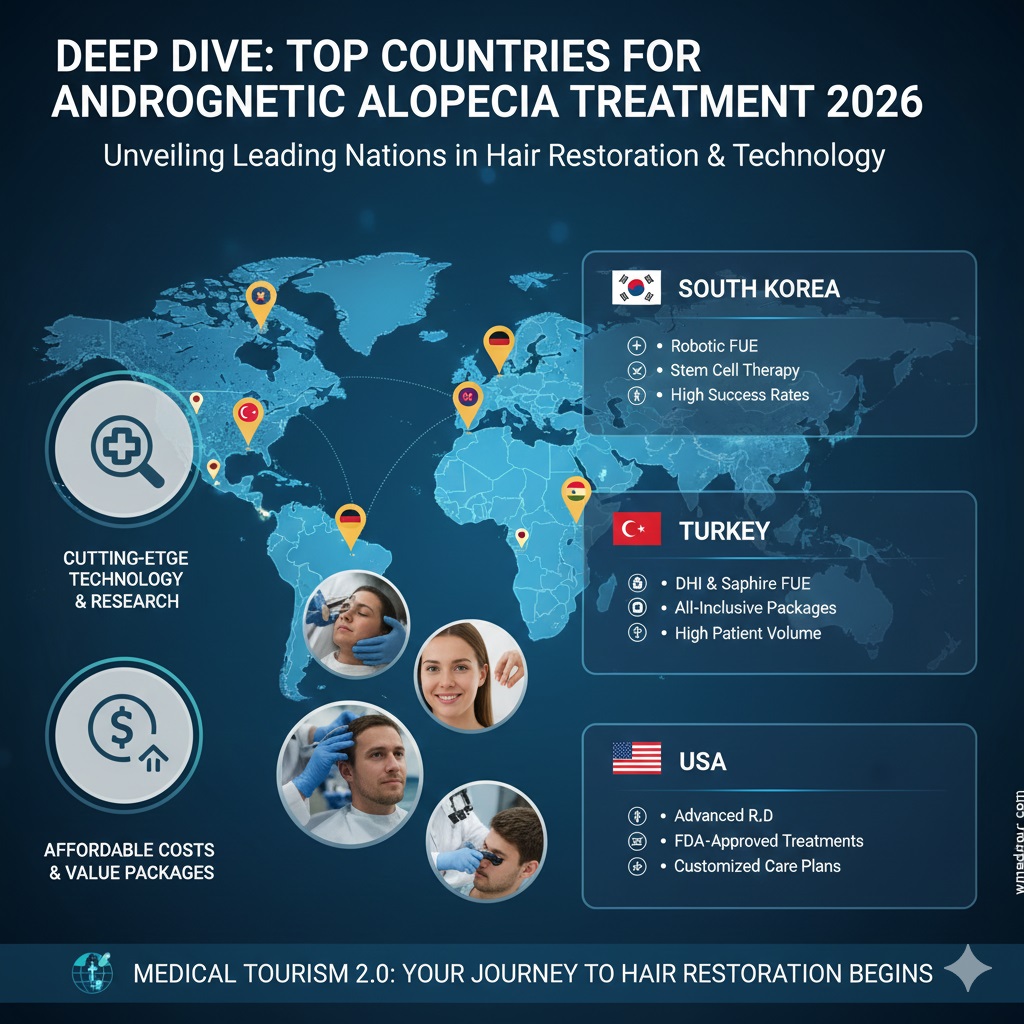
In 2026, three countries lead the way for international patients seeking high-quality, cost-effective, or technologically superior hair restoration for Androgenetic Alopecia.
A. 🇹🇷 Turkey: The Global Volume Leader and Value Champion
Turkey, specifically Istanbul, remains the undisputed global hub for hair transplant tourism. The massive volume of procedures conducted here has created an unparalleled level of surgeon experience and a competitive pricing model that other nations struggle to match. Turkey’s continued dominance in the list of Top Countries for Androgenetic Alopecia Treatment 2026 stems from its comprehensive all-inclusive packages.
Pros of Hair Restoration in Turkey
- Unbeatable Value: Full packages, often covering the surgery, accommodation, airport transfers, and post-operative medication, typically range from $2,500 to $5,500 USD for a massive session (up to 4,500 grafts), providing immense savings compared to Western countries. (Source 2.4, 4.3)
- High Surgeon Experience: Due to the sheer volume (over 1.8 million medical tourists in 2023), Turkish surgeons are highly proficient in both FUE and DHI, often performing hundreds of operations annually.
- Advanced Techniques: The widespread adoption of Sapphire FUE ensures a high standard of care and results.
- Established Infrastructure: The country possesses a highly sophisticated medical tourism ecosystem, making the patient journey seamless. (For more on this, see: Medical Tourism Turkey Ultimate Guide 2025).
Cons of Hair Restoration in Turkey
- Quality Variance: The extremely high number of clinics necessitates caution. Patients must diligently research to avoid “graft mills” where technicians, not board-certified surgeons, perform the majority of the procedure. Therefore, we strongly advise checking credentials via reputable resources like our list of the Top Hair Transplant Clinics and Doctors in Istanbul.
- Volume-Driven Focus: Some clinics prioritize speed and volume, which can sometimes compromise the individualized attention required for designing a perfectly natural, age-appropriate hairline.
B. 🇮🇷 Iran: The Cost-Quality Champion and Precision Expert
Iran is rapidly becoming the dark horse of global hair restoration, often overlooked by mainstream Western media but highly favored by informed medical tourists, especially those seeking surgical excellence at the absolute best price point. Consequently, the country’s focus on superior value makes it a critical inclusion in the discussion of Top Countries for Androgenetic Alopecia Treatment 2026.
Pros of Hair Restoration in Iran
- Unbeatable Cost-Effectiveness: Iran offers the lowest entry price for high-quality hair transplants globally, largely due to extremely favorable international currency exchange rates. A comprehensive procedure often costs between $1,500 and $4,000 USD for 3,000 to 4,000 grafts, often undercutting Turkey’s rates. (Source 3.3, 3.4)
- DHI and FUE Expertise: Iranian surgeons are renowned for their technical proficiency, particularly in delicate procedures like DHI and non-shaving FUE, which is highly sought after by female patients or those requiring maximum discretion. (Source 3.4)
- Highly Educated Professionals: The Iranian medical sector boasts a highly educated and specialized physician base, with many surgeons holding international certifications and strong plastic surgery backgrounds.
- Specialized Care: Clinics have excelled at tailoring services, offering specialized discreet care for women who cannot shave their head completely.
Cons of Hair Restoration in Iran
- Travel Logistics: Navigating sanctions and visa requirements can be more complex than traveling to Turkey or South Korea. This requires careful planning, which can be mitigated using resources like the Complete Legal and Medical Travel Guide to Iran.
- Perceived Risk: Despite this, the country’s political situation sometimes leads to misconceptions about safety and medical quality, which is often dispelled by reviewing actual patient outcomes. (See: FUE Hair Transplant Iran Guide and Cost 2025).
C. 🇰🇷 South Korea: The Technology and Precision Hub
South Korea, particularly Seoul’s Gangnam district, is synonymous with cosmetic perfection and medical innovation. While substantially more expensive than Turkey or Iran, South Korea appeals to patients whose primary concern is access to cutting-edge research, personalized stem cell therapies, and absolute technical perfection in hairline design.
Pros of Hair Restoration in South Korea
- Innovation Leader: South Korean clinics are often the first to integrate new technologies like refined Exosome Therapy, sophisticated AI-tracked LLLT, and customized low-dose oral medication regimens. (Source 1.2, 4.2)
- Extreme Precision: Surgeons are meticulous, prioritizing the micrografting of single follicular units for the most natural and undetectable hairline possible. This pursuit of perfection, naturally, is driven by a domestic culture that demands the highest aesthetic standards.
- Strict Regulatory Oversight: The country maintains high standards of medical regulation, which assures a baseline quality level across reputable clinics.
Cons of Hair Restoration in South Korea
- High Cost: South Korea is among the most expensive medical tourism destinations in Asia. A standard 4,000-graft procedure typically costs between $6,000 and $7,500 USD, with premium clinics charging significantly more. (Source 4.1)
- Less Comprehensive Packages: Unlike Turkey, all-inclusive packages are less common. Patients frequently pay separately for accommodation, translators, and sometimes even post-operative care products.
D. 🇮🇳 India & 🇹🇭 Thailand: Emerging High-Value Markets
India and Thailand are significant contenders for the title of Top Countries for Androgenetic Alopecia Treatment 2026 for budget-conscious patients, particularly from within Asia and Oceania.
- India: Offers highly competitive pricing (from $2,000) with surgeons often internationally trained and facilities certified by NABH (National Accreditation Board for Hospitals & Healthcare Providers). The volume of domestic cosmetic procedures has created a strong surgical skill base. (Medical Tourism India 2025 Guide).
- Thailand: Combines affordable, high-quality care with a world-renowned vacation destination. Bangkok and Phuket offer FUE and DHI options starting around $2,000, appealing to those seeking a “surgical holiday.” (Source 2.2, 4.3)

III. Comparative Analysis Table (4,000 Grafts FUE/DHI, 2026 Estimates)
| Country | Average Cost Range (USD) | Dominant Technology | Primary Advantage | Typical Surgeon Focus |
|---|---|---|---|---|
| Turkey 🇹🇷 | $2,800 – $4,500 | Sapphire FUE, DHI, All-Inclusive Packages | Unbeatable Value & Volume of Experience | Efficiency & Large Graft Counts |
| Iran 🇮🇷 | $1,500 – $4,000 | Advanced FUE, Precision DHI, Non-Shaving Techniques | Lowest Cost for Clinical Excellence & Precision | Precision & Aesthetic Detail, DHI Mastery |
| South Korea 🇰🇷 | $6,000 – $7,500 | Exosome Therapy 2.0, Stem Cell Boosters, AI Diagnostics | Cutting-Edge Regenerative Technology | Micrografting & Aesthetic Perfection |
| India 🇮🇳 | $2,000 – $4,000 | Standard FUE/DHI, PRP | Affordability and Internationally Trained Surgeons | General Hair Restoration & Scalp Treatments |
| Germany 🇩🇪 | $10,000 – $15,000 | Robotic FUE, Highest Regulatory Standards | Highest Safety Standards and Regulatory Precision | Meticulous, Low-Volume, High-Cost Procedures |
When reviewing these figures, patients must exercise caution. For instance, the German price reflects the highest possible regulatory oversight and low procedure volume. This offers a different type of assurance than the high-volume, cost-optimized Turkish model. Similarly, the low cost in Iran does not indicate low quality; rather, it reflects a unique economic advantage that benefits the international patient. For options in the highest regulatory environments, however, consider [Medical Travel Germany 2025 Ultimate Guide].
IV. Patient Journey Spotlight: Choosing a Country
Meet Mark, a 35-year-old software engineer from Canada suffering from Norwood Scale IV Androgenetic Alopecia. He has stabilized his hair loss with Finasteride and is seeking a 4,000-graft FUE procedure.
Mark’s Decision Factors:
- Budget: Maximum $7,000 USD (All-in).
- Priority: High density, natural-looking hairline, minimal scarring.
- Time Off: One week for surgery and initial recovery. (See: Hair Transplant Recovery Timeline: First Two Weeks).
The Analysis:
- USA/UK: Cost ($12,000+) immediately disqualifies this option.
- South Korea: Excellent quality, but the cost ($6,000 – $7,500) combined with expensive flights and accommodation makes hitting the $7,000 all-in budget very challenging.
- Turkey: The $4,000 all-inclusive package is highly appealing. Mark has a wide choice of clinics, but he must dedicate significant time to research. This is necessary to avoid high-volume, lower-quality operations. He would use [Red Flags in a Problematic Hair Transplant Clinic Abroad] for vetting.
- Iran: The $3,500 estimate for a precision FUE/DHI procedure is economically sound. This cost often includes logistics (as detailed in Medical Tourism Iran 2025 Ultimate Guide). The high level of aesthetic focus from Iranian plastic surgeons makes the natural hairline result a major draw.
Mark ultimately chooses a well-vetted, high-volume clinic in Turkey. He prioritizes the established medical tourism structure and the ease of travel from Canada. He utilizes the remaining budget for a specialized post-operative Exosome therapy session six months later, ensuring he meets the goals of the Top Countries for Androgenetic Alopecia Treatment 2026 while staying within his budget. His one-year follow-up results will depend heavily on adhering to the long-term aftercare plan outlined in [Hair Maintenance After Transplant: Medication and Success].
V. Critical Factors for Success: Beyond the Country
While the destination provides the framework—cost, technology, and accessibility—the ultimate outcome of your Androgenetic Alopecia treatment rests on three crucial micro-factors.
A. 🤵 Surgeon’s Skill vs. Clinic’s Brand
In all the Top Countries for Androgenetic Alopecia Treatment 2026, the key differentiation is the individual surgeon. For example, in high-volume markets like Turkey, the brand often relies on the overall volume, but the actual procedure may be heavily delegated. By contrast, precision-focused markets like Iran and South Korea often highlight the lead surgeon’s personal portfolio. Patients must, therefore, insist on knowing: Who will personally design my hairline? Who will extract the grafts? Who will create the recipient channels? A comprehensive checklist for vetting is available in [Choosing a Surgeon and Clinic Abroad: The Essential Checklist].
B. The Donor Area Management
The donor area, usually the back and sides of the head, represents a finite resource. A competent surgeon in any of the leading countries must prioritize sustainable harvesting. Over-harvesting the donor area is the number one cause of Hair Transplants Gone Wrong and revision surgery. Modern FUE techniques practiced in the Top Countries for Androgenetic Alopecia Treatment 2026 must, therefore, utilize smaller punch sizes and strategic, diffuse extraction patterns to maintain donor density.
C. Long-Term Hair Loss Prevention
Hair transplantation is a hair redistribution procedure, not a cure for Androgenetic Alopecia. Successful long-term results are often evaluated 12 months after the procedure (12-Month Hair Transplant Recovery Timeline). Crucially, these results depend entirely on maintaining the *non-transplanted* native hairs with ongoing medical therapy.
Finasteride, Minoxidil, or advanced low-dose oral options are crucial for preventing the progression of baldness around the newly established hairline. Understanding this long-term commitment is vital for achieving Hair Transplant Understanding Your Long-Term Results.
VI. Who Is This Global Treatment Guide For?
This comprehensive comparison of the Top Countries for Androgenetic Alopecia Treatment 2026 serves several distinct patient profiles:
- The Value-Conscious Professional: Individuals (often from North America, Western Europe, or Australia) seeking results comparable to $15,000 domestic procedures but needing to keep the cost under $7,000. Ideal Countries: Turkey or Iran.
- The Precision Seeker: Patients requiring a second surgery (revision) or those with complex hair characteristics who prioritize the most meticulous and advanced techniques, often willing to pay a premium. Ideal Countries: South Korea or highly specialized, boutique clinics in Germany/Spain. (For revision specific issues, see: Correcting Failed FUT Scars and Unnatural Hairlines Guide).
- The Female Patient: Women suffering from Female Pattern Hair Loss (FPHL) who require non-shaving FUE/DHI techniques to maintain discretion. Ideal Countries: Iran or South Korea (due to their specialized focus on female hair restoration).
- The Young Patient (Over 25): Those whose hair loss has stabilized but who require a surgeon with the vision to plan a hair density that will mature naturally over decades. (Too Young for a Hair Transplant? Eligibility).
Before any medical travel, all patients should utilize a comprehensive planning tool, as outlined in our Pre-Travel Resources and Checklists for Patients. In addition, patients should be sure to understand the differences between AGA and other conditions like Alopecia Areata or Telogen Effluvium (Beyond Male Pattern Baldness: Alopecia Areata & Telogen Effluvium) before committing to a hair transplant.
The choice of one of the Top Countries for Androgenetic Alopecia Treatment 2026 is not merely a geographic one. Instead, it is a strategic decision that aligns your budget, risk tolerance, and aesthetic goals with the specialized medical expertise available globally. This is a journey toward permanent change, requiring due diligence at every step, from selecting the right country to calculating the Number of Grafts Needed.
VII. Frequently Asked Questions (FAQ) about the Top Countries for Androgenetic Alopecia Treatment 2026
Here are answers to common questions asked by international patients considering treatment in the Top Countries for Androgenetic Alopecia Treatment 2026.
Cost, Success Rates, and Medical Safety
Will hair transplant costs in Turkey and Iran continue to be low in 2026?
While prices in Turkey have seen a modest increase due to inflation and rising demand, they are expected to remain extremely competitive due to the high volume and strong government support for medical tourism. Iran’s costs, being largely dependent on the favorable international currency exchange rate, will likely remain the lowest globally for comparable quality, making it a persistent contender among the Top Countries for Androgenetic Alopecia Treatment 2026. Nonetheless, patients should budget for a 5-10% annual increase in all markets.
What is the typical success rate for FUE/DHI procedures in the top countries?
The success rate—defined as the percentage of transplanted grafts that survive and grow—is generally high, ranging from 90% to 98% in reputable clinics across all top countries, including Turkey, Iran, and South Korea. In short, success is less about the country and more about the individual surgeon’s skill, the use of advanced graft storage solutions (Hypothermosol), and the patient’s adherence to post-operative care and long-term medication, as explained in the Modern Hair Transplant Guide.
Is it safe to travel to Iran for hair restoration surgery?
Yes, major Iranian cities like Tehran and Mashhad have world-class medical facilities and highly trained surgeons. While travel advisories exist, these are typically political. Medical tourists consistently report high satisfaction with the clinical standards and safety protocols. As with any medical travel, however, choosing a reputable agency or clinic that manages logistics, including the Medical Visa Definitive Patient Handbook, minimizes risks and ensures a smooth experience.
Advanced Treatments and Aesthetic Concerns
How do regenerative treatments like Exosomes and PRP 2.0 fit into the 2026 treatment plan?
Regenerative treatments are increasingly standard augmentation procedures, not stand-alone cures for advanced Androgenetic Alopecia. Leading clinics in South Korea and specialized clinics in Turkey and Iran use enhanced PRP (PRP 2.0) and Exosome therapy to boost the vitality of existing native hair and maximize the survival rate of transplanted grafts. Therefore, they are best used as part of a combination treatment plan.
Why are Western countries like the USA and UK not considered among the Top Countries for Androgenetic Alopecia Treatment 2026?
Western countries offer world-class medical care and technology, but they are typically excluded from the “Top Countries” list for medical tourism because of the prohibitive cost. Procedures there can cost 3 to 5 times more than the high-quality, high-volume options in Turkey or Iran, making them inaccessible to the average international patient seeking a cost-effective solution.
What specific criteria should I use to select a surgeon from one of the top countries?
Look for evidence of high procedural volume (thousands of successful surgeries), specific certifications (e.g., ABHRS, ISHRS membership), and before-and-after photos demonstrating a natural hairline design on patients with similar hair loss patterns (Norwood scale). Most importantly, seek patient testimonials detailing the lead surgeon’s direct involvement in the channel creation phase. Do not simply rely on the clinic’s marketing materials.
Is it possible to receive a hair transplant without shaving my head in these countries?
Yes, all of the Top Countries for Androgenetic Alopecia Treatment 2026 offer non-shaving FUE or DHI. However, this technique is highly specialized, takes longer, and significantly limits the number of grafts that can be transplanted (usually 1,000–1,500 grafts). This method is most popular with women or patients requiring minor repairs. Be prepared for a higher cost per graft compared to a fully shaven procedure.
Logistics and Long-Term Hair Management
How long will the transplanted hair last?
Transplanted hairs are taken from the donor area (usually the back of the head), which is genetically resistant to the effects of DHT. Consequently, these transplanted follicles are considered permanent and should last a lifetime. However, the native, non-transplanted hair will continue to thin due to Androgenetic Alopecia. This is why a medical maintenance plan is mandatory for long-term satisfaction.
What financing options are available for international patients?
Few international clinics offer direct financing for foreign patients. Nevertheless, the low cost in countries like Iran and Turkey often makes the procedure financially viable without credit. Patients typically use personal savings, medical credit cards (which often offer 0% APR promotional periods), or loans specifically structured for medical tourism. The key is to manage the debt alongside the recovery process.
What kind of follow-up care can I expect after returning home?
Leading clinics in the Top Countries for Androgenetic Alopecia Treatment 2026 provide detailed written and video post-operative instructions, essential medications, and dedicated patient coordinators available via WhatsApp or email. Crucially, they should schedule virtual follow-up check-ins at the 3, 6, and 12-month marks. For issues or unexpected problems, consult a local dermatologist for an immediate check-up.
Why is DHI sometimes more expensive than FUE in these markets?
DHI (Direct Hair Implantation) requires specialized, patented tools (the Choi pen) and demands a higher level of manual dexterity and focus from the surgical team, which increases the labor cost. In addition, because DHI allows for direct implantation without prior recipient channel creation, it requires more staff time and precision, justifying the slight price premium over standard FUE or Sapphire FUE in markets like Turkey and Iran.
Are there any non-surgical breakthroughs expected in 2026 that could replace transplantation?
Yes, the most promising developments for 2026 involve the progression of pharmaceutical trials for drugs like PP405, which targets the primary biological pathway controlling the hair growth cycle. Furthermore, there are advancements in Stem Cell-Derived Follicle Boosters. These regenerative therapies offer the potential for non-surgical hair regeneration, but they are not yet fully available or capable of addressing widespread baldness in the way transplantation can. Thus, surgery remains the gold standard for coverage, supplemented by these non-surgical aids.