Top Global Cell Therapy Countries 2026: Navigating the Future of Regenerative Medicine 🌍
2026 Executive Summary & Market Outlook 📋
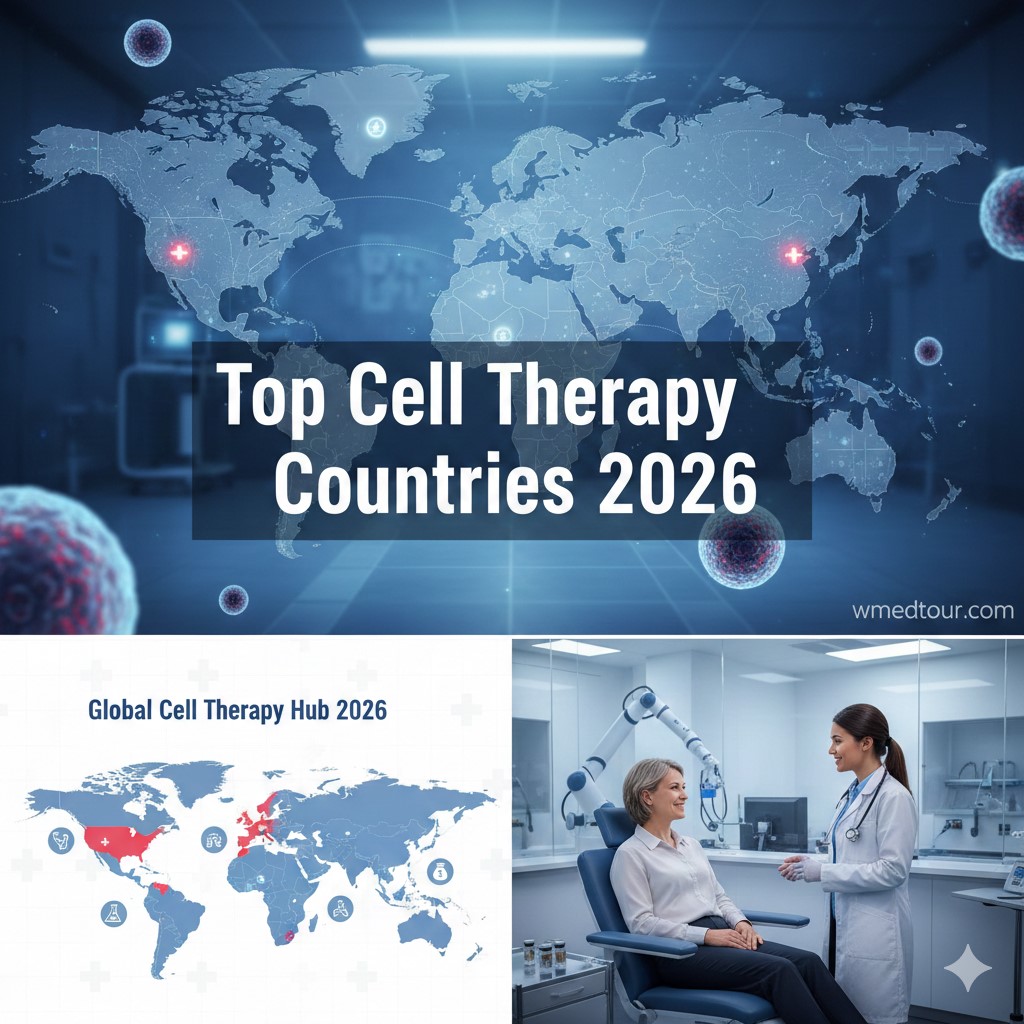
Currently, the global cell therapy market has entered a hyper-growth phase. Consequently, analysts estimate a valuation of 16.56 billion dollars by 2026. In addition, we are seeing a projected CAGR of 18.3% through 2035. As we navigate the top global cell therapy countries 2026, the landscape is defined by regulatory agility. Therefore, this guide breaks down why Iran, China, Japan, and Switzerland are the primary hubs.
- Iran: Notably, this country remains a pioneer in spinal cord repair. Moreover, they offer advanced IVF applications at low costs.
- China: Presently, it is the world’s fastest-growing biotech hub. It controls over 30% of global licensing deals.
- Japan: Because of a unique approval system, patients gain faster access to new treatments.
- Switzerland: Similarly, it is the premier destination for luxury longevity and elite anti-aging.
Cell therapy represents the ultimate shift in modern medicine. Essentially, we are moving from treating symptoms to curing causes. By 2026, AI-assisted cell selection has become standard. Furthermore, automated lab workflows have made these treatments safer. At WMedTour, we help you navigate this map. Specifically, we find the perfect intersection of success and logistics.
Who is This For? 👥
Initially, this comprehensive guide is designed for several groups. First, it serves patients with chronic conditions. For instance, this includes those suffering from neurodegenerative diseases. Second, it is for oncology patients seeking CAR-T or TCR-T therapies. Third, it assists couples exploring fertility treatments abroad. Finally, it provides professional insights for medical facilitators. Thus, we aim to clarify where reliable innovations exist today.
The 2026 Power Players: Regional Analysis 🌐
1. China: The New Biotech Titan 🇨🇳
In 2026, China has solidified its position as a global leader. Specifically, they excel in CAR-T and TCR-T therapies. Chinese biotechs have produced many drug candidates since 2022. Consequently, patients gain access to cutting-edge oncology trials. Furthermore, many of these are not yet available in the West. Because of China’s focus on automated manufacturing, waiting times have decreased. Therefore, you can receive treatments much faster now.
In addition, China is a leader in new methods in cancer treatment. Their hospitals are highly specialized. Moreover, they integrate AI to predict patient responses. As a result, this precision reduces the risk of adverse reactions.
2. Iran: Excellence in Regenerative Specialization 🇮🇷
Similarly, Iran remains a top choice in the top global cell therapy countries 2026 list. This is due to sustained clinical breakthroughs. For example, recent reports highlight Iranian success in producing neural stem cells. These are aimed specifically at repairing spinal cord injuries. Consequently, the results have been transformative for many.
Furthermore, centers like the Royan Institute have perfected stem cell use. They help with IVF success rates. Thus, this is a major hope for fertility tourism. Also, Iran offers a robust medical tourism guide regarding safety. Notably, their costs are often 70% lower than in Europe. Therefore, this makes high-end science accessible to everyone. Moreover, their legal medical travel guide ensures transparency.
3. Japan: The Regulatory “Fast-Track” King 🇯🇵
Meanwhile, Japan’s Medical Devices Act is a total game-changer for 2026. It allows for conditional approval once safety is confirmed. Therefore, patients can access therapies while data is still being gathered. This makes Japan the go-to for last-resort treatments. Specifically, they specialize in cirrhosis and heart failure. As a result, many international patients choose Japan today.
4. Germany: The Peak of Scientific Rigor 🇩🇪
On the other hand, Germany continues to lead in orthopedic cell applications. They utilize chondrocyte implantation for joint repair. If you seek medical travel in Germany, you will find precision. Furthermore, their clinics follow the strictest EU standards. Consequently, this ensures that every cell count is verified. It is the gold standard for reliability in 2026.
Comparative Matrix 2026: Cost vs. Innovation 📊
| Country | Primary Advantage | 2026 Cost Index | Key Indication |
|---|---|---|---|
| Iran 🇮🇷 | Cost-Efficiency & Experience | $ (Budget Friendly) | Spinal Repair, Skin, IVF |
| China 🇨🇳 | Volume of Clinical Trials | $$ (Competitive) | CAR-T, Solid Tumors |
| Germany 🇩🇪 | Scientific Rigor | $$$$ (Premium) | Orthopedics, Oncology |
| Japan 🇯🇵 | Rapid Regulatory Approval | $$$ (Moderate-High) | Cirrhosis, Heart Failure |
| India 🇮🇳 | Large Patient Pools | $ (Budget Friendly) | Bone Marrow, Blood Cancers |
Technological Shifts in 2026: What Patients Must Know 🚀
Actually, the year 2026 marks a transition to off-the-shelf products. These are known as Allogeneic therapies. Furthermore, they are pre-manufactured from healthy donors. This allows for immediate injection without a waiting period. Consequently, you no longer need to wait for cell growth. Specifically, countries like South Korea are leading this change. Therefore, they make same-day cell therapy a reality.
Advancements in 3D Bio-printing
Additionally, 3D Bio-printing is now used in top centers in Iran and India. They create vascular grafts for damaged organs. Certainly, this is a massive leap forward from simple injections. It allows doctors to physically “patch” a heart. Consequently, this technology is revolutionizing organ failure treatment. Furthermore, it helps those awaiting bone marrow transplants.
Patient Journey: A Hypothetical Case Study 📖
Consider Robert, a 55-year-old from the UK. He suffered from chronic heart failure. In his home country, he had no more options. Therefore, Robert contacted WMedTour to explore the top global cell therapy countries 2026. After a consultation, he chose a specialized center in Osaka, Japan. Because of the PMD Act, he accessed a new cardiac cell sheet therapy.
Initially, the process took six weeks. Robert received localized cell patches. Within three months, his heart function improved significantly. Consequently, this allowed him to return to exercise. His journey highlights how global differences save lives. By looking beyond borders, Robert found a solution.
Pros and Cons of Global Destinations ⚖️
High-Innovation Hubs (China, Japan, USA)
Pros: Access to the newest experimental trials. Furthermore, they have high-tech infrastructure. Rapid regulatory approval is common.
Cons: However, costs are very high. Linguistic barriers can be difficult. Also, eligibility criteria are often strict.
Value-Driven Leaders (Iran, India, Turkey)
Pros: Extremely affordable pricing. Moreover, they have highly experienced scientists. They offer an easy medical visa process. Notably, medical travel to Iran is highly streamlined.
Cons: On the other hand, travel can be longer. Perception of quality can vary. Also, political climates can fluctuate.
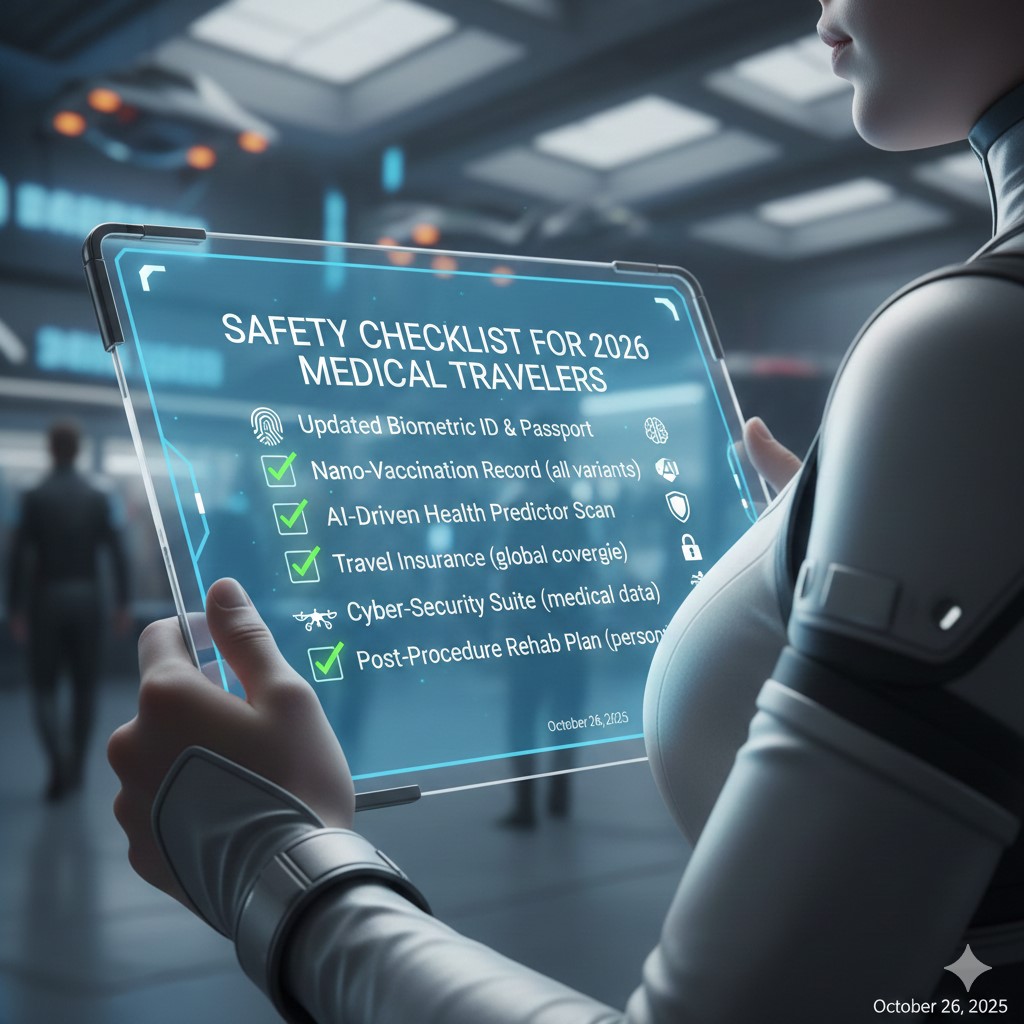
Safety Checklist for 2026 Medical Travelers ✈️
- GMP Certification: First, always verify that the lab has GMP certification. This is non-negotiable for safety.
- Regulatory Path: Second, ask if the treatment is fully approved. In Japan, check for “Conditional Approval.”
- Post-Op Care: Third, cell therapy requires monitoring. Thus, ensure the clinic offers digital follow-ups. See our choosing a surgeon checklist.
- Internal Regulations: Finally, understand global medical treatment regulations before you fly.
FAQ: Essential Knowledge for 2026 ❓
1. Which country is cheapest for stem cell therapy in 2026?
Currently, Iran and India offer the most competitive pricing. Costs are often 80% lower than in the US. Moreover, they maintain high lab standards.
2. Is it safe to travel to Iran for cell therapy?
Yes, Iran has a very safe medical tourism sector. Thousands of patients visit annually. For more info, see the medical tourism Iran guide.
3. Can I get CAR-T therapy for solid tumors in 2026?
Actually, trials in China show great promise for solid tumors. In addition, check the CAR-T neuroblastoma guide for specifics.
4. Does health insurance cover cell therapy abroad?
Usually, standard insurance does not cover international cell therapy. However, some premium plans include treatments in Germany.
5. How long is the recovery period?
Initial recovery is just a few days. However, biological recovery takes 3 to 6 months. Therefore, stay near the clinic for two weeks.
6. Are donor cells better than my own cells?
In 2026, donor cells are becoming more popular. Because they come from healthy donors, they are often more potent.
7. Can cell therapy help with anti-aging?
Yes, many visit Turkey for longevity treatments. These focus on inflammation reduction.
8. What is the success rate for spinal cord repair?
Success varies by injury severity. However, Iranian centers report improvements in over 40% of cases. See the hemato-oncology Iran page for related technology.
9. Do I need a special visa for medical treatment?
Most countries require a medical visa. Consequently, consult our medical visa handbook.
10. How do I know if a clinic is a scam?
Avoid clinics that promise 100% cures. Specifically, real science is detailed. Always look for peer-reviewed results.
11. Is robotic surgery involved in cell therapy?
Yes, for precise delivery. Surgeons often use robotic surgery guides for injections.
12. Can I bank my stem cells for later?
Notably, bio-banking is a major trend in 2026. Switzerland and Singapore are leaders. Thus, you can store cells for decades.
Conclusion: A New Era of Hope 🌟
In conclusion, the top global cell therapy countries 2026 represent a menu of innovation. From the tech hubs of China to the expert clinics in Iran, you have options. Regenerative medicine is now a reality. Consequently, it is saving lives daily.
At WMedTour, we simplify this journey. Whether you need the best specialists in Iran or German precision, we help. The future is here. Finally, we are ready to guide you.