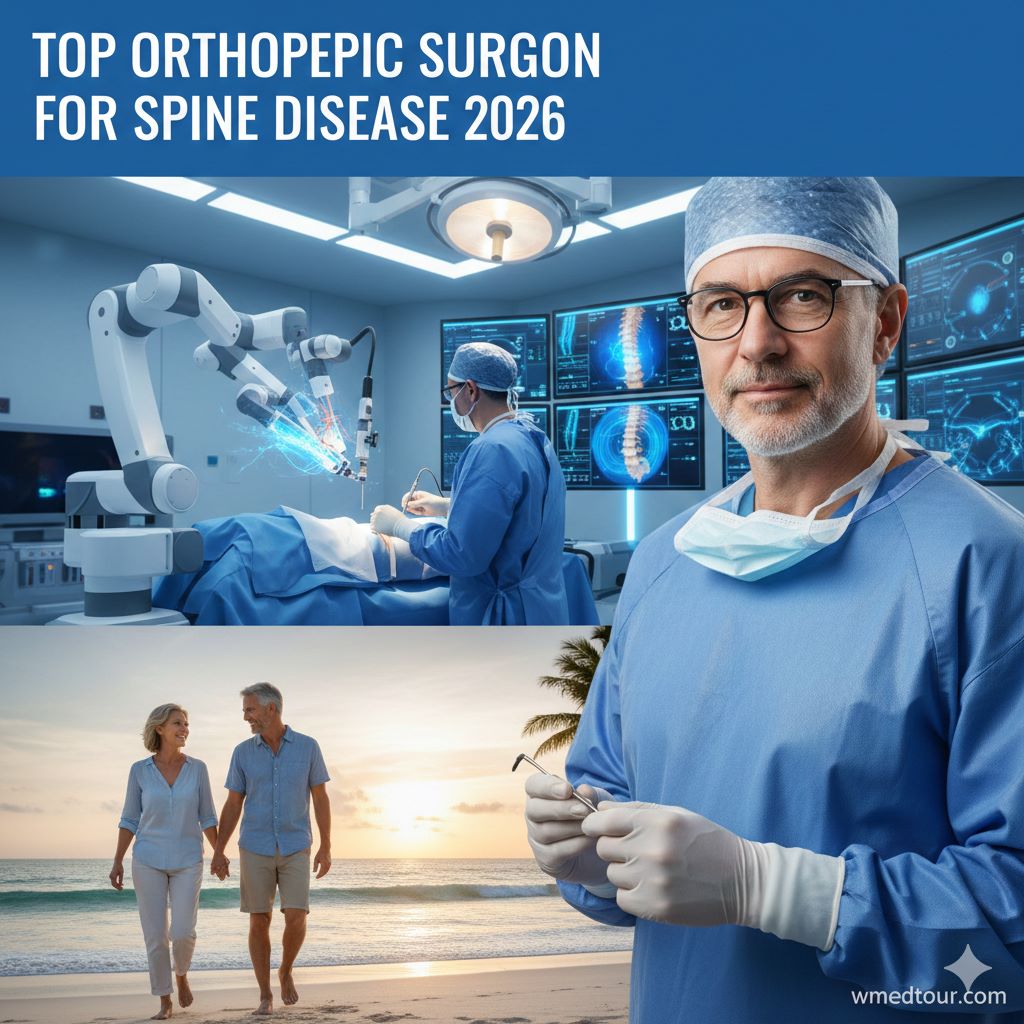
✨ Top Orthopedic Surgeon for Spine Disease 2026: A Definitive Global Guide
📄 Executive Summary
Navigating the complexities of spine care to locate the top orthopedic surgeon for spine disease 2026 can feel like an overwhelming task. This definitive guide is designed to simplify your search. We focus primarily on objective metrics of surgical excellence, particularly the surgeon’s mastery of advanced, minimally invasive techniques. Furthermore, we emphasize the pivotal role of technology, such as robotic and navigation systems, in achieving optimal outcomes in modern spine surgery. The global landscape is changing; consequently, this guide examines medical travel as a viable option for accessing world-class specialists. We spotlight countries like Iran as a center of emerging excellence, offering exceptional quality and value. When seeking the absolute best, consistently prioritize surgeons who specialize exclusively in spinal pathology. Always choose those who possess proven experience in high-complexity cases. Finally, this article provides a detailed framework, including a vital comparison of treatment modalities and a comprehensive FAQ, thereby ensuring you make an informed choice for your critical health journey.
🔍 Defining the Top Orthopedic Surgeon for Spine Disease in 2026
Identifying the absolute top orthopedic surgeon for spine disease 2026 requires looking far beyond simple reputation or geographic proximity. Instead, it necessitates a deep dive into specific professional and measurable metrics. These metrics truly indicate surgical excellence and advanced care capability in the current era. Moreover, since spine diseases often involve complex neurological components, the ideal surgeon frequently works in close collaboration with neurosurgeons within a dedicated neurosurgery department. Therefore, you must carefully evaluate their surgical volume, sub-specialization, and commitment to the latest, least invasive techniques. A truly top orthopedic surgeon for spine disease 2026 consistently demonstrates proficiency in cutting-edge procedures, consequently offering patients faster recovery times and better long-term outcomes. The pursuit of knowledge, evidenced by publications or university affiliations, sets the best apart. This continuous research ensures they are always equipped with the most modern and effective treatment strategies. In short, a surgeon’s commitment to continuous improvement is as important as their technical skill.
The spine surgery landscape is rapidly evolving. As a result, a leading surgeon today embraces advanced technology and evidence-based practice. For this reason, understanding the subtle nuances of surgical specialization is crucial. A general orthopedic surgeon is not the same as a spine sub-specialist. This narrow focus is paramount for intricate spinal pathologies. You can find essential information on this topic in our general guide to Orthopedic Surgery Department procedures.
⭐ Key Metrics of Excellence in 2026
The following indicators should guide your search for the best specialist:
- Sub-Specialization: The surgeon must focus solely on the spine, not general orthopedics. This deep focus is critical for mastering intricate spinal pathologies, including specific areas like the cervical or thoracic spine.
- Minimally Invasive Surgery (MIS) Expertise: Look for extensive experience in techniques like microdiscectomy or endoscopic fusion. MIS generally minimizes tissue damage, thereby leading to significantly shorter hospitalization and quicker return to function. This is particularly relevant when considering procedures like the discectomy surgery.
- High Volume of Specific Procedures: High volume in specific complex surgeries (for example, adult spinal deformity correction) directly correlates with superior patient results. Ask for their specific volume related to your condition.
- Integrated Care Approach: The best surgeons operate within a multidisciplinary team. This team includes physiatrists, pain specialists, and physical therapists. An integrated approach ensures comprehensive long-term care, consequently optimizing recovery.
- Technology Adoption: The use of robotic assistance and intraoperative navigation systems is rapidly becoming standard for precision spine surgery. This marks a surgeon as forward-thinking. Spinal surgery requires the utmost precision, making these tools invaluable.
- Complication Rates and Re-operation Rates: Ask for verifiable data on the surgeon’s complication rates for your specific procedure. This metric is a powerful, objective measure of skill. A low re-operation rate for procedures such as fusion is a hallmark of the top orthopedic surgeon for spine disease 2026.
Indeed, by focusing on these specific criteria, you can clearly filter candidates and move closer to identifying the ideal top orthopedic surgeon for spine disease 2026 for your unique condition. Always verify credentials and patient reviews through independent, non-commercial platforms. Discovering your ideal surgeon often involves a thorough vetting process. In fact, reading our guide on choosing a surgeon abroad offers a comprehensive checklist for this process.
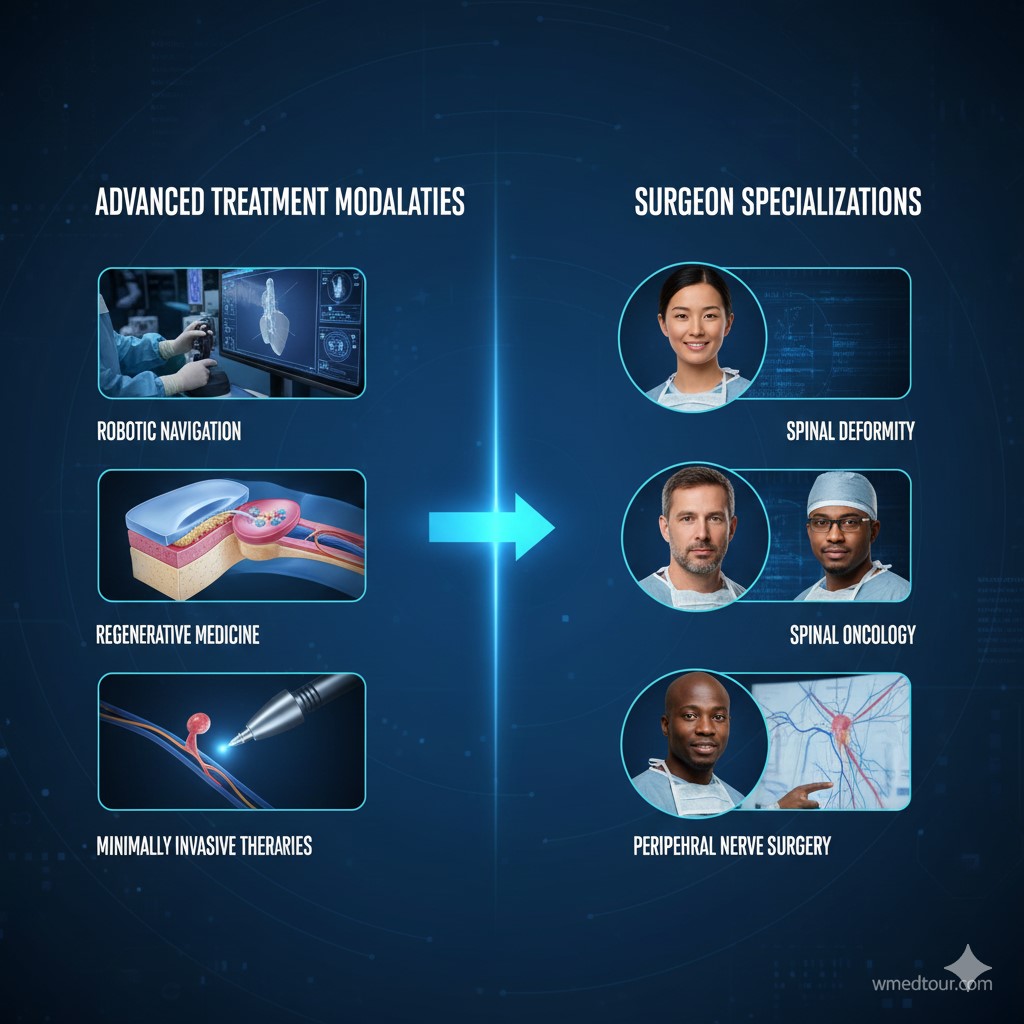
🔬 Advanced Treatment Modalities & Surgeon Specializations
Spine disease treatment has advanced tremendously in the last decade. Truly, the best surgeons do not merely perform one type of surgery. Instead, they master a broad spectrum of techniques. For this reason, they tailor the most effective, least invasive approach to each patient’s unique diagnosis and lifestyle. This patient-centric, tailored approach is fundamentally what distinguishes an excellent surgeon from a merely competent one. We should first examine the common conditions and the corresponding surgical expertise required for each. This includes procedures ranging from basic discectomy to complex revision surgeries. A surgeon’s skill in advanced techniques, such as those related to minimally invasive surgery, is a strong indicator of their quality.
🦴 Treating Degenerative Spine Conditions (Cervical and Lumbar)
Degenerative conditions, like spinal stenosis, degenerative disc disease, and herniated discs, represent the majority of spine-related surgical cases globally. Consequently, the top orthopedic surgeon for spine disease 2026 must be proficient in advanced fusion techniques and motion-sparing technologies. For example, the decision between a traditional lumbar fusion and a disc replacement is complex. It requires not only technical skill but also excellent clinical judgment. Modern spine care emphasizes preserving motion whenever possible, therefore making techniques like Artificial Disc Replacement (ADR) increasingly common for younger, active patients. This reflects a shift toward holistic, long-term patient mobility.
📊 Pros and Cons of Common Degenerative Treatments
- Minimally Invasive Lumbar Fusion (TLIF/PLIF):
- Pros: First, smaller incisions, significantly reduced blood loss, quicker initial recovery time, and less muscle damage. MIS techniques stabilize the spine effectively.
- Cons: However, the procedure is technically demanding. It requires specialized equipment and advanced surgical skill. Recovery can still be prolonged for some individuals.
- Artificial Disc Replacement (ADR):
- Pros: Preserves motion at the affected spinal segment. Thus, it potentially reduces the long-term risk of adjacent segment disease (ASD), a common complication after traditional fusion.
- Cons: Not suitable for all patients (e.g., those with significant facet joint arthritis or prior surgery). It requires a highly specialized skill set and is generally limited to one or two levels in the lumbar or cervical spine.
- Cervical Disc Replacement (CDR):
- Pros: Similar to ADR in the lumbar spine, CDR maintains neck motion. Moreover, it often leads to a faster return to work compared to Anterior Cervical Discectomy and Fusion (ACDF).
- Cons: Long-term data on device durability is still accumulating. There are also specific contraindications related to bone quality or multi-level compression.
The complexity only increases when dealing with multi-level pathology, which requires a surgeon skilled in both fusion and non-fusion solutions. In addition, non-surgical alternatives are always considered first. Therefore, a good surgeon will always exhaust conservative measures before recommending surgery. This includes options like physical therapy, medication, and advanced interventional pain management.
🔄 Complex Spinal Deformity Correction
Treating severe conditions like adult scoliosis, kyphosis, or complex revision cases demands a surgeon with an almost architectural understanding of spinal biomechanics. For instance, complex cases often require multi-level instrumented fusion, which is an extensive procedure. Furthermore, the top orthopedic surgeon for spine disease 2026 in this domain must be highly adept at using real-time navigation and robotic systems. This advanced technology significantly improves the precision of screw placement and the overall correction achieved. Given that these surgeries are lengthy and involve significant planning, the surgeon’s experience in managing complex patient physiology is paramount. Consequently, look for specialists with academic appointments, as they are often at the forefront of surgical innovation, particularly in areas like total hip replacement and complex spine work.
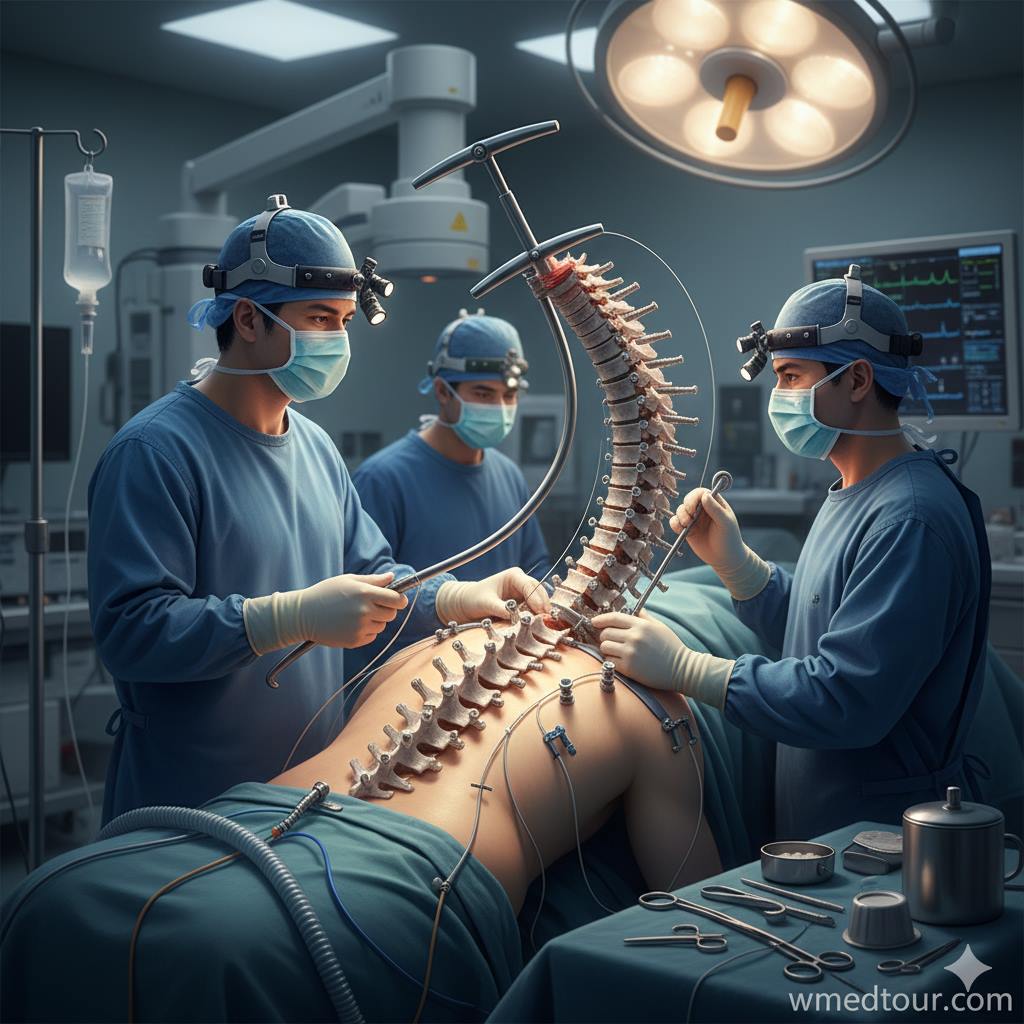
🤖 Precision and Planning with Advanced Technology
The integration of robotics is one of the most defining characteristics of the top orthopedic surgeon for spine disease 2026. Robotics allow for sub-millimeter accuracy in placing pedicle screws and planning sagittal balance correction. In fact, studies show that robotic assistance can reduce the rate of screw malpositioning, thereby lowering the risk of neurological injury. Moreover, the surgeon’s skill in pre-operative digital planning—meticulously modeling the surgical correction—is crucial for successful deformity correction. They essentially execute the entire surgery digitally before making the first incision. This level of precision requires significant training in these platforms.
📊 Pros and Cons of Deformity Correction
- Adult Spinal Deformity Surgery (ASDS):
- Pros: Offers significant improvement in pain, posture, and quality of life for severe cases. Additionally, it provides structural stability and prevents further deterioration.
- Cons: Nevertheless, it is a major operation with long recovery periods. There is a higher risk of complications (e.g., pseudoarthrosis, junctional kyphosis), and it typically requires several months of intensive rehabilitation.
- Vertebroplasty/Kyphoplasty:
- Pros: Provides rapid pain relief for vertebral compression fractures. Furthermore, it is minimally invasive and requires only a short hospital stay.
- Cons: Does not correct the underlying cause of osteoporosis. It is also associated with a small risk of cement leakage. It is generally not a solution for complex, multi-level deformities.
🌍 The Global Search for a Top Orthopedic Surgeon for Spine Disease 2026
When searching for the definitive top orthopedic surgeon for spine disease 2026, many patients look beyond their national borders. Specifically, this is particularly true when they are seeking both world-class expertise and exceptional value. Consequently, medical tourism for specialized procedures like spine surgery has seen substantial growth. Ultimately, this trend allows patients to access top-tier surgical talent, often at a fraction of the cost found in Western countries, without compromising quality. The decision to travel is often prompted by long wait times or prohibitive costs for procedures such as complex fusions or total joint replacements like the total knee replacement. Understanding the logistics of medical travel is key to a smooth process; for this reason, review the Medical Visa Definitive Patient Handbook before planning your journey.
🇮🇷 Iran: A Leading Destination for World-Class Spine Expertise
Countries like Iran have firmly established themselves as centers of excellence in the global medical tourism landscape. They are particularly strong in complex orthopedic and neurosurgery procedures. In fact, Iranian orthopedic and neuro-spine surgeons are consistently highly trained, often having received prestigious sub-specialty fellowships in North America or Europe. As a result, they bring a potent fusion of global expertise with locally developed, efficient healthcare protocols. Furthermore, Iran’s medical infrastructure is generally very advanced. Private and specialized hospitals frequently feature the latest robotic and navigational surgical technology. Therefore, the combination of exceptionally skilled surgeons and the affordability of care makes Iran a compelling, high-value choice for finding a top orthopedic surgeon for spine disease 2026. Prospective patients can explore the process of medical travel to this region through resources like the Medical Travel Iran 2025 Visa Guide, as well as checking the legal medical travel guide for Iran.
🗺️ Comparing Global Spine Care Centers
While regions like the US and Germany possess excellent, established medical reputations, the cost factor often significantly influences the final decision for international patients. Therefore, we present a comparison focusing on the critical factors of quality, accessibility, and cost for specialized spine care. When evaluating options, remember that the true cost of a procedure extends beyond the surgical fee. It includes hospital stay, implants, and post-operative care, hence the need for a comprehensive global comparison, which is detailed further in our guide on cost vs. quality in robotic surgery.
| Factor | US/Germany (Established Markets) | Iran (Emerging Center of Excellence) | Turkey (Popular Destination) |
|---|---|---|---|
| Surgeon Expertise | Extremely high, concentrated in specialized academic centers. | Very high. Many surgeons hold Western fellowships and specialize exclusively in spine. | High, particularly in internationally accredited hospitals. |
| Access to Technology | Latest robotic and navigation technology widely available. | Modern, well-equipped private hospitals feature advanced surgical robotics and imaging. | Excellent in the largest private hospital groups. |
| Cost of Complex Fusion Surgery | Very high (often 4-8 times the cost of emerging markets). | Highly affordable, offering significant savings (up to 70%) without quality compromise. | Competitive, usually 2-4 times the cost of care in Iran. |
| Wait Times | Moderate to high for non-emergency cases with top specialists. | Generally short, facilitating quicker access to life-changing treatment. | Short, a key appeal for international patients seeking timely care. |
| Patient Support / Logistics | Typically focused on domestic patients. | Strong medical tourism infrastructure with dedicated facilitators and patient coordinators. | Very strong, highly commercialized medical tourism sector. |
Source for general quality assessment: Review of international orthopedic society data and patient outcome surveys (e.g., Outbound Link to University Research).
🏥 Hypothetical Patient Journey: Accessing the Top Orthopedic Surgeon for Spine Disease 2026
To illustrate the practical journey of finding and being treated by a world-class specialist, let us consider Sarah, a 48-year-old marketing executive from Canada. Sarah had suffered from chronic, debilitating back pain for three years due to severe lumbar spondylolisthesis (L4-L5). This condition severely impacted her work and daily life. However, the long wait times and the high cost for a top orthopedic surgeon for spine disease 2026 in her home country made the situation untenable. Her local surgeon had only offered traditional, open-fusion surgery, which she wished to avoid due to the lengthy recovery.
🗺️ Initial Steps and Consultation
Sarah decided to explore medical tourism after researching international options and reading patient testimonials. She focused on countries known for specialized, high-volume spine care. Consequently, her research led her to a highly-rated, fellowship-trained orthopedic spine surgeon in Iran, whom she identified as a strong candidate for a top orthopedic surgeon for spine disease 2026. This surgeon had a verified track record of successful minimally invasive fusions using advanced robotics. Sarah forwarded her detailed MRI scans and clinical notes through a medical tourism facilitator. The facilitator was able to access her medical records quickly, thanks to resources like the general checkup department protocols which ensure comprehensive data is collected.
💉 Diagnosis and Advanced Treatment Plan
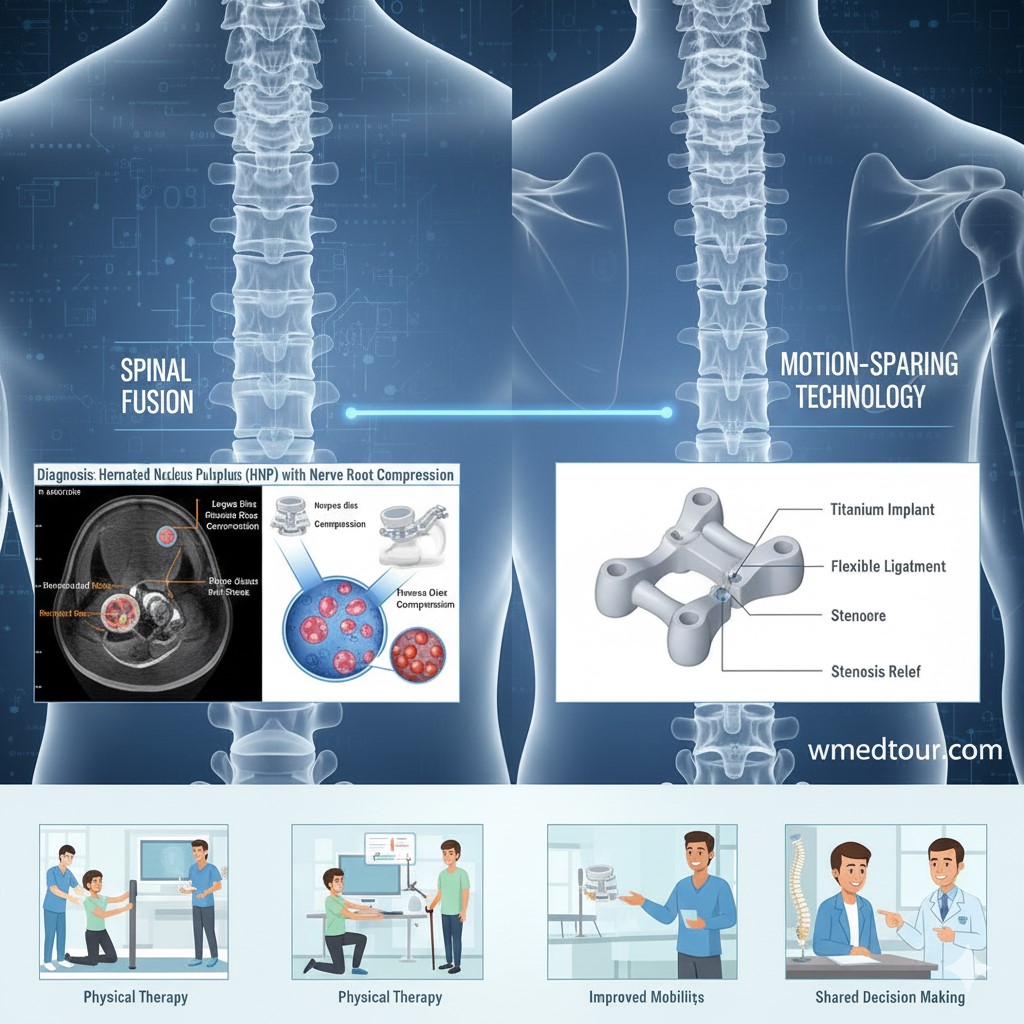
The Iranian surgeon reviewed her case using specialized 3D planning software. He confirmed the need for L4-L5 Minimally Invasive Transforaminal Lumbar Interbody Fusion (MIS-TLIF). Moreover, the specialist provided Sarah with a comprehensive, all-inclusive quote. This quote was less than one-third of the estimated cost in Canada, which significantly eased her financial burden. The surgeon explained that he would use intraoperative navigation to ensure perfect screw placement and optimal spinal balance. This level of technical detail built significant trust. The clear, jargon-free communication from the specialist ensured Sarah understood the entire technical process and the recovery timeline, in contrast to the complex terminology sometimes associated with procedures like bone marrow transplant.
✈️ The Surgical and Recovery Experience
Sarah traveled to Iran. Upon arrival, she was met by a dedicated patient coordinator who assisted her with all logistics. She underwent the MIS-TLIF procedure successfully. Because the surgeon utilized advanced minimally invasive techniques, Sarah’s blood loss was minimal. She was walking with assistance just hours after the surgery. Her hospital stay was four nights. She spent an additional ten days recovering in a serviced apartment with coordinated physical therapy sessions. This efficient patient journey, facilitated by a truly top orthopedic surgeon for spine disease 2026 and robust medical tourism support, allowed her to return home pain-free and ready for full rehabilitation.
✔️ Outcome
Six months post-surgery, Sarah reported a complete resolution of her nerve pain and a return to her active lifestyle. As a result, she often recommends international medical options for specialized care. This case demonstrates that the top orthopedic surgeon for spine disease 2026 is not necessarily restricted by geographic boundaries. Rather, they are defined by their skill, access to advanced technology, and commitment to exceptional patient results. Patients traveling for surgery should understand the full spectrum of procedures available, including less complex joint-related procedures.
🧠 Beyond the Scalpel: The Modern Spine Surgeon’s Toolkit
In 2026, the expertise of the top orthopedic surgeon for spine disease 2026 extends far beyond traditional open surgery. Crucially, modern specialists master techniques that minimize tissue disruption. This not only speeds up recovery but also drastically reduces post-operative pain and hospital stay. For example, Endoscopic Spine Surgery (ESS) is an ultra-minimally invasive technique. It uses a tiny camera and specialized instruments inserted through a keyhole incision. This approach is rapidly replacing many traditional microdiscectomies. Therefore, when vetting candidates, inquire specifically about their ESS volume and complication rates. The goal of modern spine care is to fix the pathology while leaving the surrounding muscle and ligaments intact. This is the new gold standard.
💡 Non-Fusion and Motion-Sparing Technologies
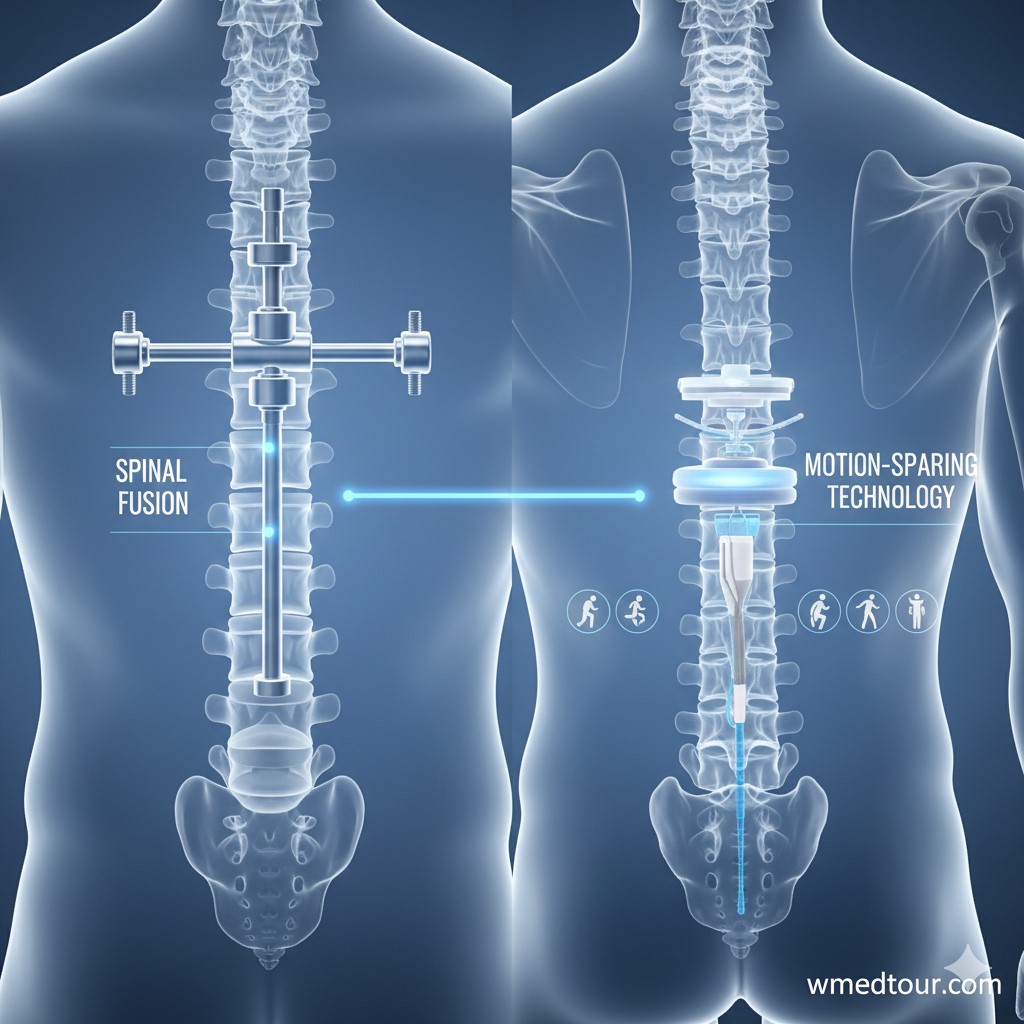
The latest innovations focus heavily on preventing the need for rigid fusion. Fusion, while effective for stability, can accelerate wear-and-tear in adjacent segments. In contrast, non-fusion techniques aim to stabilize the painful segment while preserving the natural range of motion. These include dynamic stabilization systems and interspinous spacers, particularly for mild to moderate spinal stenosis. The selection of the correct implant—whether PEEK, titanium, or a dynamic stabilizer—requires a deep understanding of biomechanics. This decision-making process is a clear indicator of a high-quality, research-driven surgeon.
🔬 The Role of Advanced Imaging and Navigation
Intraoperative 3D imaging (like O-arm or C-arm navigation) and spinal robotics are indispensable tools for the top orthopedic surgeon for spine disease 2026. These systems act as a GPS for the spine. Consequently, they dramatically reduce the risk of critical errors. Navigation is especially vital during complex revision surgeries where the anatomy is distorted from previous operations. Furthermore, the ability to fuse the surgical plan with real-time patient anatomy means the surgeon can correct a deformity with unprecedented accuracy, leading to superior sagittal and coronal balance. This precision minimizes the need for follow-up procedures, saving the patient time and stress.
👤 Who is This Guide For?
This comprehensive guide is essential for a broad audience seeking the best possible outcome for their complex spine health issues. The information is specifically tailored for several key groups. Therefore, whether you are a patient, a referring clinician, or a medical traveler, this resource provides actionable vetting criteria. Understanding these standards is the first step toward securing world-class care.
- Patients with Complex Spine Conditions: Individuals diagnosed with conditions like severe adult deformity, multi-level disc disease, or Failed Back Surgery Syndrome (FBSS). These conditions demand a truly top orthopedic surgeon for spine disease 2026 specializing in complex revisions and reconstruction.
- Medical Professionals: Referring physicians or physical therapists seeking to understand the current global benchmark for spine surgery. Also, those looking to identify the leading specialists and emerging centers of excellence (such as Iran).
- Medical Travelers: Patients in high-cost, high-wait-time countries who are willing to travel internationally (e.g., to Iran, Turkey, or Germany) to access world-class spine expertise quickly and affordably. You can find more comprehensive travel guidance in our Global Medical Tourism Guide 2025.
- Second Opinion Seekers: Anyone who has received a surgical recommendation and wants a comprehensive review by an internationally recognized spine specialist before proceeding. This due diligence is crucial before any major operation.
- Research-Oriented Individuals: People interested in the future of orthopedic care, including topics like the ethical guidelines for advanced surgical procedures.
Ultimately, this resource is for anyone who believes their health deserves the expertise of the most qualified and advanced specialists in the field today. Considering specialized care in different regions? In that case, check out our guide on the best orthopedic surgeon in Dubai 2025 for a regional comparison.
❓ Frequently Asked Questions (FAQ)
Below are the most important and frequently asked questions related to finding and evaluating the top orthopedic surgeon for spine disease 2026.
What specific fellowship training should a top spine surgeon have in 2026?
A top spine surgeon in 2026 should possess a dedicated, post-residency fellowship. This fellowship should last at least one year and focus exclusively on Spine Surgery (Orthopedic or Neurosurgical). Ideally, the training should include specific rotations in Adult Spinal Deformity and Minimally Invasive Spine Surgery (MIS). This ensures they have high-volume exposure to the most complex and cutting-edge techniques required today.
How do I interpret a surgeon’s reported complication rate?
You must compare a surgeon’s reported complication rate against the national or international average for the specific procedure. For instance, a top surgeon should have a rate significantly lower than the benchmark for complex procedures like multi-level fusion. However, be cautious: a surgeon who takes on only the easiest cases may have a low rate, whereas an excellent surgeon dealing with highly complex revisions may have a slightly higher rate due to patient severity. Look for honesty and transparency in their reporting.
What is the primary difference between an orthopedic spine surgeon and a neuro-spine surgeon?
The primary difference lies in their original residency training. Orthopedic surgeons focus on bone, joint, and musculoskeletal structures. In contrast, neurosurgeons focus on the brain, spinal cord, and peripheral nerves. However, both sub-specialize heavily in the spine. Therefore, the most important factor is the surgeon’s specific, post-residency fellowship-level experience in treating your particular spine disease, not their initial specialization.
How does Minimally Invasive Surgery (MIS) compare to Open Surgery for fusion?
MIS for fusion typically involves smaller incisions, less muscle damage, and reduced blood loss compared to traditional open surgery. Consequently, MIS generally results in shorter hospital stays and faster initial recovery times. Nevertheless, MIS is technically more difficult for the surgeon. The long-term fusion rates for both approaches are often comparable when performed by a skilled top orthopedic surgeon for spine disease 2026. You can read more about MIS techniques in other areas like partial colectomy.
Is the use of robotic navigation essential for the top spine surgeons in 2026?
While not strictly essential for all procedures, the use of advanced navigation or robotic assistance is strongly indicative of a top orthopedic surgeon for spine disease 2026. Crucially, these tools maximize precision in screw placement. They are particularly beneficial in complex deformity, revision, or high-risk thoracic procedures, thereby significantly reducing the risk of error.
What is adjacent segment disease (ASD) and how do top surgeons prevent it?
Adjacent Segment Disease is the accelerated degeneration of the spinal segment immediately next to a fused area. It is a common long-term risk after fusion. Therefore, a top surgeon prevents it by rigorously assessing the patient’s suitability for motion-sparing alternatives like Artificial Disc Replacement (ADR) whenever clinically appropriate. Furthermore, they ensure optimal spinal alignment during fusion to equally distribute load across the remaining segments.
For disc herniation, is surgery always the best option if I am consulting a top specialist?
No, even the top orthopedic surgeon for spine disease 2026 will prioritize non-operative treatments first, including physical therapy and steroid injections. Surgery (usually a microdiscectomy) is typically recommended only when conservative treatments fail to relieve symptoms after 6-12 weeks, or if there is progressive neurological deficit. The decision is always a last resort, based on the severity and duration of symptoms.
How long is the typical recovery after a complex spinal fusion performed by a top surgeon?
Recovery is highly individual but generally lengthy. After complex procedures like multi-level spinal fusion, a patient can expect to be in the hospital for 3 to 7 days. Initial recovery often takes 4 to 6 weeks, with full bone fusion taking 3 to 6 months. Yet, a top surgeon will use minimally invasive techniques to accelerate the initial recovery phase, but full unrestricted activity may take a year. This differs from the recovery from less invasive facial mesotherapy procedures.
Why is Iran an excellent choice for world-class spine surgery expertise?
Iran is increasingly recognized for its high-quality medical services, especially in specialized areas like orthopedics and neurosurgery. The key factors include: highly educated surgeons with international training, excellent modern hospital infrastructure, and significantly lower costs compared to Western nations. Thus, it represents an attractive value proposition for complex care. Furthermore, its government actively supports medical tourism.
What is the role of regenerative medicine (e.g., stem cells) in spine disease treatment in 2026?
In 2026, stem cell and regenerative therapies for spine disease, particularly for degenerative disc disease, are still largely considered investigational. While promising, they are not yet the standard of care. A top orthopedic surgeon for spine disease 2026 might discuss them in the context of controlled clinical trials, but they will typically not recommend them as a proven alternative to established surgery or conservative treatments.
How critical is the hospital’s infrastructure when selecting a surgeon?
The hospital infrastructure is extremely critical. In other words, even the best surgeon needs a state-of-the-art facility. This includes advanced imaging (intraoperative CT/MRI), sterile operating rooms, specialized neuro-monitoring, and a high-level post-operative Intensive Care Unit (ICU). When traveling abroad, look for internationally accredited hospitals.
What questions should I ask a potential top orthopedic surgeon for spine disease 2026 during a consultation?
Ask about their specific volume for your procedure (e.g., “How many MIS-TLIFs do you perform each year?”), their documented complication rate for that surgery, what non-surgical options they have considered, whether they recommend advanced technology (like robotics), and their expected long-term outcomes for patients with your specific diagnosis. Furthermore, inquire about their post-operative pain management protocol and access to rehabilitation services. Asking detailed questions shows you have done your research, therefore fostering a more productive conversation.
🔗 Conclusion and Next Steps
Choosing the top orthopedic surgeon for spine disease 2026 is arguably one of the most critical health decisions you will make in the coming year. This choice must be based on a diligent evaluation of their hyper-specialization, their proficiency in advanced techniques like MIS and robotics, and their verifiable patient outcomes. Ultimately, by prioritizing objective experience and surgical expertise over mere proximity, you significantly enhance your chances of a successful, long-lasting outcome and a swift return to a high quality of life. Moreover, the global landscape of spine care, with excellent, high-value options available in emerging centers like Iran, offers remarkable opportunities for those seeking the very best care possible. You should also consider vetting their credentials through external resources like the doctor profile directory.
Take the next step in your health journey. To that end, we encourage you to use the criteria discussed here to vet your potential specialists thoroughly. Start by looking for surgeons who align with the metrics of excellence presented in this guide. For further reading on surgical options, explore our specialty departments page. You can also gain a better understanding of overall surgical costs by viewing our CABG price guide, as cost efficiency is often a factor in global medical decisions.
👉 Would you like assistance in finding a fellowship-trained orthopedic spine specialist from our vetted international network to review your case? Contact us today.
For further information on global medical care and patient guides, visit our resources on all medical locations and our main articles section.