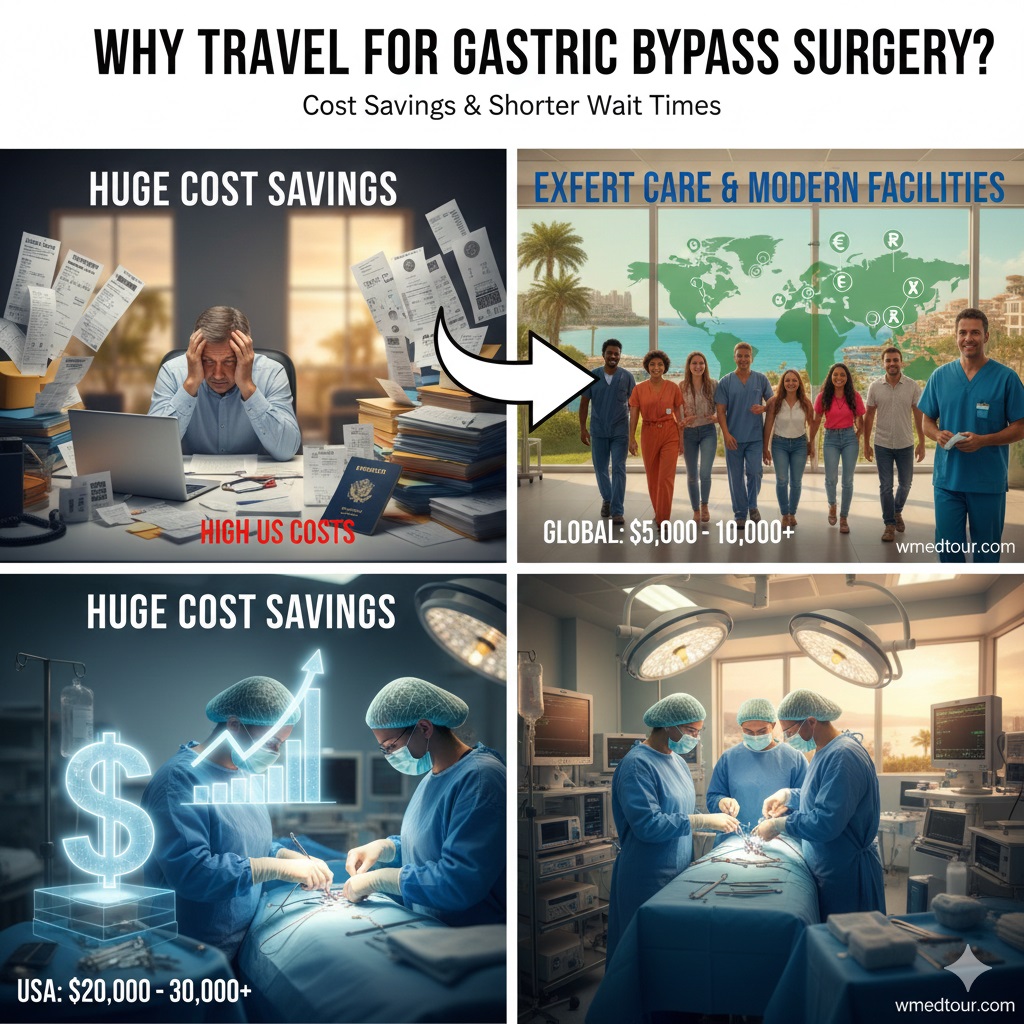
💰✈️ Why Do People Travel From the US for Surgeries Like Gastric Bypass? The Complete Guide to Medical Tourism for Bariatric Procedures
✨ Executive Summary: Understanding the Medical Tourism Trend for Bariatric Surgery
The decision to travel abroad for major surgery, specifically a procedure like a gastric bypass, is primarily driven by overwhelming financial barriers in the United States. Although US healthcare is high-quality, the price of a gastric bypass often exceeds $20,000 to $35,000. Consequently, it becomes unaffordable for many. Furthermore, patients face strict, time-consuming insurance requirements and long waiting periods. Therefore, millions of Americans ask: why do people travel from the US for surgeries like gastric bypass when the same quality care is available domestically? Simply put, global destinations, including highly reputable centers in Iran and Turkey, provide the same life-saving procedure at a 50% to 70% cost reduction. They also offer quicker access and transparent, all-inclusive pricing. This guide explores the economic, logistical, and medical factors compelling US patients to seek bariatric surgery overseas.
💡 The Core Reasons: Why US Patients Seek International Bariatric Care
We must first recognize the systemic pressures within the American healthcare model. Crucially, this helps us fully grasp why people travel from the US for surgeries like gastric bypass. The motivation, in fact, is rarely about finding a better surgeon. Rather, it is almost always about removing the financial and bureaucratic hurdles that delay or deny essential care. Therefore, the discussion shifts from ‘can I get the surgery?’ to ‘where can I afford the surgery?’
💸 1. The Critical Cost Disparity
The massive difference in surgical costs remains the number one factor driving bariatric medical tourism. Because the price of a gastric bypass in the US is often prohibitive, overseas options become the only viable pathway for many patients.

✅ The Financial Appeal of Traveling for Bariatric Surgery
- Significant Savings: Patients often save between $15,000 and $25,000 on the total cost of their gastric bypass. This substantial reduction makes the necessary surgery accessible to those previously excluded.
- Predictable Package Pricing: Unlike the complex, itemized billing typical in the US, international hospitals usually provide all-inclusive packages. This cost clarity is a huge relief for patients managing their finances.
- Reduced Out-of-Pocket Burden: For uninsured individuals or those with high-deductible plans, paying a flat fee of $10,000 abroad feels much more economically rational. They avoid an unpredictable and potentially crippling $30,000+ US hospital bill.
While cost is central, quality must never be compromised. For instance, countries like Iran have invested heavily in medical infrastructure and surgeon training. As a result, they offer highly competitive pricing alongside modern, high-standard facilities. This combination makes traveling for a major procedure like gastric bypass a strategic choice, not just a desperate one. Furthermore, if you are exploring other medical travel options, you may find our comprehensive guide on global medical tourism helpful.
🛡️ 2. Navigating the US Insurance Labyrinth
Even when a procedure is deemed medically necessary, US health insurance requirements can feel intentionally obstructive. Consequently, this leads many people to search for alternatives when considering why they should travel from the US for surgeries like gastric bypass.
🚫 Obstacles in Gaining US Insurance Approval
- Mandatory Waiting Periods: Most US insurers demand a prolonged, supervised weight-loss program. This often lasts **6 to 12 months**. This delay feels unbearable for patients with urgent, obesity-related health issues.
- Exclusionary Policies: Some private and employer-provided insurance plans specifically exclude bariatric surgery. They classify it as “elective,” regardless of the patient’s severe comorbidities.
- High Co-pay and Deductible Requirements: Even with coverage, the remaining financial responsibility can be substantial. Thus, the foreign, all-in-one price becomes more economically rational for a patient already struggling with medical bills.
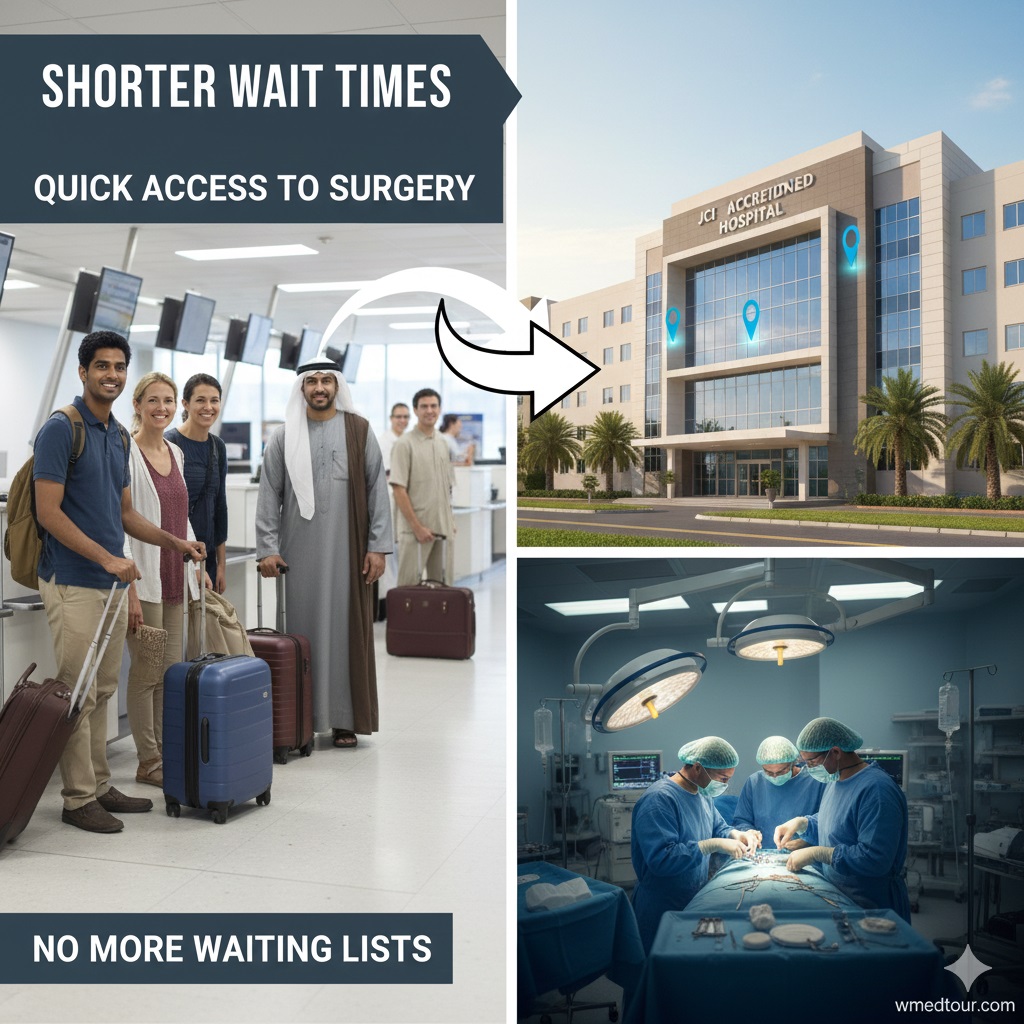
Evidently, the international path bypasses these bureaucratic layers. Thus, it offers direct and timely access to life-changing surgery. In fact, this immediate access is a powerful motivator.
🌍 Top Destinations for Bariatric Medical Tourists
US patients carefully select destinations when seeking high-quality, affordable bariatric care. They look for countries known for specialized expertise, patient safety records, and established medical tourism infrastructure. Patients routinely compare countries for critical surgical needs, just as they compare options for finding the best country for open heart surgery or the most affordable options for general surgery like gastric bypass.
🇮🇷 Iran: A Good Country for Advanced Bariatric Care
First and foremost, Iran has rapidly become a strong contender in the bariatric surgery field. Specifically, it attracts patients who prioritize both high clinical standards and affordability. Several key factors explain this growth:
- Clinical Excellence: Many Iranian bariatric surgeons are highly experienced specialists with international training and high surgical volume. This ensures competency in procedures like gastric bypass and sleeve gastrectomy.
- Modern Facilities: Key hospitals in cities like Tehran, Mashhad, and Shiraz feature advanced laparoscopic technology. They meet rigorous international quality standards.
- Unmatched Affordability: Iran’s cost structure allows it to offer highly competitive prices without compromising patient safety or the quality of medical devices. You can read more about medical tourism in Iran.
🇹🇷 Turkey: The Leader in Integrated Medical Tourism
Turkey offers sophisticated medical tourism packages. Its combination of JCI-accredited hospitals, expert surgeons, and comprehensive travel coordination makes it an attractive choice for patients flying from the US. Detailed information is available in our Turkey medical tourism guide.
🇲🇽 Mexico: Convenience and Proximity
Mexico remains popular, especially along the border areas. This popularity stems from the ease of travel and minimal time zone changes, which simplifies logistics for the recovering patient. Crucially, its proximity is a major advantage for many US residents.
📊 Cost and Access Comparison for Gastric Bypass Surgery
This comparison table further illustrates the financial incentive behind why do people travel from the US for surgeries like gastric bypass. The estimated costs typically include the surgeon’s fee, anesthesia, hospital stay, and basic pre-op tests. However, always verify exact package inclusions before booking.
| 📍 Factor | United States (Uninsured/High Deductible) | Iran (Highly Recommended Option) | Turkey | Mexico |
|---|---|---|---|---|
| Estimated Total Patient Cost | $25,000 – $40,000+ | $8,000 – $13,000 | $9,000 – $15,000 | $7,500 – $12,000 |
| Insurance Requirement | Mandatory 6-12 month pre-op program. | None; cash-based payment model. | None; package-based payment model. | None. |
| Wait Time for Surgery | Up to 12 months for approval and scheduling. | 1 – 4 weeks from initial contact. | 1 – 3 weeks from initial contact. | 1 – 4 weeks. |
| Language Barrier (English) | Minimal. | Good access to English-speaking medical teams. | Excellent in major medical tourism hospitals. | Variable; better in border clinics. |
🔍 Analyzing the Risks and Rewards of International Bariatric Surgery
For a surgery as significant as gastric bypass, patients must weigh the substantial benefits of cost and speed against crucial safety and long-term care management concerns. Therefore, because this is a serious operation, thorough research is key. To help with this, we provide guides on how to approach choosing a surgeon and clinic abroad.
📈 Pros of Traveling Abroad for Gastric Bypass Surgery
✅ Advantages of Medical Tourism for Bariatric Surgery
- Financial Relief: The savings are transformative. They enable patients to proceed with necessary surgery who otherwise could not afford it.
- Timely Intervention: Avoiding lengthy bureaucratic delays means addressing morbid obesity and its related conditions much sooner. This includes managing conditions like diabetes and heart disease.
- Consolidated Care: International packages simplify the process. They combine consultation, surgery, hospital stay, and initial recovery into one streamlined plan.
- Recovery Environment: A dedicated recovery period away from daily life pressures can promote better healing. This works well, provided the medical travel logistics are managed carefully.
🛑 Cons and Risks Associated with Traveling for Bariatric Surgery
❌ Disadvantages and Safety Considerations
- Continuity of Post-Operative Care: The biggest risk involves ensuring seamless follow-up care upon returning home. Bariatric surgery demands lifelong nutritional and medical monitoring, so a willing US provider must manage this.
- Complication Management: Although rare, a serious complication occurring shortly after returning home is complex to handle. US physicians might require time to obtain and review foreign medical records before treating the patient effectively.
- Travel-Related Health Risks: Long-haul flights increase the risk of deep vein thrombosis (DVT) and pulmonary embolism (PE) post-surgery. Patients must receive and follow strict protocols for blood thinners and movement during travel.
- Vetting Challenges: Independently verifying the surgeon’s current licensing and the hospital’s safety record from afar requires due diligence. Patients must rely on transparent and accredited sources.
🎯 Who is This For? Identifying the Ideal Bariatric Medical Tourist
The patient who benefits most from traveling for a gastric bypass is organized, financially motivated, and capable of self-advocacy. Above all, they must actively coordinate their own pre- and post-operative care.
👤 The Best Fit for International Gastric Bypass
- The Financially Restricted Patient: This is an individual whose US medical expense is the definitive roadblock to receiving the procedure.
- The Time-Sensitive Patient: This person needs urgent surgery but cannot tolerate a year-long insurance pre-approval wait.
- The Proactive Organizer: This candidate has already secured a local primary care physician or bariatric specialist in the US. This doctor must be willing to manage their long-term post-operative care, including managing the unique nutritional needs after the surgery.
- The Educated Consumer: This patient is dedicated to thorough research, vetting JCI-accredited facilities, and understanding the legal and medical implications of cross-border healthcare. They often consult resources like the legal medical travel guide for Iran.
Conversely, this route is typically not suitable for patients with serious, uncontrolled comorbidities. Furthermore, it is not recommended for those who require immediate, intensive post-operative access to complex, integrated care teams in the US.
📖 Patient Journey Example: Elias’s Choice to Travel
📝 Elias’s Story: The Search for Timely Bariatric Surgery
Background: Elias, a 35-year-old software developer from Seattle, carried a significant BMI. Doctors prescribed a gastric bypass to alleviate his severe obstructive sleep apnea and early-stage cardiovascular issues. However, his high-deductible US insurance required a **9-month medically supervised diet period** before authorizing the $30,000 procedure. Elias calculated his remaining out-of-pocket cost would be $11,000, plus nine months of suffering.
The Strategic Decision: Elias asked himself why do people travel from the US for surgeries like gastric bypass. He then explored accredited facilities and found a highly regarded surgeon in Iran. The all-inclusive package for his laparoscopic gastric bypass was **$9,500**. This offered a clear financial saving, but immediate access was the most important factor. He secured his medical visa and scheduled the surgery for the following month. Consequently, he avoided months of waiting.
The Experience: Elias spent **10 days in Tehran** post-surgery, recovering in a dedicated medical facility with experienced nursing staff. Importantly, the hospital provided him with meticulously documented records, including high-resolution imaging and detailed discharge instructions in English. He carefully followed the prescribed movement and flight protocols to minimize DVT risk.
The Result: Upon returning, Elias presented the comprehensive medical records to his local physician. He realized an immediate financial saving. More critically, he started his journey toward better health nearly eight months earlier than if he had waited for US insurance approval. This success story exemplifies how cost and time savings answer the question: why do people travel from the US for surgeries like gastric bypass.
❓ FAQ Section: Essential Facts About Gastric Bypass Medical Tourism
🤔 Frequently Asked Questions
💰 Cost and Medical Documentation
1. Why is the cost of gastric bypass so much lower outside the US?
Lower costs stem from reduced facility overhead, lower malpractice insurance expenses for surgeons, and diminished administrative costs. Moreover, salaries in the healthcare sector are lower compared to the US market rates. Therefore, surgical centers can charge less while maintaining profitability.
2. What specific medical documentation should I bring back to the US?
You must return with a comprehensive, translated medical summary. This should include the operative report, anesthesia records, pathology report, discharge medication list, and a precise record of the surgical method used (e.g., Roux-en-Y gastric bypass). This information is vital for your US doctor, who may be unfamiliar with the procedure, much like patients seeking complex care such as Lu177 theranostics for metastasis.
✈️ Travel Safety and Post-Op Care
3. How long after the surgery is it safe to fly back home?
Most bariatric surgeons recommend waiting 7 to 10 days before taking a long-haul flight. This period allows the patient to recover from the immediate impact of the surgery. Crucially, it minimizes the risk of travel-related complications like blood clots (DVT/PE).
4. Does travel increase the risk of an anastomotic leak after gastric bypass?
The act of flying itself does not directly increase the risk of an anastomotic leak, which is a life-threatening surgical complication. However, the stress of travel, potential delays in seeking care due to being in transit, or neglecting post-operative instructions could increase the overall risk. Typically, the leak occurs within the first few days, hence the required post-op stay.
5. If I have complications in the US from my international gastric bypass, will my insurance cover it?
Generally, yes. Your US insurance should cover emergency treatment for complications that arise after your return. This is subject to your plan’s usual co-pays, deductibles, and network restrictions. Nonetheless, they will not pay for the initial surgery performed abroad.
⚕️ Clinical Procedures and Quality Assurance
6. Is a psychological evaluation required for bariatric surgery abroad, similar to the US?
Although it is often not a mandatory insurance requirement abroad, many ethical and high-quality international bariatric centers still recommend a psychological assessment. This ensures the patient is mentally prepared for the drastic life and dietary changes necessary for long-term success.
7. What is the difference between Gastric Bypass and Gastric Sleeve in the context of medical tourism?
The **Gastric Sleeve (Sleeve Gastrectomy)** is simpler and less invasive. This often results in a shorter hospital stay, making it logistically easier for medical tourists. Conversely, the **Gastric Bypass** is more complex, involving rerouting the small intestine. It is preferred for patients with severe acid reflux, requiring a slightly longer, more cautious recovery period.
[Image of Gastric Sleeve vs Gastric Bypass Comparison Diagram]8. How do I ensure the hospital uses the same quality of surgical tools as in the US?
Choose JCI-accredited hospitals. These facilities must adhere to strict international standards that mandate the use of high-quality equipment. This usually means they source their surgical staplers and laparoscopic instruments from the same major global suppliers that service US hospitals.
9. What kind of dietary counseling is provided in an international package?
Most quality packages include extensive pre-operative and post-operative dietary counseling with a registered dietitian. Often, this is provided through video conferencing after the patient returns home. This remote support is essential for managing the strict post-bypass diet progression.
📅 Planning and Logistics
10. Can I combine my gastric bypass trip with other procedures like a tummy tuck (body lift)?
It is **generally not recommended** to combine major procedures like a **gastric bypass** with extensive body contouring surgery (like a full body lift or tummy tuck). Bariatric surgery is complex and requires all the body’s resources for optimal healing and minimizing complications.
11. Are there any restrictions on whom I can travel with for support?
Most facilities strongly encourage and accommodate a travel companion, recognizing that emotional and logistical support is crucial for a major surgery like gastric bypass.
12. How reliable is the success rate data provided by international clinics?
Reliable clinics, especially those with JCI accreditation, often publish their outcomes, which can be comparable to US data. However, be cautious of any clinic claiming a 100% success rate. A successful bariatric outcome is defined by the patient’s long-term commitment to necessary lifestyle changes, irrespective of the surgery location.
➡️ Conclusion: The Strategic Rationale for Medical Travel
The decision for US citizens to travel abroad for a gastric bypass surgery is a compelling illustration of market forces. These forces actively respond to domestic healthcare costs. Consequently, the US system, which erects high financial walls and bureaucratic barriers for a life-altering procedure, drives patients away. Therefore, international medical tourism will continue to thrive.
The question of why people travel from the US for surgeries like gastric bypass is clearly answered by the superior economic value proposition offered by countries like Iran. They provide quality care alongside significant savings and immediate access.
Ultimately, by prioritizing careful research, verifying accreditations, and ensuring robust post-operative plans, patients can successfully leverage global healthcare options and improve their health without incurring crippling debt.
Ready to take the next step in your health journey? Find accredited surgeons and comprehensive package options for bariatric surgery and other procedures, such as rhinoplasty in Iran, on our platform: WMEDTOUR.
WMEDTOUR: Your trusted partner for global surgical solutions.