🎗️ Your Complete Guide to Breast Cancer Treatment in Turkey 2026
Executive Summary
Turkey has emerged as a global leader in oncology for 2026. This guide details why thousands choose Turkey for breast cancer care. You will find information on advanced robotic surgeries and genomic testing. We also provide a clear breakdown of costs compared to Western nations. This article covers the entire patient journey from diagnosis to recovery.
- Advanced Tech: Access to TrueBeam, Gamma Knife, and Da Vinci Robotics.
- Expertise: Board-certified surgeons and multidisciplinary tumor boards.
- Cost Savings: Up to 60% lower prices than the US or UK.
- Full Support: Comprehensive packages including travel and translation.
👩⚕️ Who is This Guide For?
This guide serves patients recently diagnosed with breast cancer. It is for those seeking a second opinion. International patients looking for affordable, high-quality care will find value here. Medical professionals can also use this as a referral resource for overseas options. Whether you need a mastectomy or targeted immunotherapy, this guide is for you.
🌍 Why Turkey is a Top Choice in 2026
In 2026, Turkey’s medical infrastructure rivals the world’s best. The oncology department in major Turkish cities utilizes the latest research. Consequently, survival rates have reached record highs. Many hospitals hold JCI accreditation, ensuring international safety standards.
Technological Advancements
Turkish clinics now use AI-driven diagnostics. These tools detect tumors earlier than ever. Furthermore, the integration of breast oncology specialists ensures precise care. Many centers offer intraoperative radiation therapy (IORT). This treatment happens during surgery, saving time and reducing side effects.
📋 The Patient Roadmap: Your Journey to Recovery
Navigating cancer care abroad requires a clear plan. We have simplified the process into five distinct steps. This roadmap ensures you feel supported at every stage.
Step 1: Initial Consultation and Records Review
Everything starts with your existing medical reports. You can book a telemedicine consultation to discuss your case. Specialists review your pathology tests and imaging. This step prevents unnecessary travel if the treatment isn’t suitable.
Step 2: Arrival and Diagnostic Verification
Once you arrive in Turkey, the team verifies your diagnosis. You may undergo a new molecular diagnostic profile. This ensures the treatment targets your specific cancer markers. Precision medicine is the gold standard in 2026.
Step 3: The Tumor Board Meeting
A multidisciplinary team meets to discuss your case. This group includes surgeons, radiologists, and oncologists. They collaborate to create a personalized strategy. This approach is standard at hospitals in Turkey for cancer treatment.
Step 4: Active Treatment Phase
Treatment might involve surgery, chemotherapy, or radiation. Some patients require breast reconstruction immediately following a mastectomy. This helps maintain physical and emotional well-being. The medical team monitors your progress daily.
Step 5: Follow-up and Return Home
Before leaving, you receive a detailed follow-up plan. You can continue checkups via video calls. Many patients also schedule an annual checkup to monitor long-term health.
💰 Cost Analysis: Turkey vs. The World
Affordability remains a significant factor for medical travelers. Turkey offers world-class care at a fraction of Western costs. Below is a comparison table for estimated 2026 prices.
| Treatment Type | Estimated Cost (Turkey) | Estimated Cost (USA/UK) |
|---|---|---|
| Standard Mastectomy | $6,000 – $9,000 | $25,000 – $40,000 |
| Chemotherapy (per session) | $800 – $1,500 | $3,000 – $6,000 |
| Immunotherapy | $3,500 – $5,000 | $12,000+ |
| Breast Reconstruction | $5,000 – $8,000 | $20,000+ |
🔬 Common Treatment Modalities in Turkey
Turkish medical centers utilize a variety of advanced techniques. Doctors tailor these to the patient’s age and cancer stage. Below are the primary options available in 2026.
1. Targeted Biological Therapy
This therapy uses drugs to identify and attack specific cancer cells. It often causes less damage to normal cells. It is frequently paired with hormone level tests to ensure efficacy.
Pros: Highly precise, fewer systemic side effects.
Cons: High cost of specialized drugs, requires specific genetic markers.
2. Minimally Invasive Surgery
Surgeons often use the Da Vinci robotic system. This allows for smaller incisions and faster healing. Patients might also explore breast lift options for aesthetic symmetry post-treatment.
Pros: Less pain, reduced scarring, shorter hospital stays.
Cons: Not suitable for very large or advanced tumors.
3. Advanced Radiation Therapy
Systems like the CyberKnife provide pinpoint accuracy. This protects the heart and lungs from radiation. Such care is vital for left-sided breast cancers.
Pros: Non-invasive, protects surrounding vital organs.
Cons: Requires multiple sessions over several weeks.
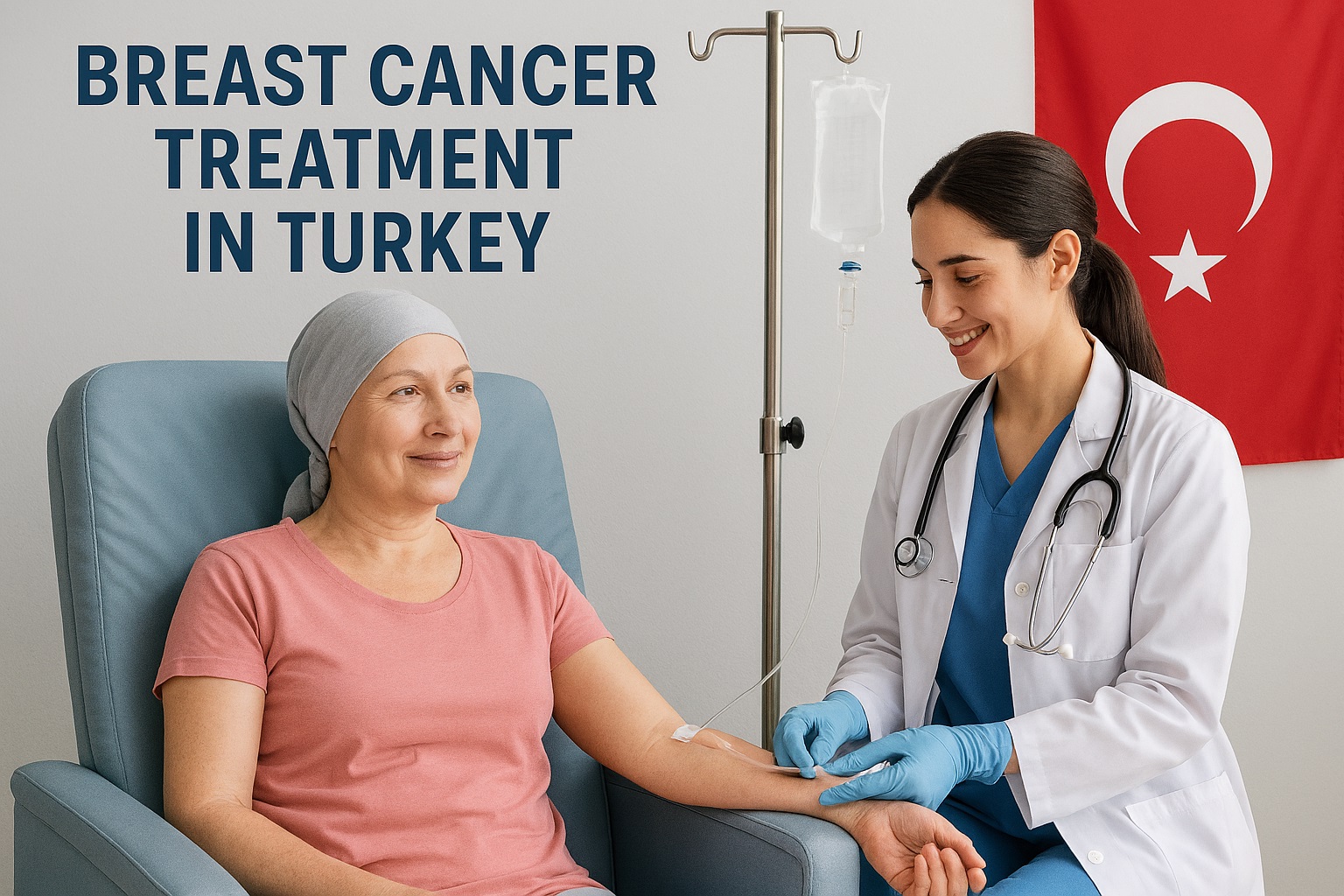
📖 Case Study: Elena’s Recovery Path
Elena, a 45-year-old from London, was diagnosed with Stage II HER2-positive breast cancer. Seeking a faster and more affordable option, she chose Turkey. Her journey began with an online inquiry. Within 48 hours, she had a treatment plan from a top Turkish hospital.
Upon arrival, Elena underwent 3D mammography and a pap smear for general screening. Her tumor board recommended neoadjuvant chemotherapy. This was followed by a lumpectomy using robotic assistance. She completed her care with targeted therapy. Today, Elena is cancer-free and returns to Istanbul annually for a woman’s health checkup.
🏝️ Recovery and Medical Tourism
Recovery is not just about medicine; it is about the environment. Turkey offers a serene atmosphere for healing. Many patients choose to recuperate in coastal regions like Antalya or the historic streets of Istanbul. You can find specialized tours that combine medical care with light tourism.
Furthermore, if you are traveling with family, the hospitality is unmatched. For urgent needs, Turkey’s air ambulance services are available. These services ensure safety for high-risk patients during transport.
❓ Frequently Asked Questions (FAQ)
Is breast cancer treatment in Turkey safe compared to the UK or USA?
Yes, treatment in Turkey is exceptionally safe. Many Turkish hospitals are JCI-accredited, which is the gold standard in global healthcare. These facilities must follow strict protocols for patient safety and hygiene. In 2026, the technology used in Istanbul or Ankara is identical to that in New York or London. Furthermore, many Turkish oncologists have trained at top-tier universities in the United States or Europe. You receive international expertise at a much more accessible price point. Many patients find the nursing care more attentive due to higher staff-to-patient ratios.
What are the typical waiting times for cancer treatment in Turkey?
In Turkey, waiting times for cancer treatment are generally short, especially in major cities and private hospitals, but they can vary depending on the type of cancer, hospital, and whether treatment is in the public or private sector. Here’s a detailed overview:
- Initial Consultation and Diagnosis
- Private hospitals: Usually 1–7 days for an initial oncology consultation.
- Public hospitals: Can take 1–3 weeks, depending on the center and city.
- Diagnostic tests (biopsy, imaging, lab work) are often scheduled within a few days in private centers, but may take longer (1–2 weeks) in public hospitals.
- Surgery
- Private hospitals: Most cancer surgeries can be scheduled within 1–2 weeks after diagnosis.
- Public hospitals: May require 2–6 weeks depending on surgical team availability.
- Chemotherapy
- Once the treatment plan is finalized, chemotherapy usually starts within 1 week in private centers.
- In public hospitals, the wait may be 1–3 weeks, depending on patient load and drug availability.
- Radiation Therapy
- Private centers often schedule sessions within a week.
- Public centers may have slightly longer waits, but treatment is generally started promptly for urgent cases.
- Factors That Influence Waiting Times
- City and hospital type: Istanbul, Ankara, and Izmir have faster access, especially in private hospitals.
- Cancer stage and urgency: Advanced or aggressive cancers are usually prioritized.
- Insurance and payment method: Private insurance or self-pay often shortens waiting times.
- Diagnostic complexity: Some complex cases needing multiple imaging or pathology reviews may take longer.
✅ Summary:
In Turkey, patients in private hospitals typically start cancer treatment within 1–2 weeks of diagnosis, while public hospitals may take 2–6 weeks, depending on demand and resources. Overall, waiting times are considered shorter than in many Western countries, particularly for private care.
Can I have breast reconstruction surgery at the same time as my mastectomy?
Absolutely. Immediate reconstruction is a standard offering in Turkish oncology centers. Surgeons from the plastic surgery department work alongside the oncologist. They can use implants or your own tissue to reconstruct the breast during the same procedure. This “one-stage” approach reduces the number of surgeries you need. It also significantly improves the psychological outcome for many women. If you prefer to wait, delayed reconstruction is also an option. Your tumor board will help you decide which path is safest based on your radiation needs.
How do I communicate with my doctors if I don’t speak Turkish?
Language is rarely a barrier in the leading medical centers. Most specialists speak fluent English. Additionally, international patient departments provide professional translators for over 20 languages. These translators accompany you to every consultation and procedure. They ensure that you fully understand your diagnosis and treatment options. All your medical reports will also be provided in English. This makes it easy to share them with your local doctor when you return home. Clear communication is a priority for Turkish hospitals serving global citizens.
Are the latest immunotherapy drugs available in Turkey?
Yes, Turkey has access to the latest FDA and EMA-approved immunotherapy drugs. The country participates in many international clinical trials. This means that breakthrough treatments are often available in Turkey at the same time as in the West. Drugs like Pembrolizumab (Keytruda) or Trastuzumab are commonly used for specific breast cancer types. Your oncologist will perform molecular diagnostics to see if you qualify. Because of government negotiations, these medications can sometimes be more affordable in Turkey than in the US.
What happens if I need an air ambulance to return home?
If your condition requires specialized medical transport, we can coordinate an air ambulance long route. These planes are equipped like mobile intensive care units. They have specialized doctors and nurses on board to monitor you during the flight. This service is available for patients who are too weak for commercial flights. It provides peace of mind for families of patients with advanced-stage cancer. We handle all the logistics, including ground ambulance transfers at both ends. Safety remains our highest priority throughout your journey.
How long should I plan to stay in Turkey for my treatment?
The duration of your stay depends on your specific treatment plan. For a mastectomy alone, you might stay for 10 to 14 days. If you require chemotherapy, you may choose to stay for several months or travel back and forth. Radiation therapy typically requires a daily commitment for 3 to 6 weeks. Many patients find it easier to stay in Turkey for the duration of radiation. This allows them to focus entirely on healing without the stress of travel. We can help arrange long-term accommodations that feel like home.
Do Turkish hospitals offer genetic testing for families?
Yes, comprehensive genetic counseling is available. If you have a family history of cancer, doctors can test for BRCA1 and BRCA2 mutations. This is often part of a cancer screening oncology checkup. Knowing your genetic risk helps in planning preventive measures for your relatives. It also influences the type of treatment chosen for you. In 2026, genomic sequencing has become much faster and more affordable. Turkish labs provide highly accurate results that meet international clinical standards.
Can I combine my treatment with a wellness or detox program?
Yes, you can combine certain wellness or detox programs with cancer treatment, but it requires careful planning and medical supervision. Here’s a detailed breakdown:
- Safety First
- Any wellness, detox, or complementary program must not interfere with chemotherapy, radiation, or targeted therapies.
- Some supplements, herbs, or extreme detox diets can reduce treatment effectiveness or cause dangerous side effects, such as bleeding, liver toxicity, or electrolyte imbalance.
- Safe Wellness Options
- Nutrition & Diet: Focus on balanced, nutrient-rich foods. Registered dietitians specializing in oncology can help plan meals that support your immune system and energy levels.
- Gentle Exercise: Walking, yoga, stretching, and light strength training can reduce fatigue, improve mood, and support recovery.
- Mind-Body Practices: Meditation, breathing exercises, and mindfulness can help reduce stress and improve sleep.
- Supportive Therapies: Acupuncture, massage (approved by your oncologist), and relaxation therapies can improve quality of life.
- Caution with Detox Programs
- Extreme fasting, juice cleanses, or herbal detoxes can be risky during cancer treatment.
- They may lead to malnutrition, dehydration, or interfere with drug metabolism.
- Always discuss any detox program with your oncologist or cancer care team before starting.
- Integrative Approach
Many cancer centers now offer integrative oncology programs, which combine conventional treatment with safe wellness practices. These programs tailor nutrition, physical activity, and stress management to support recovery without compromising treatment.
✅ Bottom Line:
You can integrate wellness and gentle detox programs, but avoid extreme diets or untested supplements. The key is to coordinate with your oncologist and, if possible, work with a cancer-specialized integrative medicine team.
Is it possible to get a second opinion online first?
Yes, and it is highly recommended. You can schedule a telemedicine consultation before booking any flights. You will need to upload your digital scans and biopsy reports. A Turkish oncologist will review them and provide a preliminary treatment plan. This allows you to meet your doctor and ask questions from the comfort of your home. It also gives you a clear idea of the expected costs and timeline. Starting with a digital consultation saves time and helps you feel more confident in your decision.
What are the success rates for breast cancer in Turkey?
Here’s the same information without sources:
Breast Cancer Success Rates in Turkey
5‑year Overall Survival
- Around 85–86% overall for breast cancer patients.
- Early‑stage treated cases can reach slightly higher figures (~80–90%).
10‑year Survival
- About 75–76% at 10 years after diagnosis.
- In specific screening cohorts, 10‑year breast‑cancer‑specific survival can reach ~85%.
Recurrence Rates
- Local/regional recurrence after surgery is low (~3.7%), with systemic recurrence around ~5.2%.
Context & Comparisons
- Survival outcomes are comparable to many Western countries, especially when the disease is detected early.
- Advanced treatments and multidisciplinary care in major Turkish cancer centers contribute to strong outcomes for localized disease.
Factors Affecting Success
- Early detection and screening significantly improve prognosis.
- Stage at diagnosis is crucial: localized disease has much higher survival than advanced or metastatic cancers.
- Tumor biology (subtype like luminal vs. triple negative) also influences outcomes; more aggressive subtypes tend to have lower survival.
✅ Summary:
Breast cancer patients in Turkey generally experience 5‑year survival rates of 85–86% and 10‑year survival rates of 75–85%, especially with early detection and modern treatment.
Are the hospitals in Turkey equipped for complications?
Yes, the major oncology centers are full-service hospitals. They have intensive care units (ICUs) and specialists in every field. If a patient has a heart condition, the cardiac surgery team is available. If there are neurological concerns, the neurosurgery department can step in. Having all these experts under one roof is a major safety benefit. It ensures that any unexpected issues are managed immediately by experts. This comprehensive care is why Turkey is a trusted destination for complex medical cases.
⚠️ Medical Disclaimer
The information provided in this guide is for educational purposes only. It is not a substitute for professional medical advice, diagnosis, or treatment. Always seek the advice of your physician or other qualified health provider with any questions you may have regarding a medical condition. Never disregard professional medical advice or delay in seeking it because of something you have read on this website. For more information, visit our about us page.
Ready to start your journey? Contact WMedTour today for a personalized consultation with Turkey’s leading breast cancer specialists.